


 WeCom / WeChat Business
[ SERVICES / MARITIME COUNTER-DRONE SYSTEMS & SHIP PROTECTION ]
/ SERVICE #52
Maritime Counter Drone Systems and Interceptor Drones for Ship Protection and ship defense
X-Sky Dynamics
Manufacture, supply and integration of kinetic interceptor drones and containerized systems for the protection of ships, vessels and maritime infrastructure.
X-Sky Dynamics manufactures, supplies and integrates maritime counter-drone solutions, with a primary focus on kinetic interceptor drones and containerized systems for their deployment. We combine early warning, radar and optical surveillance, intelligent control and specialized protective capabilities in a unified solution tailored to the vessel and its operational tasks.
We work with specialized manufacturers and technology partners and participate in the manufacture, outfitting, assembly and adaptation of systems. We supply complete solutions and individual components, providing configuration and integration in accordance with the customer's operational and technical requirements.
Containerized Interceptor Drone Systems
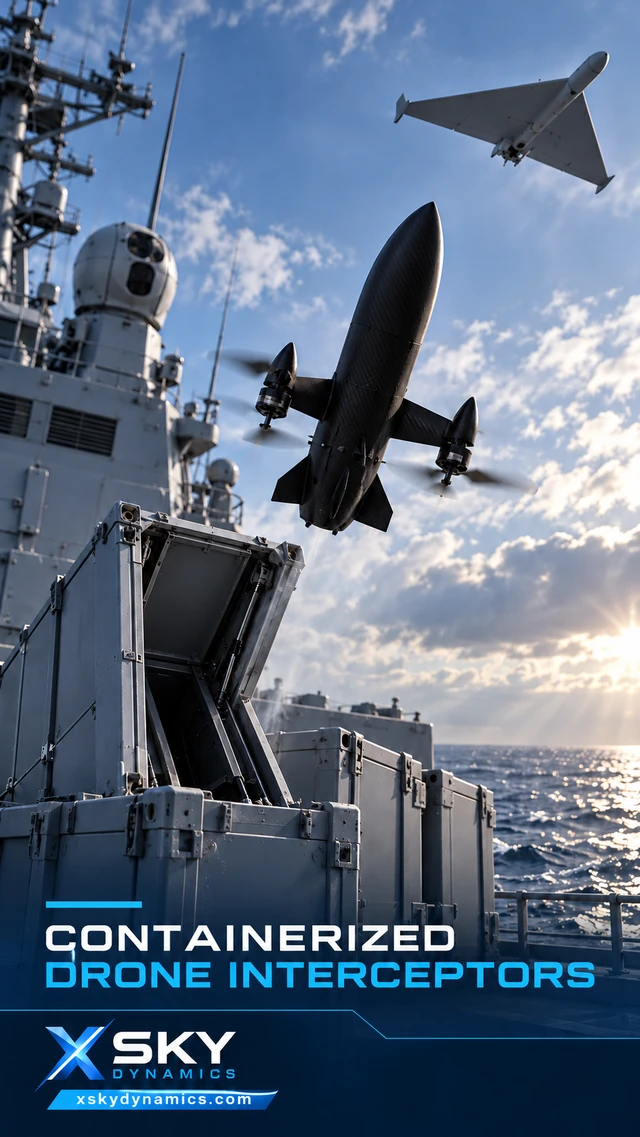
The central element is a protective containerized module housing interceptor drones. It brings together platform storage, servicing and readiness and connects with the surveillance and control equipment. The integrated system provides information on the technical condition and availability of its individual components.
We offer configurations for permanent shipboard integration, temporary deployment and mobile applications. The implementation is tailored to the space available on board, the marine environment and servicing requirements. Our portfolio also includes portable solutions for specialized teams.
Radar and Optical Surveillance
Radar detection and tracking are complemented by RGB and thermal imaging surveillance. Sensor data are brought together in a common control environment to support the detection, visual confirmation and assessment of potential threats by day and night. The configuration is selected according to the coverage required and the operating conditions.
Kinetic Interceptors as the Primary Focus
Kinetic interceptor drones are compact, high-speed unmanned platforms designed to physically counter airborne unmanned threats. Our primary focus is on solutions without an explosive payload, intended to form part of a layered protection system for ships and maritime facilities.
The absence of an onboard explosive payload, compact dimensions and containerized deployment make kinetic interceptors a suitable choice for a range of maritime applications. Their physical effect does not require radio-frequency interference with communications and navigation services and avoids the specific eye-safety hazard associated with high-energy laser systems. This offers a practical alternative for projects in which compatibility with shipboard systems and the surrounding environment is a priority.
Cameras and Resilience in Interference Environments
Interceptors are offered with RGB and thermal imaging capabilities according to the selected configuration. Combining visible and infrared imaging extends their ability to operate under different lighting conditions and supports object recognition and tracking.
We offer configurations with increased resilience to radio-frequency interference and reduced dependence on external radio links and satellite navigation. These capabilities are particularly important in maritime areas with challenging electromagnetic conditions.
Dimensions Speed and Recovery
The indicative mass of compact interceptors ranges from 300 grams to 2 kilograms, depending on the model and equipment. High-speed platforms, compact construction and different sensor configurations allow the solution to be selected according to the mission and the vessel's particular characteristics.
Applicable models provide the ability to terminate a mission and return to the ship for recovery and preparation for a subsequent deployment. This extends the system's applications and enables reuse when the platform's condition and operating circumstances permit.
Automation and Autonomous Operation
The system can be configured for operator-controlled operation, automated functions under human supervision, or fully autonomous operation without continuous operator control. Automated functions cover surveillance, tracking, data processing and the management of the relevant authorized actions.
Autonomous operation reduces the need for continuous manual control and supports sustained system readiness. Supervisory personnel with the ability to intervene are recommended. The scope of autonomous functions is defined for the specific configuration and permitted application.
Additional Countermeasure Capabilities
Electronic countermeasures can be integrated into the core solution: radio-frequency jamming of communications and navigation signals, and electronic deception, including the substitution of navigation signals known as spoofing. These complement kinetic interceptors in applications that require different countermeasure capabilities.
We also offer assessments for the integration of laser countermeasure systems. Selection takes account of crew eye protection, the available power supply and shipboard conditions. Electronic countermeasure equipment is assessed for compatibility with legitimate communications and navigation. These technologies remain supplementary options alongside the primary focus on kinetic interceptors.
Maritime Applications and Surface Threats
The solutions are intended for merchant and specialized ships, patrol vessels, ports, terminals and offshore facilities. Appropriately selected sensors extend surveillance to small surface objects, including unmanned surface craft.
Specialized configurations may include capabilities to counter certain unmanned surface platforms. This area is developed according to the platform's characteristics and the specific operational task.
Legal Applicability and Technology Selection
Kinetic interceptors without an explosive payload may offer advantages when assessing certain maritime projects, as they avoid some of the particular issues associated with explosive, jamming and laser systems. Selection is based on technical suitability and the legal framework applicable to the technology concerned.
Maritime integration takes account of the vessel's location and route, its flag state and the applicable coastal and port requirements. Operations within an exclusive economic zone are considered in accordance with international maritime law and the relevant national frameworks.
The preliminary stage clarifies requirements relating to supply, transport, deployment and operation, as well as the necessary approvals and coordination. This ensures that the technical solution is developed for the actual environment in which it will be used.
Important Preliminary Consulting Stage for This Service
Due to the high degree of technical complexity and the need for an individual approach, the provision of further information or consulting, as well as the delivery of this service, begins only after a preliminary consulting agreement has been concluded.
The solutions offered by X-Sky Dynamics are not standard products, but individually engineered systems tailored to each customer's specific operational, technical and regulatory requirements.
The consulting stage includes technical studies, analysis of the task, risk assessment, concept development, selection of suitable technologies, definition of the system architecture and preparation of a technical specification for subsequent implementation, among other activities.
The resulting technical concept is an independent engineering deliverable. It may be used both for implementation by X-Sky Dynamics and for the integration of systems and equipment from other manufacturers where this serves the customer's interests and is consistent with the agreed rights of use.
On completion of this stage, a comprehensive technical concept is prepared as the basis for the design, supply, integration and implementation of the system. This establishes the conditions for an effective, reliable solution optimized for the project's budget, objectives and specific requirements. The specific performance criteria and warranties are defined in the subsequent specification and contract.
General Conditions for Technical Characteristics and Applications
The capabilities and parameters described relate to different models and configurations. Specific characteristics, including speed, mass, sensors, interference resilience, autonomy and recovery, are defined in the technical specification. Individual performance figures may have been achieved under laboratory or controlled test conditions. Use of the systems is subject to applicable law and the necessary authorizations; low mass and the absence of an explosive payload do not automatically imply unrestricted use or an absence of risk.
Maritime counter-drone systems gallery
[ RELATED VIDEOS ]
YouTube #1
YouTube #2
YouTube #3
YouTube #4
YouTube #5
YouTube #6
YouTube #7
YouTube #8
YouTube #9
YouTube #10
YouTube #11
YouTube #12
YouTube #13
YouTube #14
YouTube #15
YouTube #16
YouTube #17
YouTube #18
YouTube #19
YouTube #20
YouTube #21
YouTube #22
YouTube #23
YouTube #24
YouTube #25
YouTube #26
YouTube #27
YouTube #28
YouTube #29
YouTube #30
YouTube #31
YouTube #32
YouTube #33
YouTube #34
YouTube #35
YouTube #36
YouTube #37
YouTube #38
YouTube #39
YouTube #40
YouTube #41
YouTube #42
[ Get in Touch ]
X-Sky Dynamics
- ✉xskydynamics@gmail.com
- ✉xsky@xskydynamics.com
- ☎+359 87 6975862
 WhatsApp: +359 87 6975862
 Viber: +359 87 6975862
- 📍Sofia, bul. "Yanko Sakazov"

[ SERVICES ]
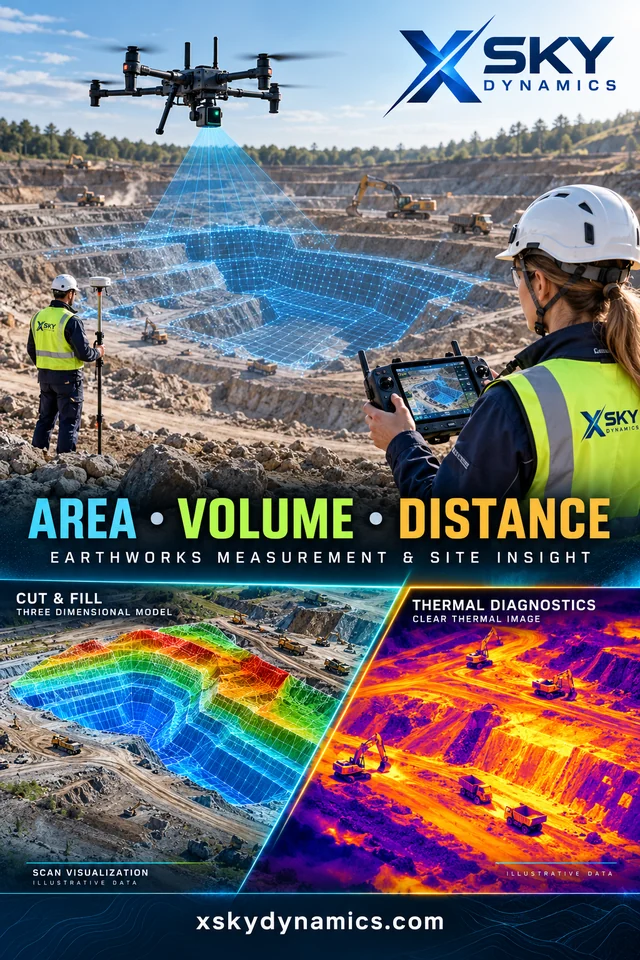
Measurement of Areas, Volumes, Distances with Drones
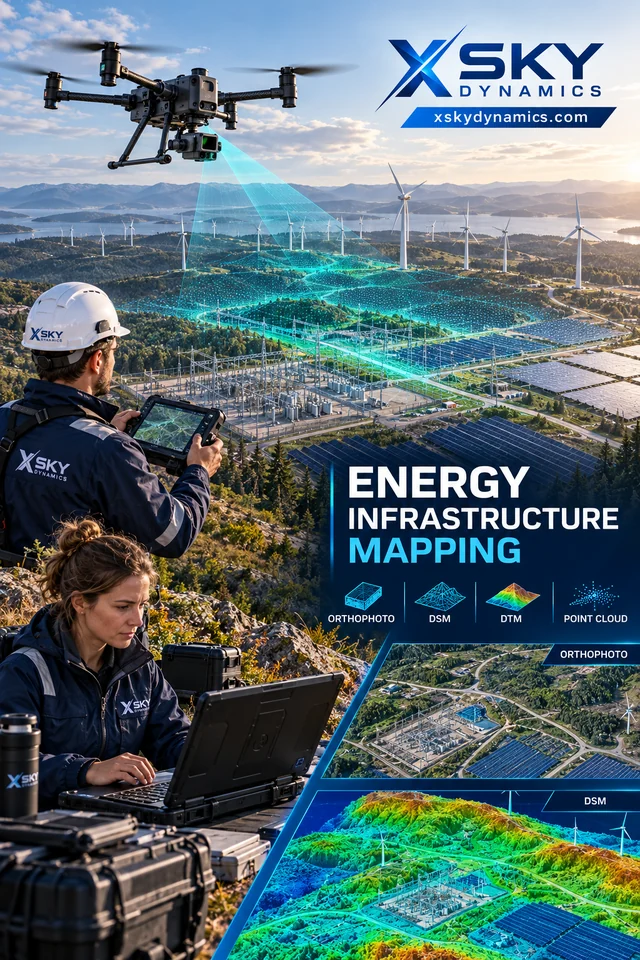
Mapping, Orthophoto, Geodetic UAV Systems, Digital Twins
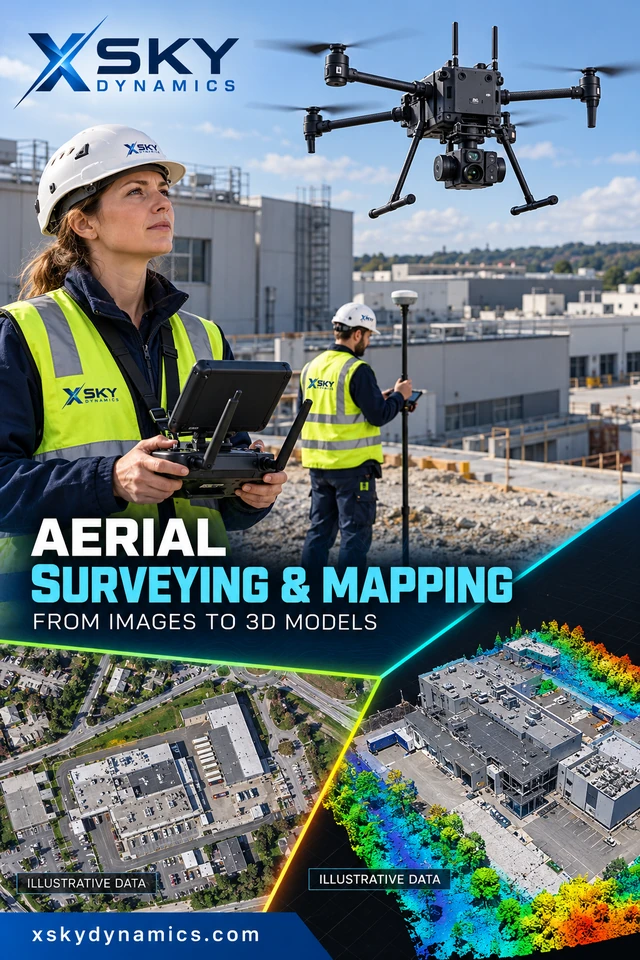
Geodetic, Topographic, Digital Twins 3D Surveying with UAV Systems
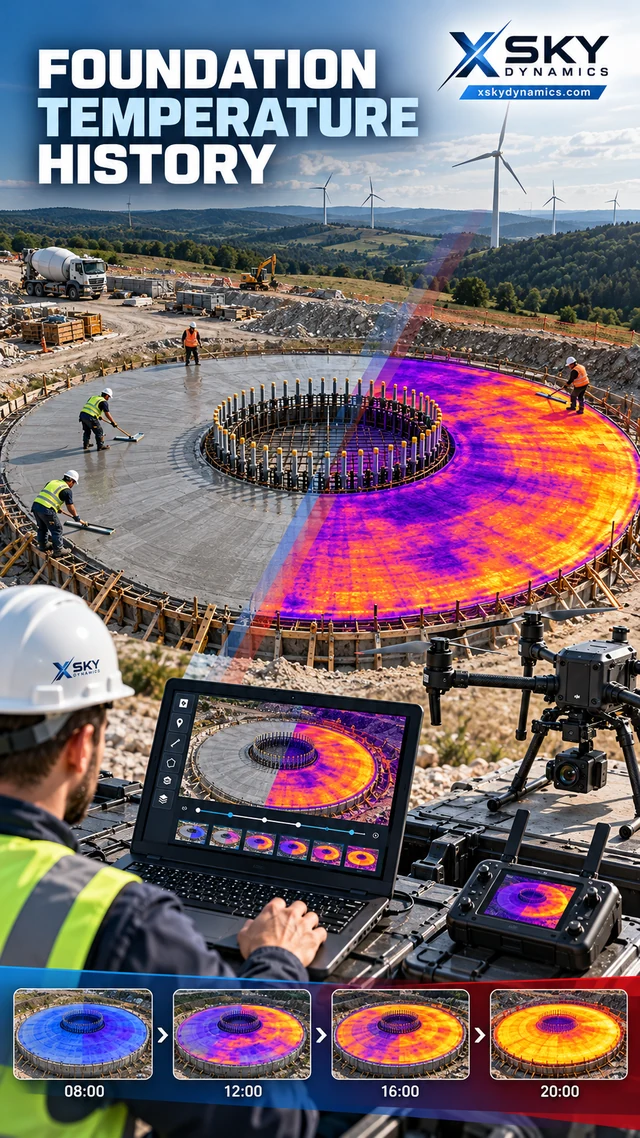
Orthophoto and Thermal Time Lapse
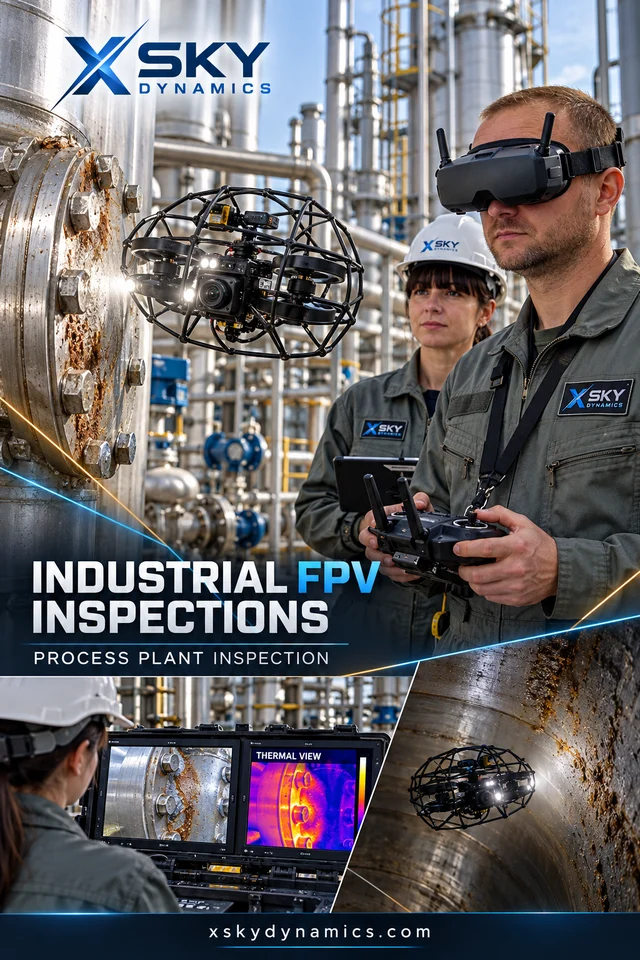
FPV Drone Inspections, Surveys

Search and Rescue of Pets and animals Using Drones
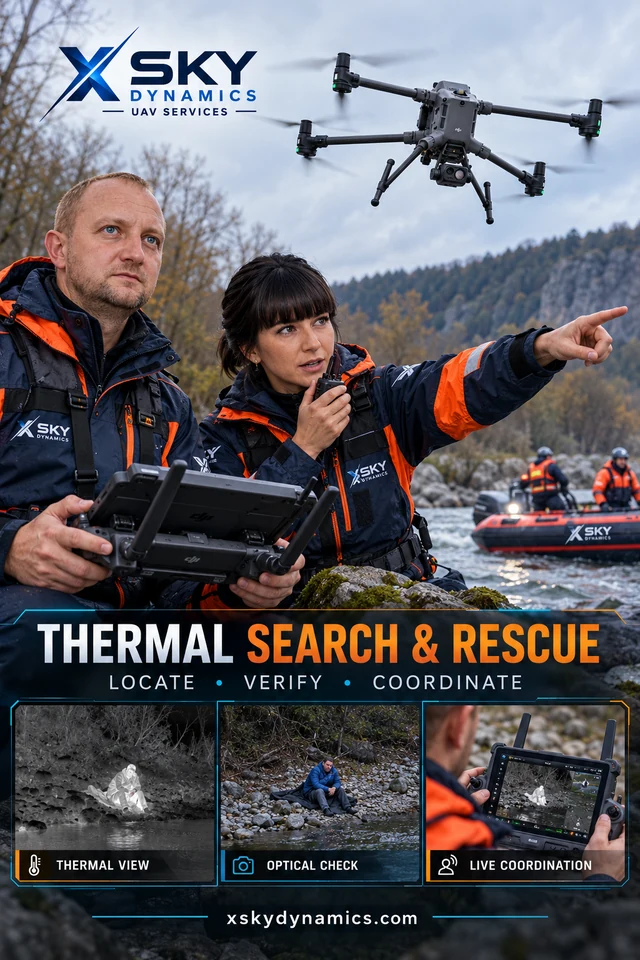
Search and Rescue via Drones
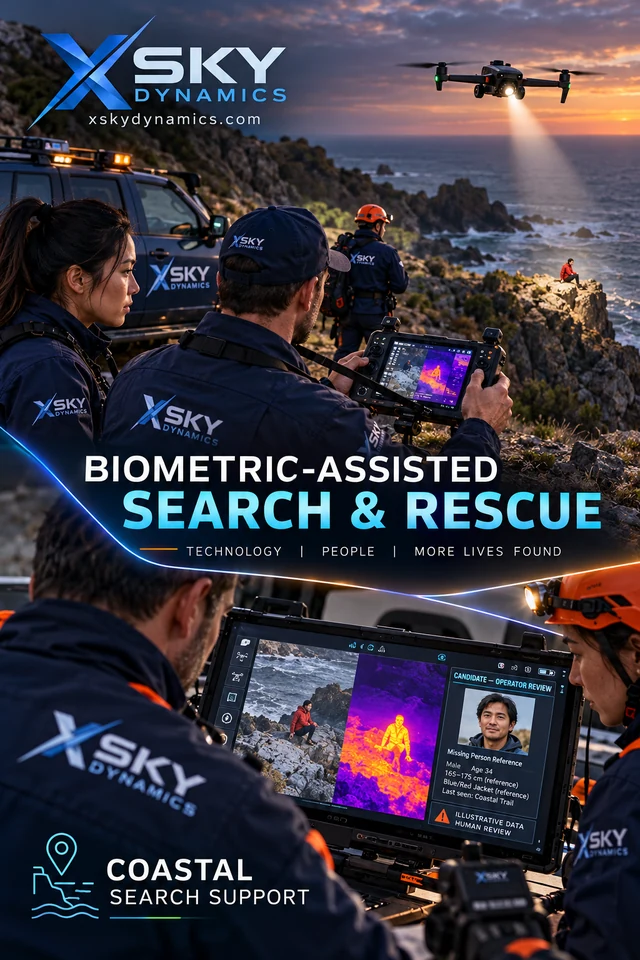
Specialized biometric UAS drone Systems for SAR
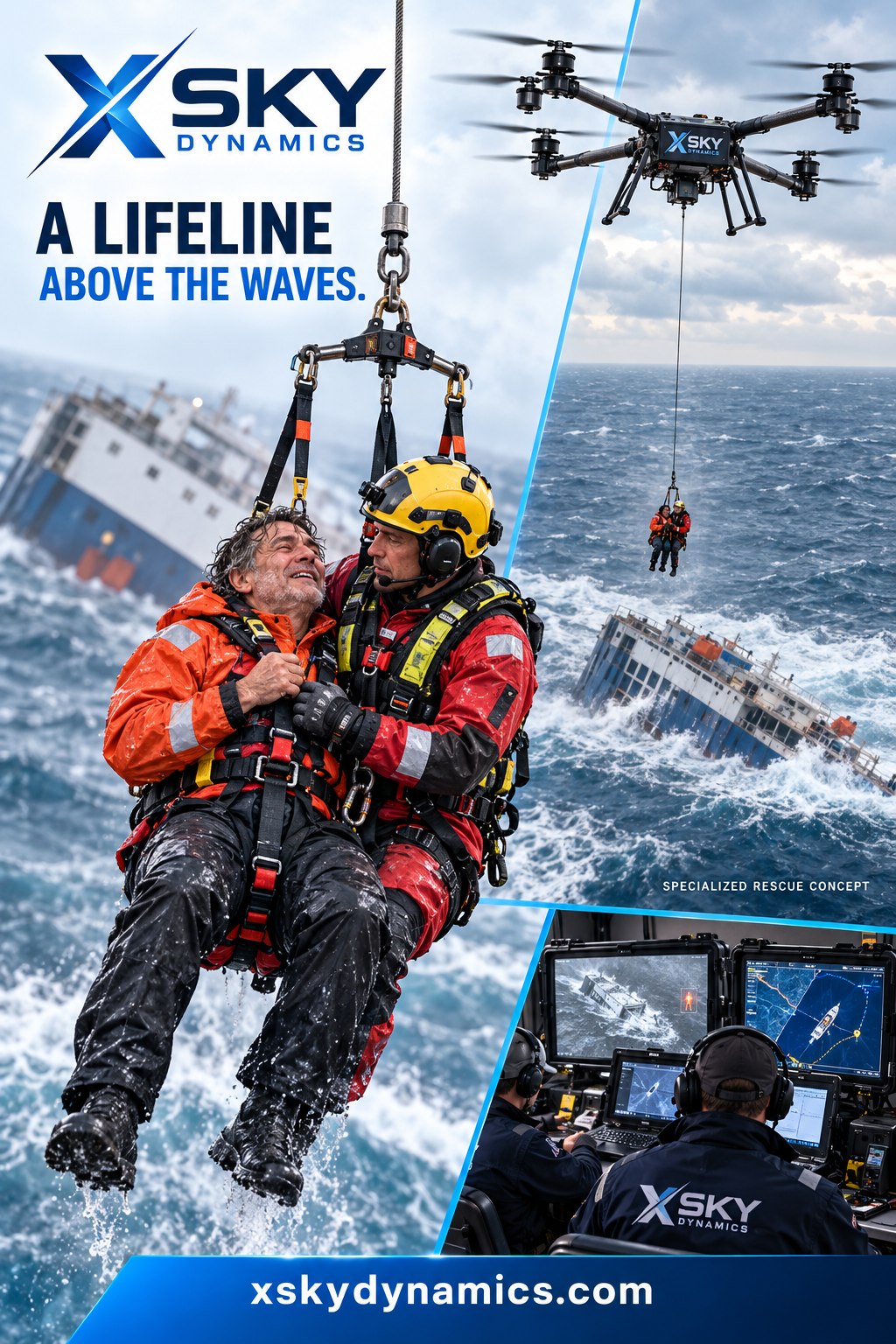
Heavy-Lift Rescue Drones
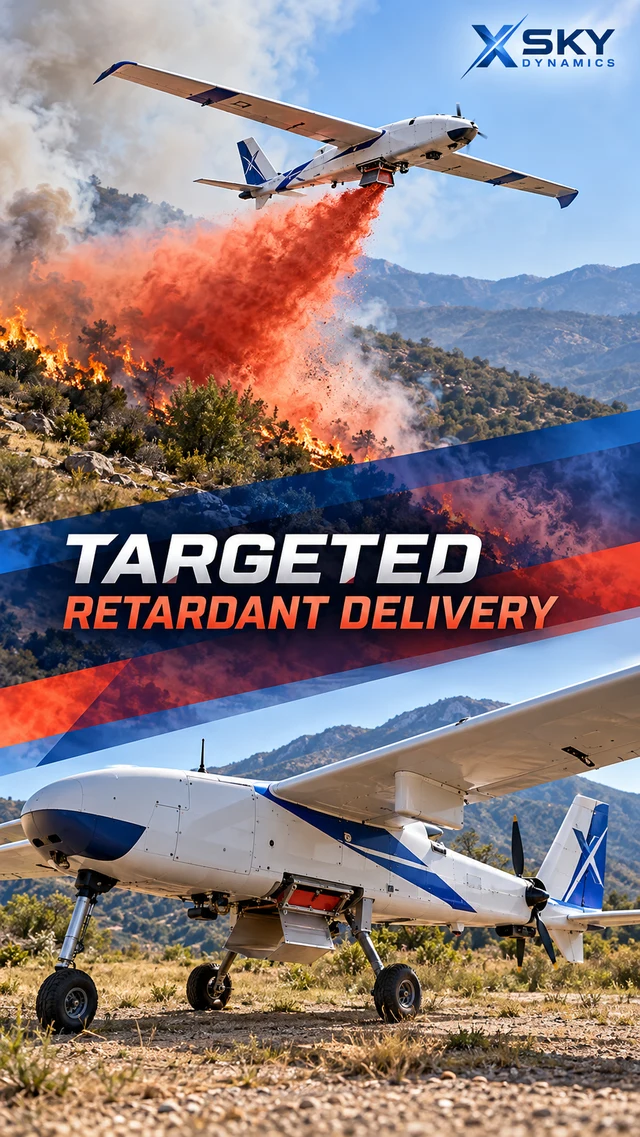
Firefighting Drones & Aerial Fire Suppression
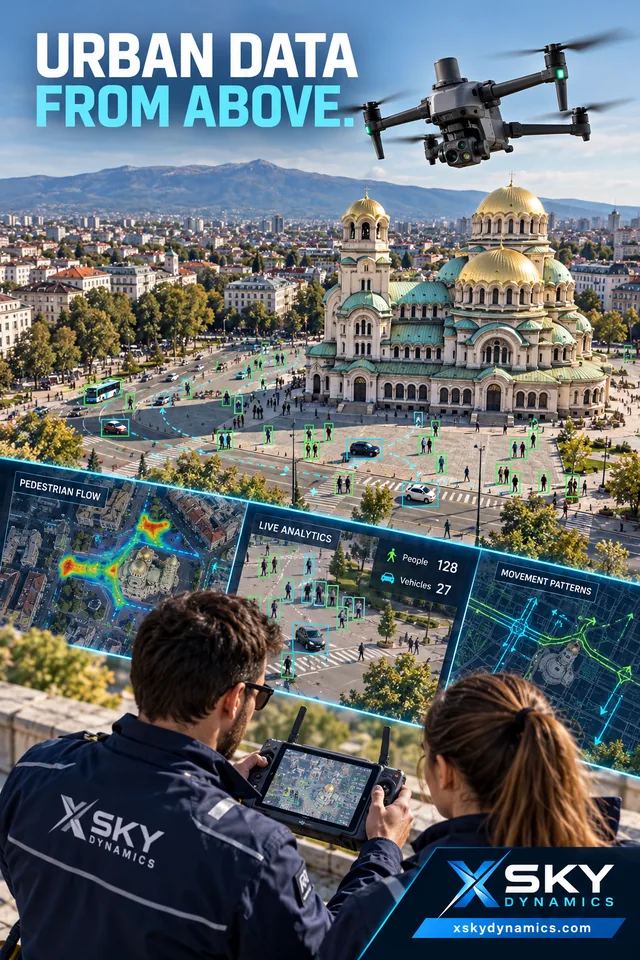
Drone Systems for Collecting Statistical Data
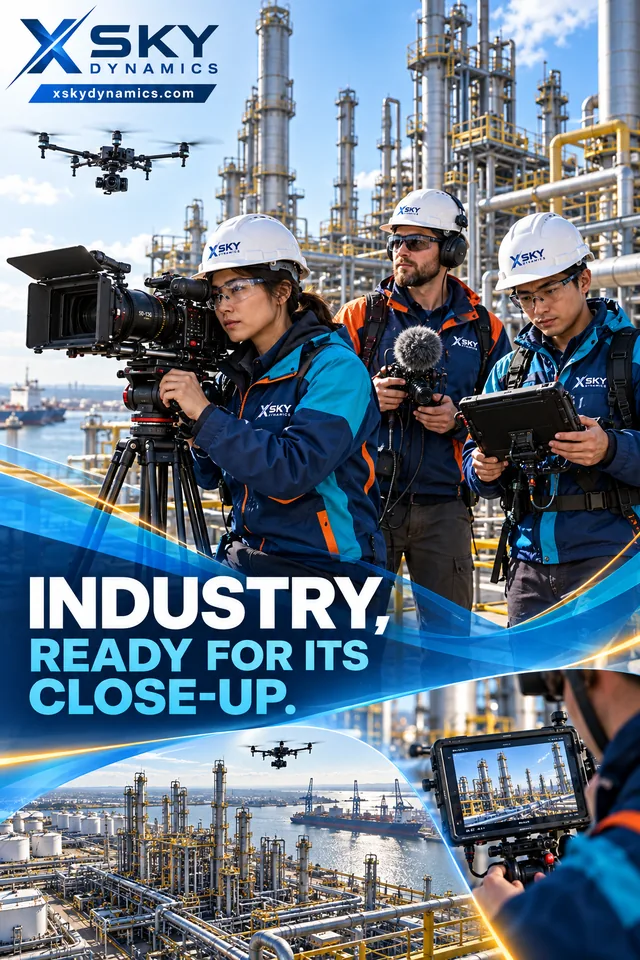
Drone and Video Services in Maritime Transport

Multispectral and Thermal Drone Surveys for Agriculture
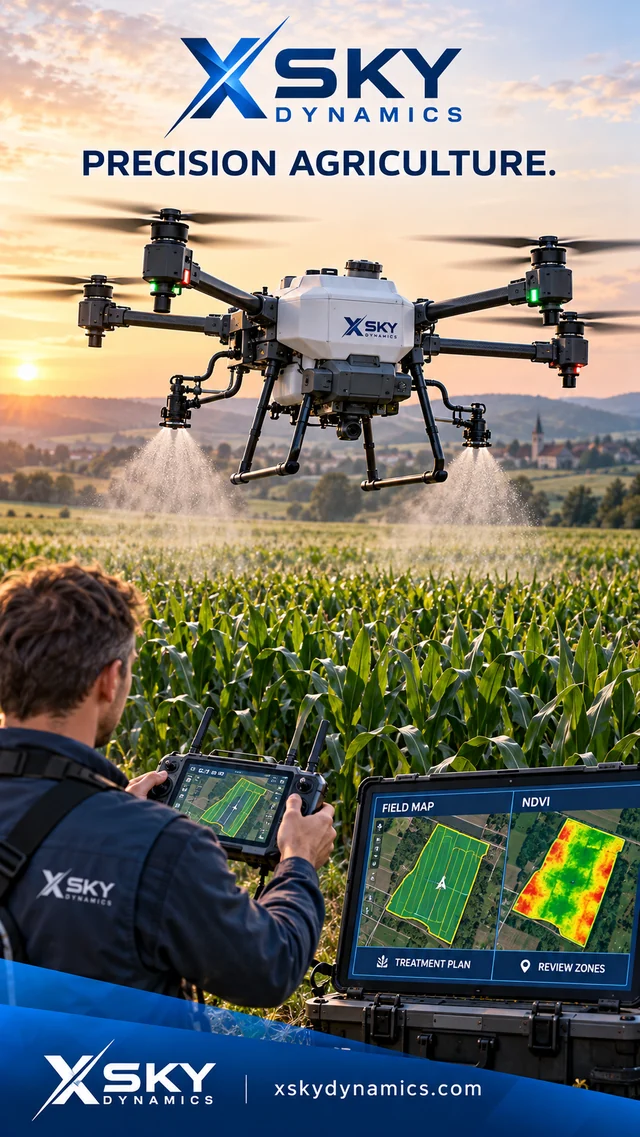
Agricultural Drone Systems for Precision Spraying, Spectral Monitoring
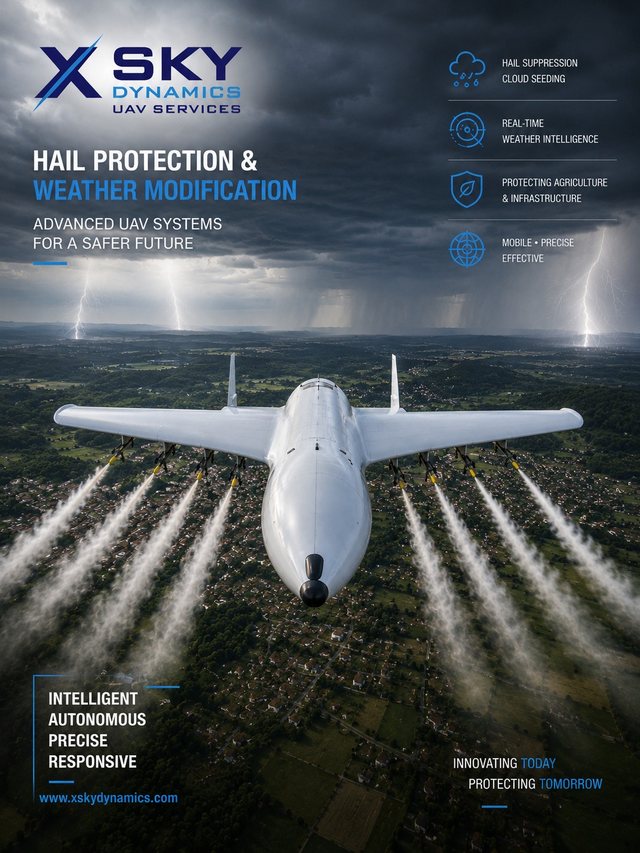
UAV Systems for Hail Suppression, Weather Modification
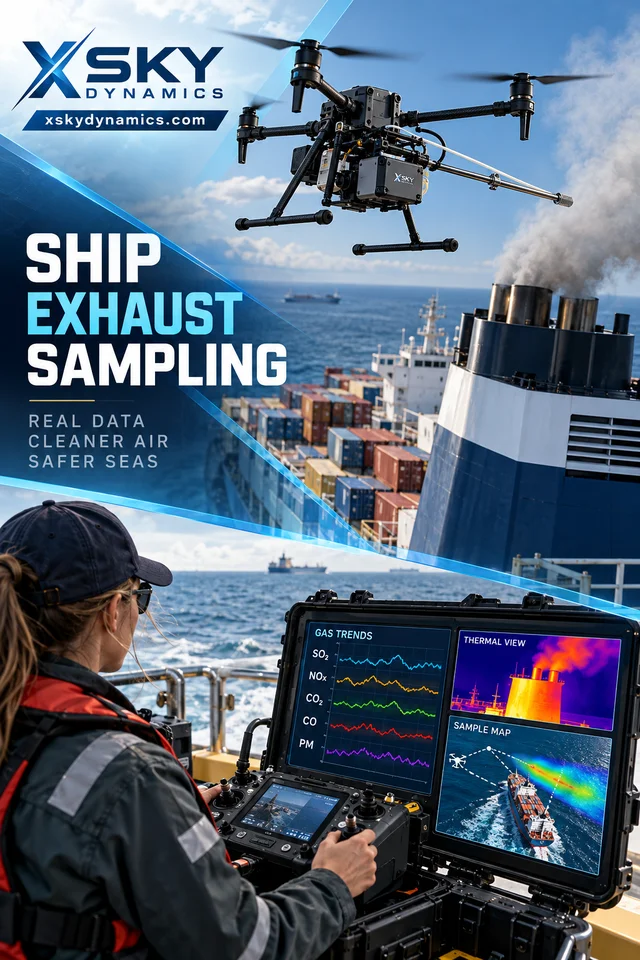
Drone Systems for Exhaust Gas Analysis
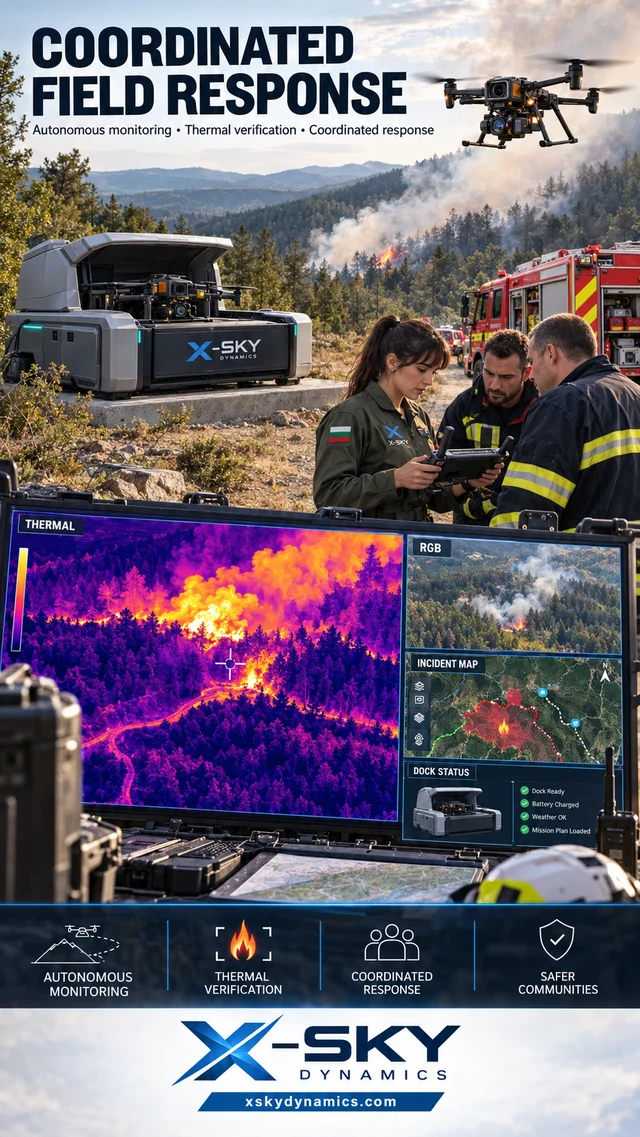
Drone Dock Stations for Monitoring, Early Fire Detection
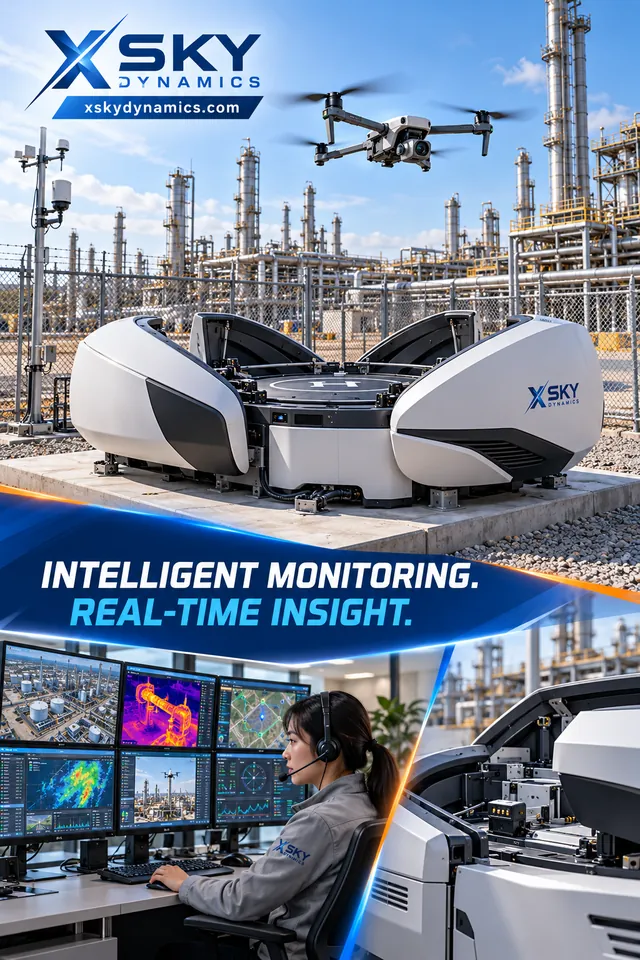
Autonomous Drone Systems with Dock Stations
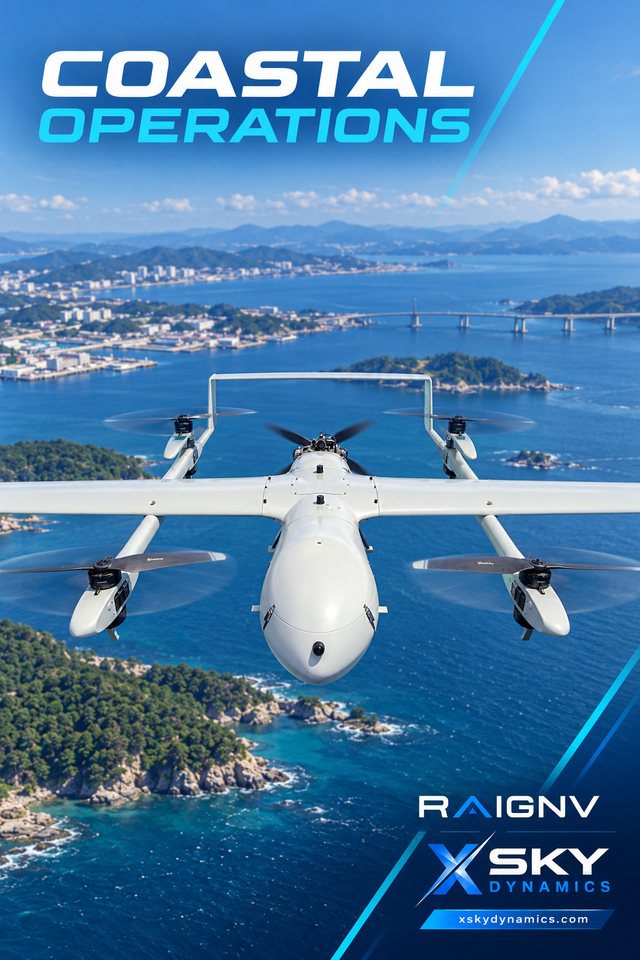
RAIGNV – Industrial UAV Systems, Automated Drone Stations
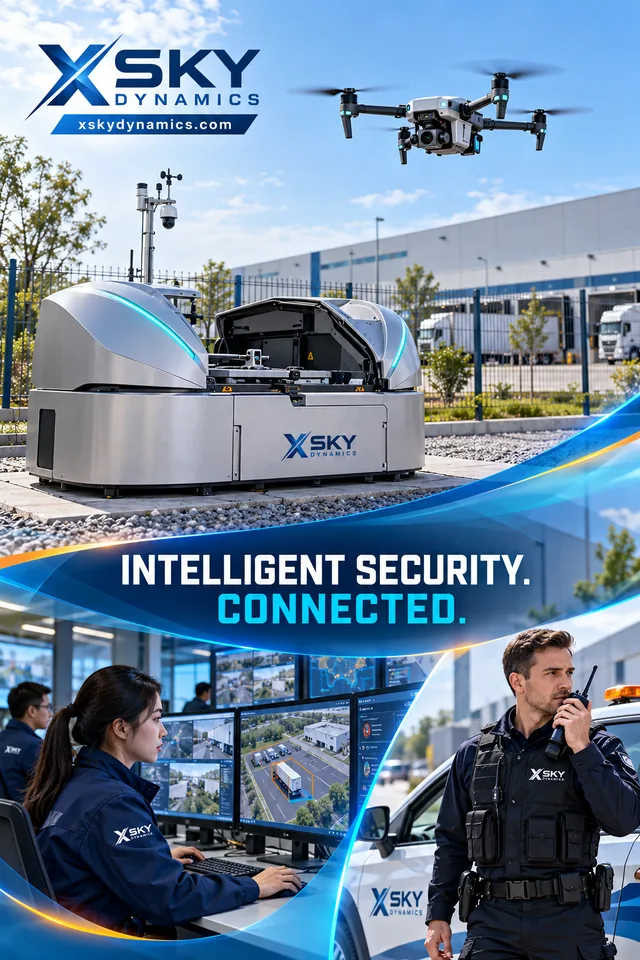
Security of Sites Through Drones AI Systems
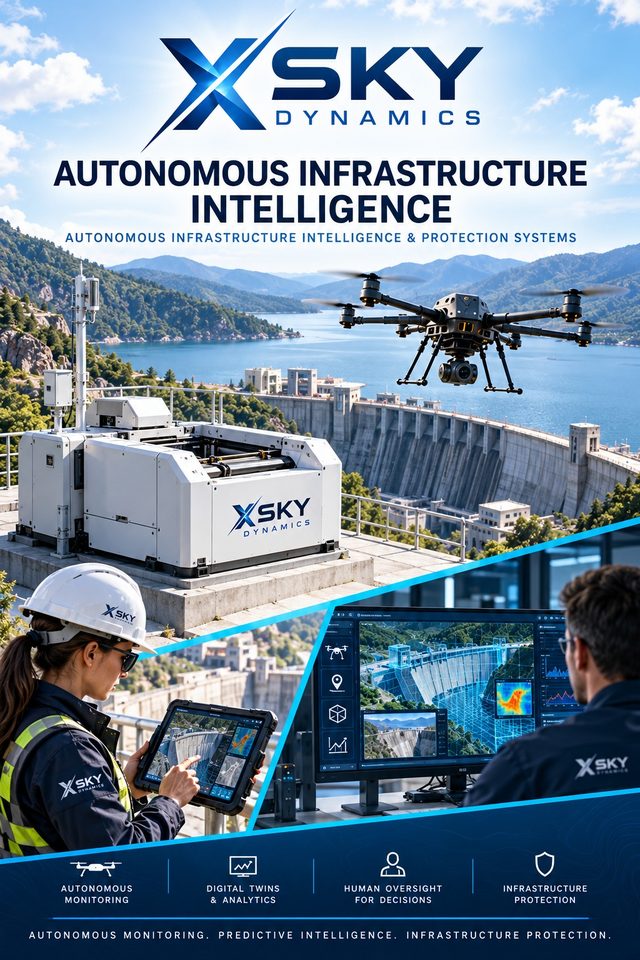
Monitoring, Defense & Predictive Infrastructure Platforms
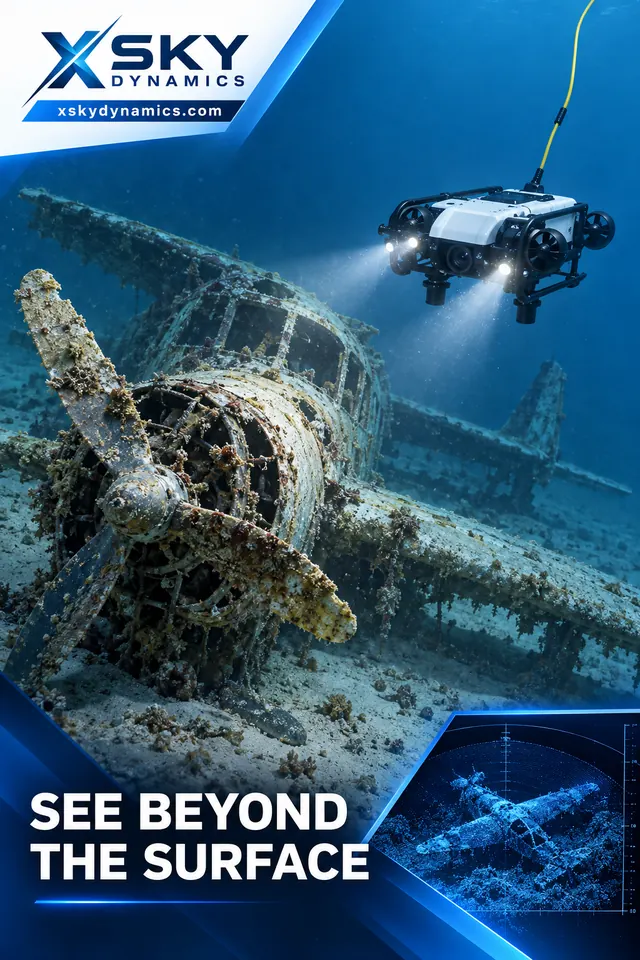
Underwater and Surface Drone Systems ROV, AUV, USV
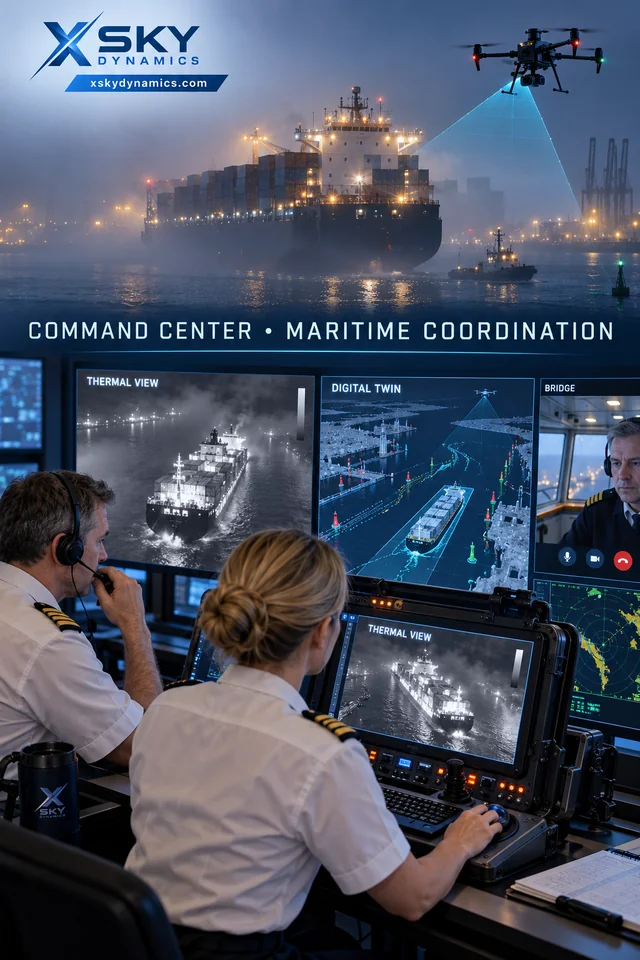
Systems for Assisting the Maneuvering in Low or Zero Visibility
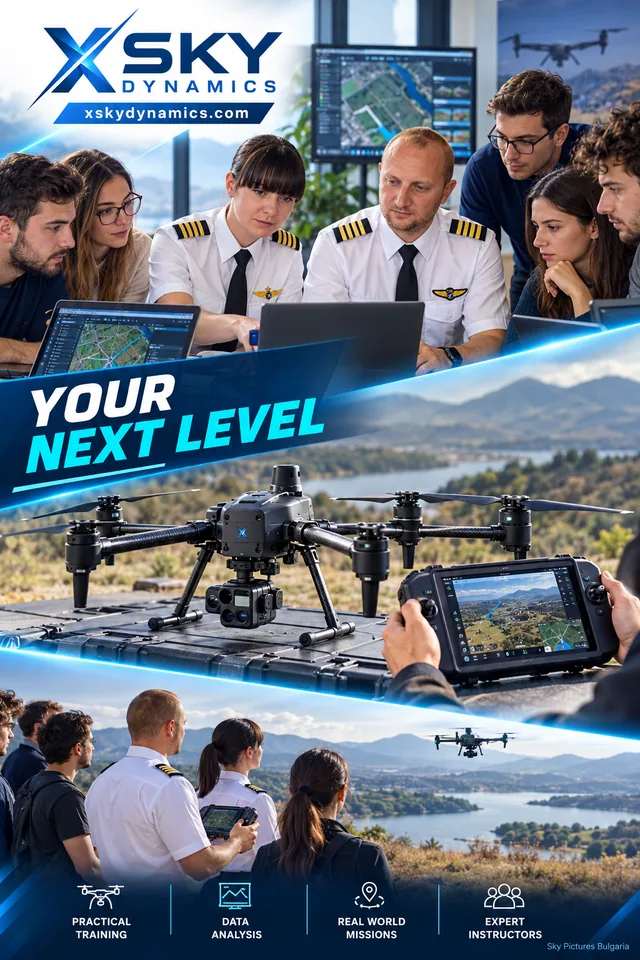
DRONE PILOTS AND OPERATORS TRAINING AND COURSES
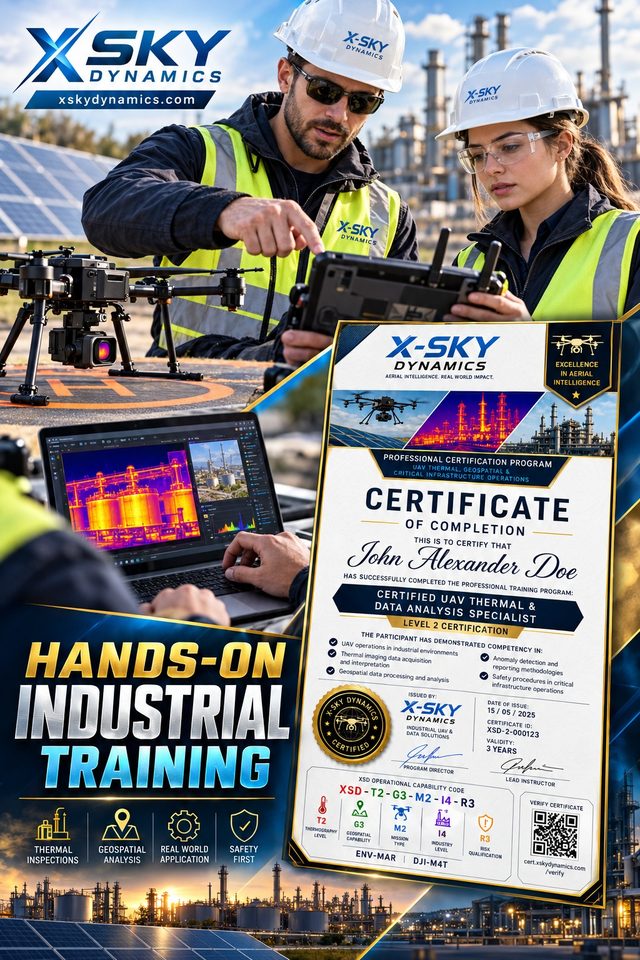
Professional Thermography Training, Qualification & Certification Framework for UAV-drone operators
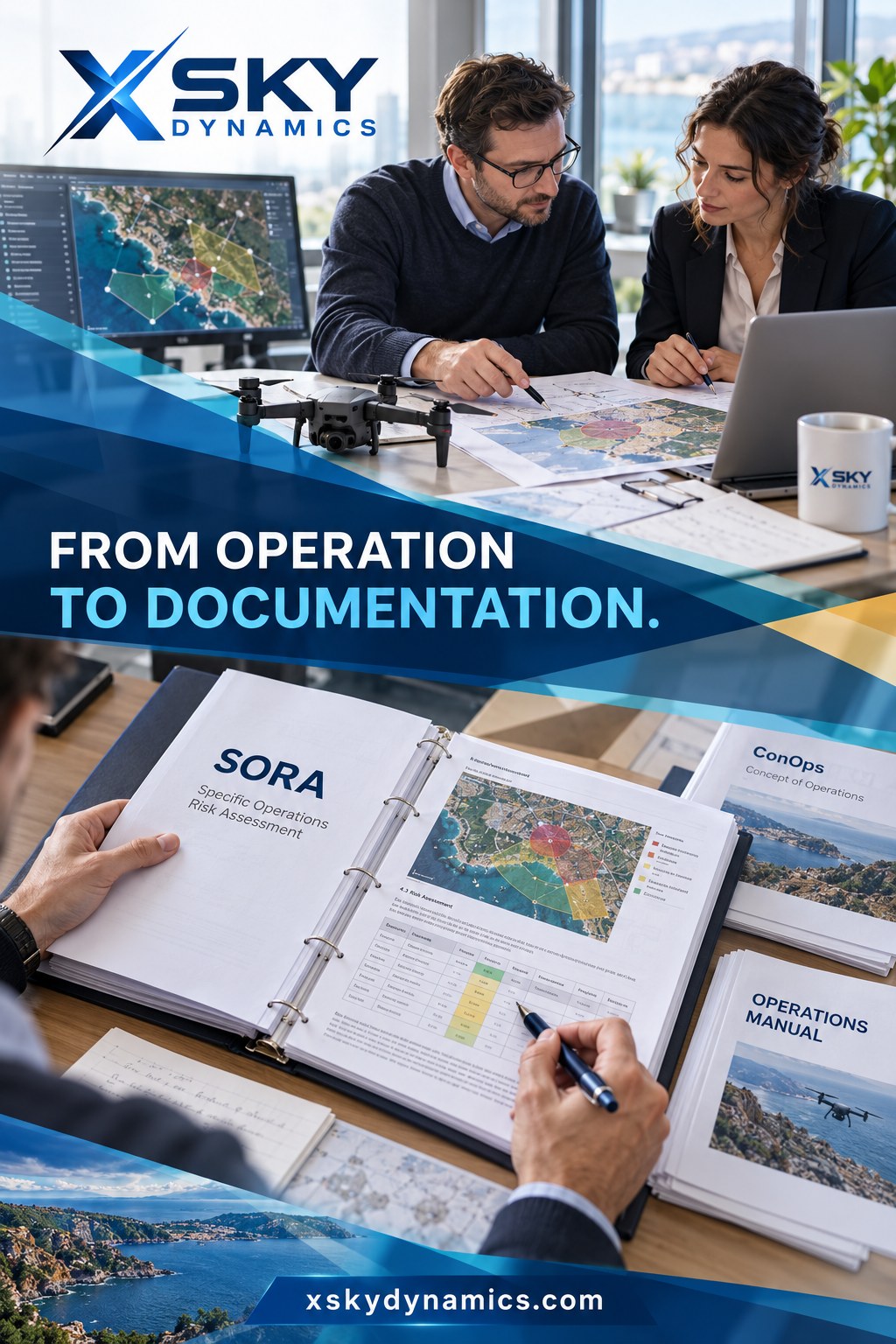
Specific Category & SORA Documentation
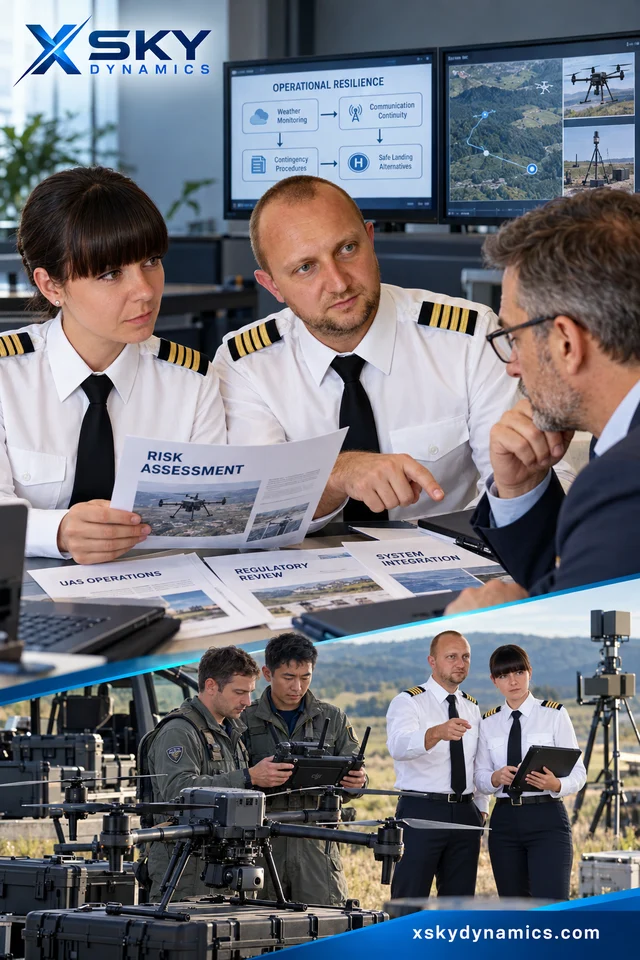
CONSULTING IN UNMANNED AVIATION DRONES, ANTI-DRONE SYSTEMS
Sales of Professional Drone systems
Cargo Transportation with Drones
Cargo Air Mobility Systems - Cargo UAV Aircraft
Air Taxis and eVTOL Systems
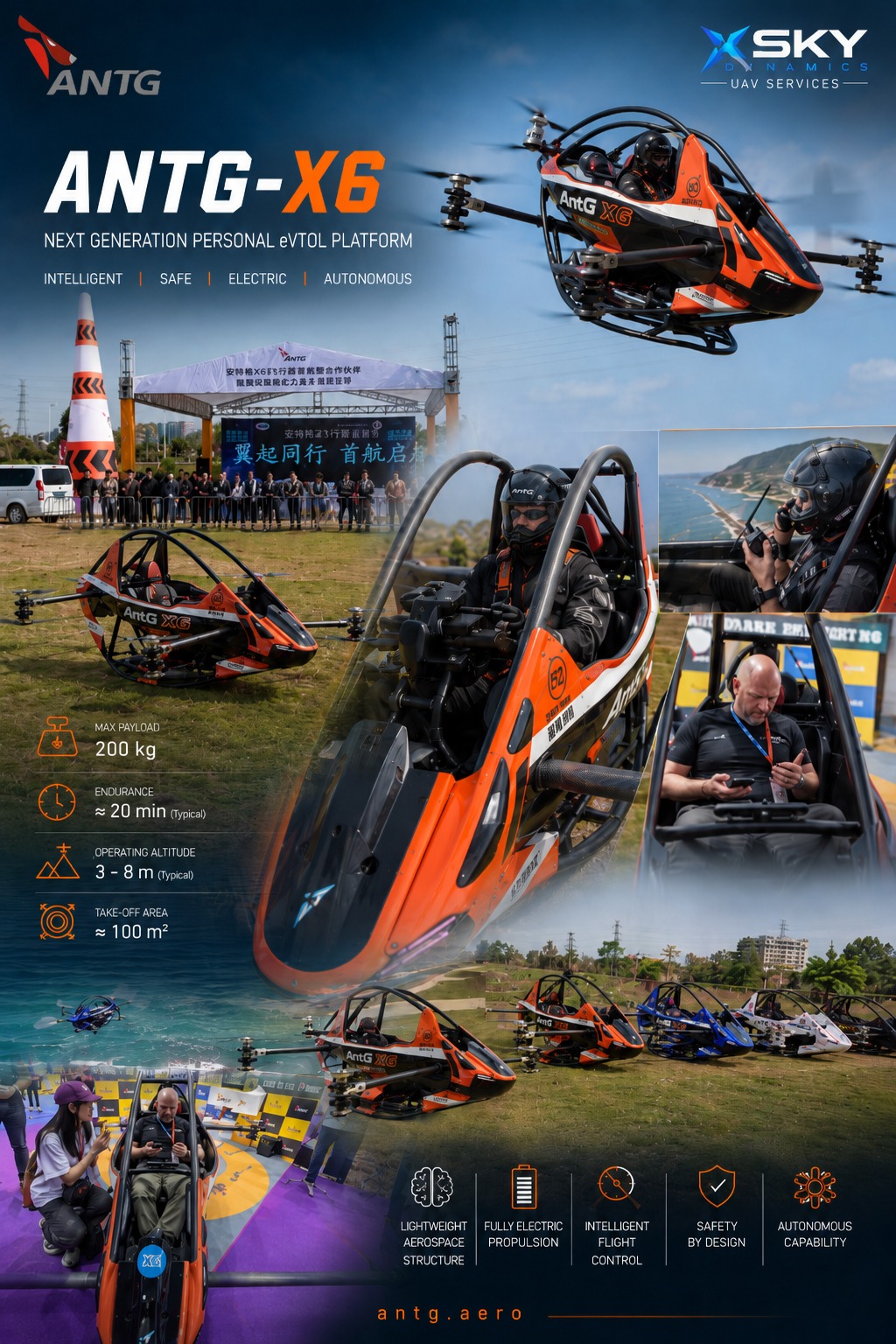
eVTOL Intelligent Ultra-Light Electric Aircrafts ANTG
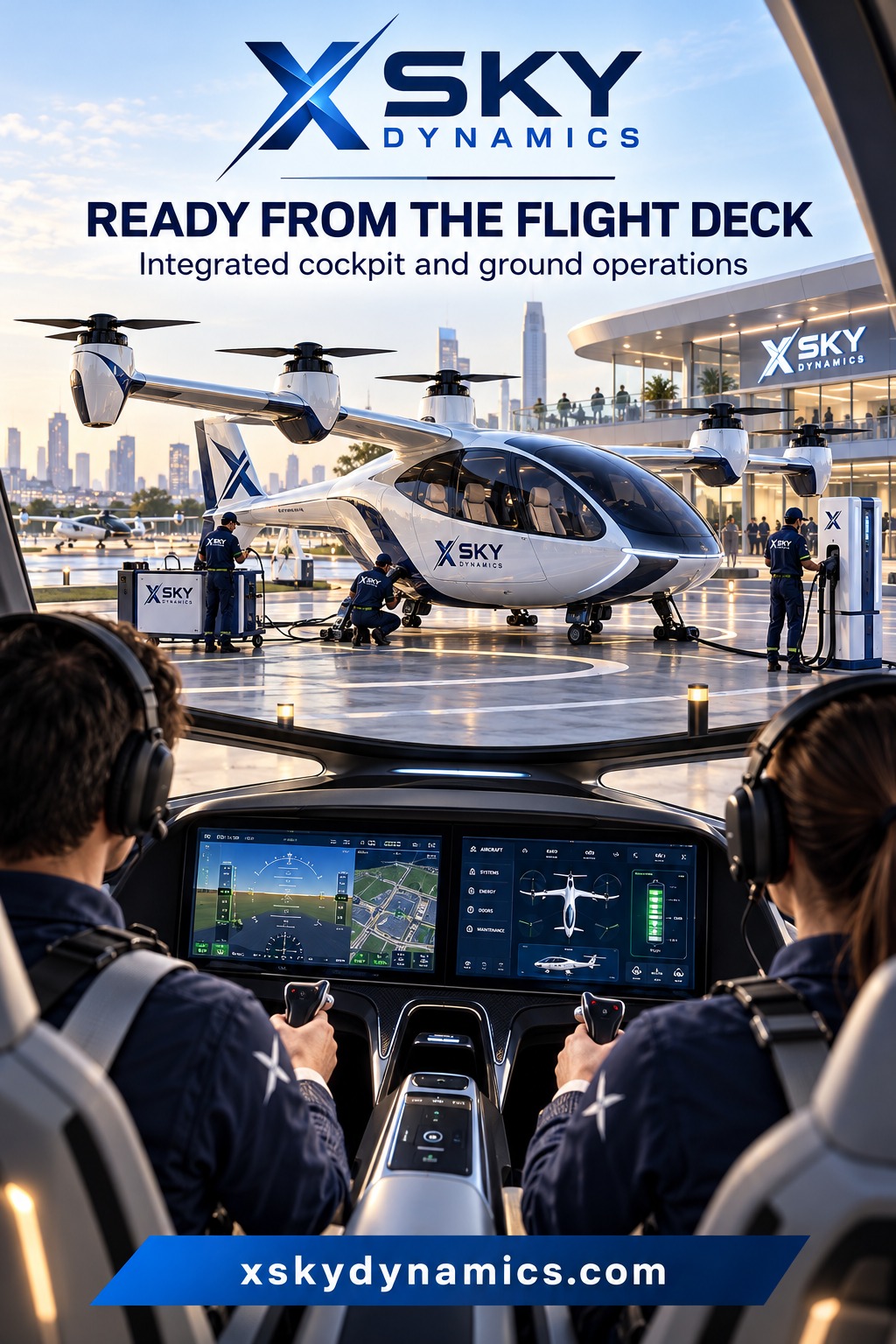
eVTOL Vertiports Infrastructure & Advanced Air Mobility
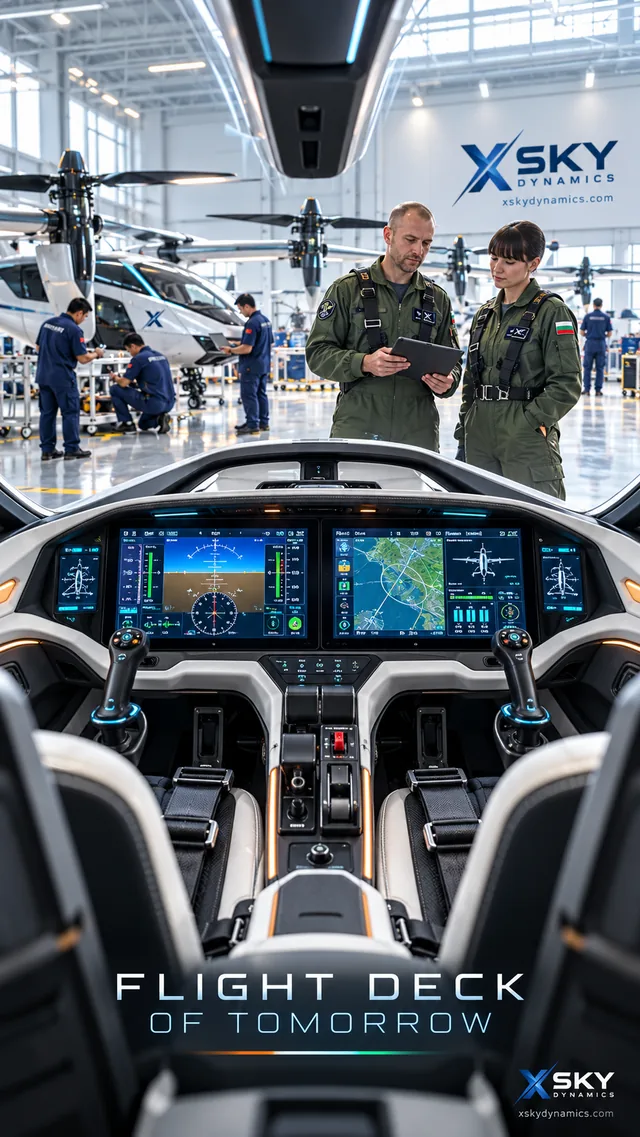
Drone eVTOL, Manufacturing and Manned Multirotor Platforms
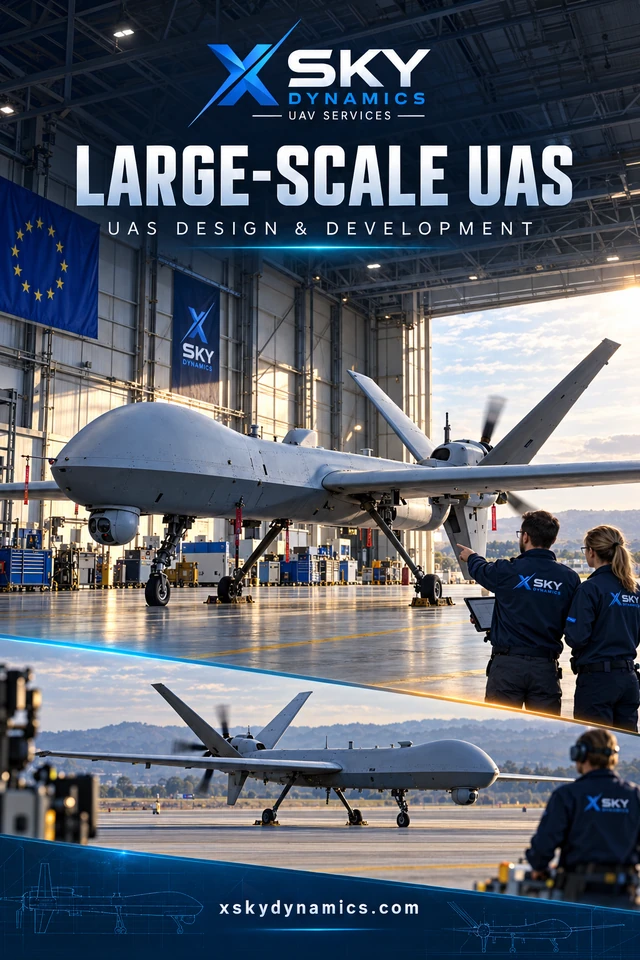
UAS Design, Engineering & Capabilities
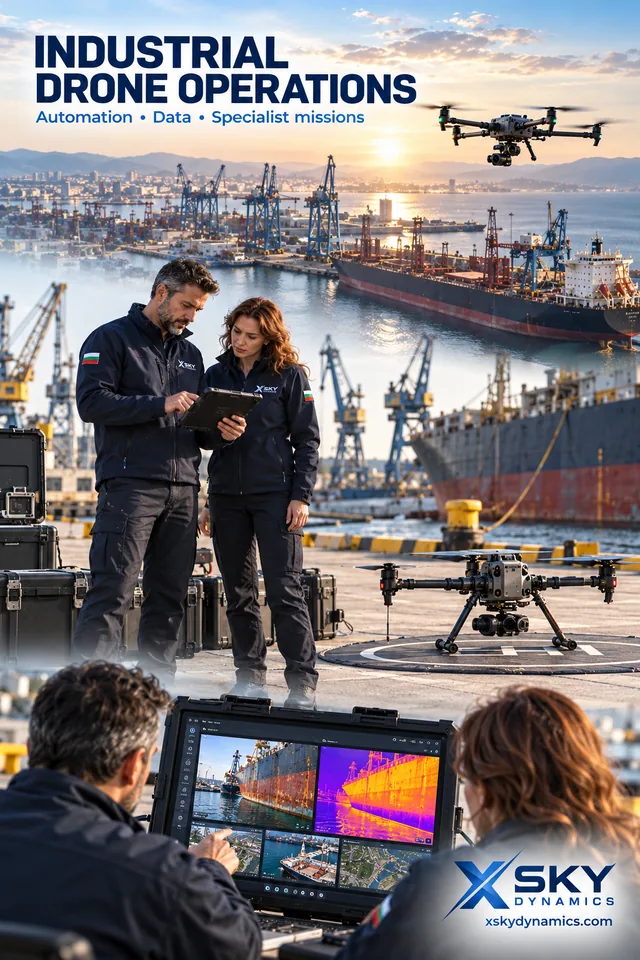
Innovative and High-Tech Drone Services
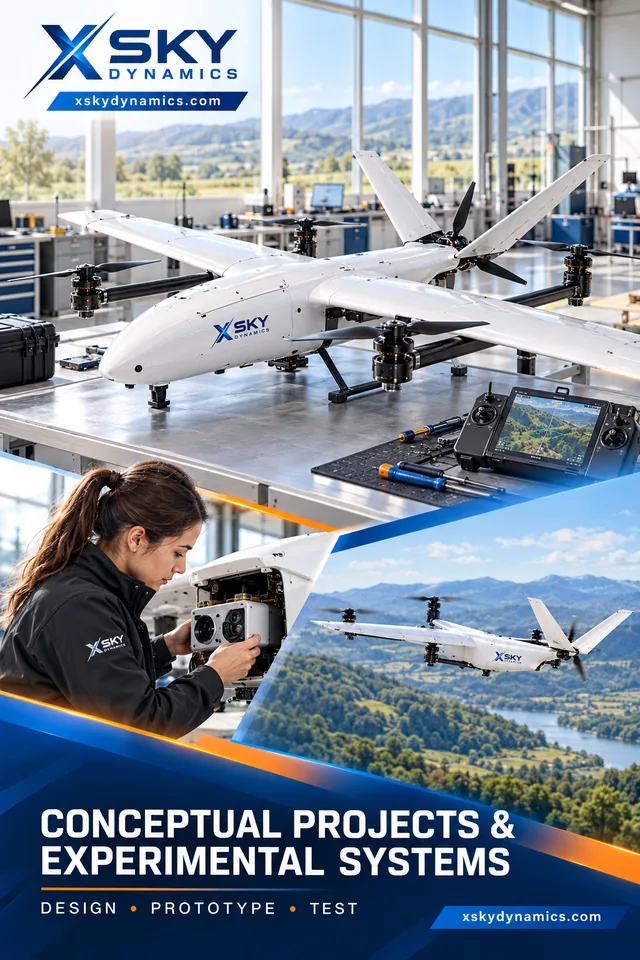
Concept Drone Projects & Experimental UAV
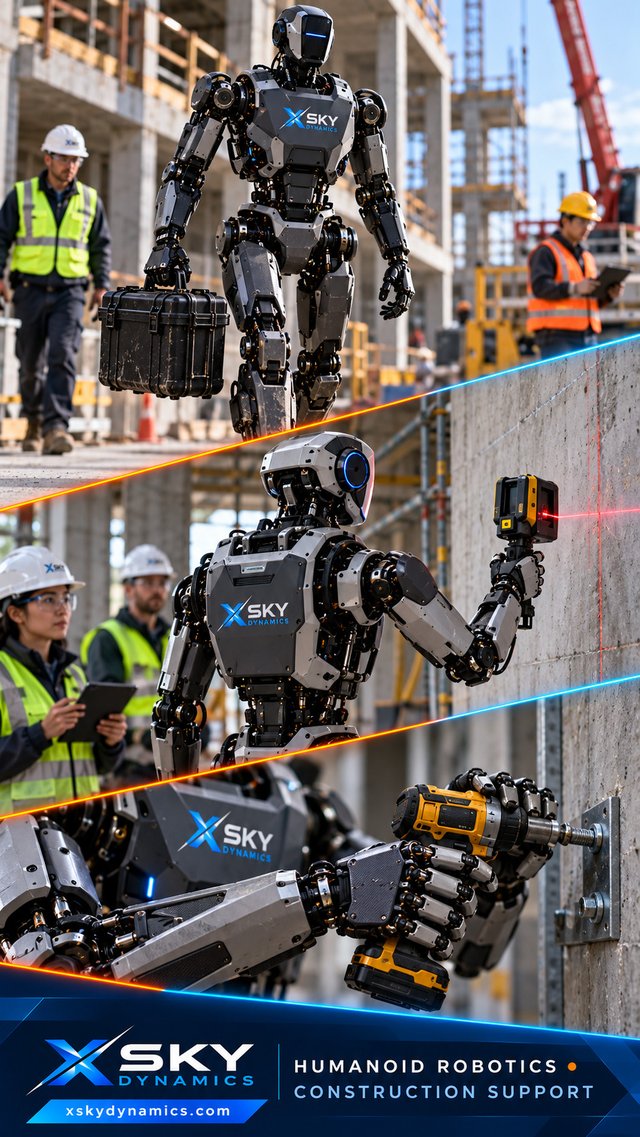
Robots and Autonomous Systems
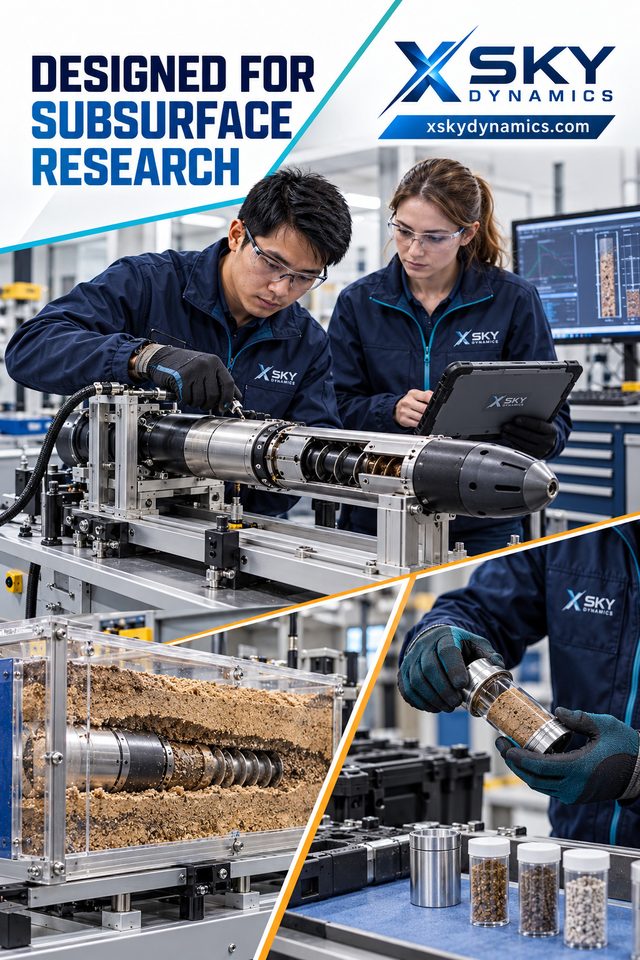
Robotic Probing Systems and Subsurface Technologies
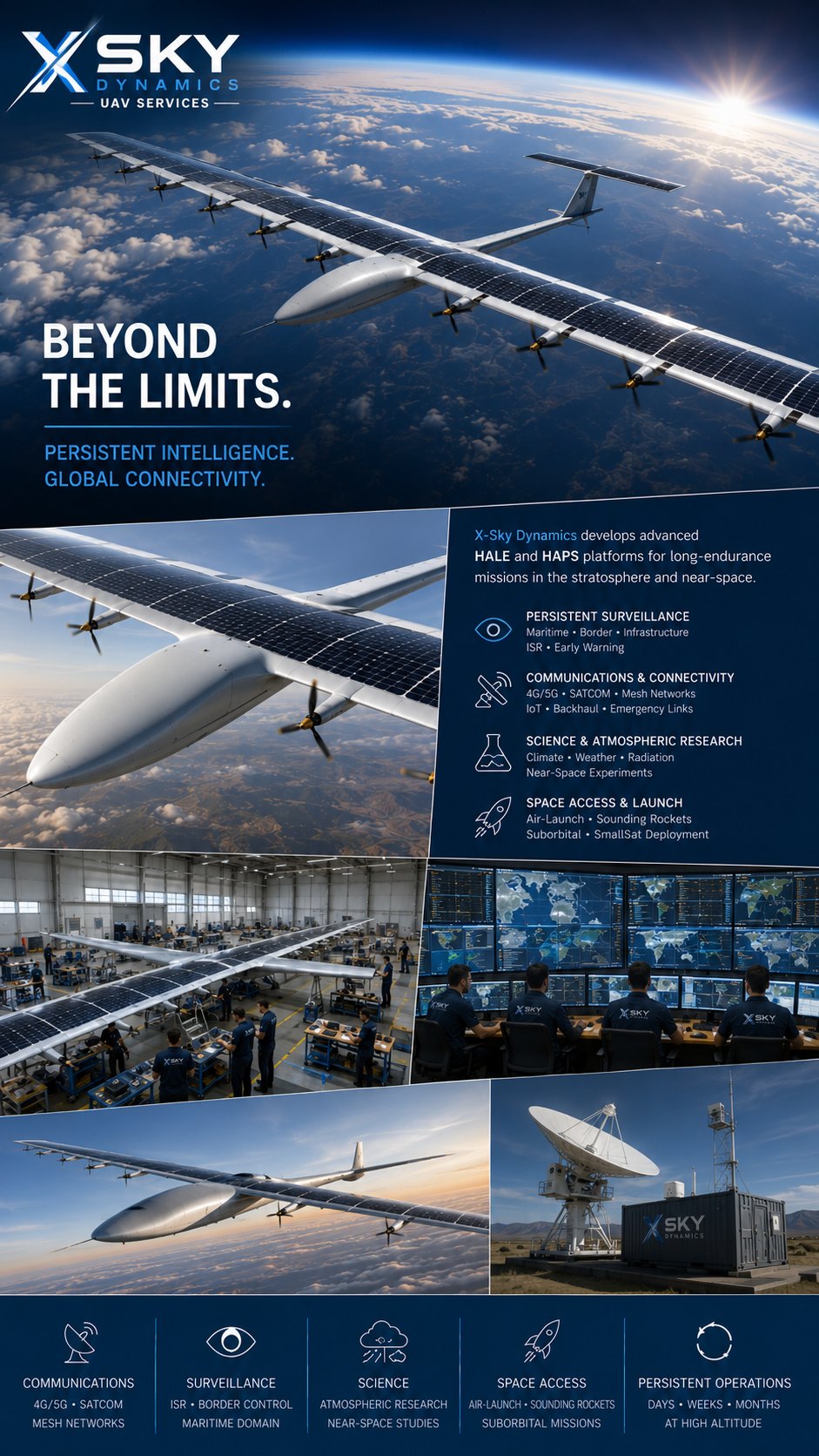
Solar & Hybrid Stratospheric Unmanned Platforms
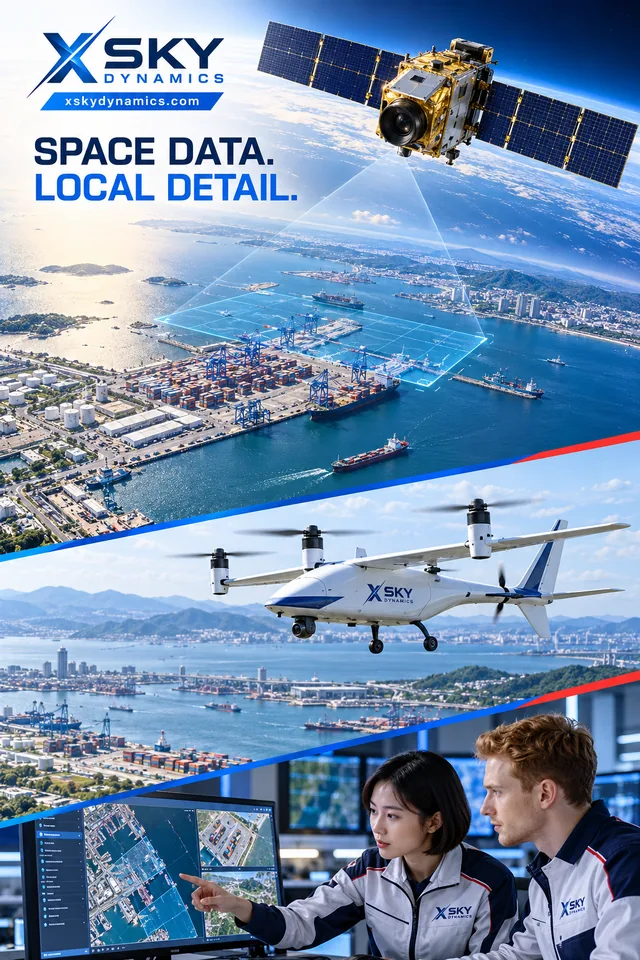
Satellite Imaging, Satellite Design and Integrated
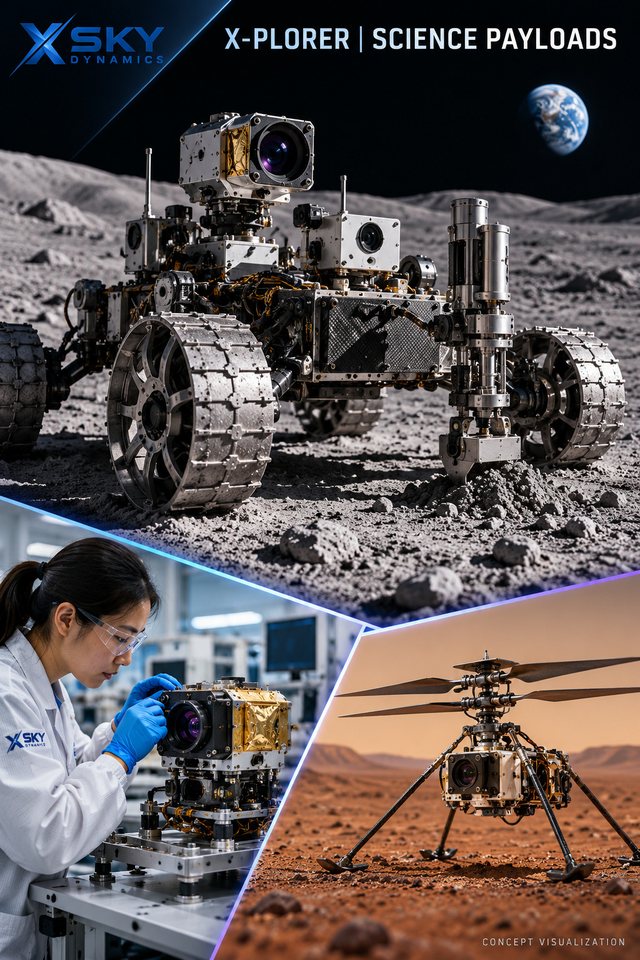
Space Drone systems SPACE X-PLORER SERIES

Space Agriculture, Agri-Systems for Extreme Environments
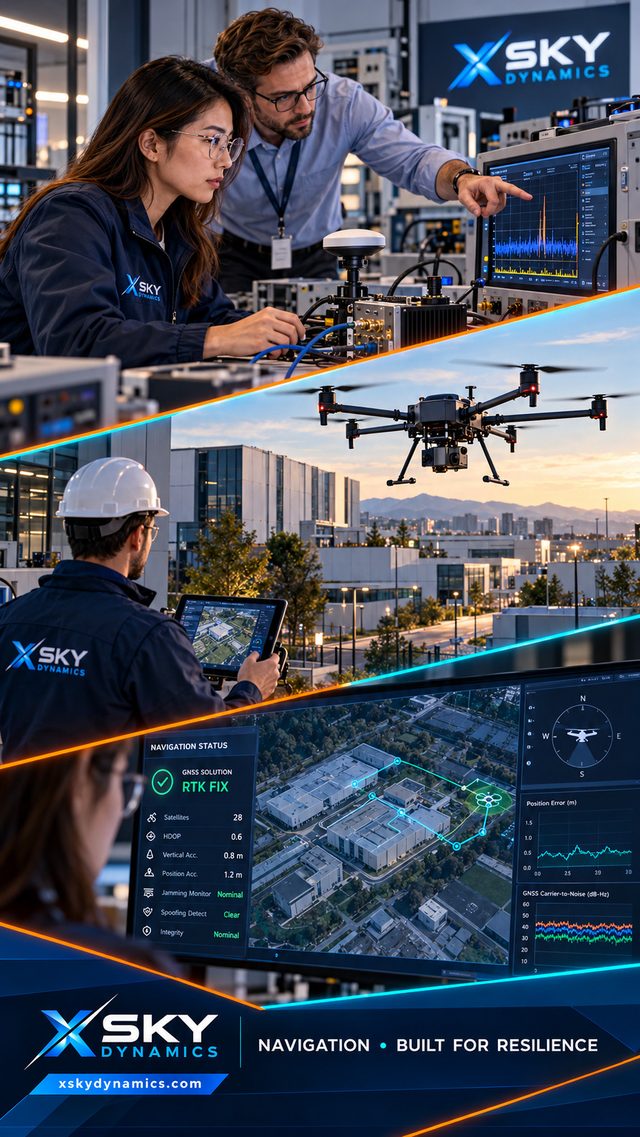
Cybersecurity and Protection of UAV and Autonomous Systems
Cybersecurity, Cyber Defence and Protection of Critical Infrastructure
Counter-UAS, Laser and Kinetic Systems
Maritime Counter-Drone Systems & Ship Protection
Next-Generation Systems for Real-Time Operational Management (C4ISR)
UAV – Drone Integration with Military

Remote Video Production

International Trade Facilitation

China ↔ EU Marketing