


 WeCom / WeChat Business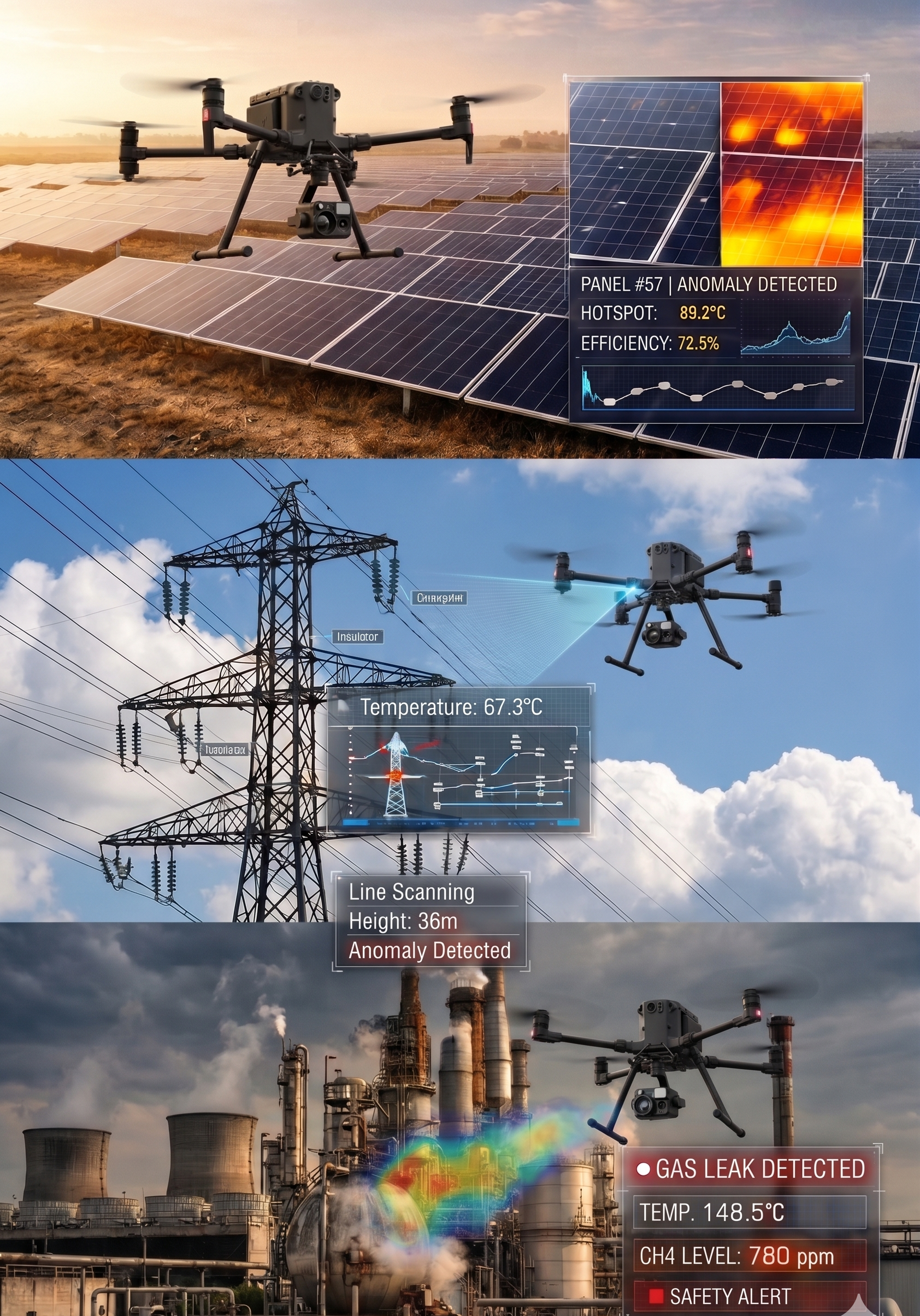
[ SERVICES / HEAVY-LIFT RESCUE DRONES ]
/ SERVICE #48
Heavy-Lift Rescue Drone Systems for Human Evacuation
X-Sky Dynamics designs, develops and integrates heavy-lift unmanned aircraft systems intended for the rapid access, assistance and evacuation of people from areas where access by land or water is impossible, dangerous or excessively slow.
/ 01
Aerial Rescue During Floods, Fires, Maritime Emergencies, Disasters and Operations in Hard-to-Reach Terrain
Design • Development • System Integration • Testing • Training • Operational Deployment X-Sky Dynamics designs, develops and integrates heavy-lift unmanned aircraft systems intended for the rapid access, assistance and evacuation of people from areas where access by land or water is impossible, dangerous or excessively slow. These platforms are structurally similar to industrial cargo drones, but they are specifically engineered for rescue missions in which the system must do more than deliver equipment. It must be capable of lifting, securing and transporting a person to a safe location. Depending on the specific mission, the system may be based on:
- hexacopter or octocopter configurations
- coaxial systems with two motors per arm
- multirotor platforms with distributed electric propulsion
- hybrid systems combining batteries and an electric generator
- hydrogen-electric propulsion configurations
- modular platforms with payload capacities ranging from approximately 120 kg to more than 400 kg
- specialized systems for operations over seas, rivers, flooded areas and industrial sites.
The rescue configuration may include an electric winch, external lifting system, rescue harness, stretcher, floating rescue capsule, self-inflating life raft, emergency line, loudspeaker, searchlights, thermal and optical imaging systems, communication equipment and sensors for operations in reduced visibility. X-Sky Dynamics develops the entire rescue system as an integrated solution in which the aircraft platform, propulsion system, energy reserve, winch, rescue equipment, sensors, communications, command centre and operational procedures function together as a single architecture.
A New Aerial Tool for Emergency and Rescue Operations
Traditional small rescue drones are primarily used for locating people and delivering life jackets, radios, ropes, medical kits or emergency supplies. Heavy-lift systems introduce a new operational capability: the physical extraction of a person from a hazardous area. These platforms are not intended to replace rescue helicopters, boats or ground teams. Instead, they provide a rapid first-response capability or an additional rescue option in situations where:
- a rescue helicopter cannot arrive in time
- no suitable landing area or safe hover position is available
- the available hover area is too confined or hazardous due to rotor wash and aerodynamic turbulence
- a rescue boat cannot pass through debris, strong currents or shallow water
- the shoreline is steep, rocky or inaccessible
- roads and bridges have been destroyed
- the area is flooded, contaminated or unsafe for rescue personnel
- the mission requires immediate access to the casualty
- surveillance, communication, equipment delivery and evacuation must be performed simultaneously.
The deployment of one or more heavy-lift unmanned platforms can significantly reduce the time between the initial detection of an incident and the delivery of effective assistance. During a large-scale disaster, a coordinated group of systems may operate together. Some drones may conduct search and situational assessment, others may deliver equipment, while the heavy-lift platforms perform lifting and evacuation tasks.
Primary Operational Scenarios
/ 02
Flood Evacuation
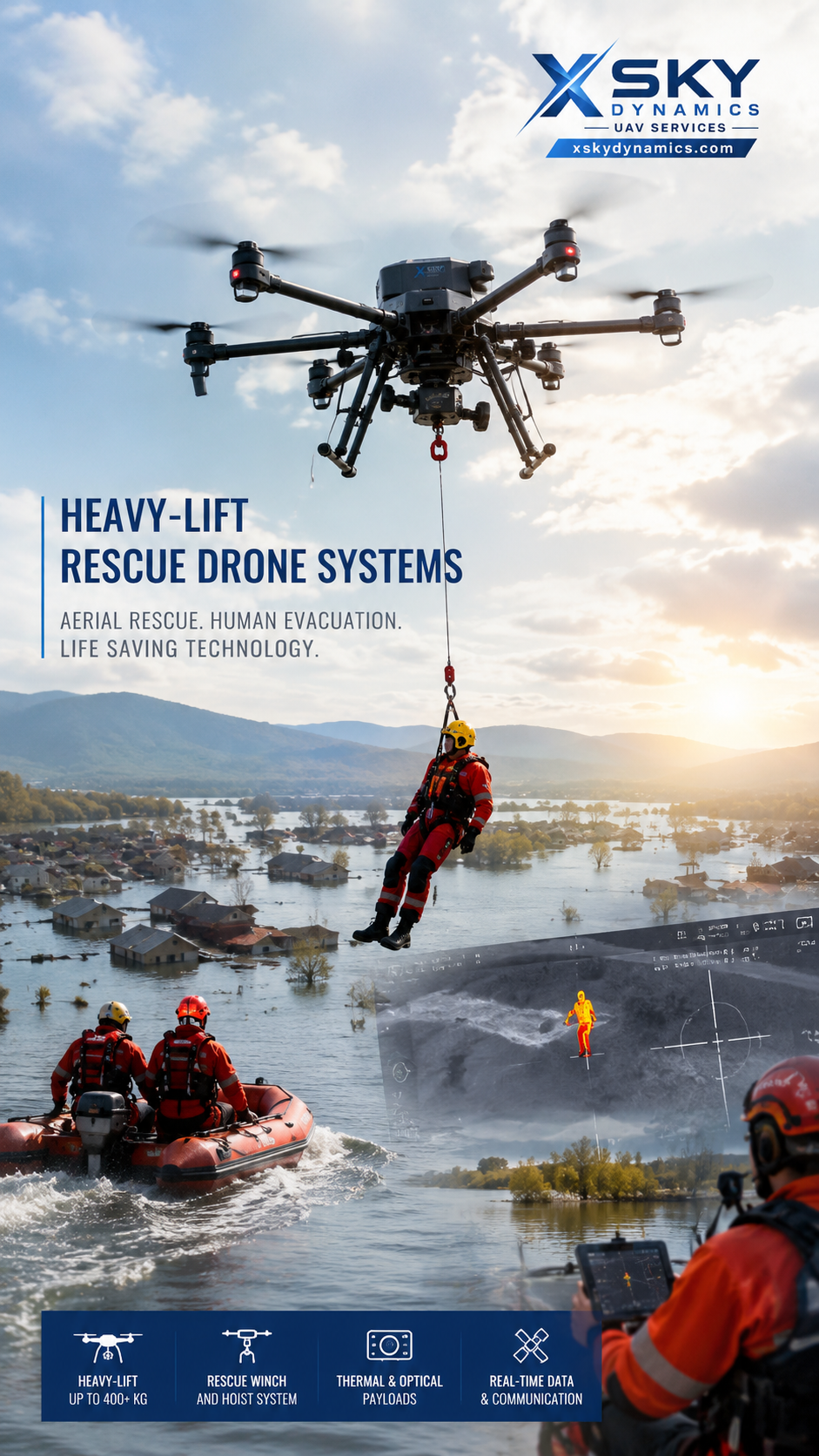
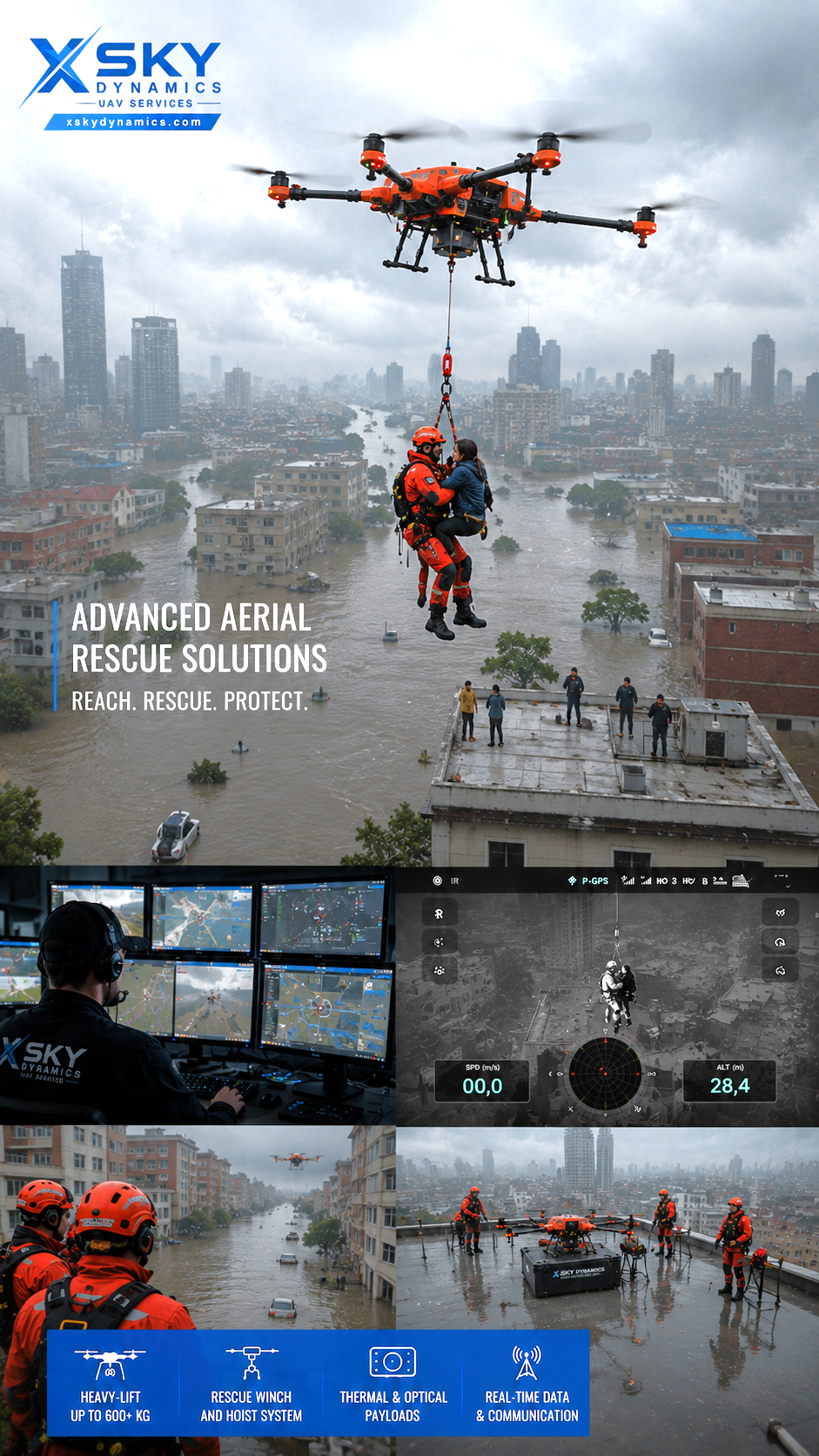
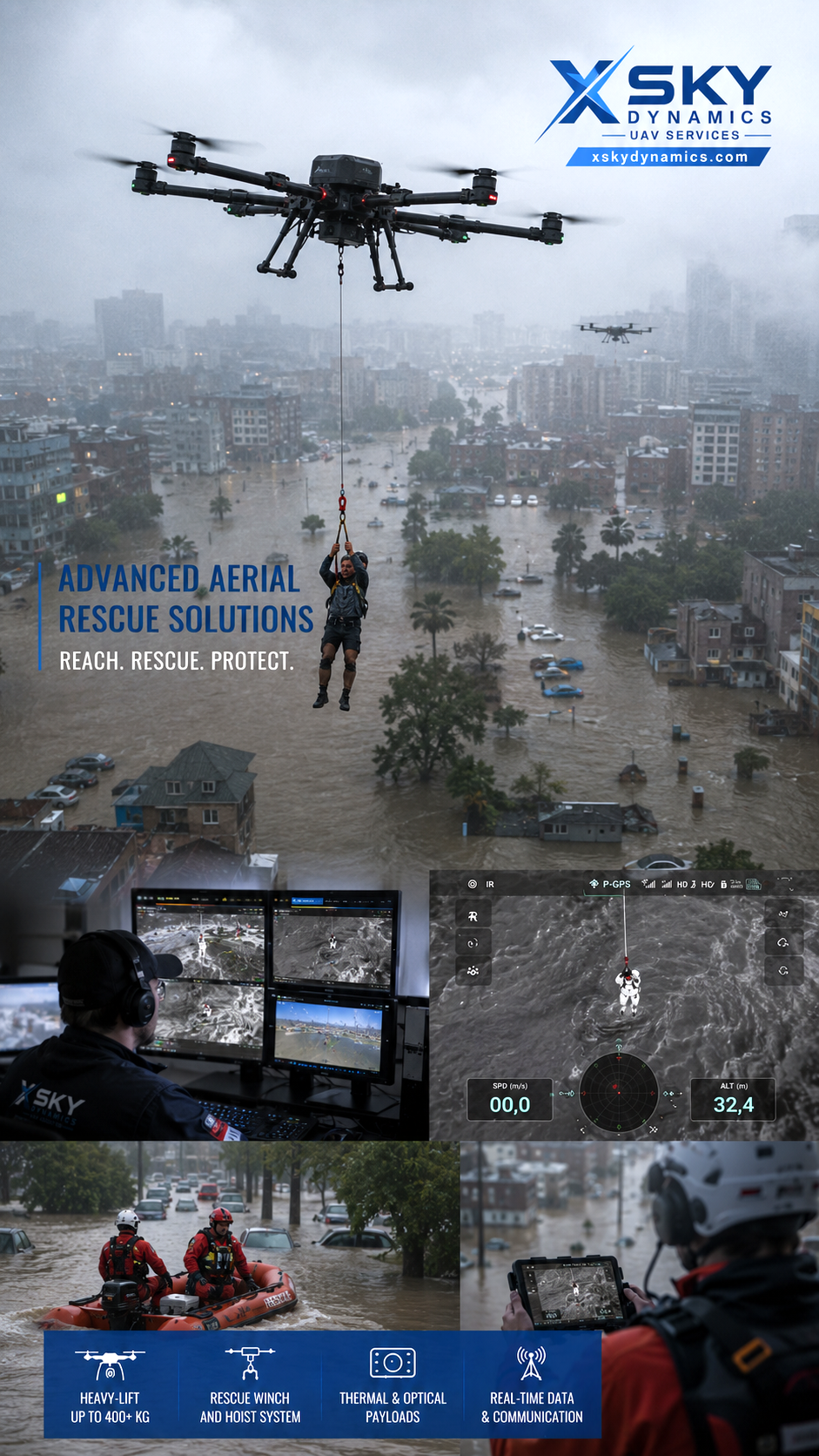
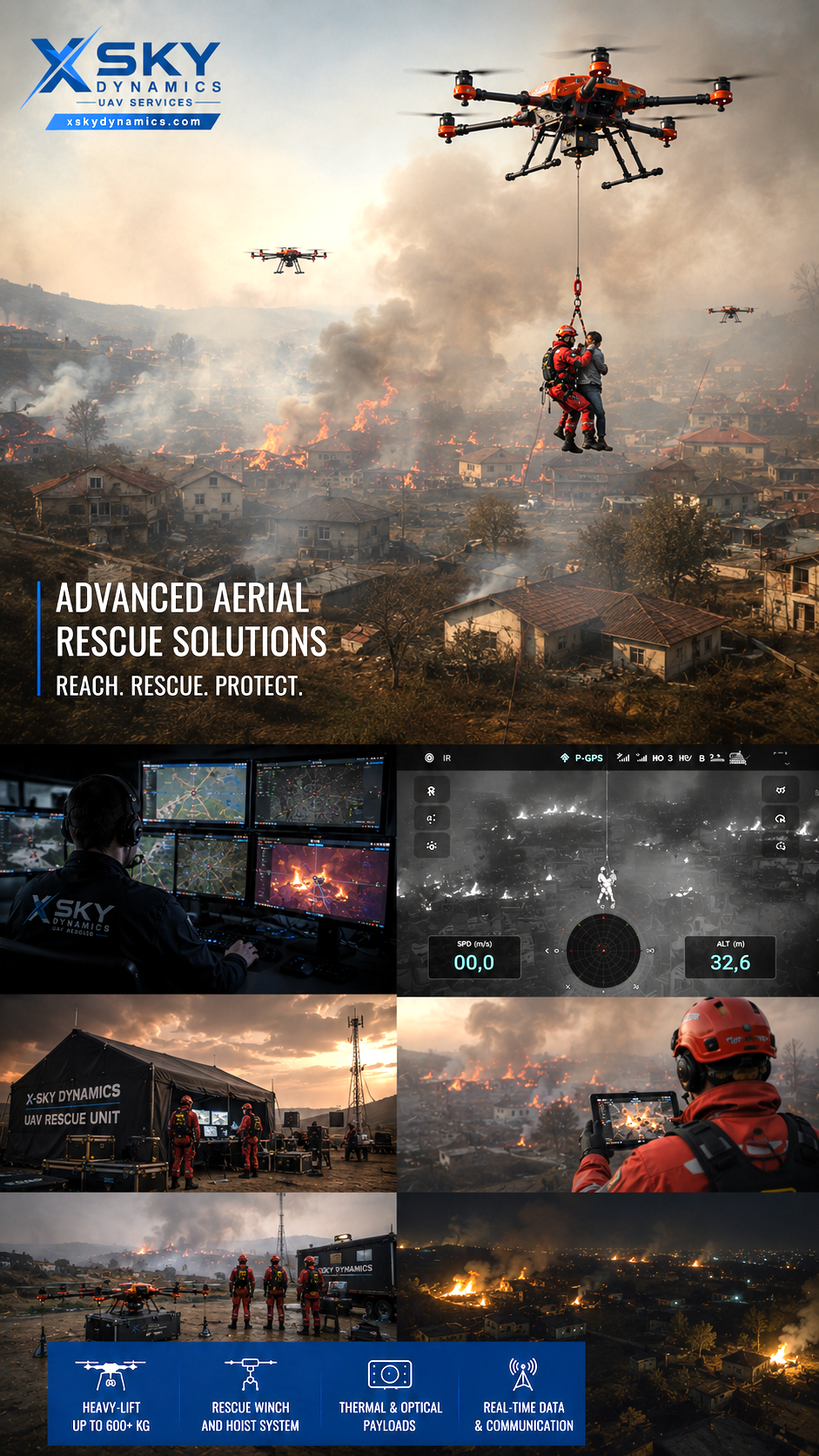
During sudden floods, people may become trapped on rooftops, vehicles, trees, bridge structures, small islands or isolated areas that remain above the water. In such a scenario, a system developed by X-Sky Dynamics may:
- perform rapid aerial reconnaissance
- detect people using daylight and thermal imaging cameras
- assess the strength and direction of the water current
- establish communication with the casualty
- deliver a rescue belt, rope or flotation device
- lower an automated or semi-automated rescue harness
- lift the person clear of the water
- transport the casualty to a rooftop, shoreline, boat or pre-designated safe area
- transmit live video and telemetry to the rescue command centre
- mark and record the locations of other casualties.
In strong currents, the drone may first deploy a flotation device or safety line before the lifting operation begins. For conscious casualties, systems may be developed that allow the person to fit the rescue harness independently while following instructions transmitted through an onboard loudspeaker. For unconscious or severely injured casualties, a different configuration is required. This may involve the participation of a rescue specialist, an automated lifting system or a purpose-built rescue stretcher.
Maritime Rescue
When a person falls overboard, following a shipwreck, a capsized boat or a vessel emergency, response time becomes the most critical factor affecting survival. A heavy-lift rescue system can be deployed from:
- ports and harbors
- coastal rescue stations
- onboard commercial or naval vessels
- offshore platforms
- mobile container-based rescue units
- coastal areas with high maritime traffic.
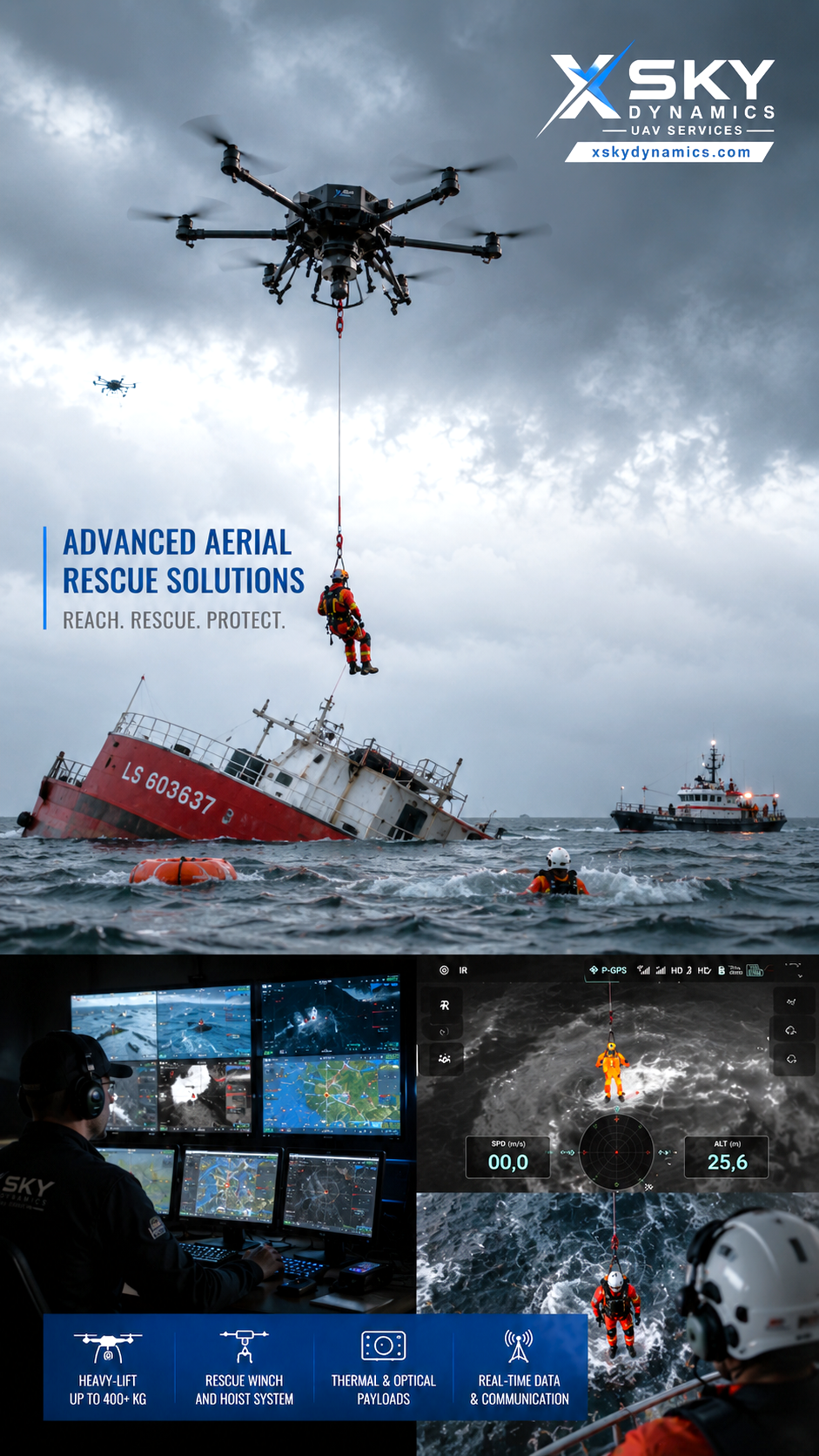
The mission may begin by locating the casualty and delivering a life jacket, rescue buoy, emergency beacon or self-inflating life raft. Once stable communication has been established, the platform can deploy a rescue harness and perform a controlled extraction from the water. The casualty may then be transported to a nearby vessel, rescue boat, floating pontoon or a designated safe location ashore. This capability is particularly valuable in cold-water environments, where every minute has a direct impact on survival. For maritime operations, X-Sky Dynamics develops mission-specific configurations with enhanced protection against saltwater corrosion, sea spray, strong winds and continuously changing hover heights above waves.
Evacuation from Rocky or Inaccessible Coastlines
/ 03
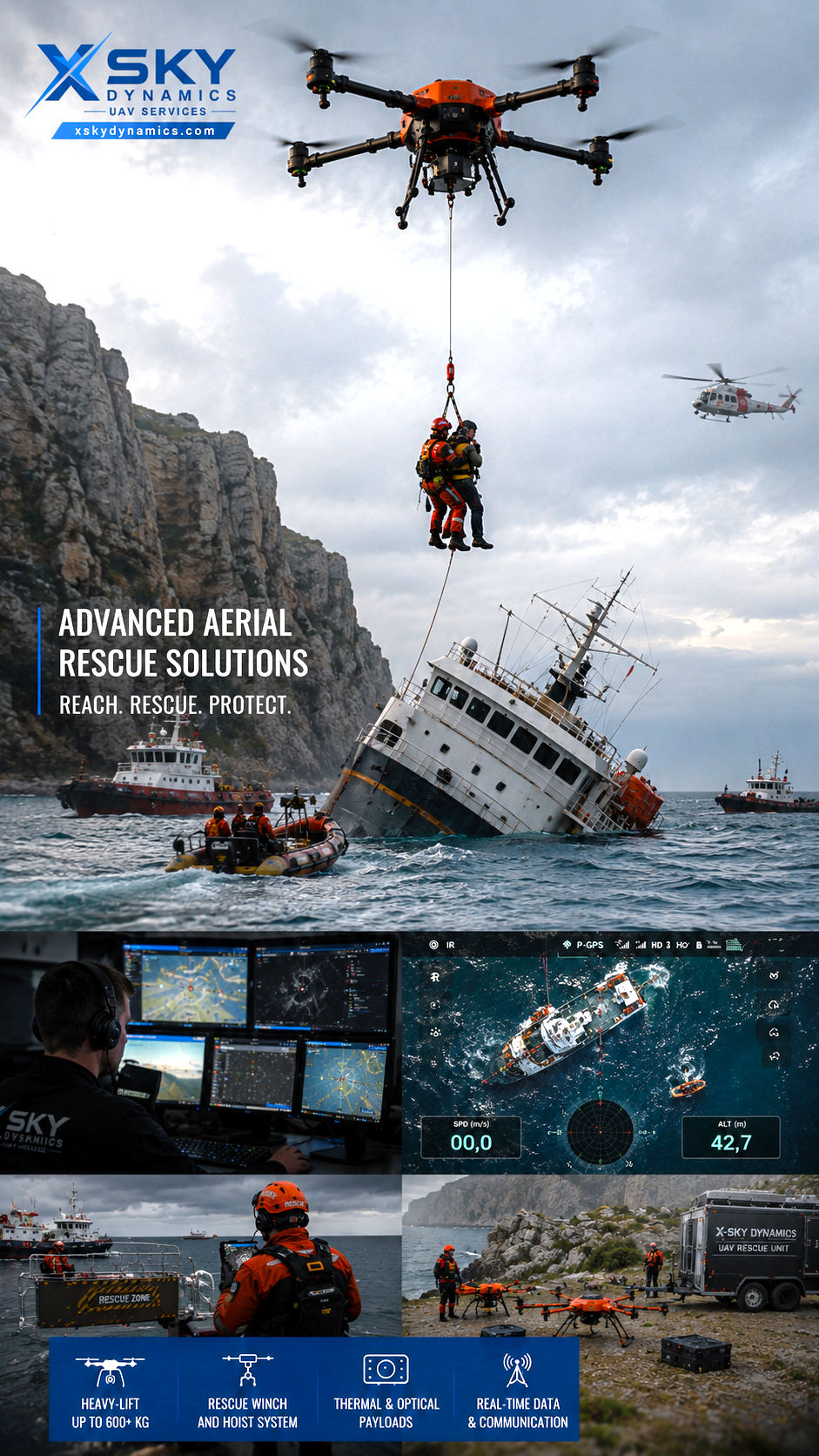
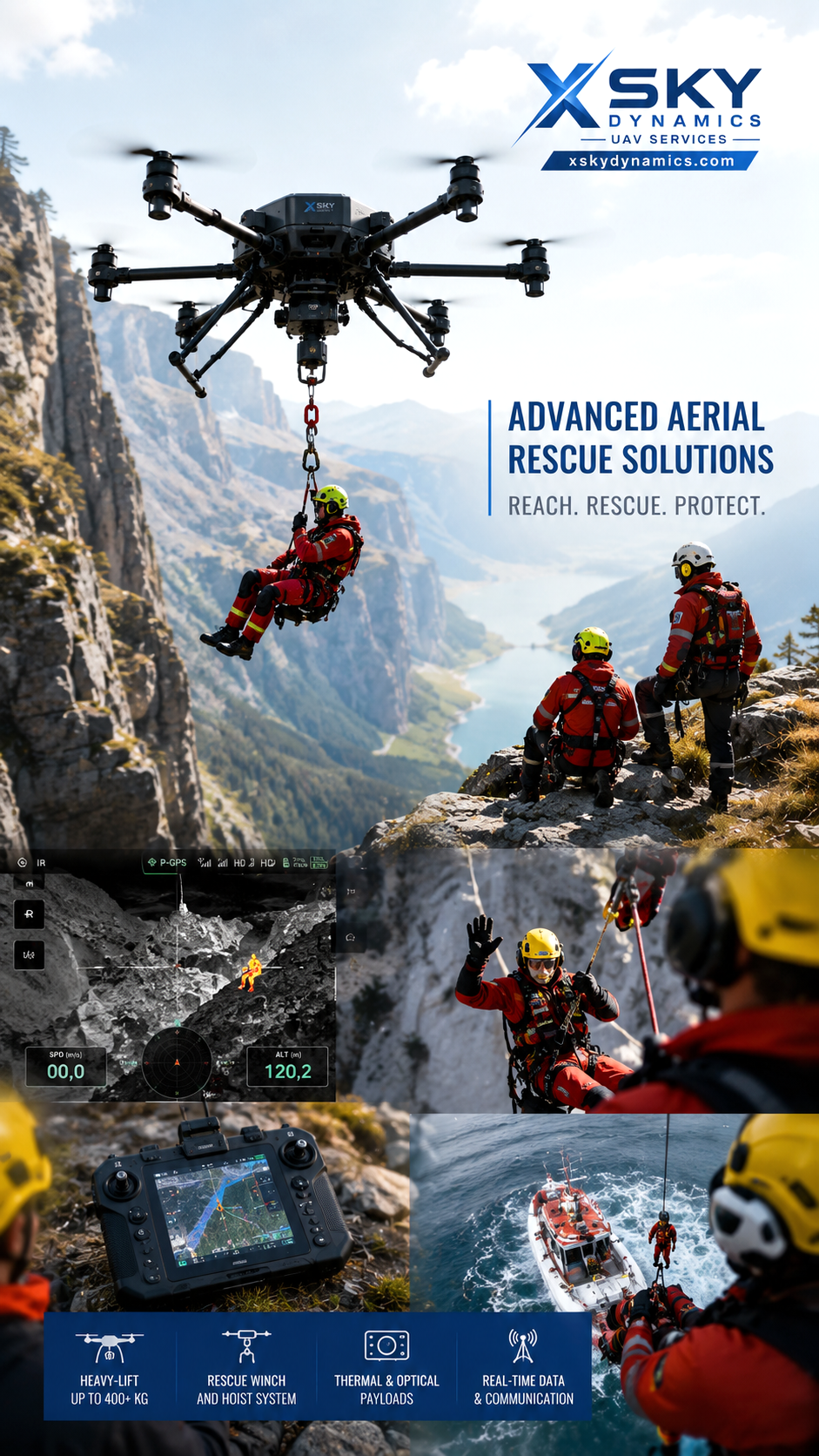
Following a shipwreck or capsized vessel, survivors may reach steep cliffs, narrow beaches or coastal areas inaccessible to conventional rescue vehicles. In these situations, the platform may:
- assess the condition of casualties
- deliver communication and medical equipment
- lower rescue ropes or harnesses
- provide nighttime illumination
- extract a person from cliffs or confined terrain
- transport casualties to a safe location
- support rescue teams operating from land, sea or air.
For complex rescue scenarios, the system may also be configured to transport a rescuer or medical specialist to locations where no other safe access is available, subject to operational requirements and applicable regulations.
Earthquakes, Landslides and Destroyed Infrastructure
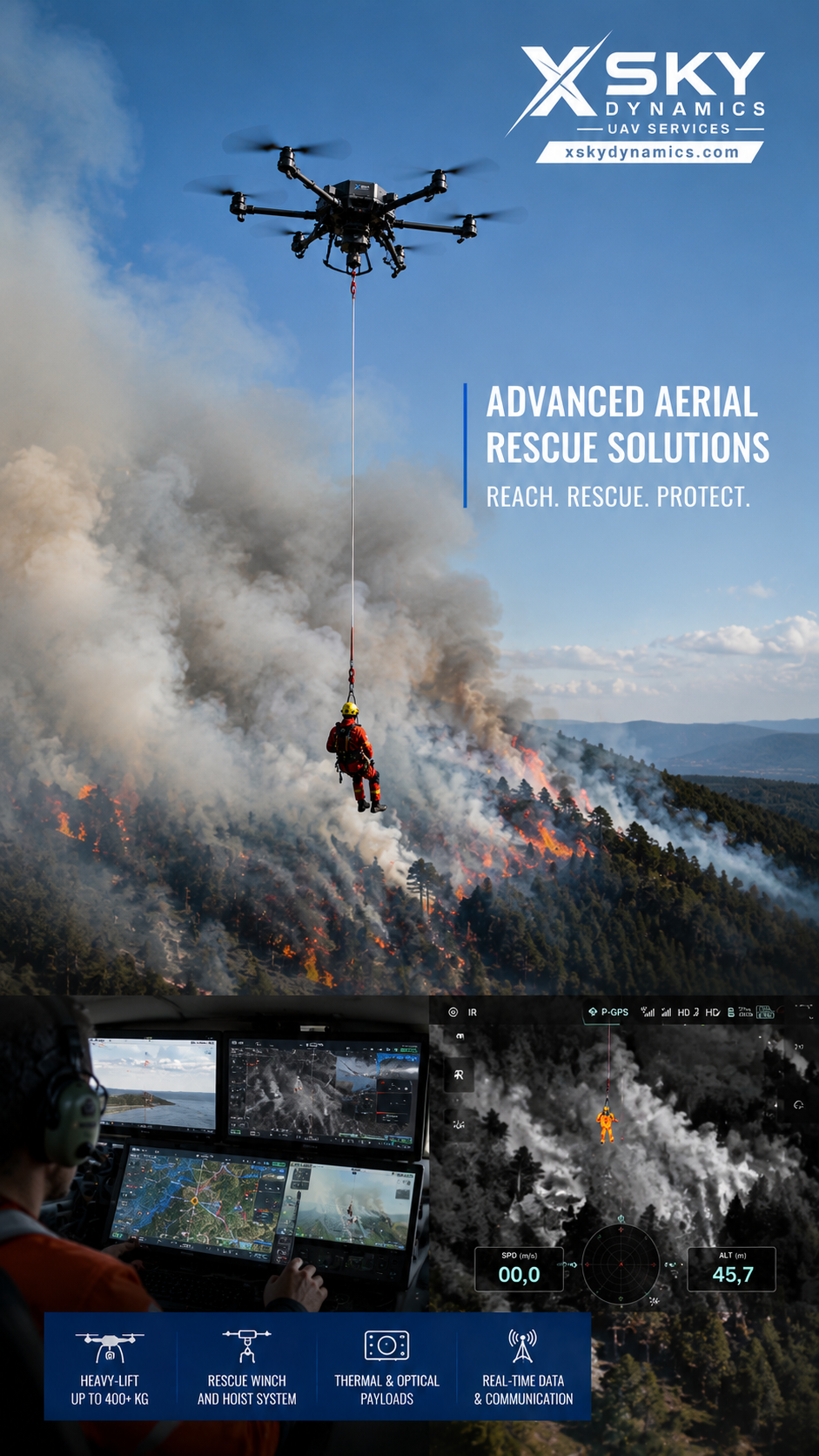
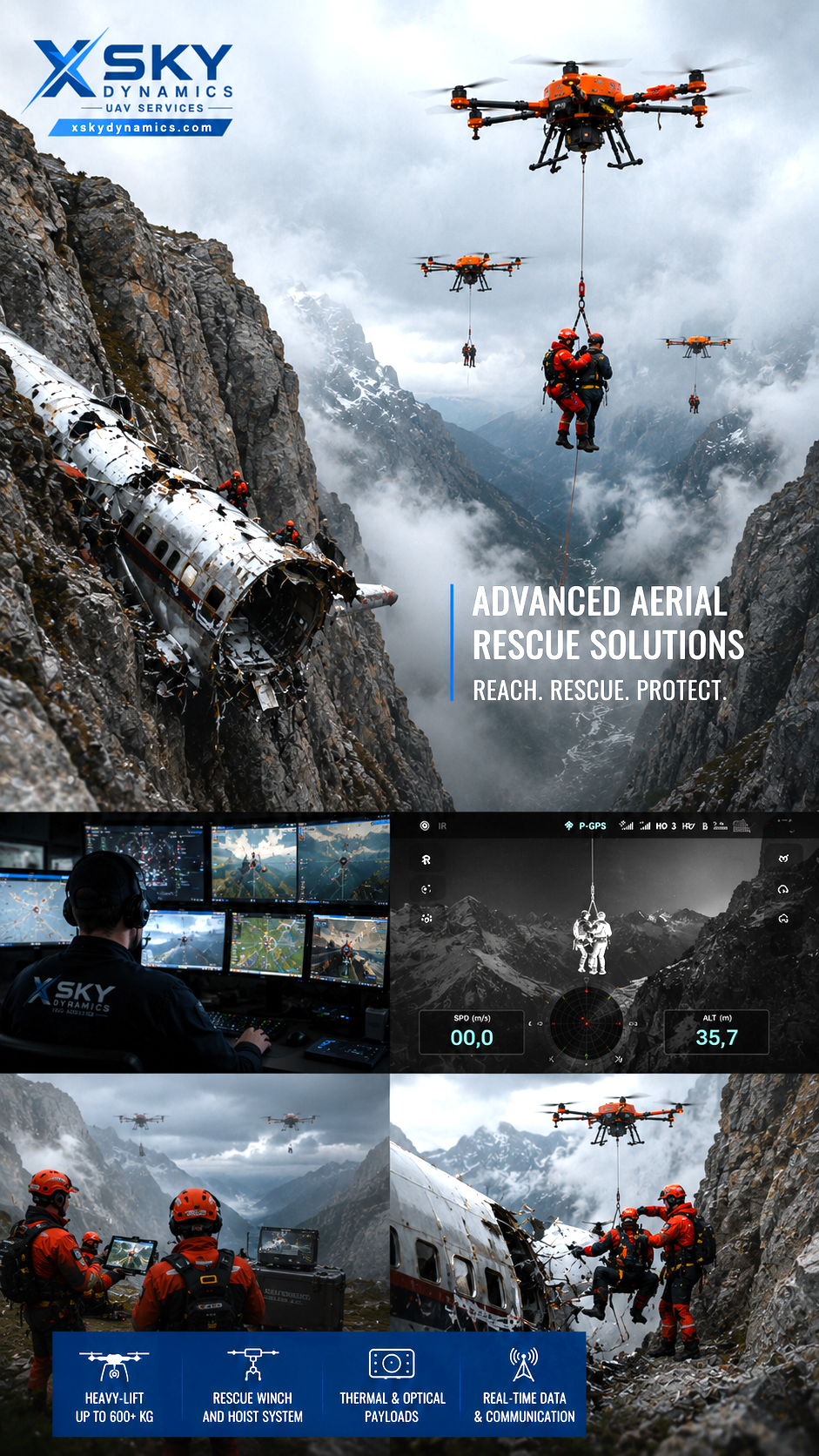
Following earthquakes, landslides, industrial accidents or the collapse of roads and bridges, entire areas may become isolated from conventional rescue resources. Platforms developed by X-Sky Dynamics can be configured for:
- access to rooftops and elevated structures
- delivery of medical supplies, oxygen and drinking water
- transportation of rescue equipment
- deployment of ropes and climbing systems
- extraction of casualties from hazardous locations
- stretcher-assisted evacuation
- deployment of communication and monitoring equipment
- support of rescue teams operating in structurally unstable environments.
The use of an unmanned system allows immediate assistance to be delivered without exposing rescue personnel to the risks associated with secondary collapses, unstable debris or additional landslides.
Industrial and Offshore Emergency Response
Heavy-lift rescue UAV systems can also be engineered for operations around:
- oil and gas platforms
- commercial vessels and shipyards
- ports and cargo terminals
- dams
- hydroelectric power stations
- high-voltage transmission lines
- towers and industrial chimneys
- chemical and industrial facilities
- areas contaminated by toxic gases
- fire or explosion hazard zones.
/ 04
In these scenarios, the platform may deliver breathing apparatus, protective equipment, medical supplies or rescue lifting systems. Where toxic atmospheres or fire hazards are present, the system can first perform thermal, visual and gas-detection surveys before an evacuation decision is made.
Heavy-Lift Rescue Platform Architecture
Multirotor Configuration
Depending on the required payload capacity, operational range, altitude and environmental conditions, X-Sky Dynamics can develop various platform configurations, including:
- Hexacopter systems
- conventional octocopters
- coaxial octocopters with four arms
- platforms equipped with more than eight propulsion units
- modular and foldable airframes
- battery-electric propulsion systems
- hybrid generator-assisted propulsion
- hydrogen-electric power systems
- hybrid multirotor/fixed-wing configurations.
Coaxial architectures provide high thrust while maintaining compact overall dimensions. Conventional octocopter configurations offer increased rotor separation and a more balanced thrust distribution. Platform selection is determined not only by payload capacity but also through a detailed engineering analysis that includes:
- casualty weight
- weight of the winch and rescue equipment
- required energy reserve
- hover endurance
- wind conditions
- ambient temperature
- operating altitude
- mission distance
- emergency landing capability
- available maneuvering space.
Propulsion and Redundancy
For aircraft intended to lift and transport a person, system redundancy becomes one of the highest engineering priorities. The platform architecture may incorporate:
- independent electric propulsion units
- separate motor controllers
- segmented battery systems
- isolation of damaged power modules
- redundant flight computers
- independent navigation systems
- multiple communication links
- continuous propulsion diagnostics
- monitoring of temperature, vibration and electrical load
- automatic thrust redistribution
- emergency flight modes capable of reaching the nearest safe landing area.
/ 05
The capability to continue flight after a component failure cannot be assumed solely from theoretical specifications. It must be demonstrated through engineering simulations, ground testing, ballast flights and a progressive flight test programme.
Rescue Winch System
The rescue winch forms the primary mechanical interface between the aircraft and the casualty. Depending on mission requirements, it may include:
- electrically powered deployment and retrieval
- variable speed control
- automatic braking
- mechanical emergency brake
- load monitoring
- maximum load limitation
- anti-twist cable protection
- remotely operated rescue hook
- automatic locking mechanisms
- downward-facing rescue camera
- integrated searchlight
- two-way audio communication
- emergency release mechanism
- payload swing suppression system.
Cable length is determined according to the operational environment. Longer cables allow the aircraft to remain safely above waves, trees, structures or hazardous obstacles, while increasing the complexity of payload dynamics and flight control.
Sensors and Casualty Detection
Heavy-lift rescue platforms developed by X-Sky Dynamics can integrate a wide range of sensors, allowing operators to assess the situation, locate casualties and support rescue decision-making in real time. Available payload configurations may include:
- high-resolution daylight cameras
- optical zoom cameras
- thermal imaging systems
- laser rangefinders
- LiDAR scanners
- compact radar systems
- GNSS and inertial navigation
- onboard weather sensors
- AIS and ADS-B receivers
- high-intensity searchlights
- infrared illumination
- loudspeakers and microphones
- gas detection sensors
- emergency locator beacon receivers.
AI-assisted processing can support the automatic identification of:
- people in the water
- heads or limbs above the water surface
- life jackets and flotation devices
- capsized boats
- movement on rooftops
- casualties trapped among debris
- heat signatures during night operations
- groups of survivors.
/ 06
Artificial intelligence is intended to support the operator by improving situational awareness and reducing search time. Final operational decisions remain under human supervision.
Multi-UAV Rescue Operations
During large-scale floods, maritime incidents or natural disasters, a single platform may not provide sufficient operational capacity. X-Sky Dynamics can develop coordinated multi-UAV rescue systems consisting of:
- reconnaissance drones
- heavy-lift evacuation platforms
- logistics drones for equipment delivery
- airborne communication relay systems
- aerial illumination platforms
- mapping and surveying UAVs
- medical supply drones
- mobile command and control centres.
Within a coordinated operation, one group of aircraft may conduct search and casualty classification while another performs equipment delivery or evacuation. Mission planning may include continuous aerial coverage through scheduled battery replacement, standby aircraft, rotating flight cycles and coordinated task allocation between multiple autonomous platforms.
Mobile Rescue System
The complete rescue solution can be deployed from:
- dedicated emergency response vehicles
- containerized command centres
- mobile trailers
- rescue vessels
- port facilities
- coastal rescue stations
- autonomous drone dock infrastructure
- temporary field operating bases.
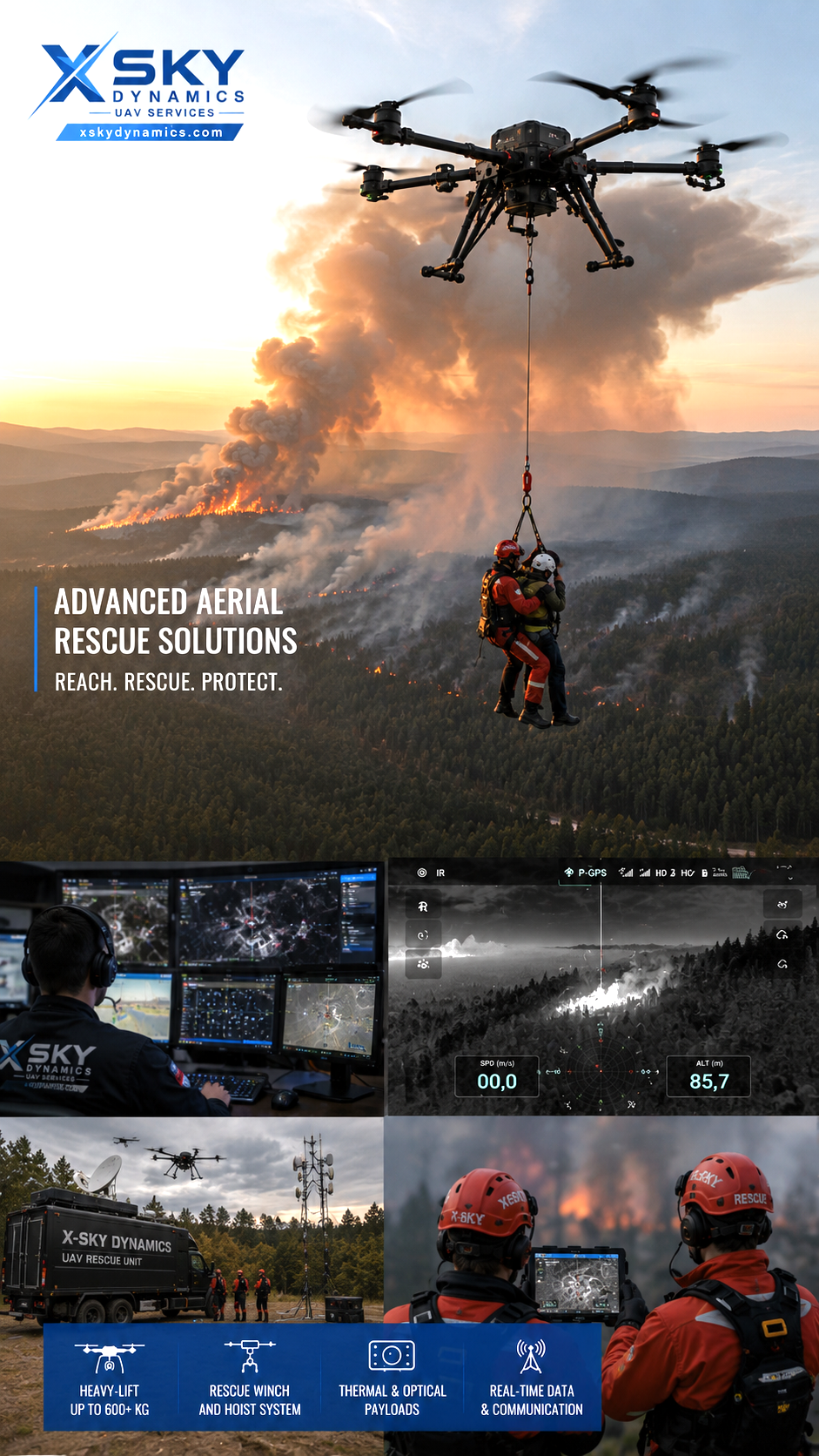
A complete mobile rescue complex may include:
- one or more heavy-lift UAV systems
- spare battery sets
- hybrid power generation units
- rapid charging stations
- rescue harnesses and stretchers
- communication equipment
- Starlink, LTE/5G or SATCOM connectivity
- portable weather stations
- operator workstations
- video and telemetry recording systems
- maintenance equipment
- spare propulsion components
- dedicated medical treatment area for rescued casualties.
/ 07
The modular architecture allows the system to be configured according to the operational requirements of civil protection agencies, fire and rescue services, maritime authorities, defence organizations or industrial emergency response teams.
Operational Safety
Lifting and transporting a person using an unmanned aircraft represents one of the most demanding categories of UAV operations and requires the highest level of engineering reliability and operational planning. During system development, X-Sky Dynamics performs comprehensive assessments of potential operational risks, including:
- propulsion system failure
- propeller failure
- communication loss
- GNSS degradation or loss
- spoofing and jamming
- battery malfunction or thermal runaway
- sudden wind changes
- suspended payload oscillation
- rescue cable entanglement
- collision with obstacles
- incorrect harness attachment
- medical condition of the casualty
- third-party risk beneath the flight path
- emergency descent procedures
- safe casualty release.
A conventional industrial cargo drone cannot automatically be considered suitable for human evacuation. Safe rescue operations require a purpose-designed aircraft, redundant flight architecture, validated rescue interfaces, comprehensive testing programmes, documented operational procedures and compliance with the applicable aviation regulations.
Regulatory and Operational Integration
Human lifting and aerial evacuation missions fall well beyond the scope of standard commercial drone operations. Each project must therefore be evaluated according to its specific operational environment, including:
- country of operation
- applicable aviation regulations
- airspace classification
- Beyond Visual Line of Sight (BVLOS) operations
- human external load operations
- flights over populated areas
- evacuation routes
- required system reliability
- operator and rescue team qualifications
- coordination with aviation authorities
- integration with emergency response organizations
- insurance requirements
- medical and operational responsibility.
For this reason, system development is conducted in parallel with the preparation of the Concept of Operations (ConOps), operational risk assessments, emergency procedures and mission-specific safety documentation. The objective is to deliver a technically integrated rescue capability that combines engineering excellence, operational effectiveness and regulatory readiness within a single system architecture.
/ 08
X-Sky Dynamics – Engineering and System Integration
X-Sky Dynamics assumes the lead engineering role in the development of heavy-lift unmanned rescue systems designed for human extraction and evacuation. Our capabilities cover the complete engineering lifecycle, including:
- rescue mission analysis
- definition of operational requirements
- selection or development of the aerial platform
- propulsion system design
- energy modelling
- rescue winch development
- integration of harnesses, lifting systems and stretchers
- payload and sensor integration
- communication system architecture
- ground command and control stations
- Digital Twin development
- air and ground risk assessment
- operational procedure development
- ground and flight testing
- operator and rescue personnel training
- technical support and maintenance
- future upgrades and system modernization.
We do not consider the aircraft to be merely a cargo drone equipped with a winch. Instead, we develop a fully integrated rescue architecture in which the aircraft, propulsion system, payload, rescue mechanism, communication infrastructure, ground segment and operational management function as one unified system.
Engineering Development Process
1. Operational Analysis
Each project begins with a comprehensive assessment of the intended mission profile, including:
- type of emergency or disaster
- maximum casualty weight
- required operational range
- lifting height
- allowable wind conditions
- response time requirements
- casualty transfer location
- surrounding obstacles
- available operational infrastructure.
2. Conceptual Design
/ 09
Based on the mission requirements, the following elements are defined:
- aircraft configuration
- propulsion system architecture
- energy management system
- rescue winch
- rescue harness or lifting interface
- sensor package
- communication systems
- redundancy strategy.
3. Simulation and Digital Twin
Prior to prototype construction, critical operational parameters can be evaluated using advanced simulation tools and Digital Twin technologies. Engineering simulations may include:
- maximum payload analysis
- energy reserve calculations
- centre-of-gravity modelling
- suspended payload dynamics
- propulsion failure scenarios
- wind and turbulence effects
- evacuation route optimization
- emergency procedures.
4. Ground Testing
Ground validation may include:
- static load testing
- rescue winch operation
- emergency braking systems
- communication systems verification
- battery system validation
- rescue harness testing
- failure response evaluation.
5. Flight Testing
Flight trials are conducted progressively to verify both aircraft performance and rescue system reliability. Typical test phases include:
- flights without payload
- fixed ballast testing
- suspended ballast testing
- rescue mannequin trials
- operations over controlled ground areas
- operations above water
- testing under varying environmental conditions
- full-scale rescue mission simulations.
/ 10
Primary Fields of Application
Heavy-lift rescue UAV systems developed by X-Sky Dynamics may support a wide range of organizations and operational environments, including:
- Civil Protection agencies
- Fire and Rescue Services
- Maritime Search and Rescue (SAR)
- Coast Guard organizations
- Naval forces
- ports and harbour authorities
- municipalities
- dams and water management authorities
- offshore energy facilities
- commercial shipping
- mountain rescue organizations
- industrial emergency response teams
- humanitarian organizations
- international disaster relief missions
- operators of critical infrastructure.
Important Information
Heavy-lift UAV systems designed for lifting and evacuating people are not standard commercial products. Every system is individually engineered according to:
- mission profile
- maximum payload requirements
- operational environment
- required level of redundancy
- country of operation
- applicable regulatory framework
- acceptable operational risk
- operator qualifications
- available infrastructure.
Preliminary Engineering and Consulting Phase
Due to the technical complexity, operational requirements and regulatory considerations associated with human-lifting UAV systems, every project begins with a dedicated engineering and consulting phase. This preliminary stage may include:
- technical feasibility studies
- mission analysis
- operational risk assessment
- evaluation of available aircraft platforms and components
- concept development
- payload capacity definition
- selection of the rescue mechanism
- overall system architecture
- regulatory assessment
- technical specification development
- preliminary budget and project schedule
- testing programme planning
- operational deployment concept.
Upon completion of the consulting phase, the client receives a comprehensive engineering concept representing an independent technical deliverable. This documentation can serve as the foundation for the subsequent design, manufacturing, system integration, testing and operational implementation of the rescue system by X-Sky Dynamics. It may also include the integration of mission-specific components, technologies and aerial platforms supplied by specialized partners and manufacturers whenever required. This engineering approach ensures that every solution is developed specifically to meet the client's operational objectives, technical requirements, regulatory environment and available budget, resulting in a fully customized rescue system rather than an adaptation of an existing commercial UAV platform.
[ RELATED VIDEOS ]
YouTube #1
YouTube #2
YouTube #3
YouTube #4
YouTube #5
YouTube #6
YouTube #7
YouTube #8
YouTube #9
YouTube #10
YouTube #11
YouTube #12
YouTube #13
YouTube #14
YouTube #15
YouTube #16
YouTube #17
YouTube #18
YouTube #19
YouTube #20
YouTube #21
YouTube #22
YouTube #23
YouTube #24
YouTube #25
YouTube #26
YouTube #27
YouTube #28
YouTube #29
YouTube #30
YouTube #31
YouTube #32
YouTube #33
YouTube #34
YouTube #35
YouTube #36
YouTube #37
YouTube #38
YouTube #39
YouTube #40
YouTube #41
YouTube #42
[ Get in Touch ]
X-Sky Dynamics
- ✉xskydynamics@gmail.com
- ✉xsky@xskydynamics.com
- ☎+359 87 6975862
 WhatsApp: +359 87 6975862
 Viber: +359 87 6975862
- 📍Sofia, bul. "Yanko Sakazov"

[ SERVICES ]
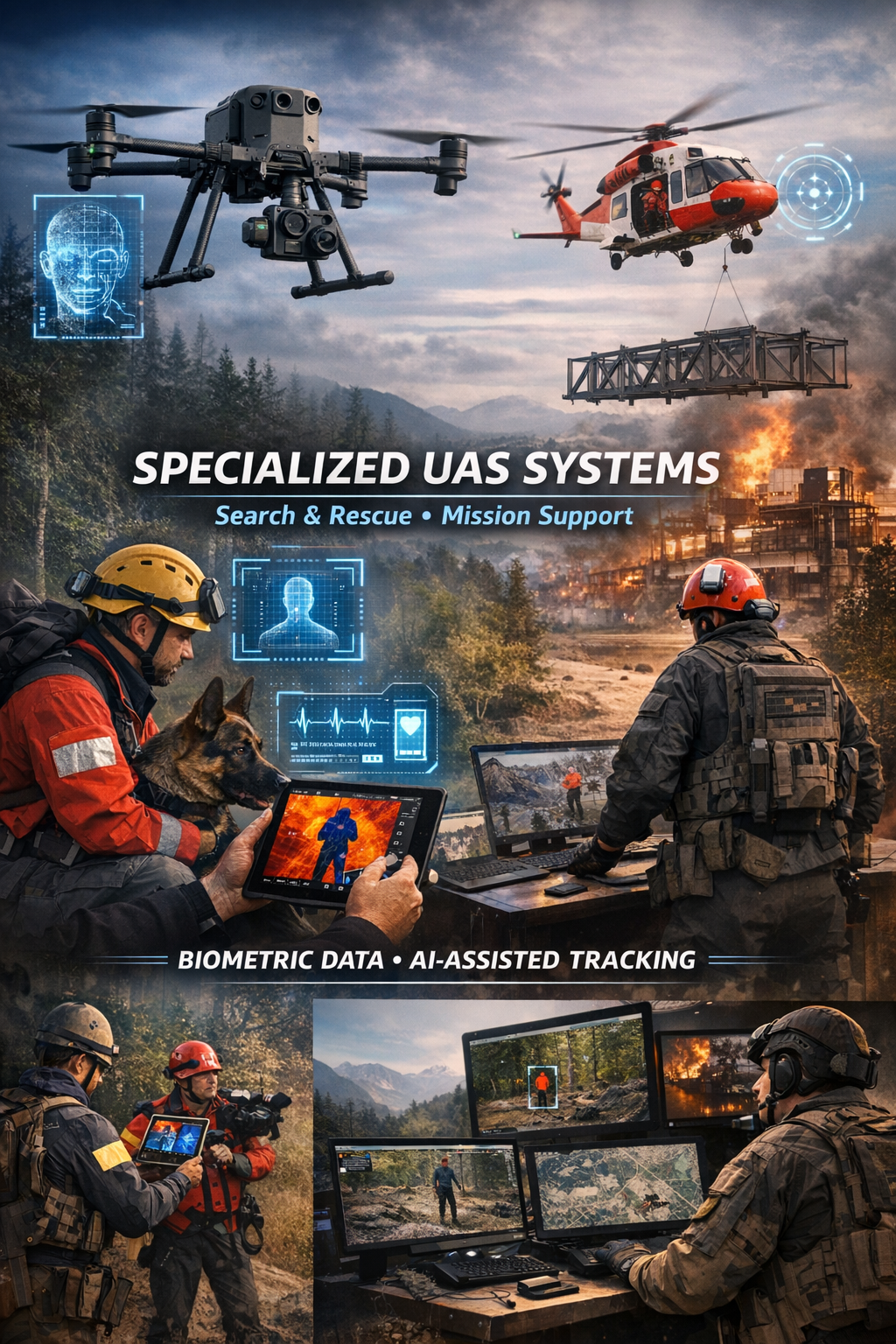
Specialized biometric UAS drone Systems for SAR
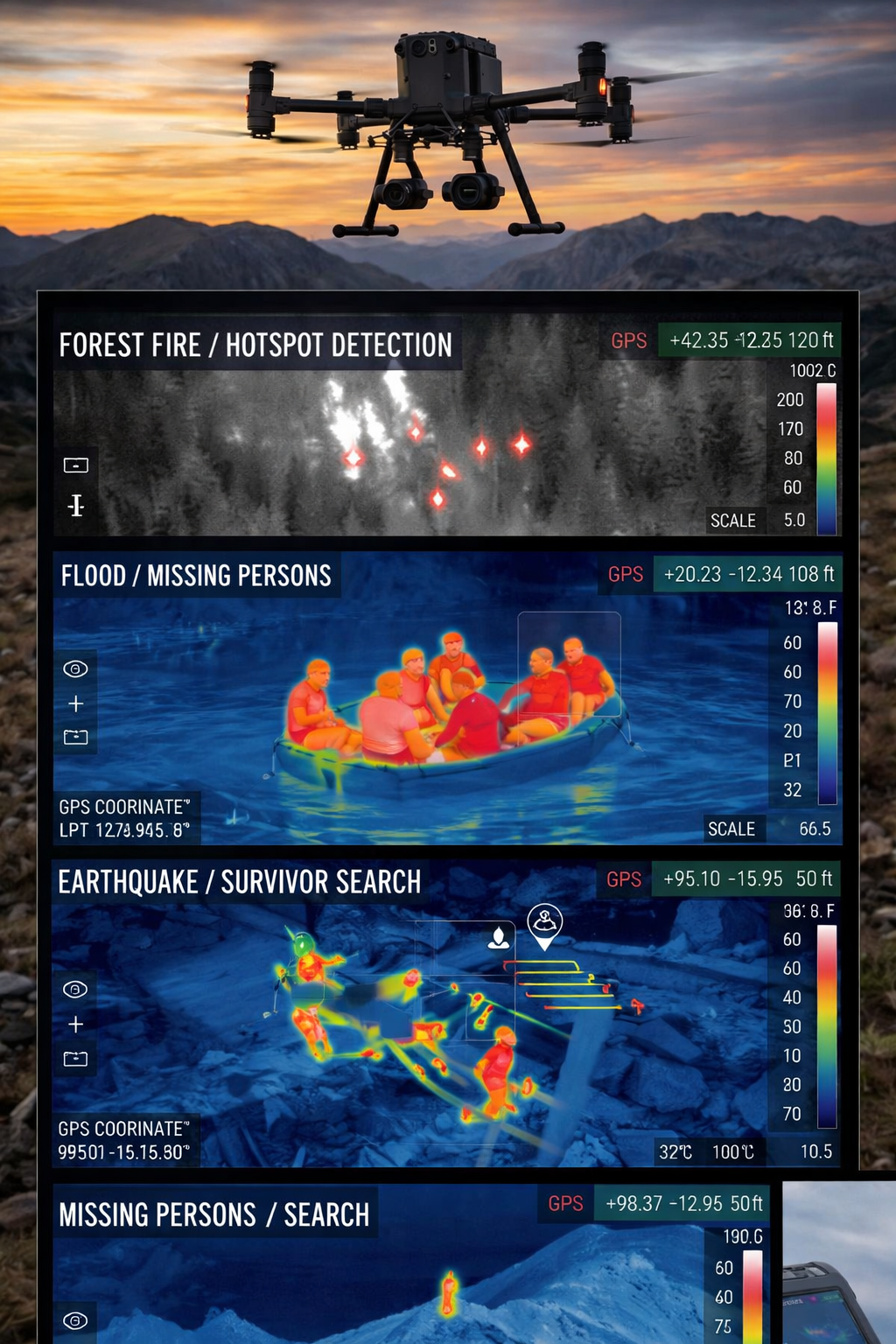
Search and Rescue via Drones
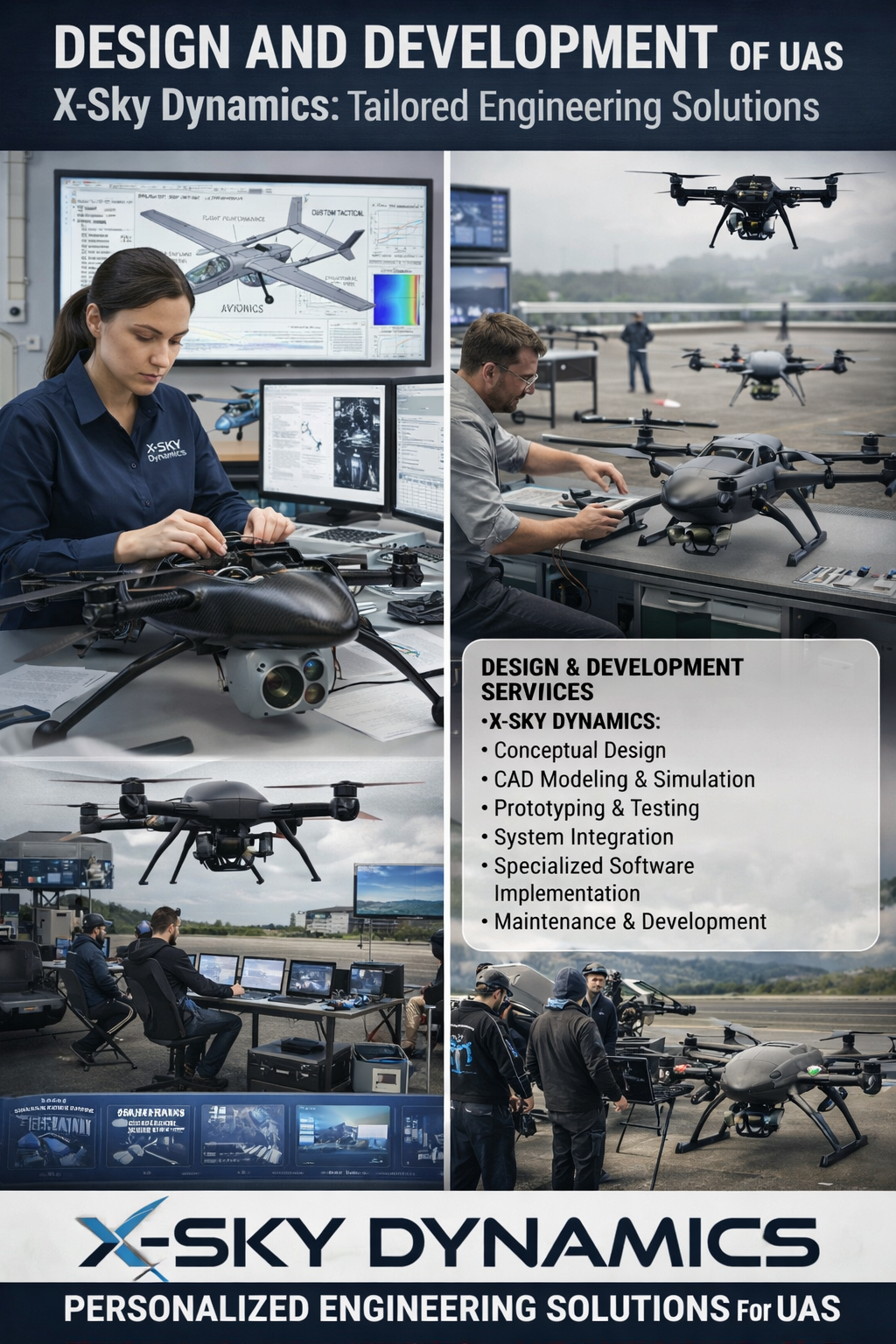
UAS Design, Engineering & Capabilities
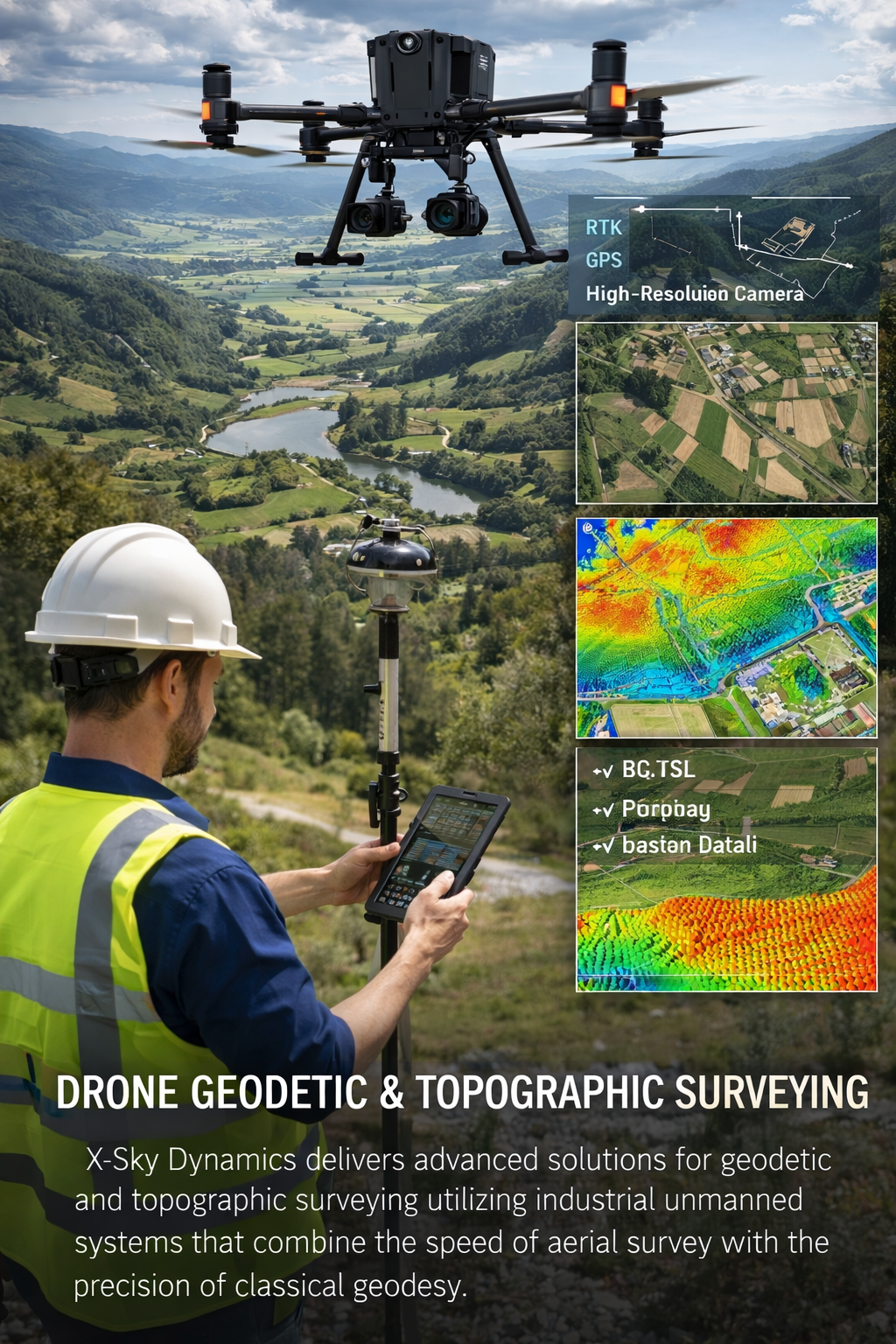
Geodetic, Topographic, Digital Twins 3D Surveying with UAV Systems
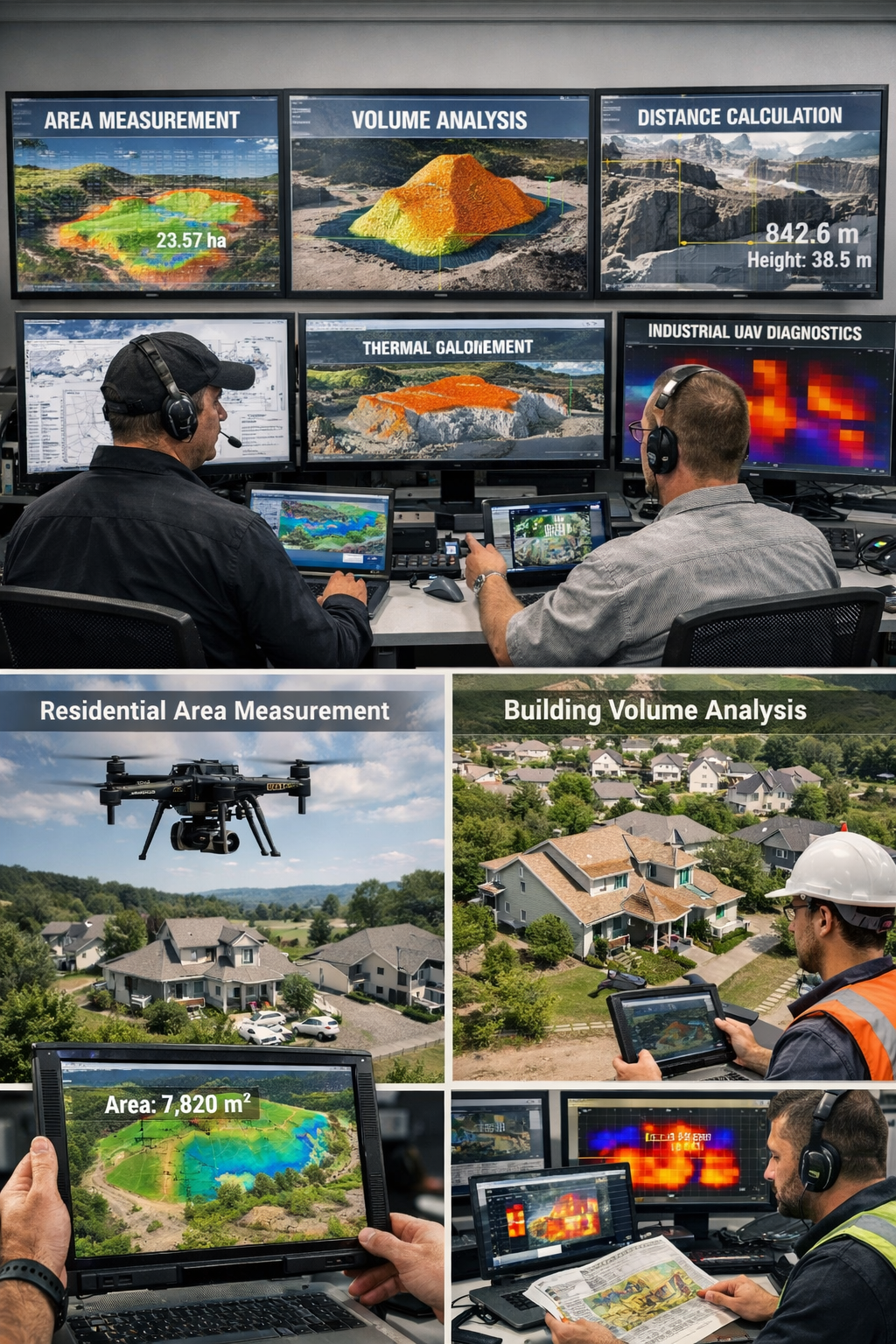
Measurement of Areas, Volumes, Distances with Drones
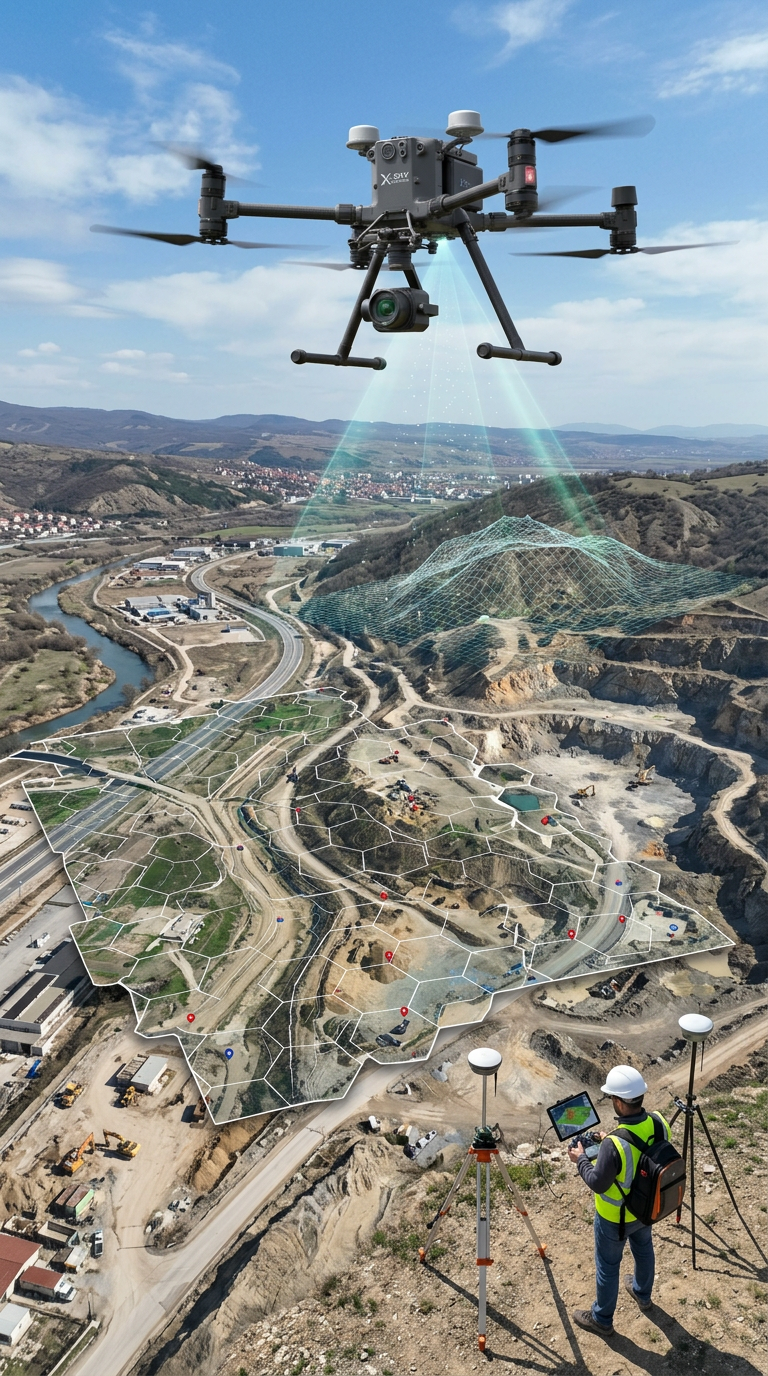
Mapping, Orthophoto, Geodetic UAV Systems, Digital Twins
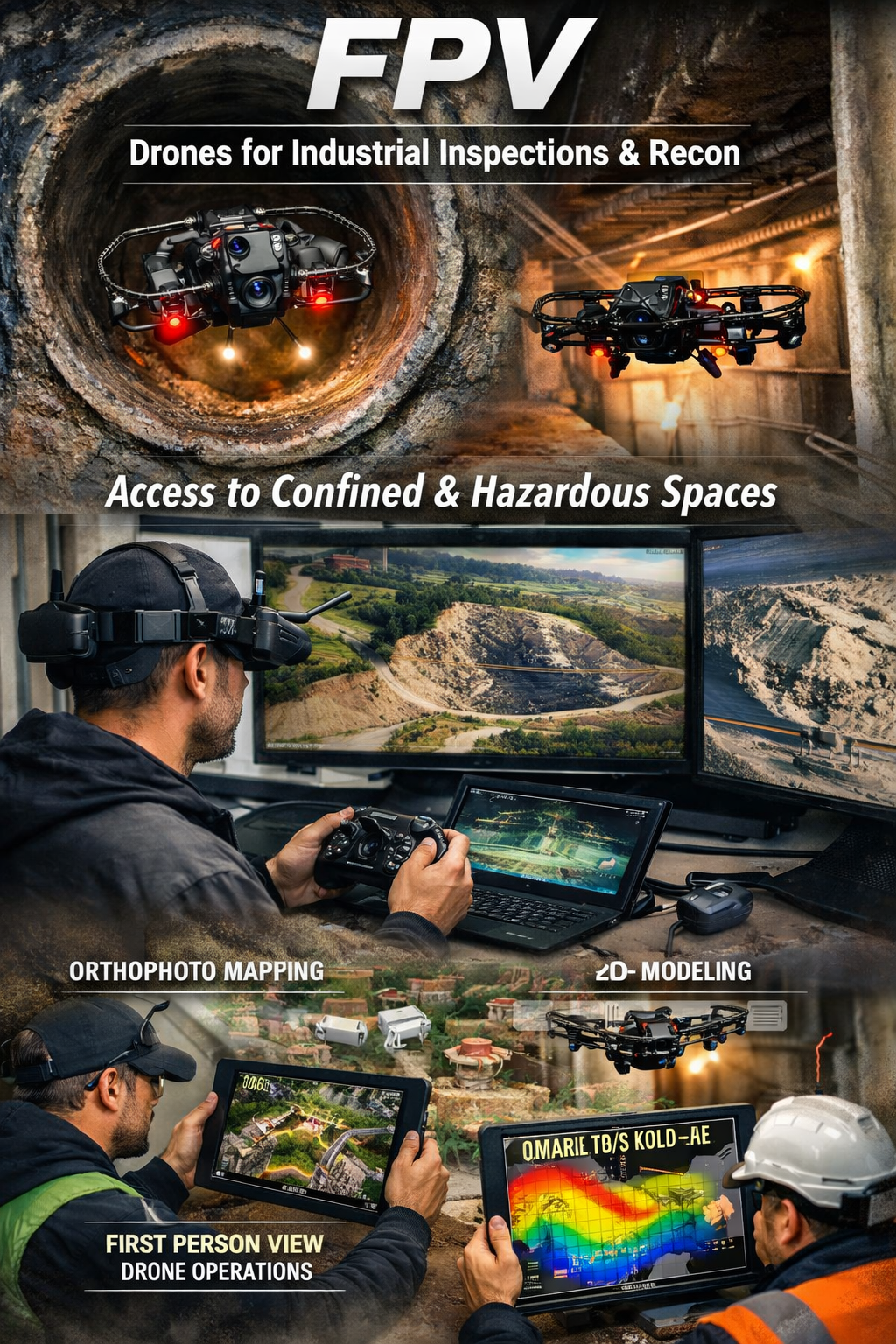
FPV Drone Inspections, Surveys
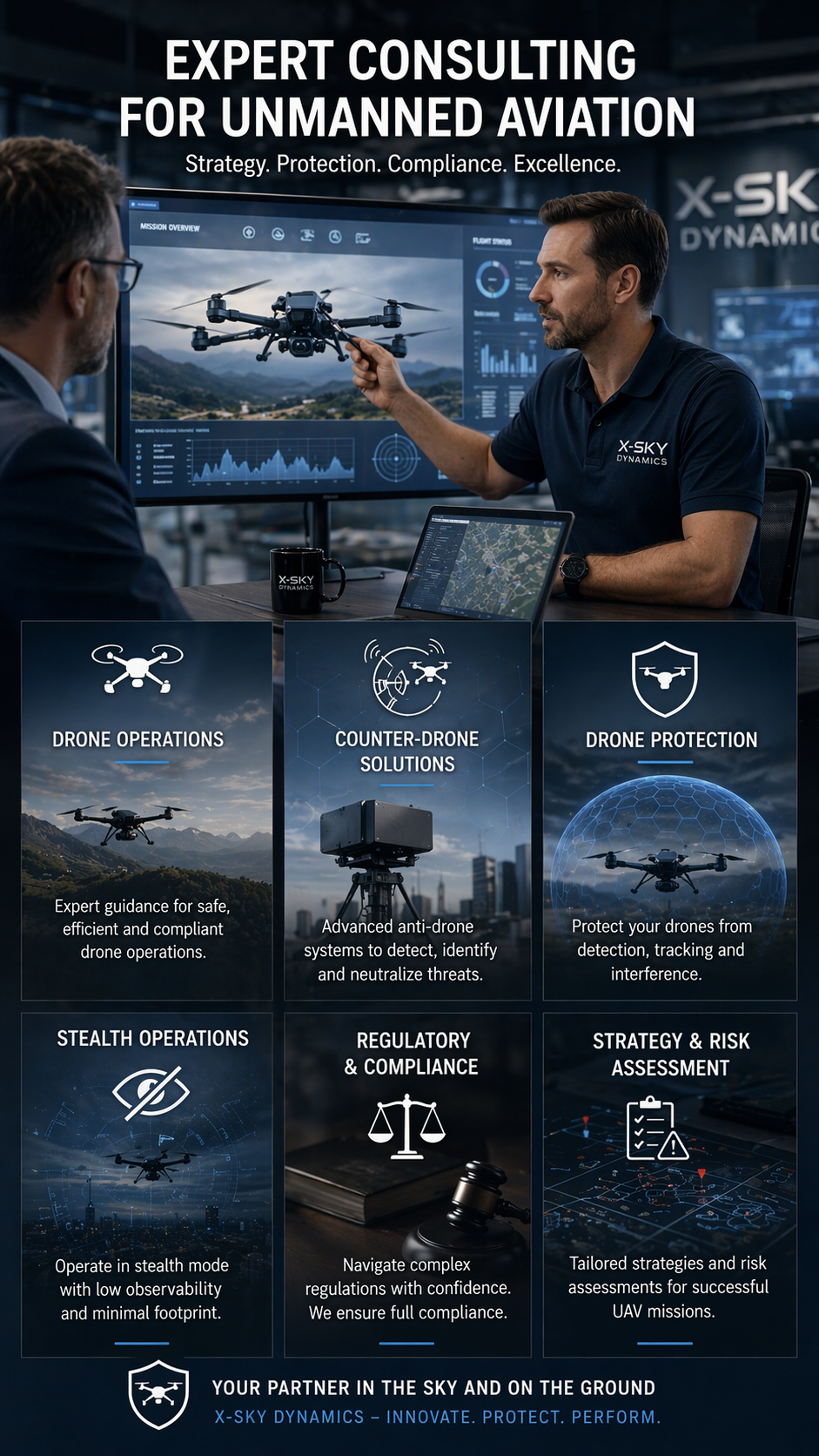
CONSULTING IN UNMANNED AVIATION DRONES, ANTI-DRONE SYSTEMS
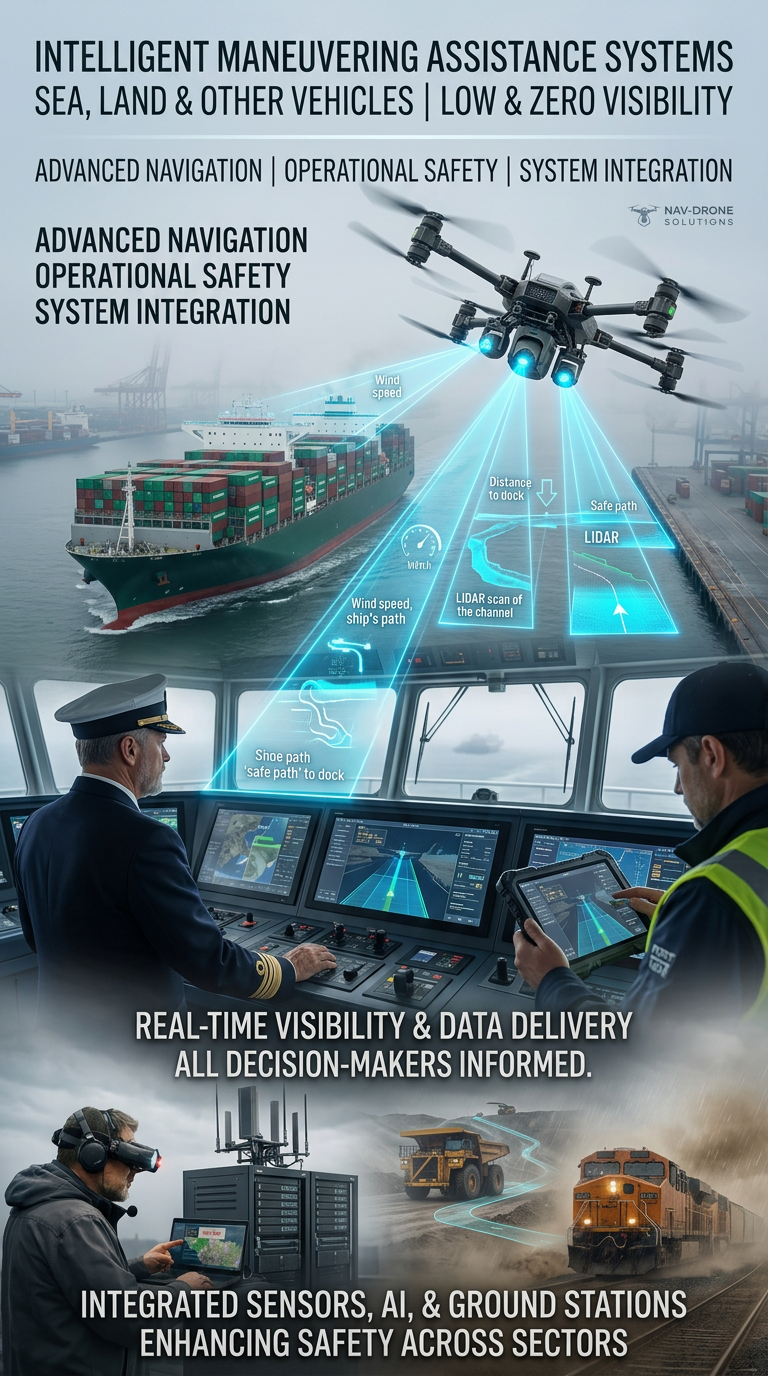
Systems for Assisting the Maneuvering in Low or Zero Visibility
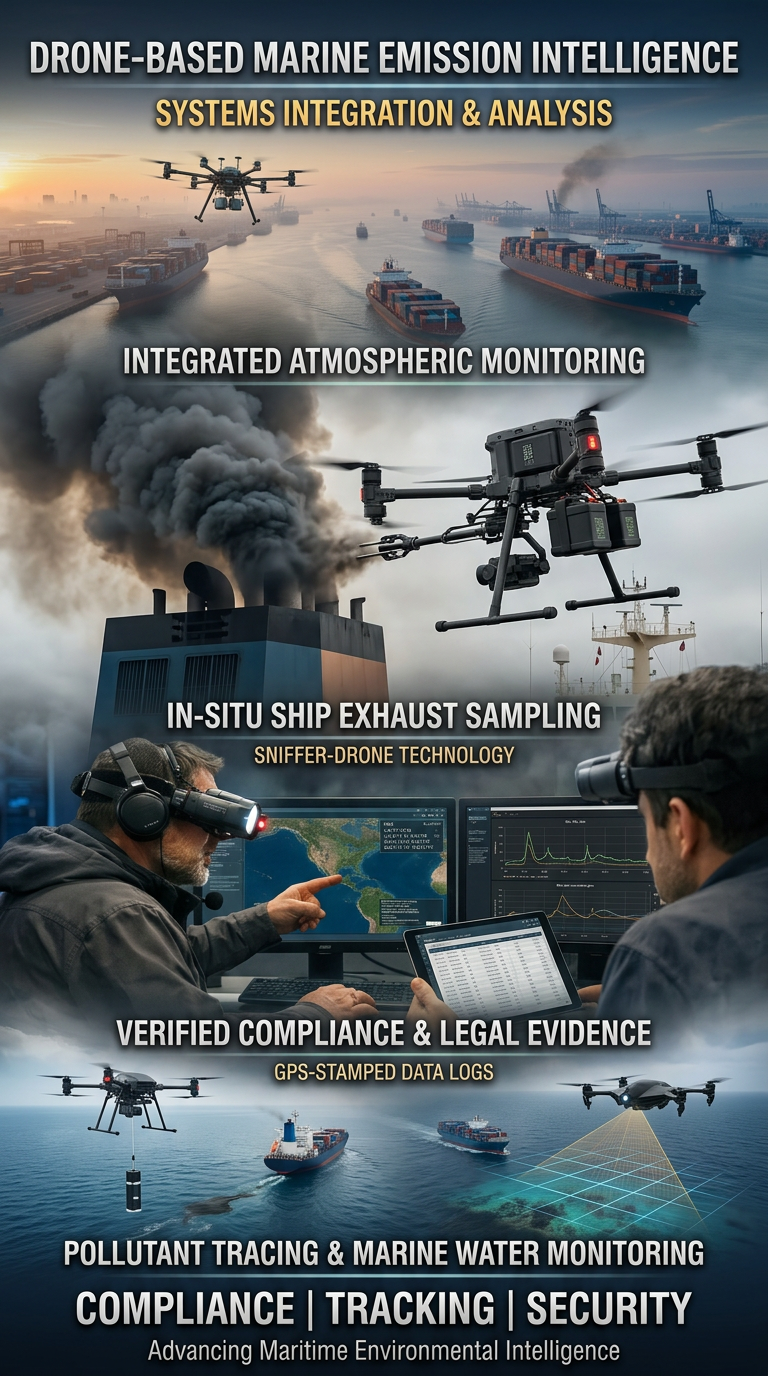
Drone Systems for Exhaust Gas Analysis
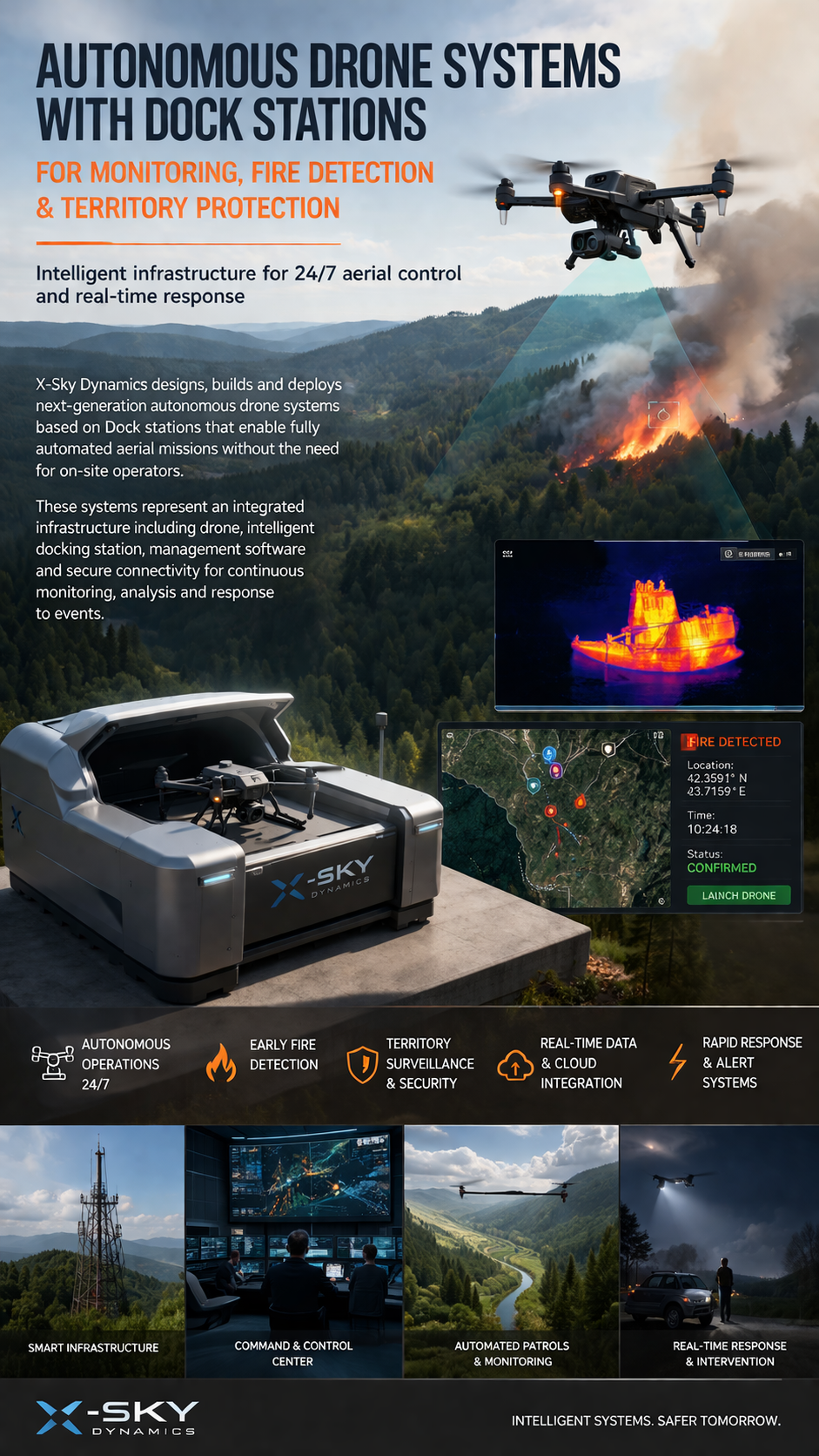
Drone Dock Stations for Monitoring, Early Fire Detection
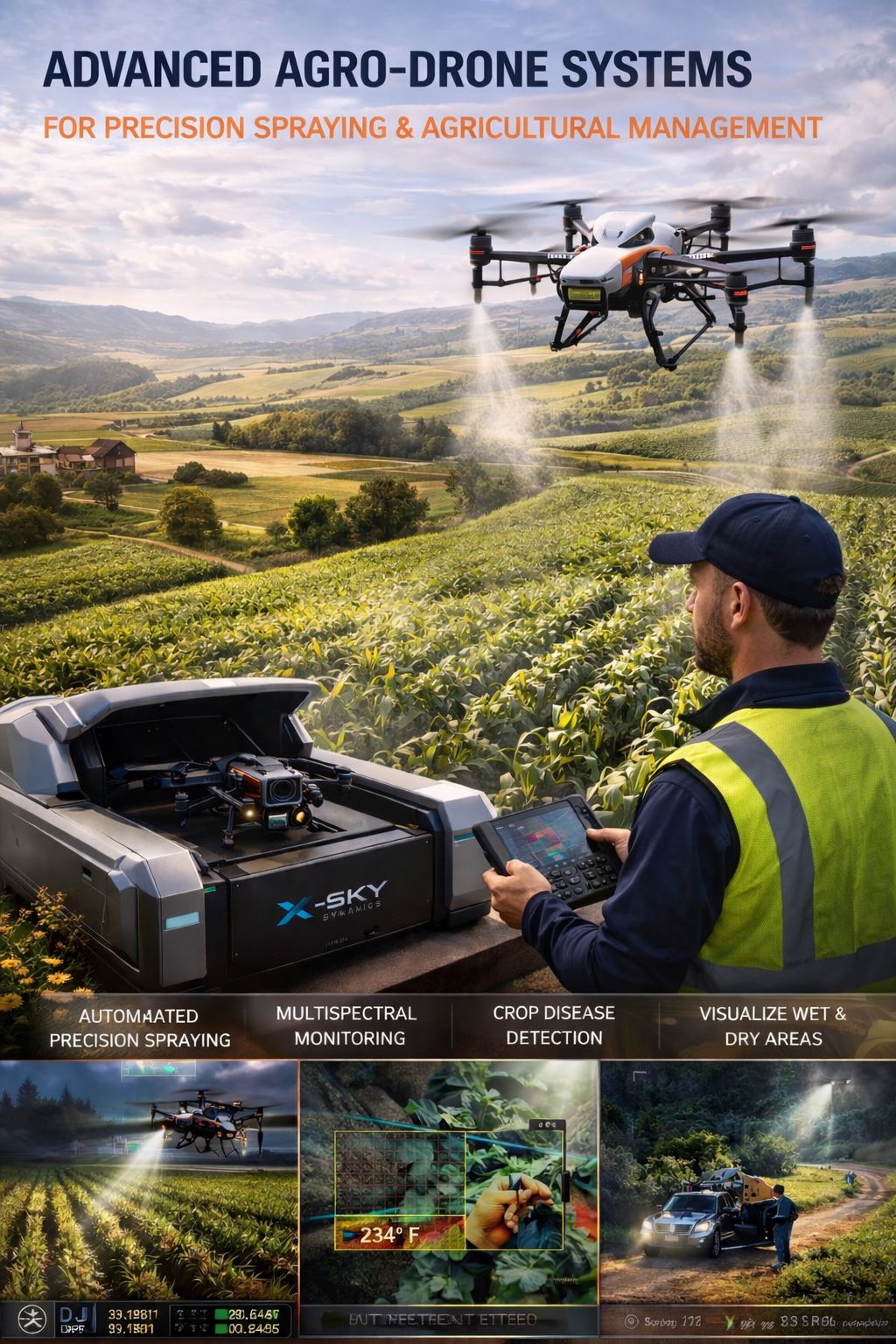
Agricultural Drone Systems for Precision Spraying, Spectral Monitoring
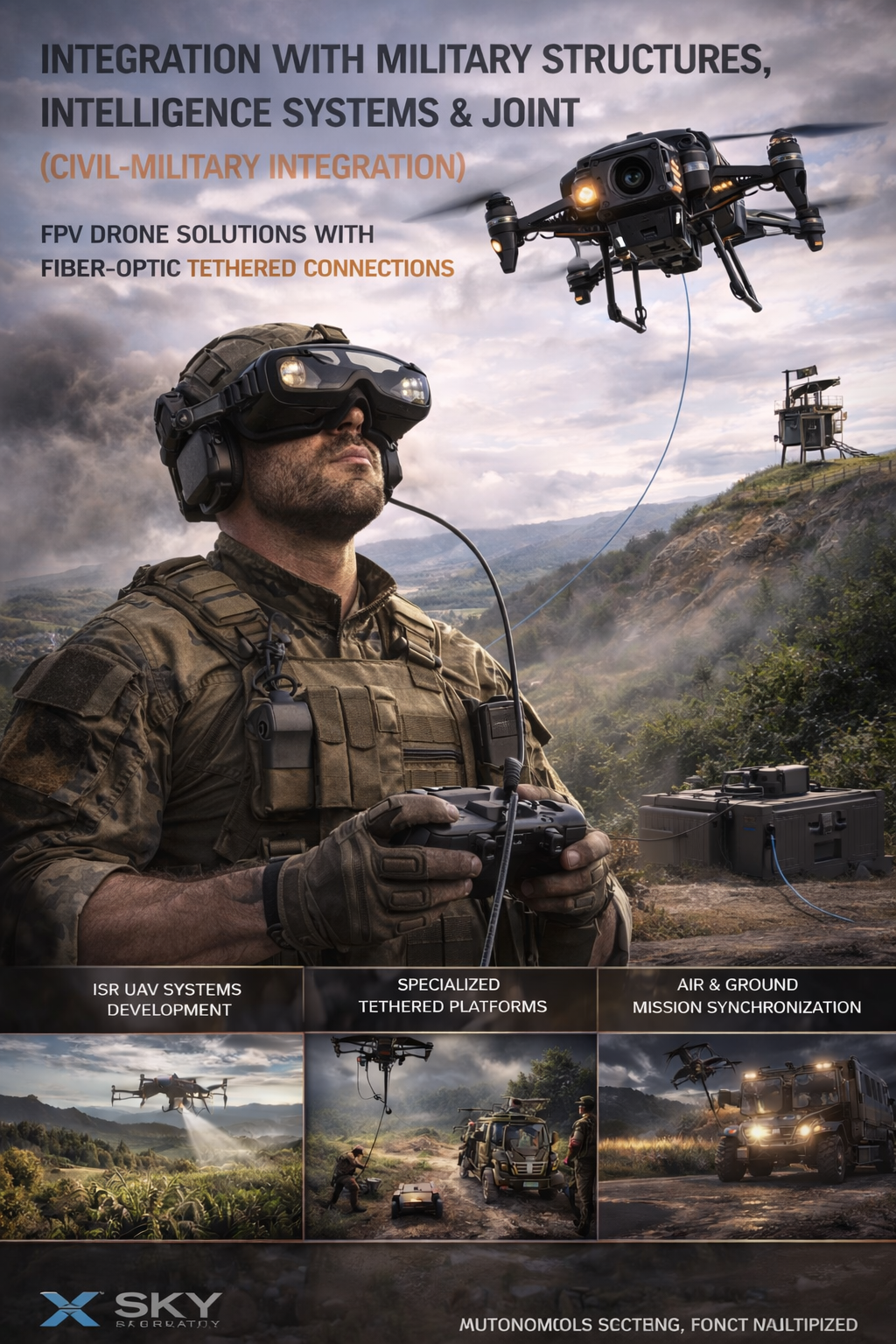
UAV – Drone Integration with Military
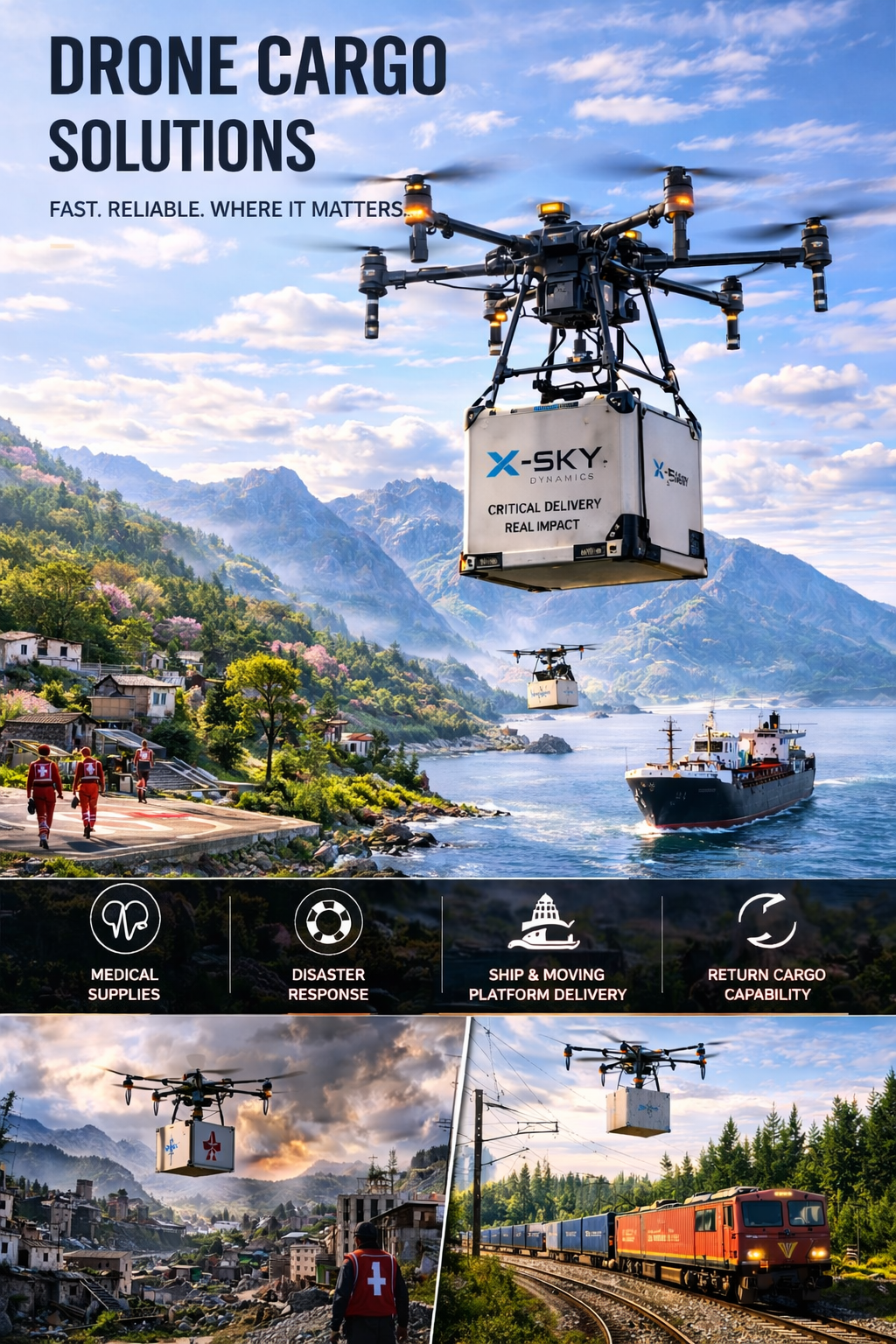
Cargo Transportation with Drones
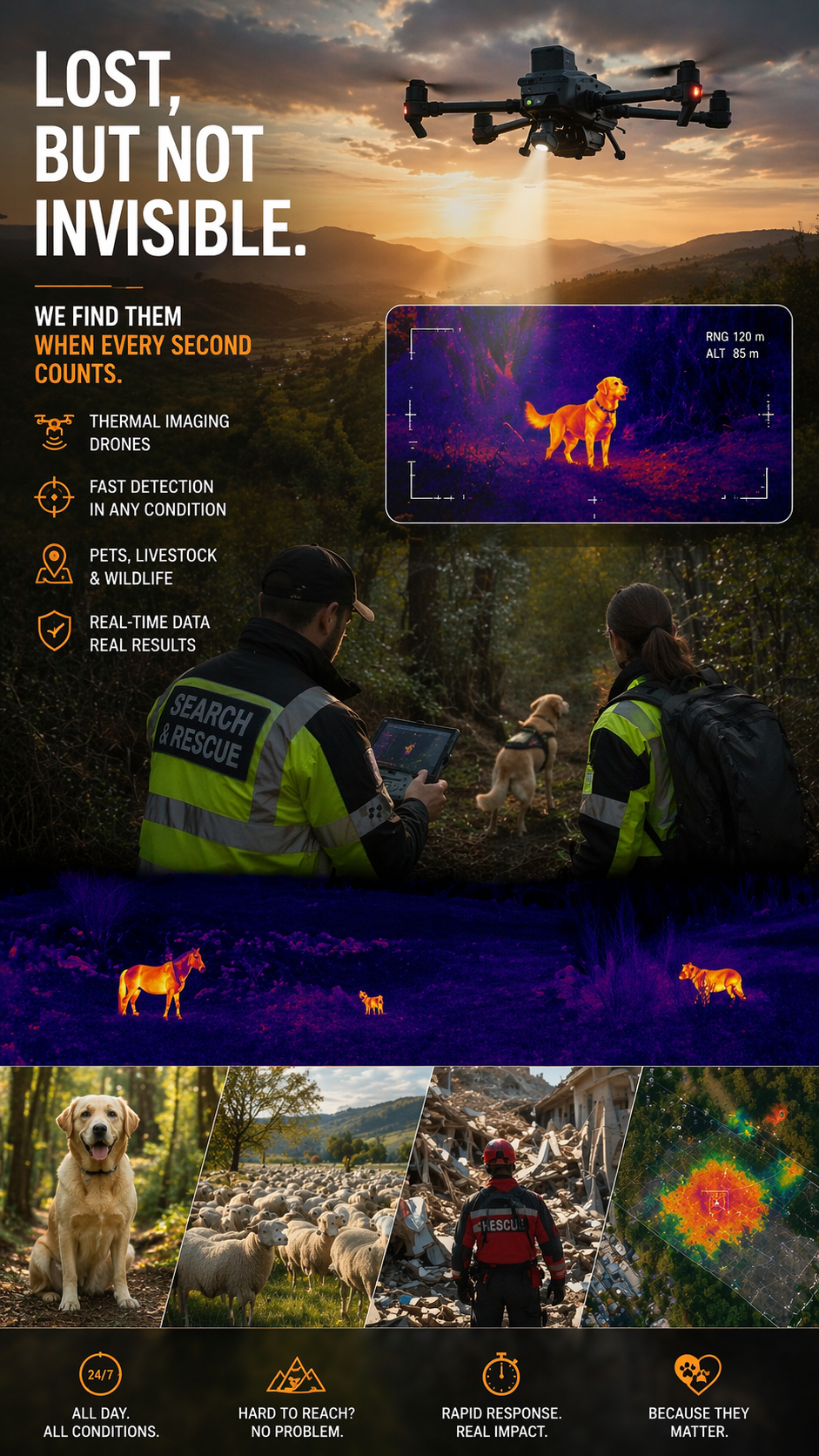
Search and Rescue of Pets and animals Using Drones
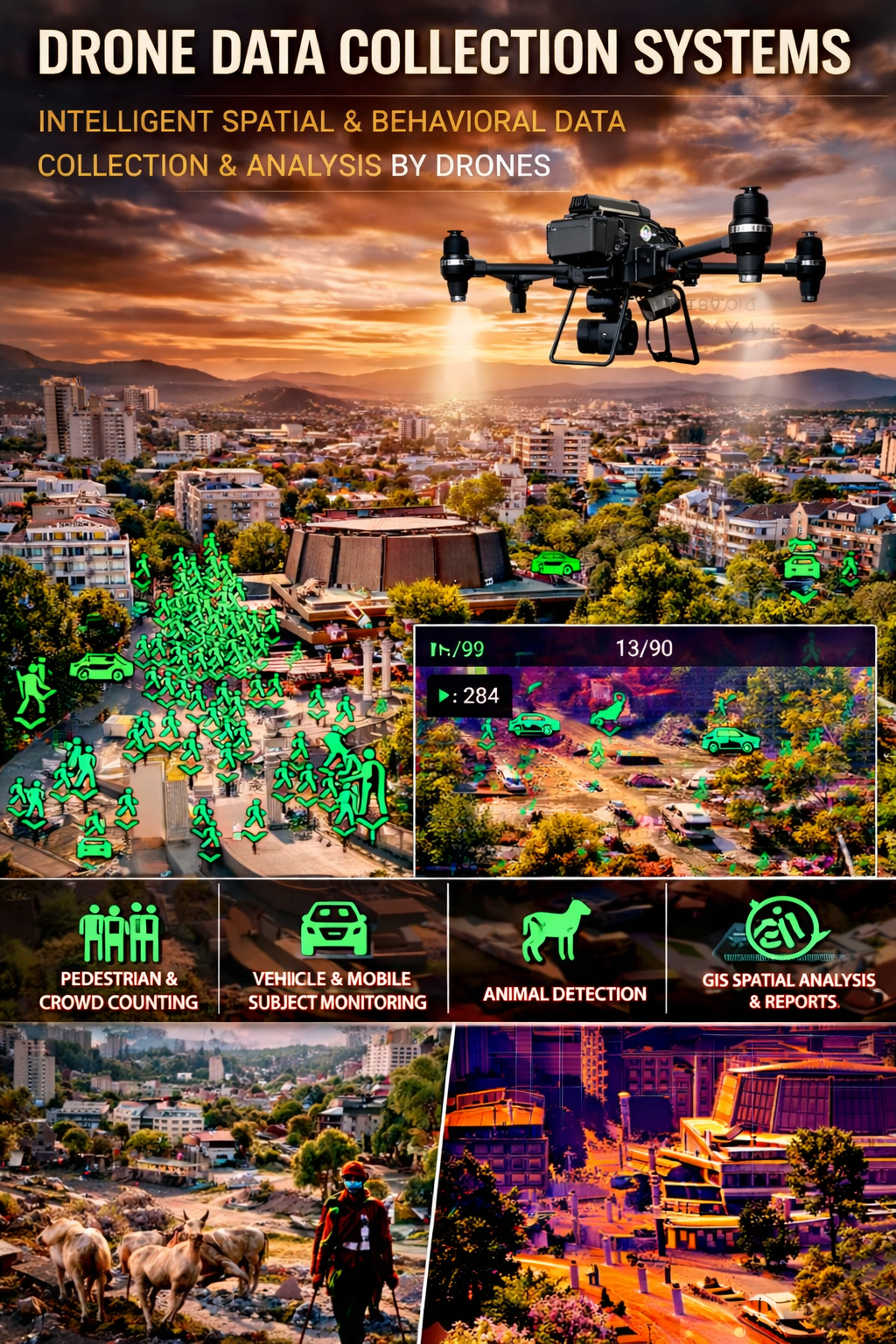
Drone Systems for Collecting Statistical Data
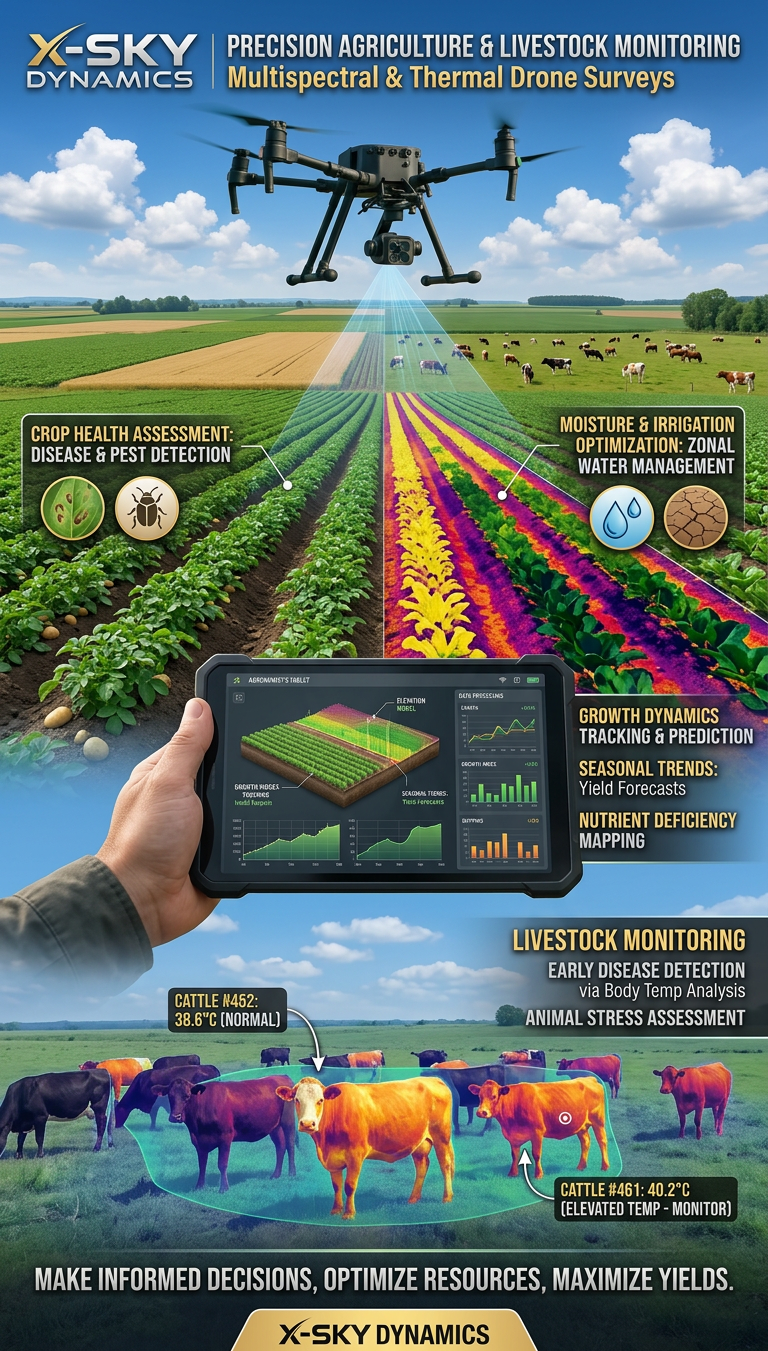
Multispectral and Thermal Drone Surveys for Agriculture
Innovative and High-Tech Drone Services
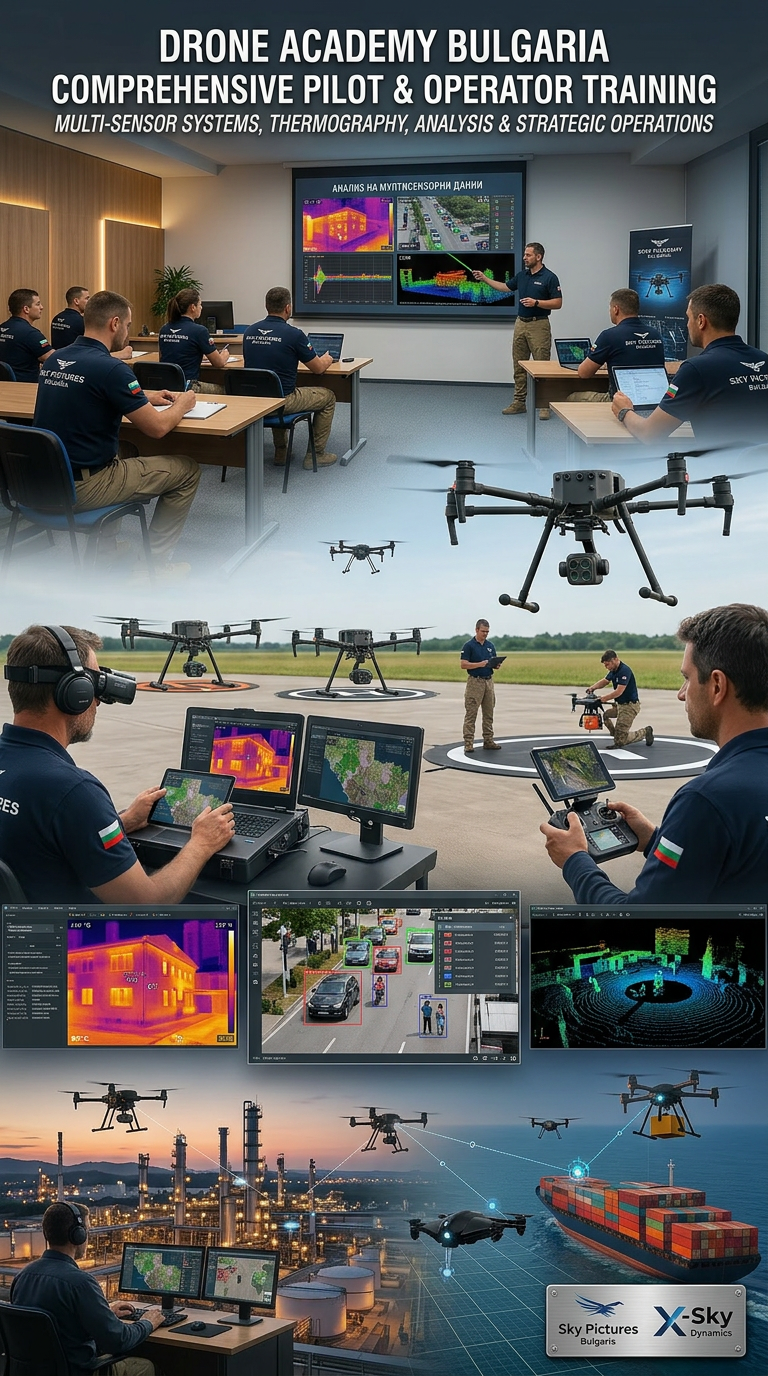
DRONE PILOTS AND OPERATORS TRAINING AND COURSES
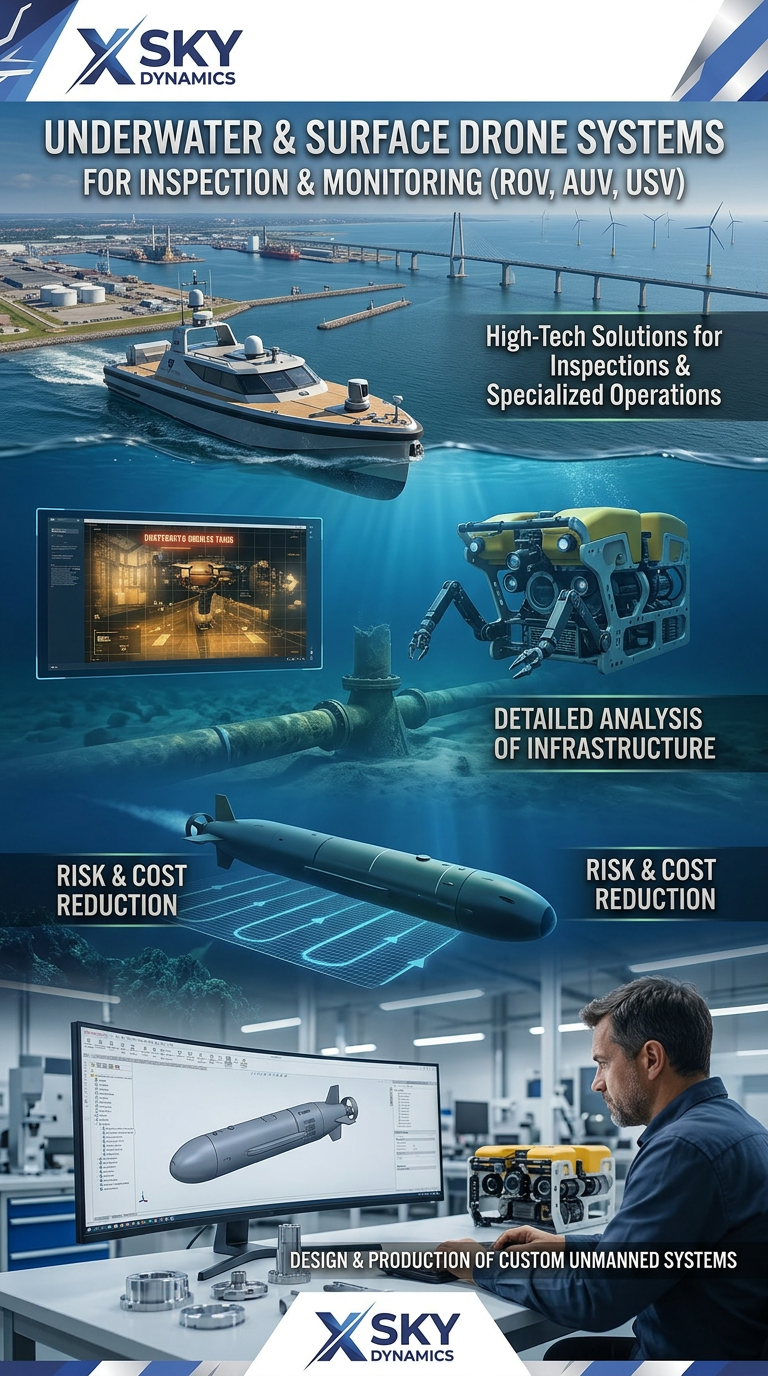
Underwater and Surface Drone Systems ROV, AUV, USV
Concept Drone Projects & Experimental UAV
Autonomous Drone Systems with Dock Stations
Sales of Professional Drone systems
Satellite Imaging, Satellite Design and Integrated
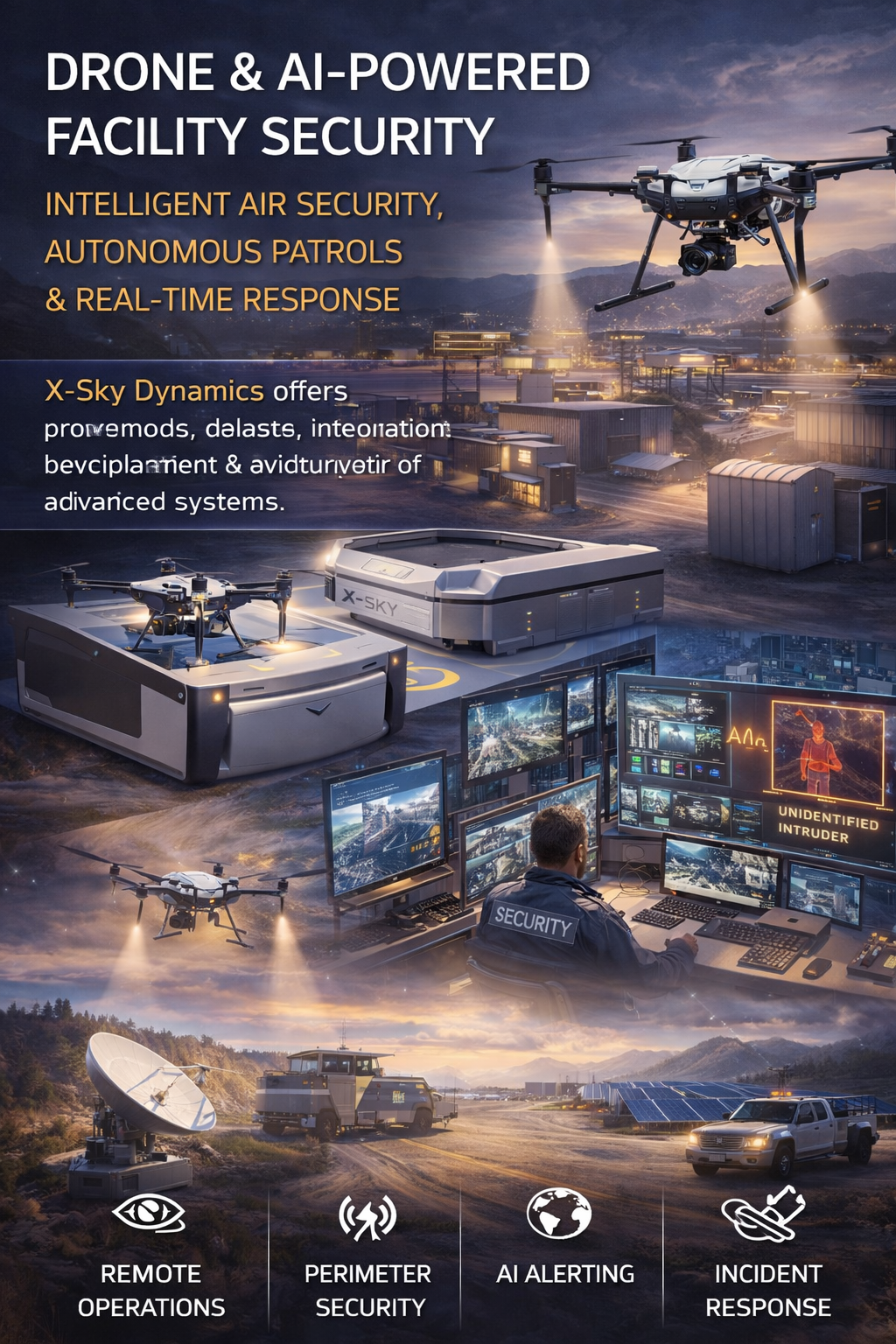
Security of Sites Through Drones AI Systems
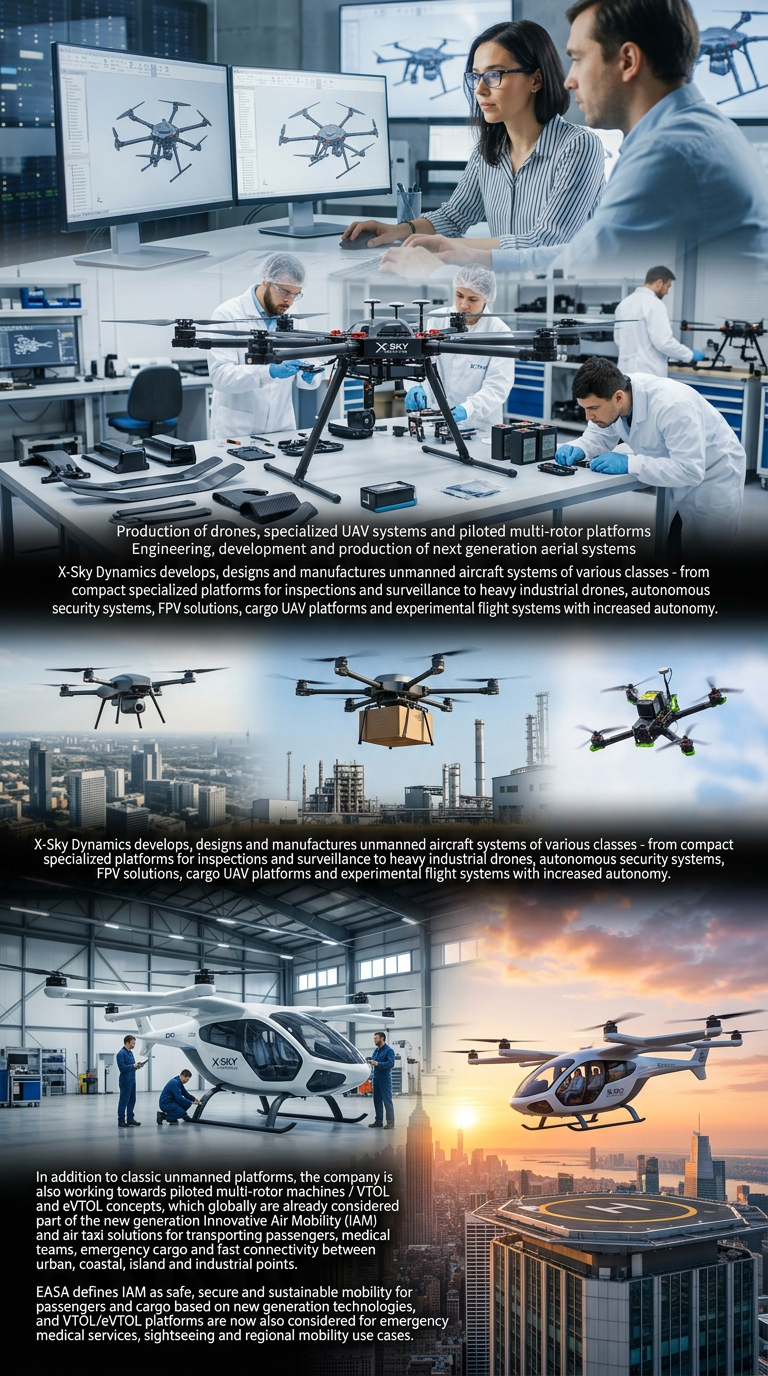
Drone eVTOL, Manufacturing and Manned Multirotor Platforms
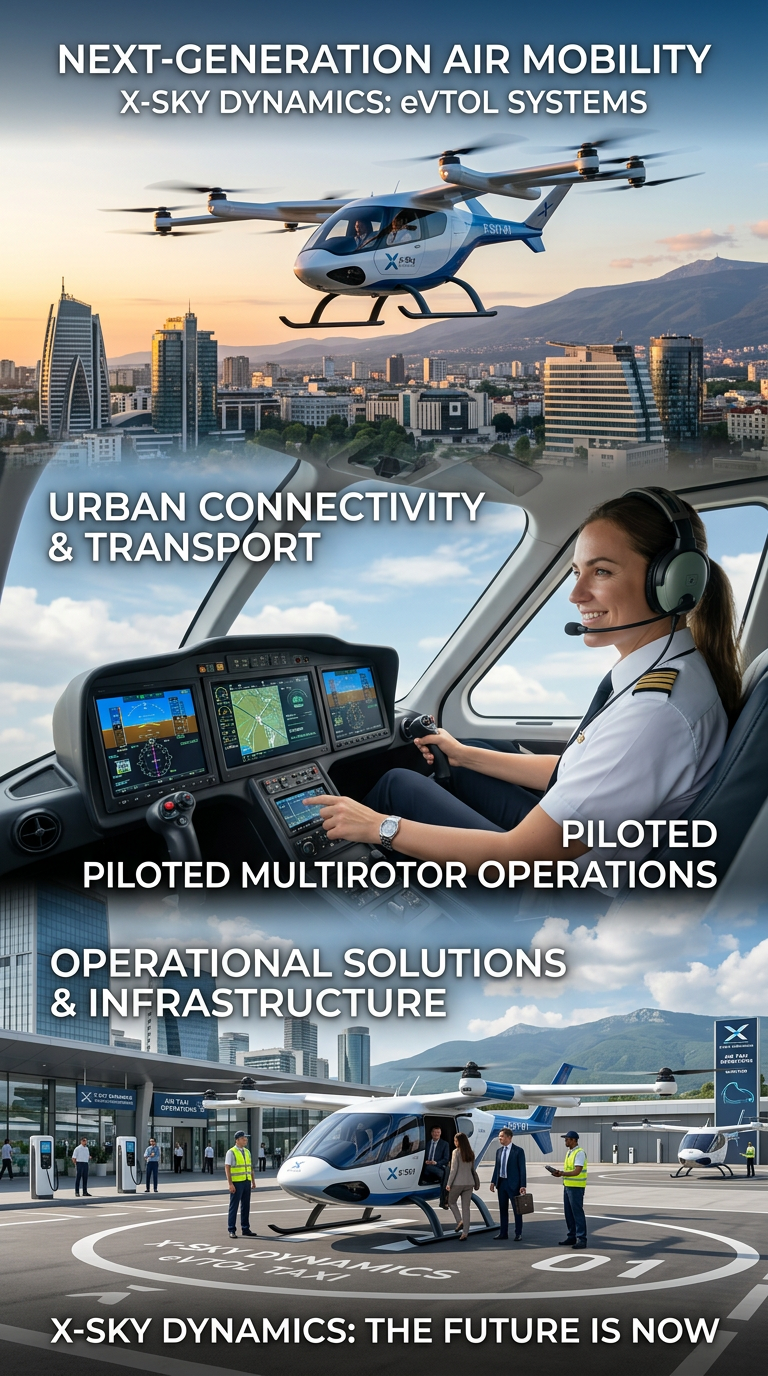
Air Taxis and eVTOL Systems
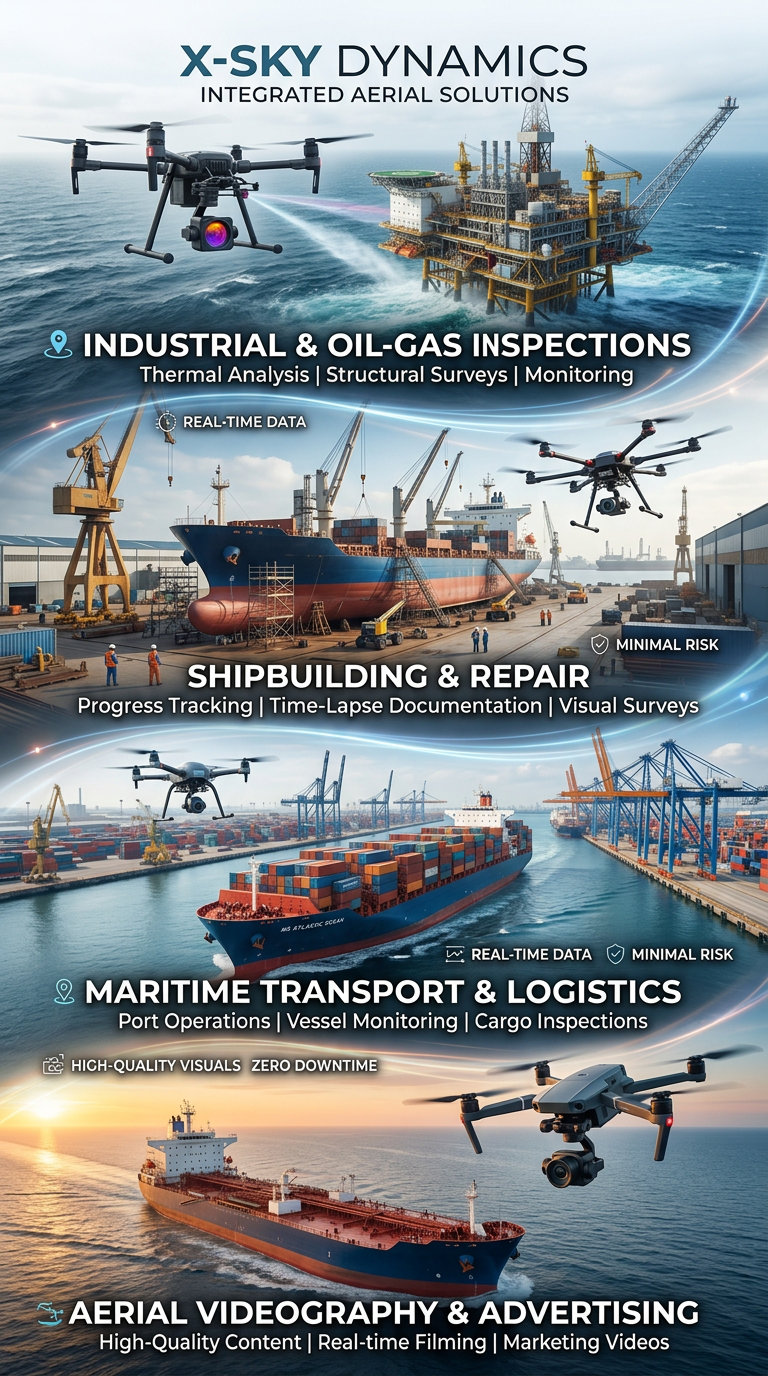
Drone and Video Services in Maritime Transport
Space Agriculture, Agri-Systems for Extreme Environments
Cybersecurity, Cyber Defence and Protection of Critical Infrastructure
Cybersecurity and Protection of UAV and Autonomous Systems
Counter-UAS, Laser and Kinetic Systems
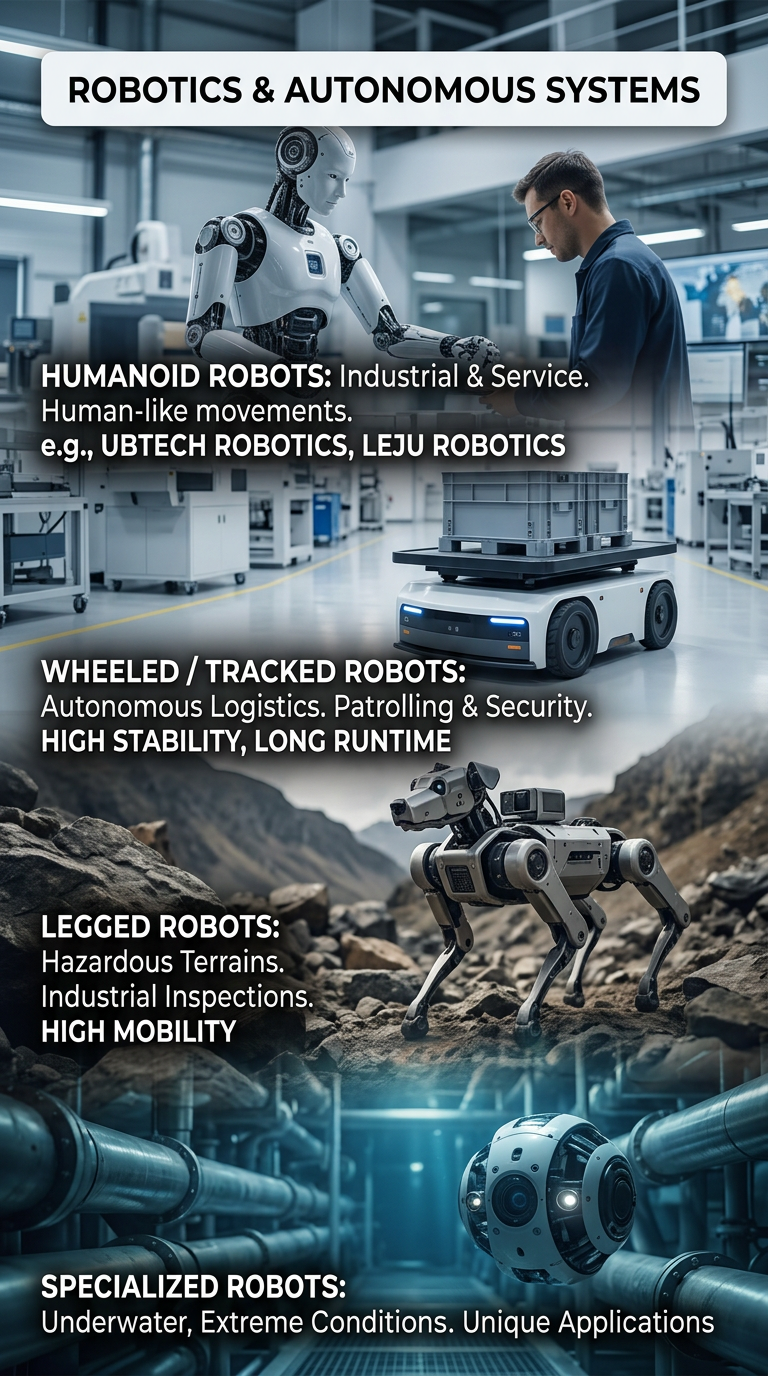
Robots and Autonomous Systems
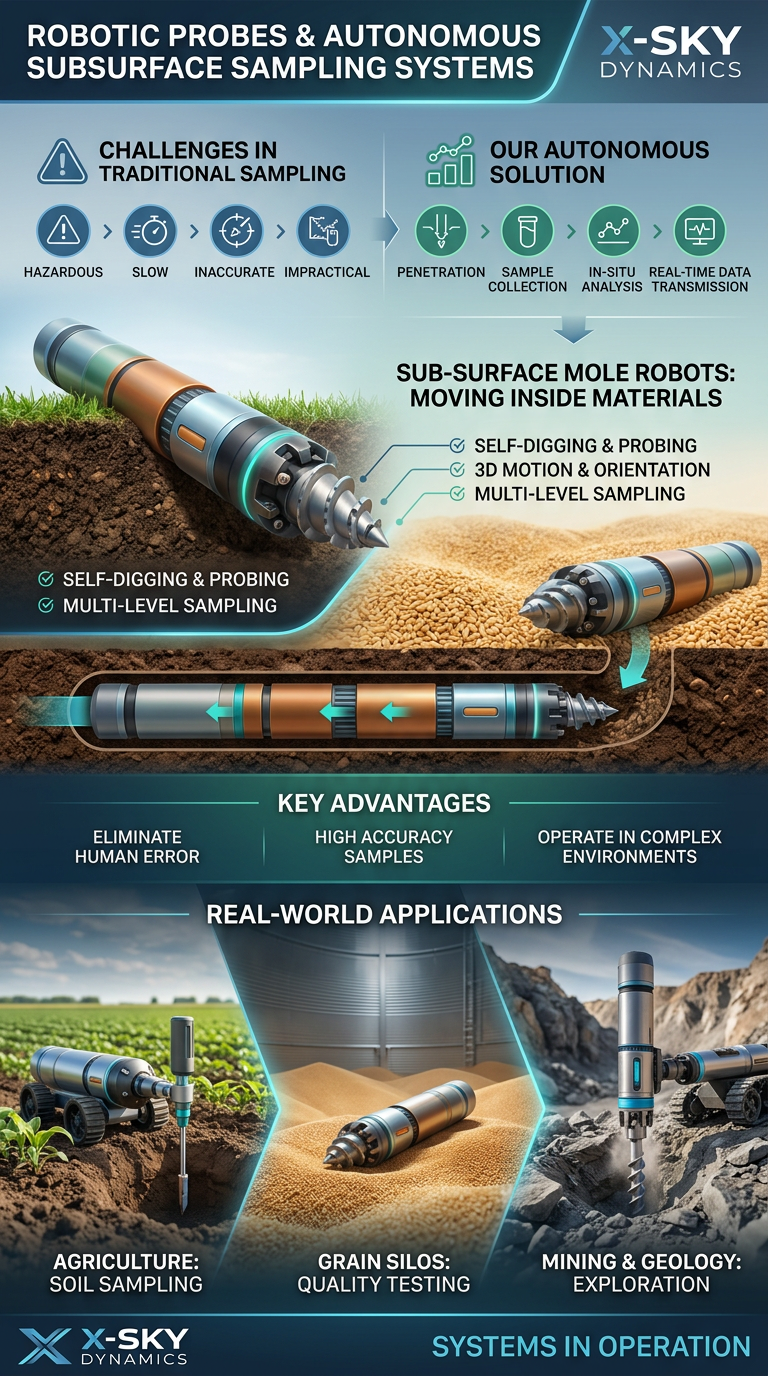
Robotic Probing Systems and Subsurface Technologies
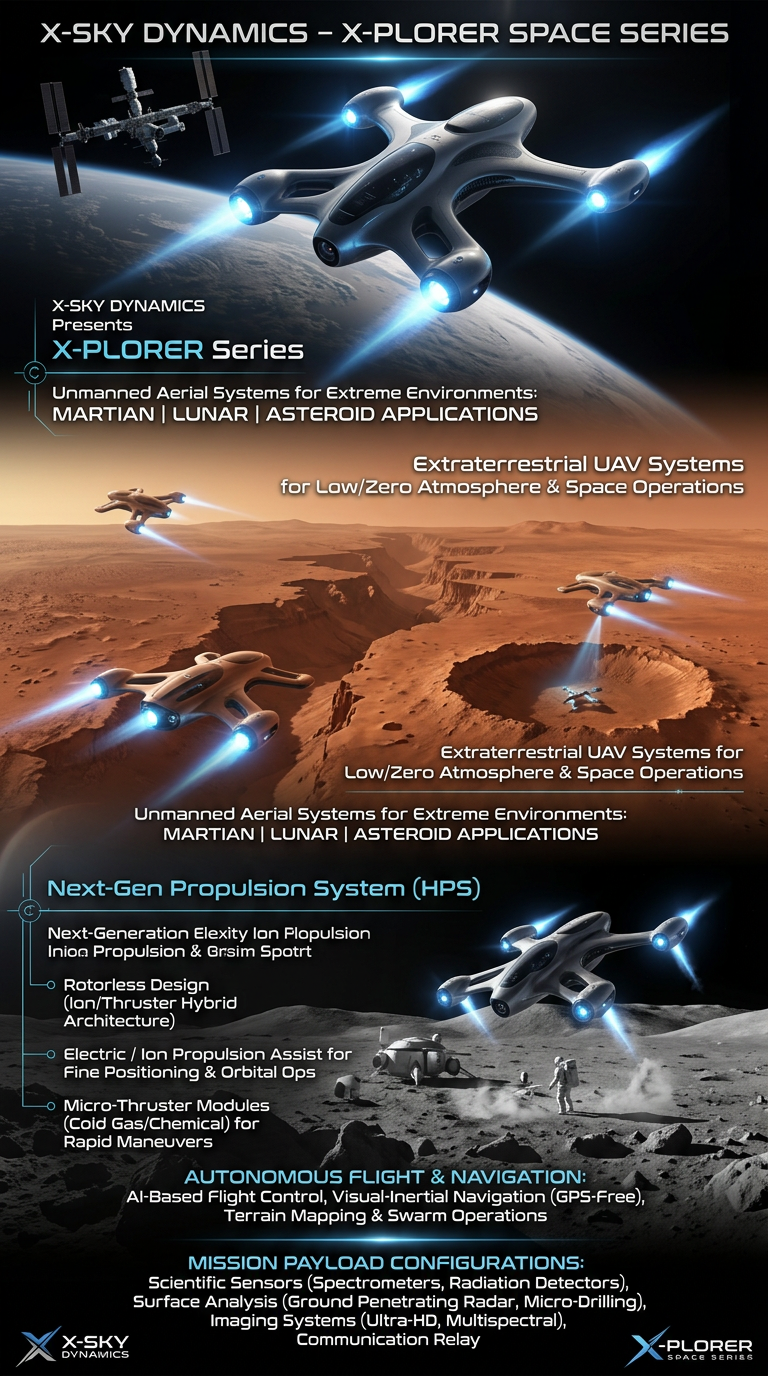
Space Drone systems SPACE X-PLORER SERIES

RAIGNV – Industrial UAV Systems, Automated Drone Stations
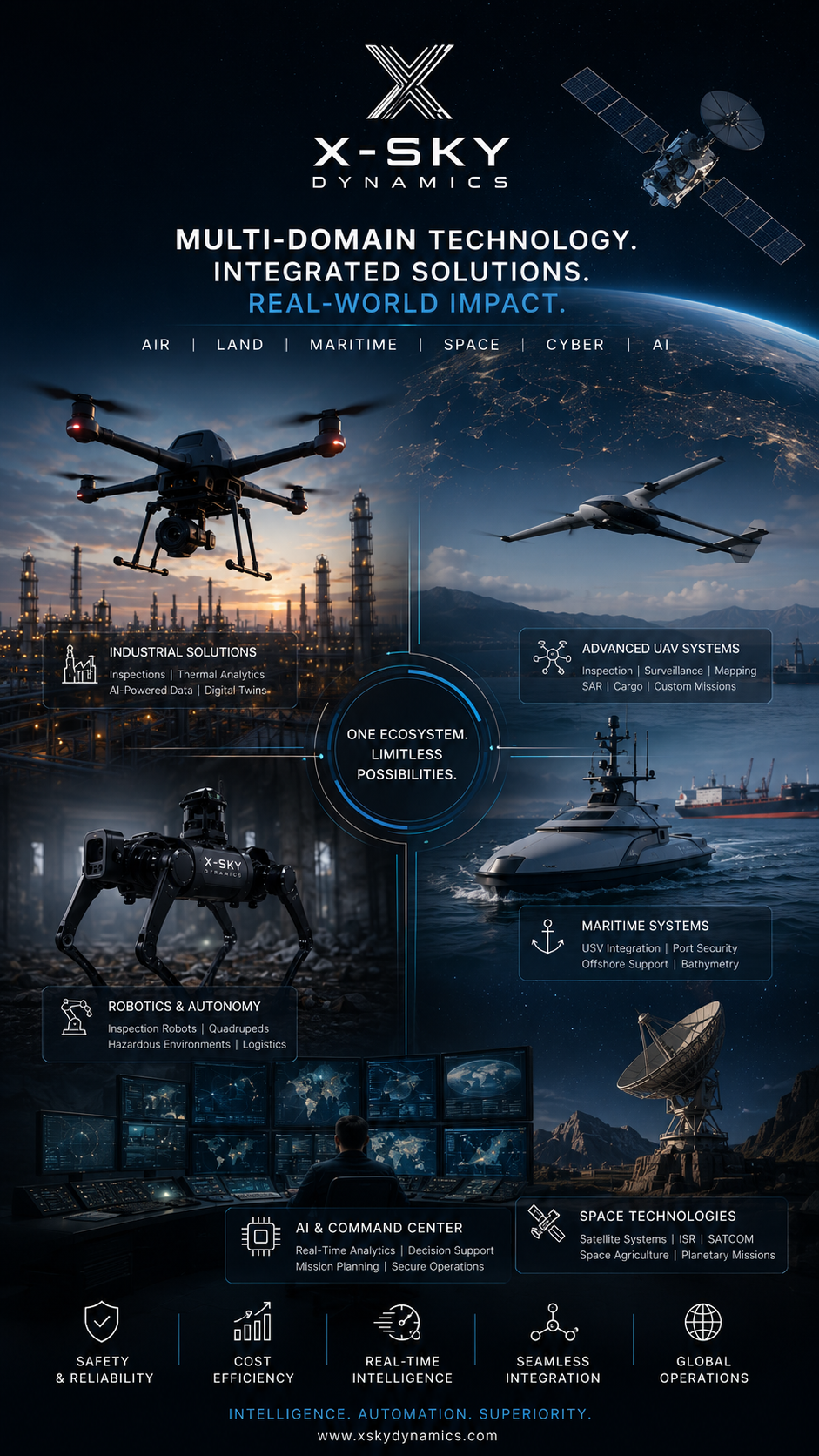
Current and Future Investors in X-SKY Dynamics and Company Partners
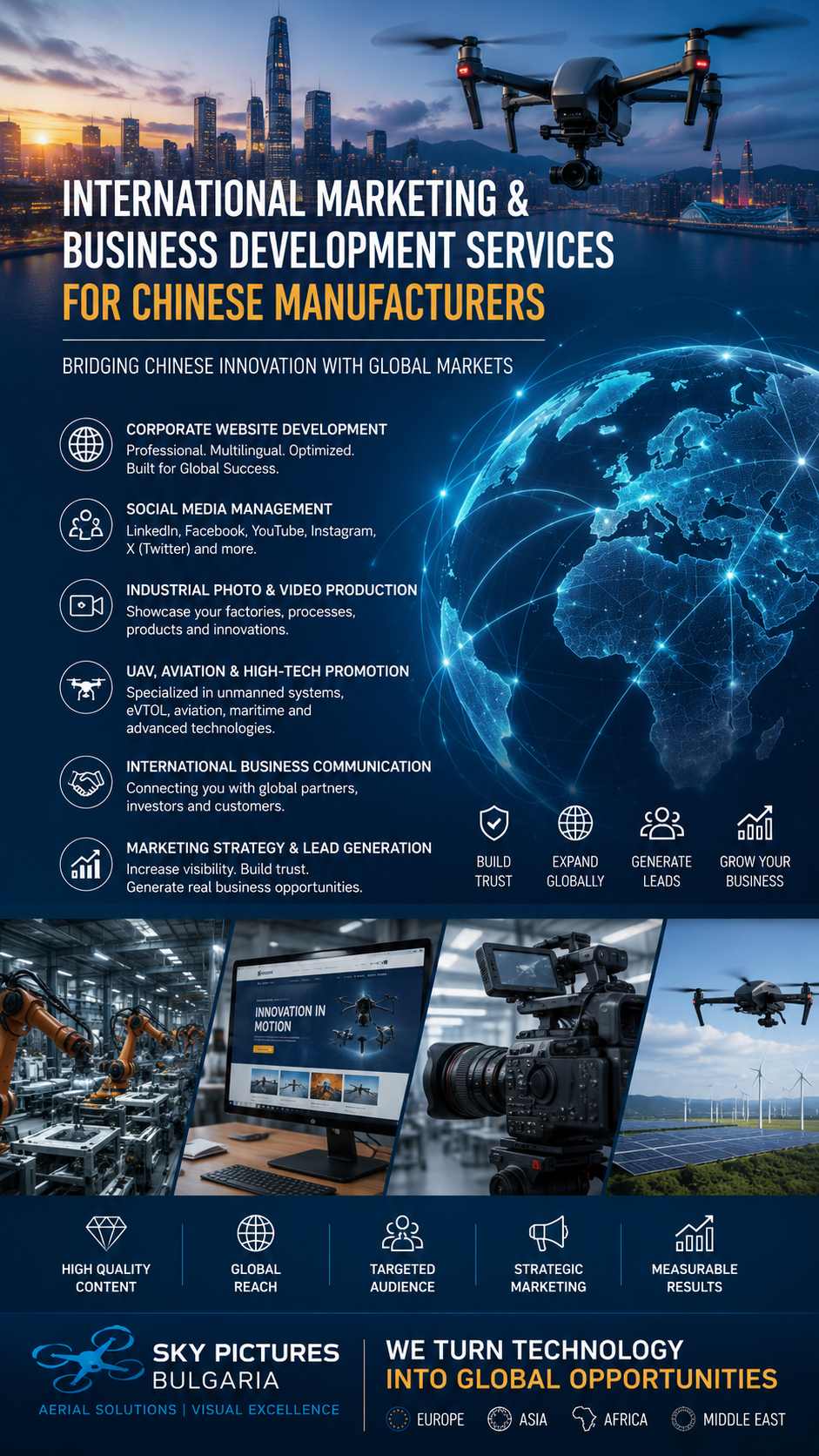
China ↔ EU Marketing
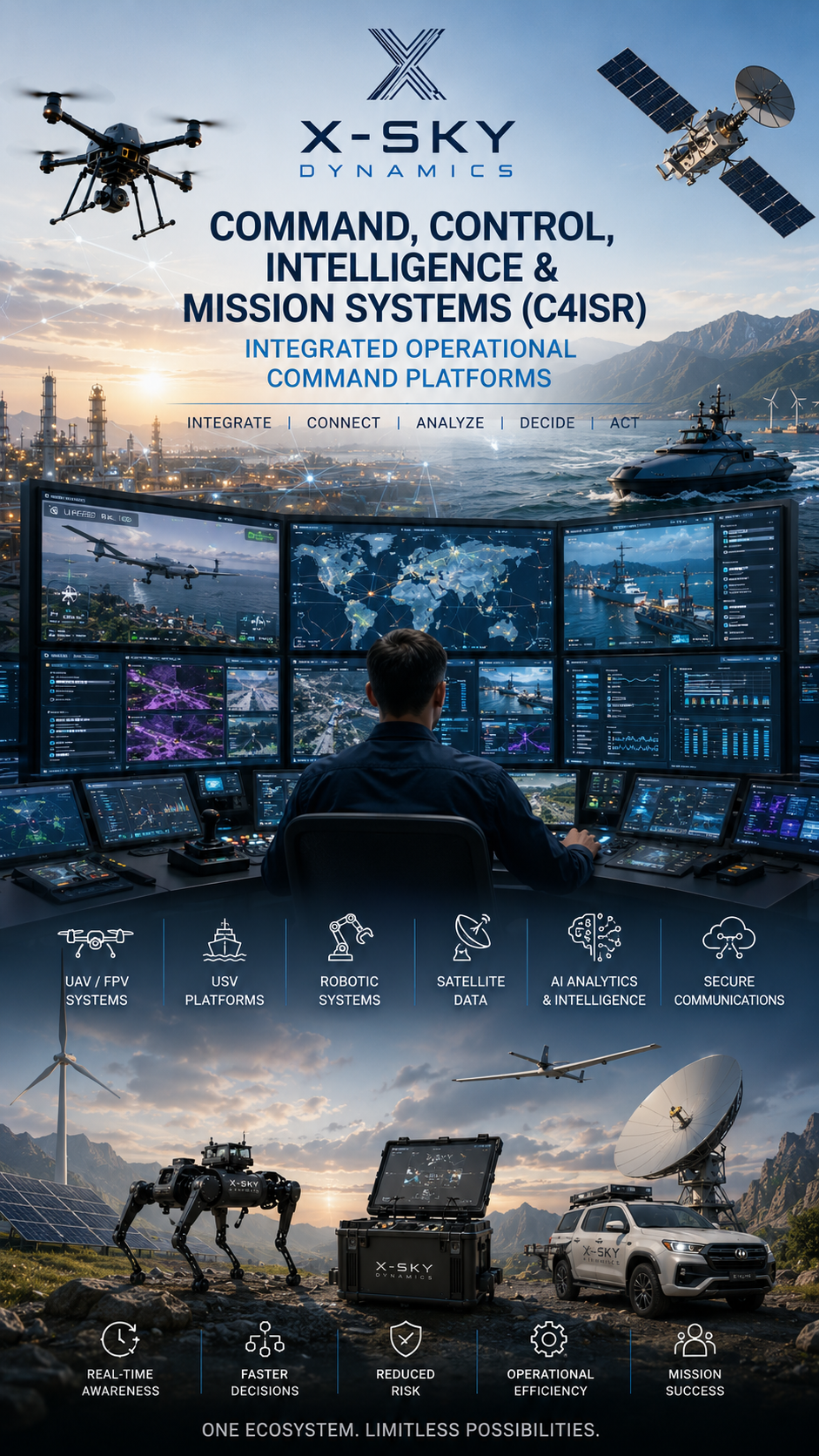
Next-Generation Systems for Real-Time Operational Management (C4ISR)
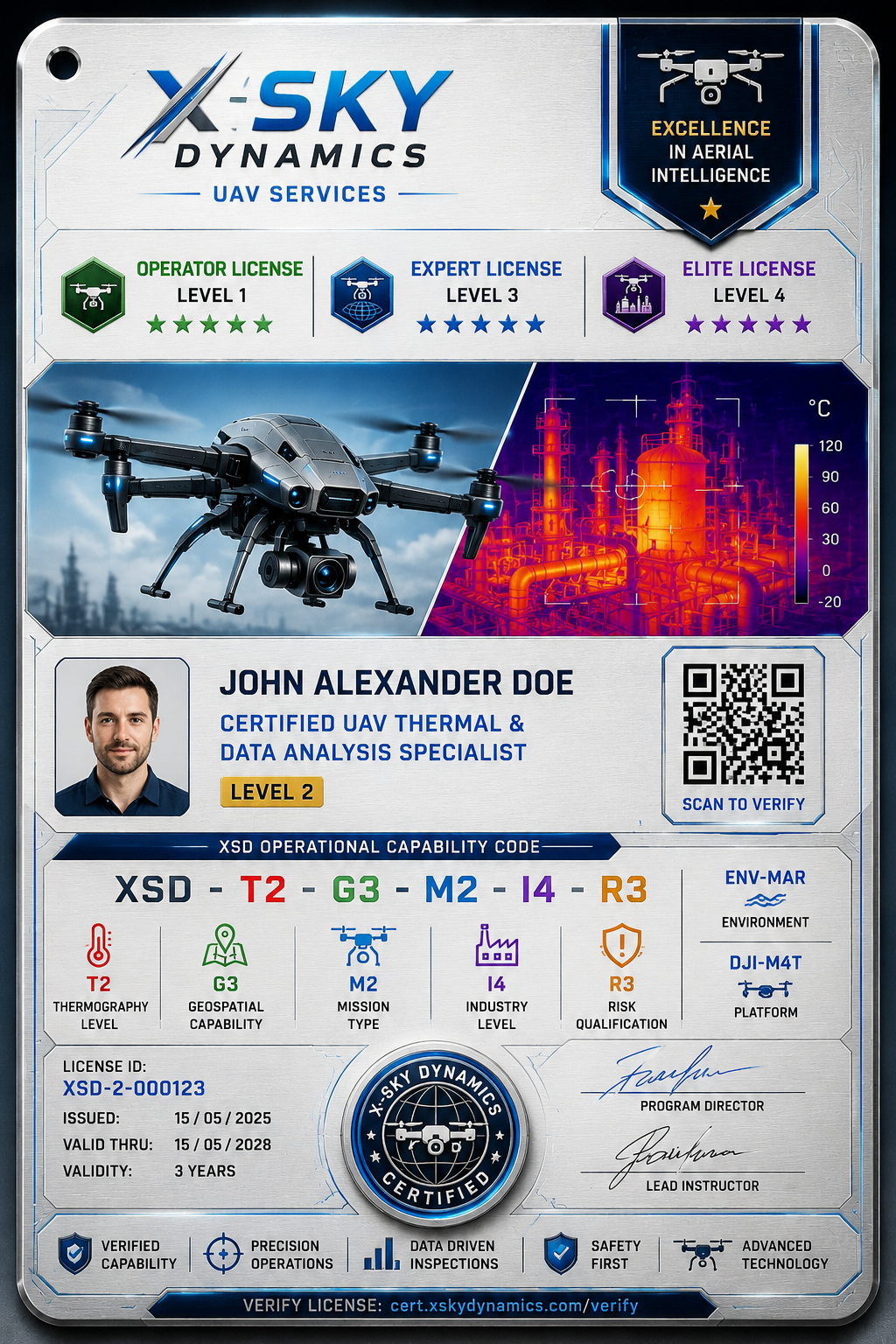
Professional Thermography Training, Qualification & Certification Framework for UAV-drone operators
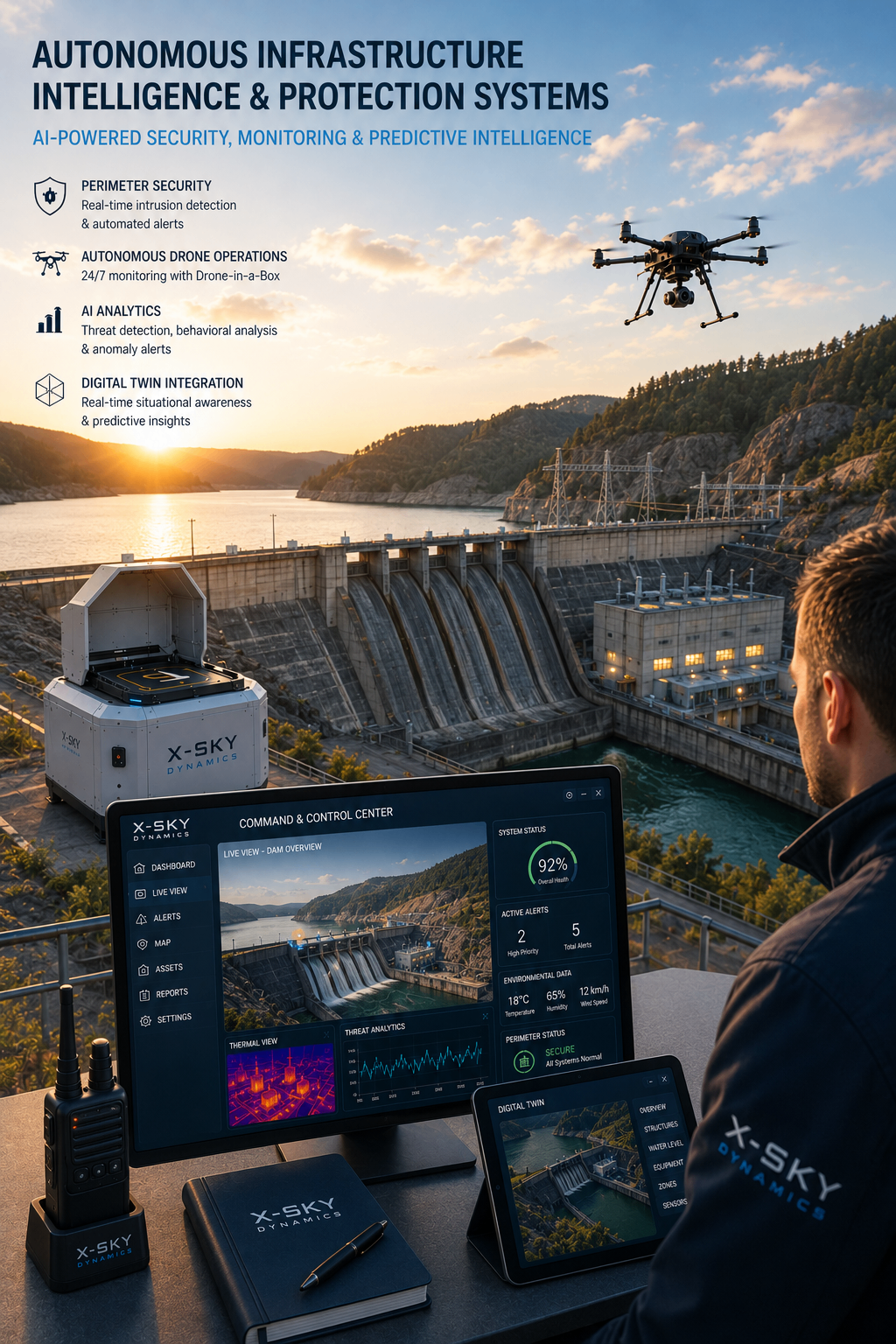
Monitoring, Defense & Predictive Infrastructure Platforms
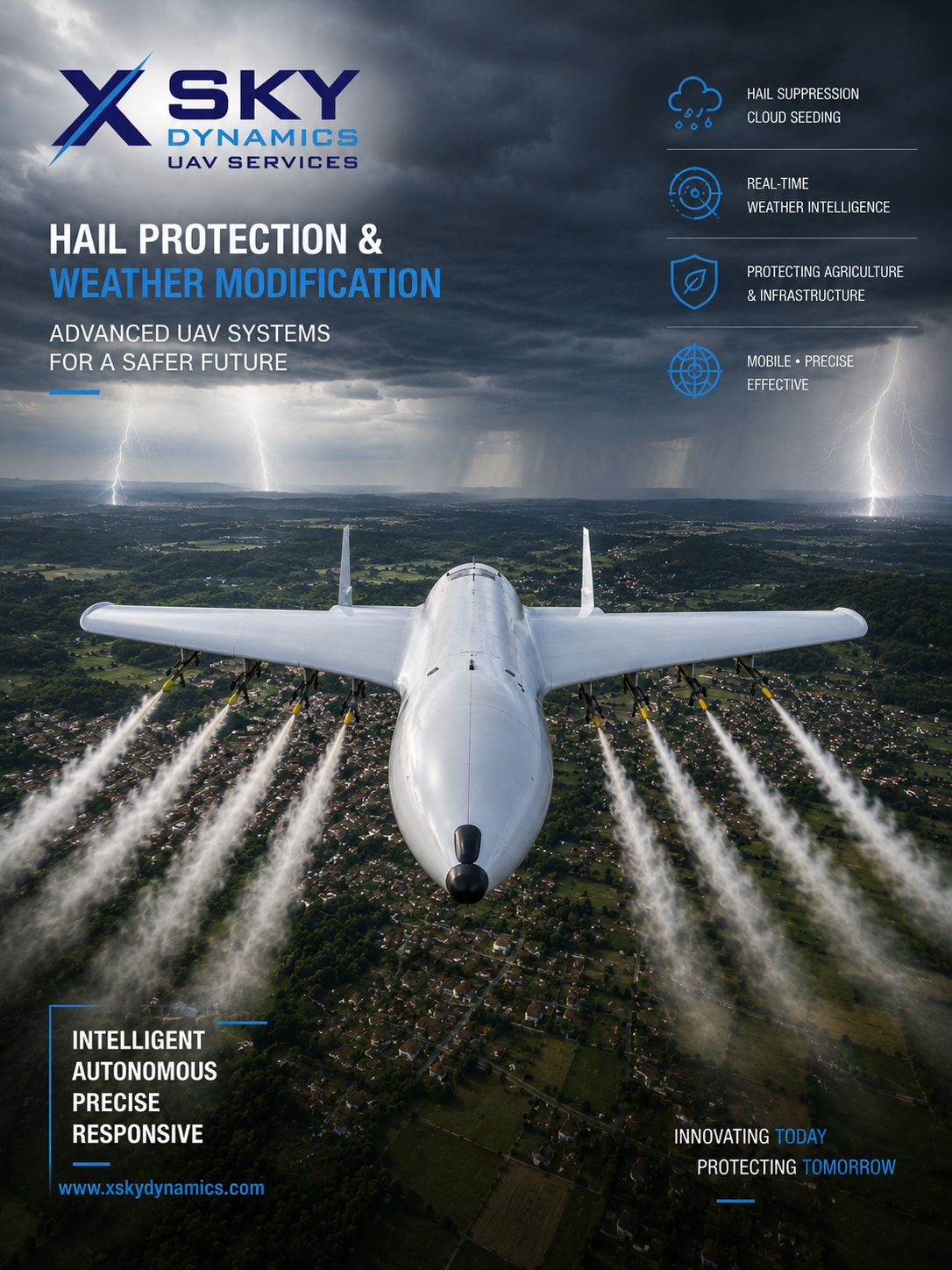
UAV Systems for Hail Suppression, Weather Modification

eVTOL Intelligent Ultra-Light Electric Aircrafts ANTG
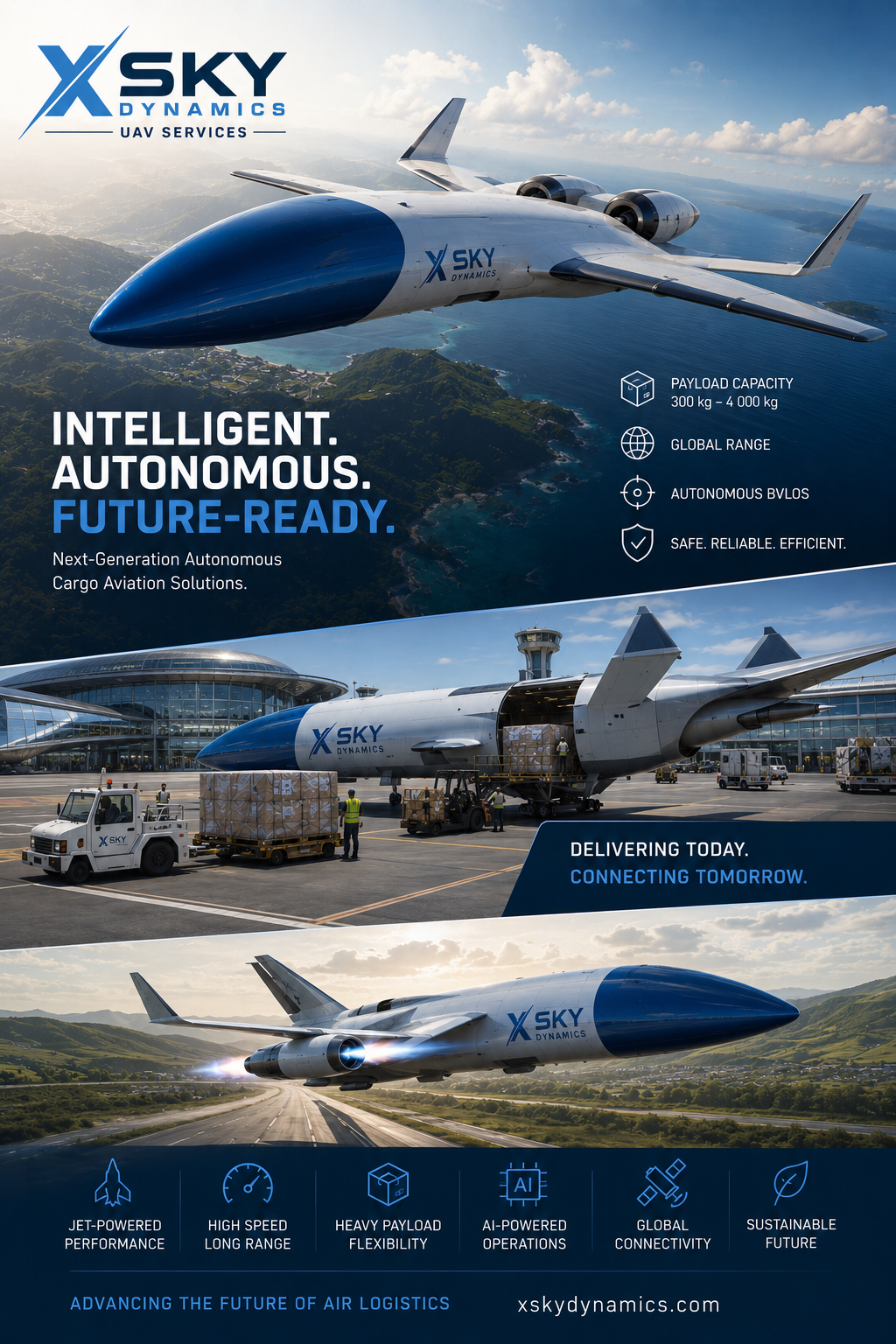
Cargo Air Mobility Systems - Cargo UAV Aircraft
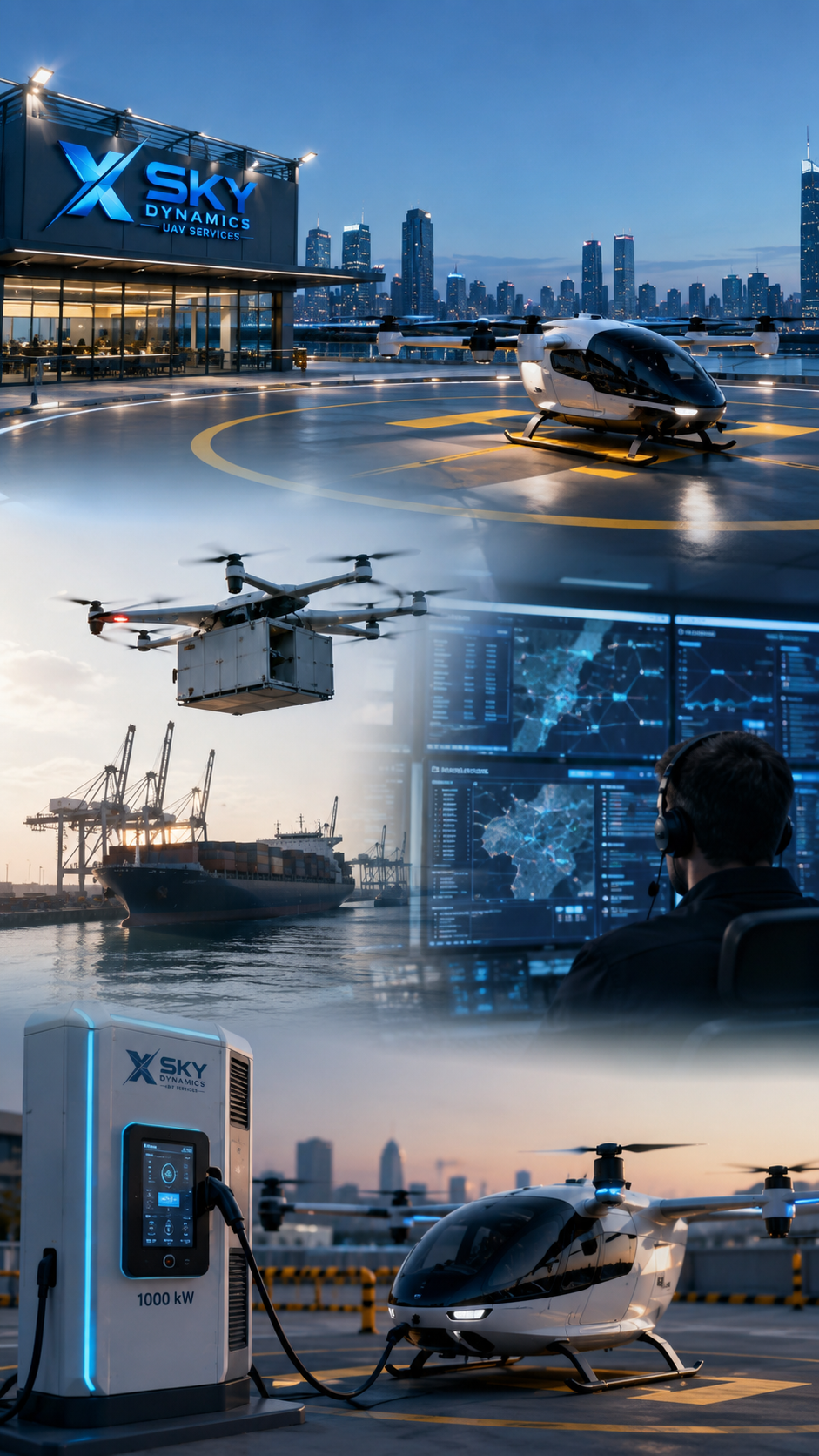
eVTOL Vertiports Infrastructure & Advanced Air Mobility
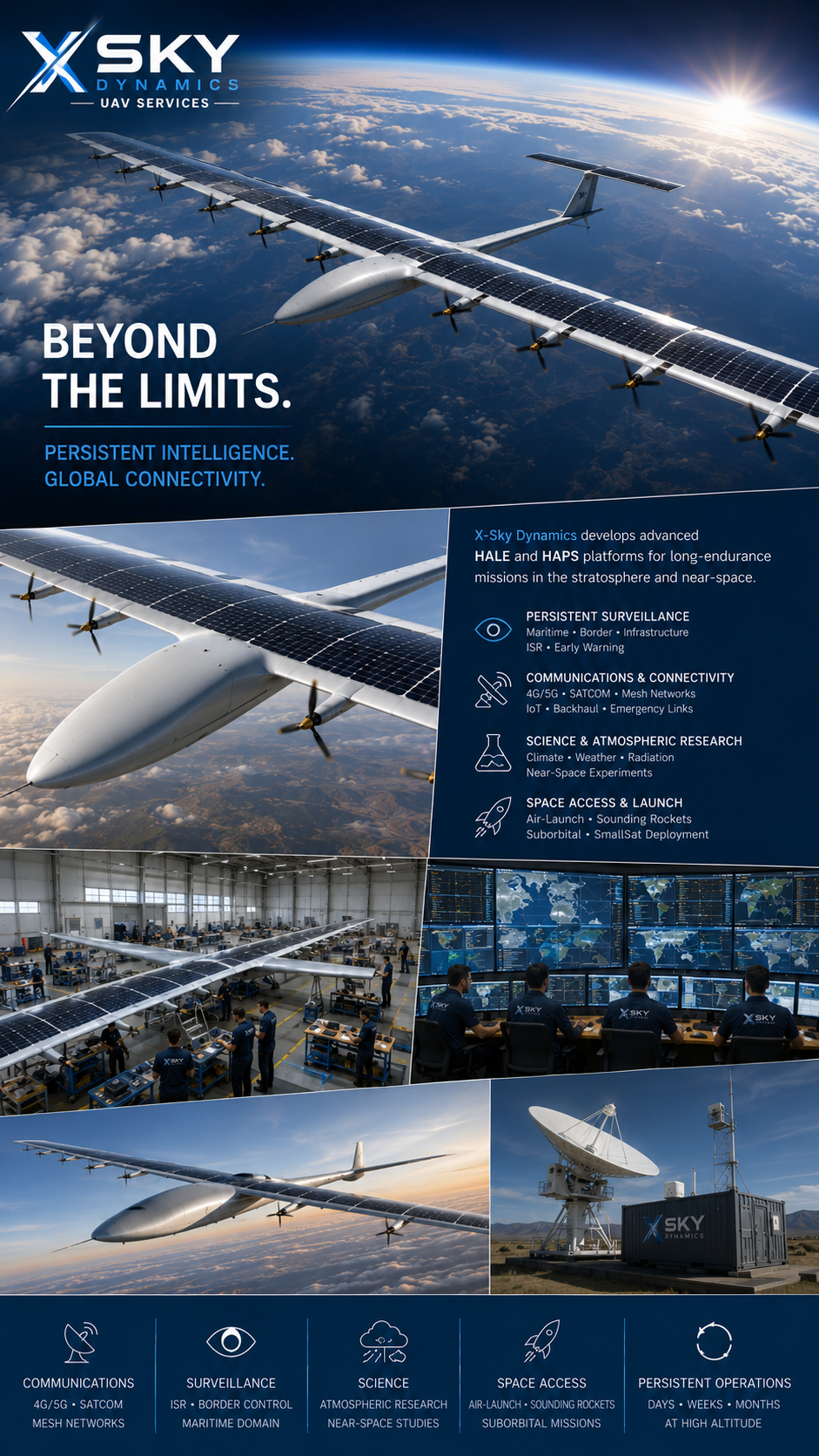
Solar & Hybrid Stratospheric Unmanned Platforms
Heavy-Lift Rescue Drones
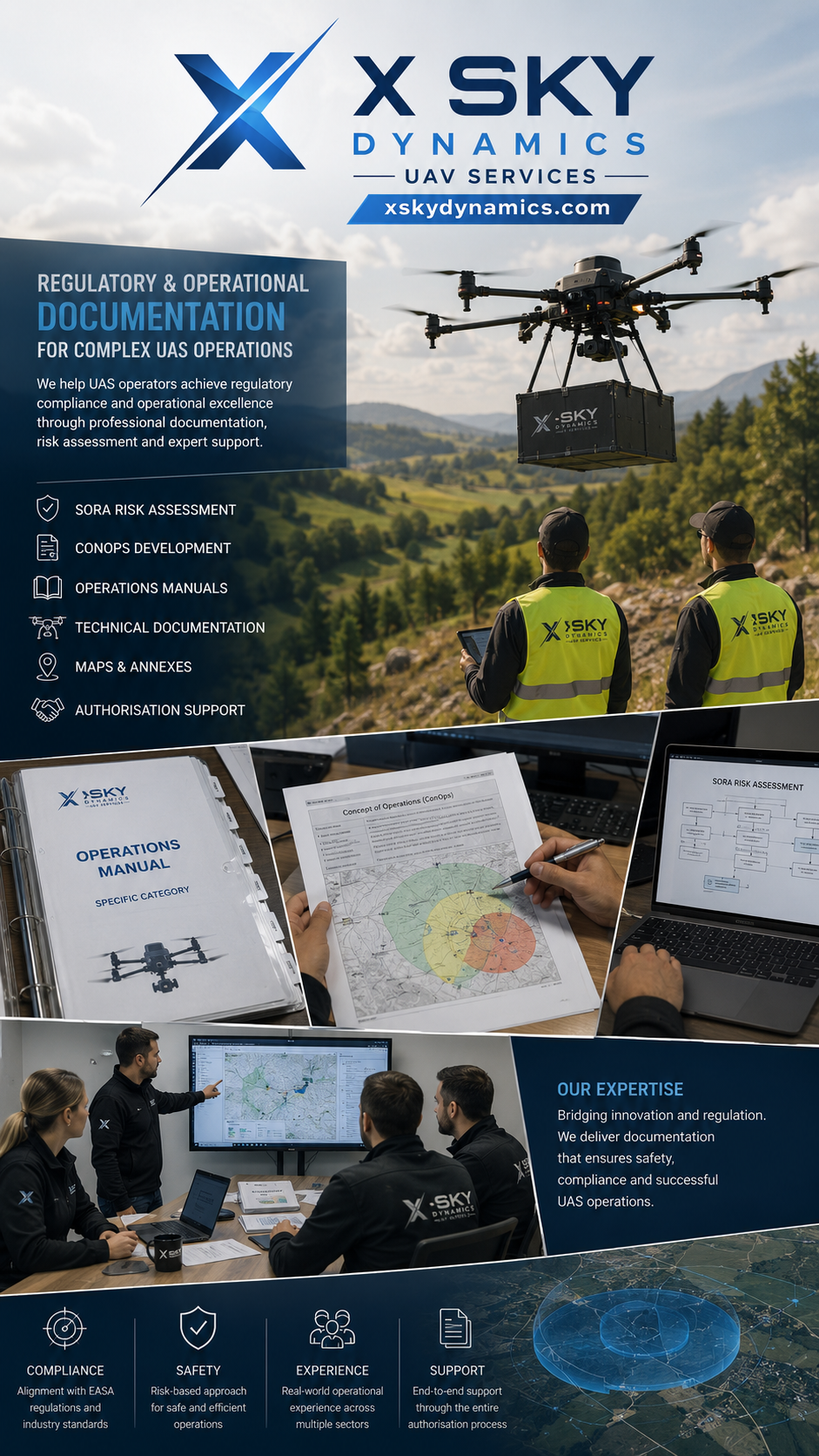
Specific Category & SORA Documentation

Remote Video Production