


 WeCom / WeChat Business
[ SERVICES / SOLAR & HYBRID STRATOSPHERIC UNMANNED PLATFORMS ]
/ SERVICE #47
Solar & Hybrid Stratospheric Unmanned Platforms
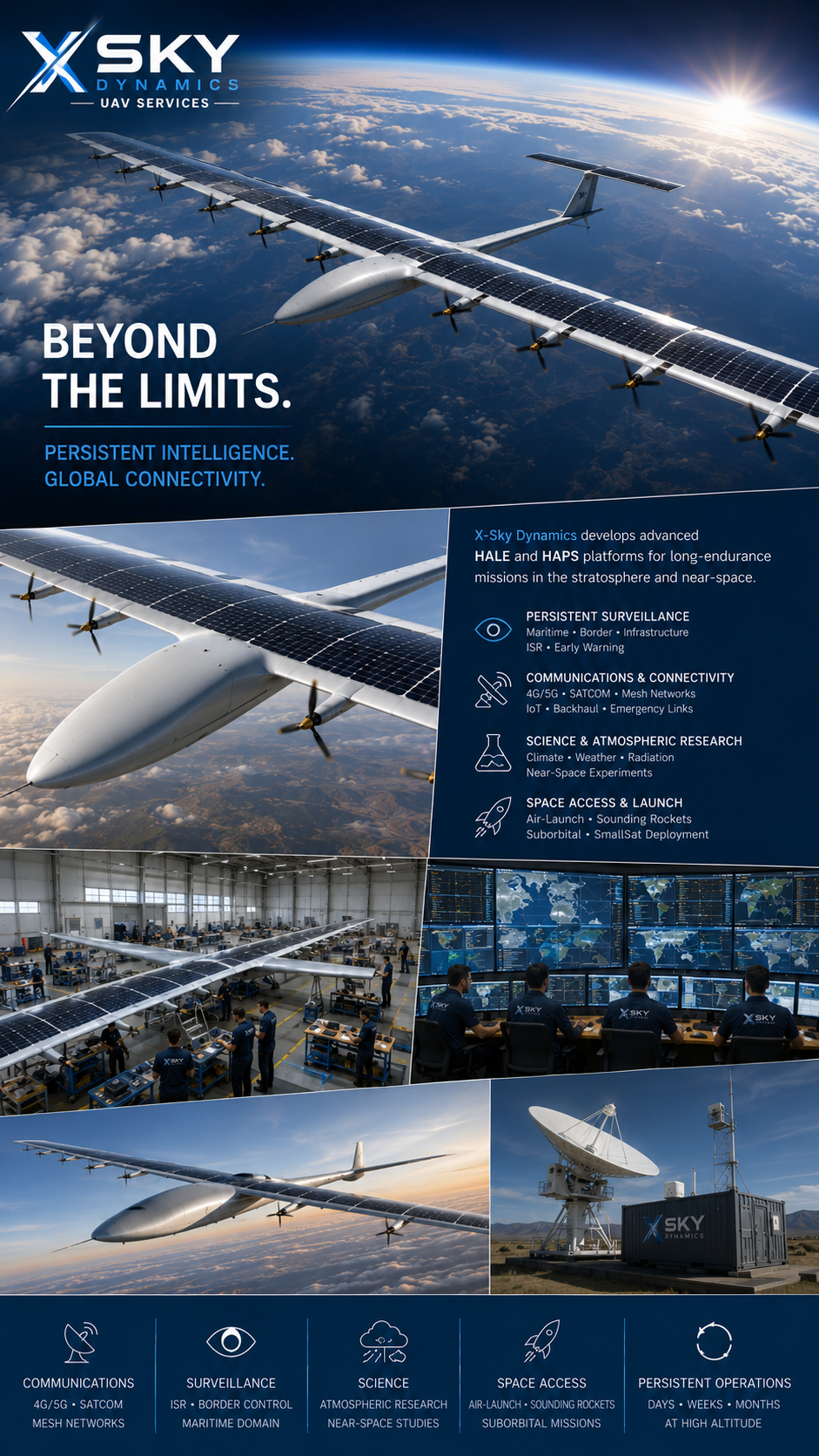
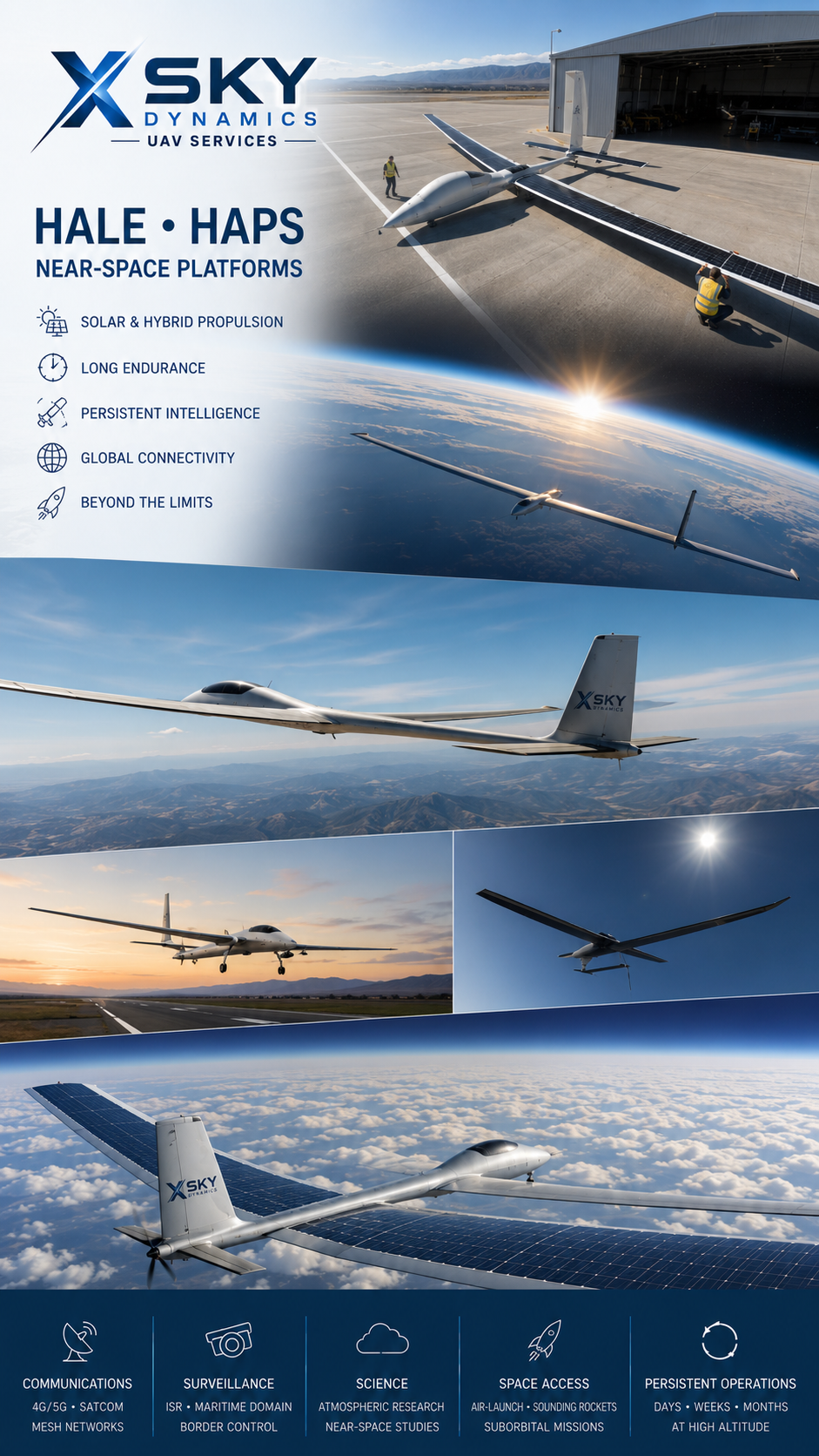
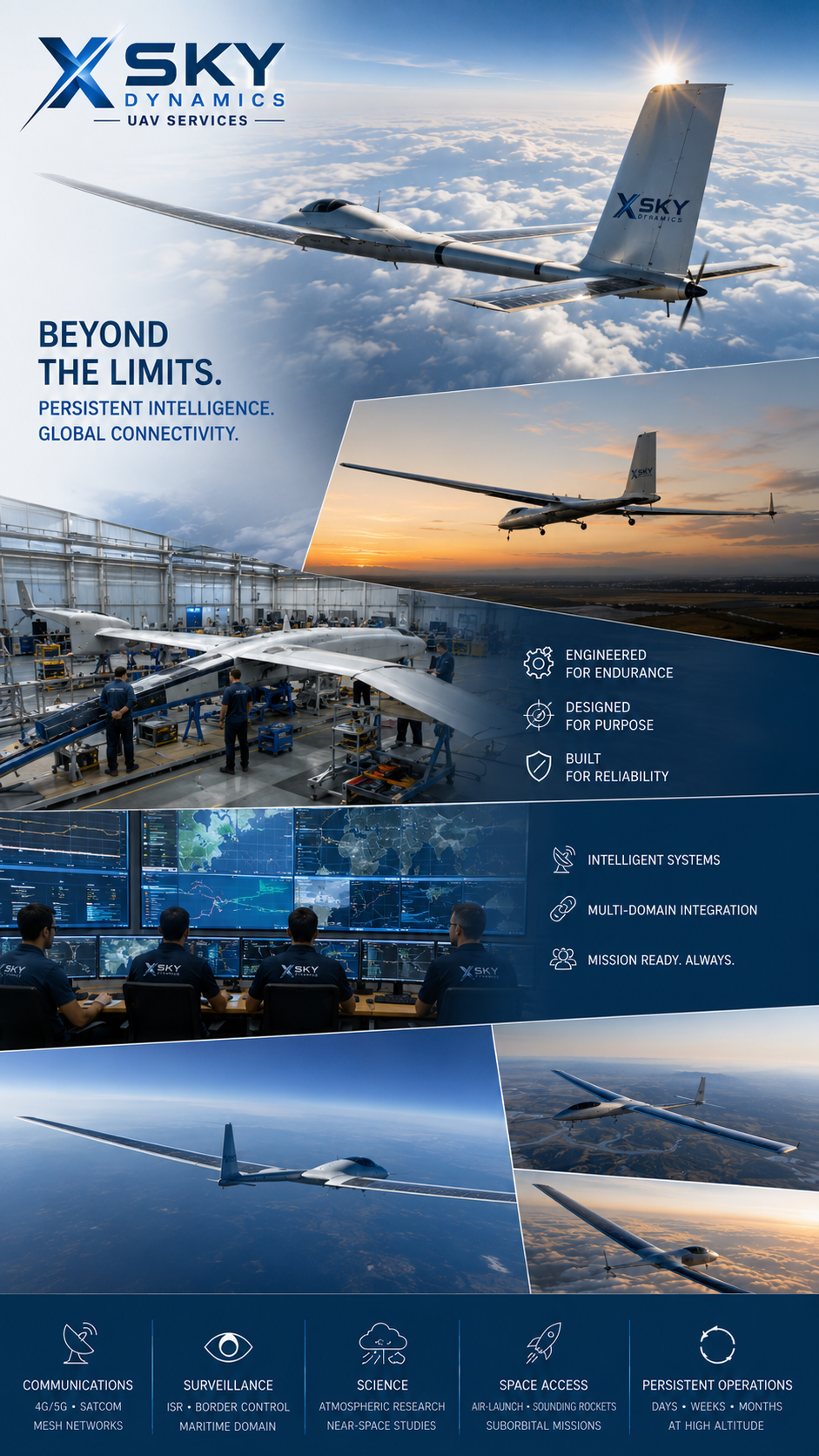
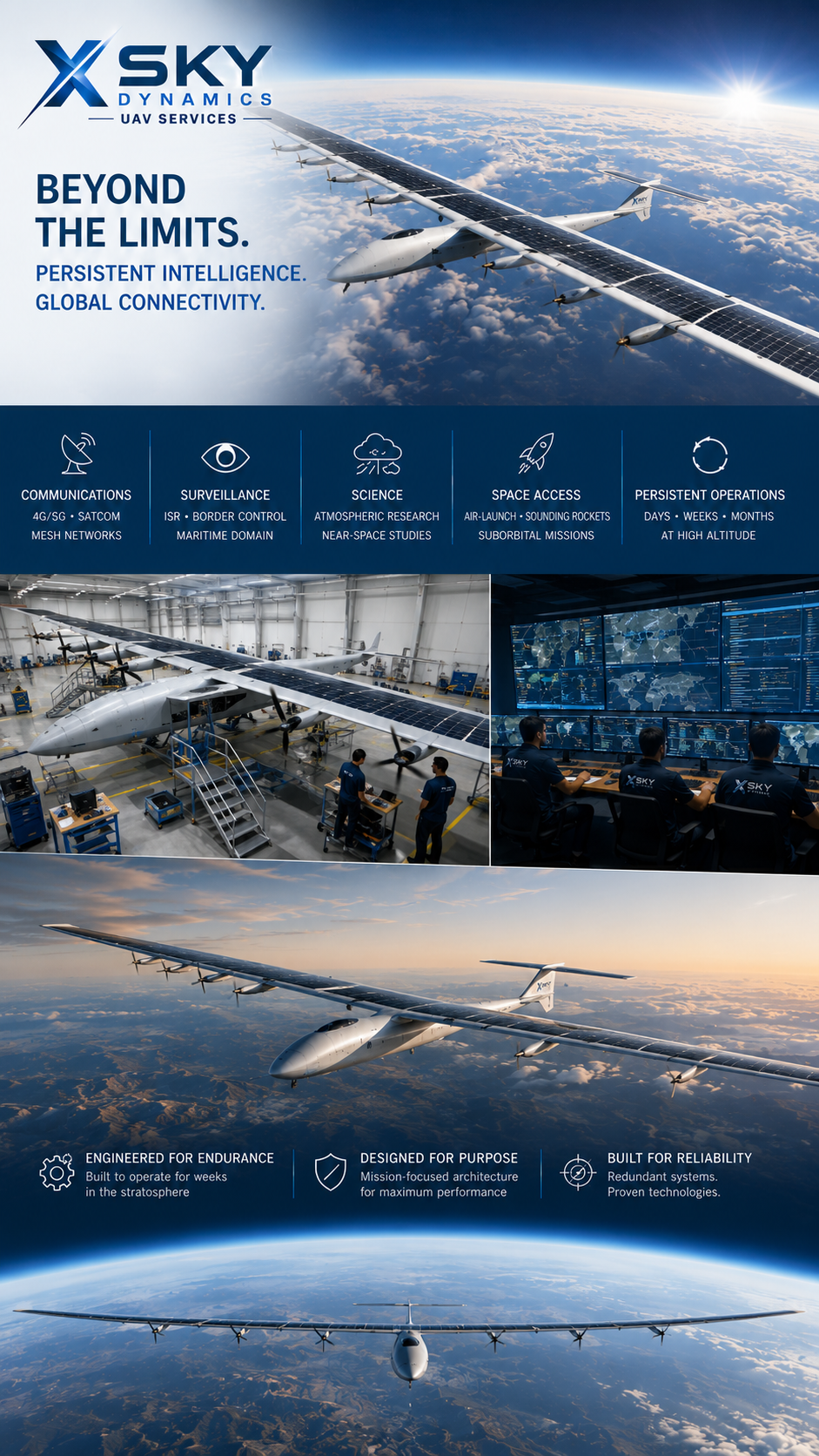
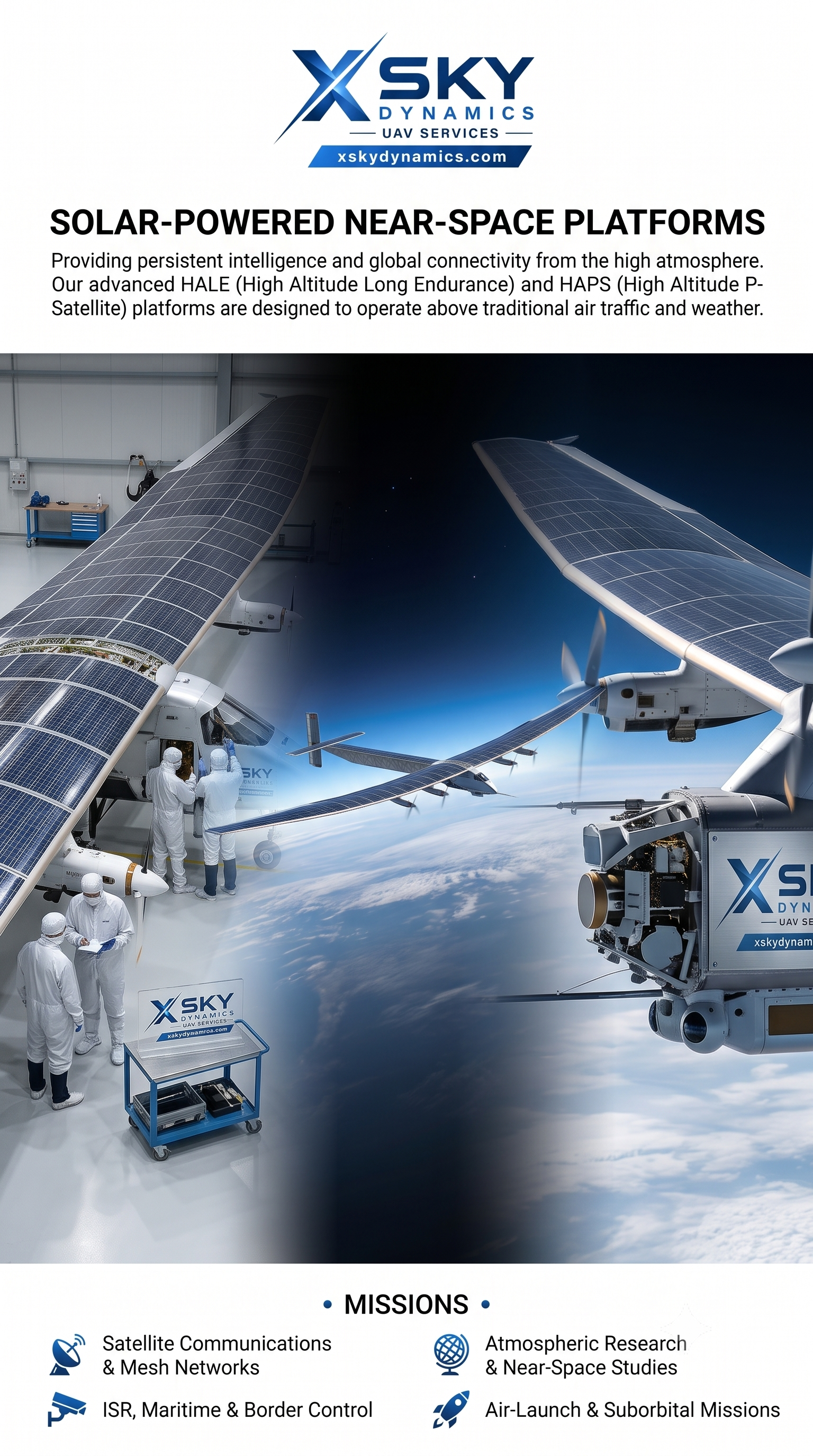
X-Sky Dynamics designs and develops solar and hybrid unmanned aerial platforms (HALE / HAPS) intended for long-endurance missions in the upper atmosphere and stratosphere, including near-space operations and air-launched space systems.
/ 01
Engineering • Development • Systems Integration • Flight Validation • Operational Deployment
X-Sky Dynamics designs and develops advanced solar-powered and hybrid unmanned aerial platforms engineered for persistent operations in the upper atmosphere and the stratosphere. Our systems are developed in collaboration with specialized international technology, aerospace, and research partners, with X-Sky Dynamics serving as the lead system architect responsible for defining the overall platform architecture, operational concept, subsystem integration, flight validation, and preparation for operational deployment. Our engineering approach extends far beyond the aircraft itself. We develop complete mission ecosystems that integrate every critical element required for long-endurance stratospheric operations, including:
- Aerodynamic and structural engineering
- Solar and hybrid propulsion systems
- Energy generation, storage and management
- Autonomous flight control
- Communications and navigation systems
- Mission payload integration
- Ground Control Centers
- Digital Twin platforms
- Mission planning and management
- Airspace integration
- Regulatory and certification support
- Flight testing and operational deployment
The platforms developed by X-Sky Dynamics are designed to conduct missions lasting from several days and weeks to significantly longer operational periods while operating within the strategic airspace between conventional aviation and the space segment. These systems are capable of functioning as recoverable atmospheric platforms supporting communications, persistent surveillance, scientific research, navigation, security applications, and future Near-Space missions.
A New Operational Layer Between Aviation and Space
Stratospheric unmanned systems are creating an entirely new operational domain positioned between conventional aircraft and satellites. Traditional aircraft offer high payload capacity and operational flexibility but remain constrained by fuel endurance, maintenance requirements, limited mission duration, and operating costs. Satellites provide extensive regional or global coverage; however, orbital deployment is complex and expensive, while post-launch servicing, modernization, or payload replacement remains extremely limited. The HALE and HAPS platforms developed by X-Sky Dynamics bridge the gap between these two operational domains. They are designed to:
- Maintain persistent presence over a designated area
- Provide continuous communication or surveillance capabilities
- Relocate rapidly between operational regions
- Return for maintenance, upgrades, and payload replacement
- Integrate seamlessly with terrestrial and satellite infrastructures
- Deliver lower communication latency
- Provide persistent localized coverage
- Support civil, scientific, industrial, governmental, and defense
missions Depending on platform configuration, payload, and mission profile, typical operating altitudes may range from approximately 6 to 30 kilometers. Operating at these altitudes enables a single platform to monitor or support vast geographical areas while remaining significantly closer to the Earth\'s surface than orbital systems, providing enhanced responsiveness and higher operational flexibility.
/ 02
Solar HAPS Platforms
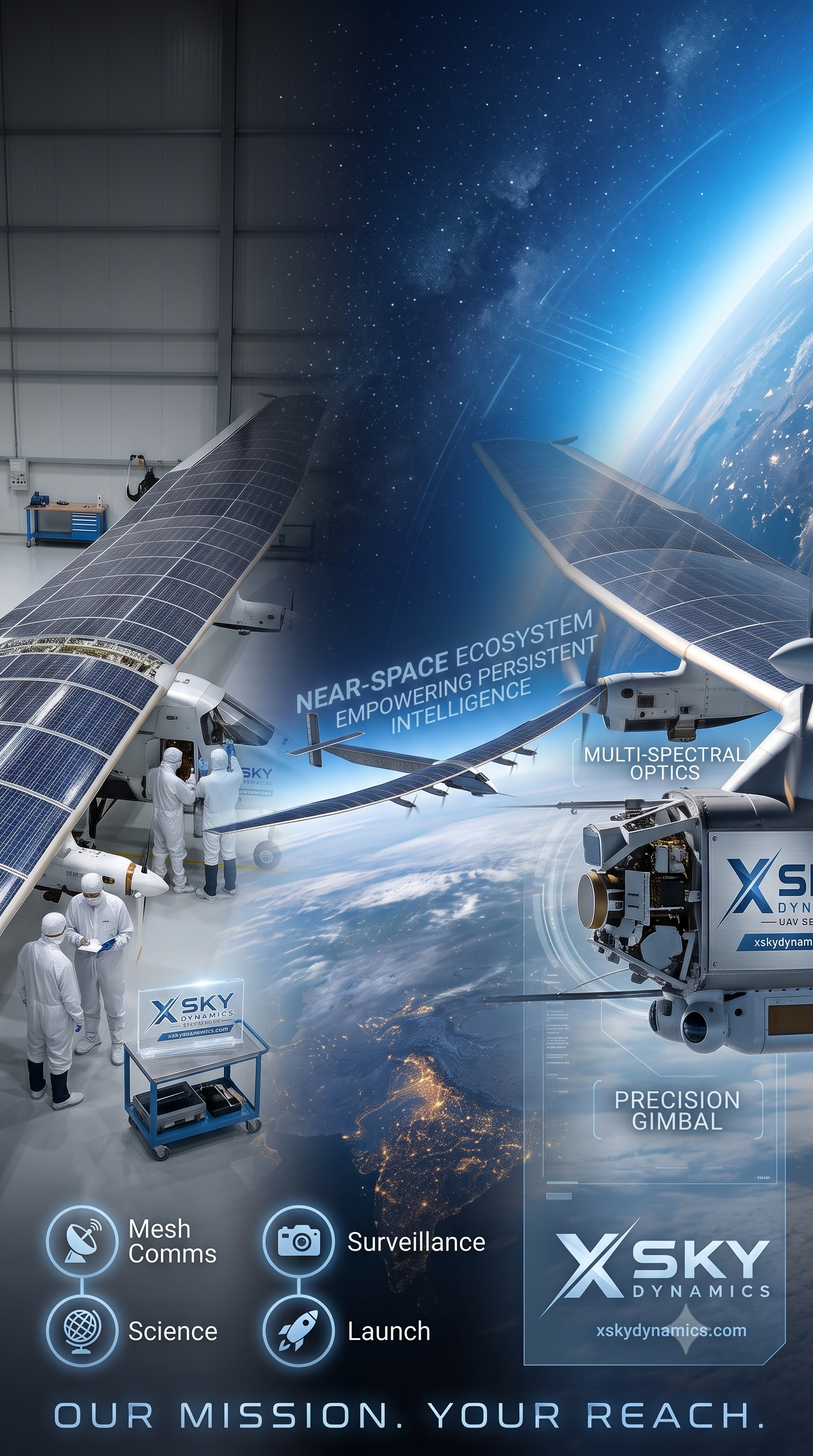
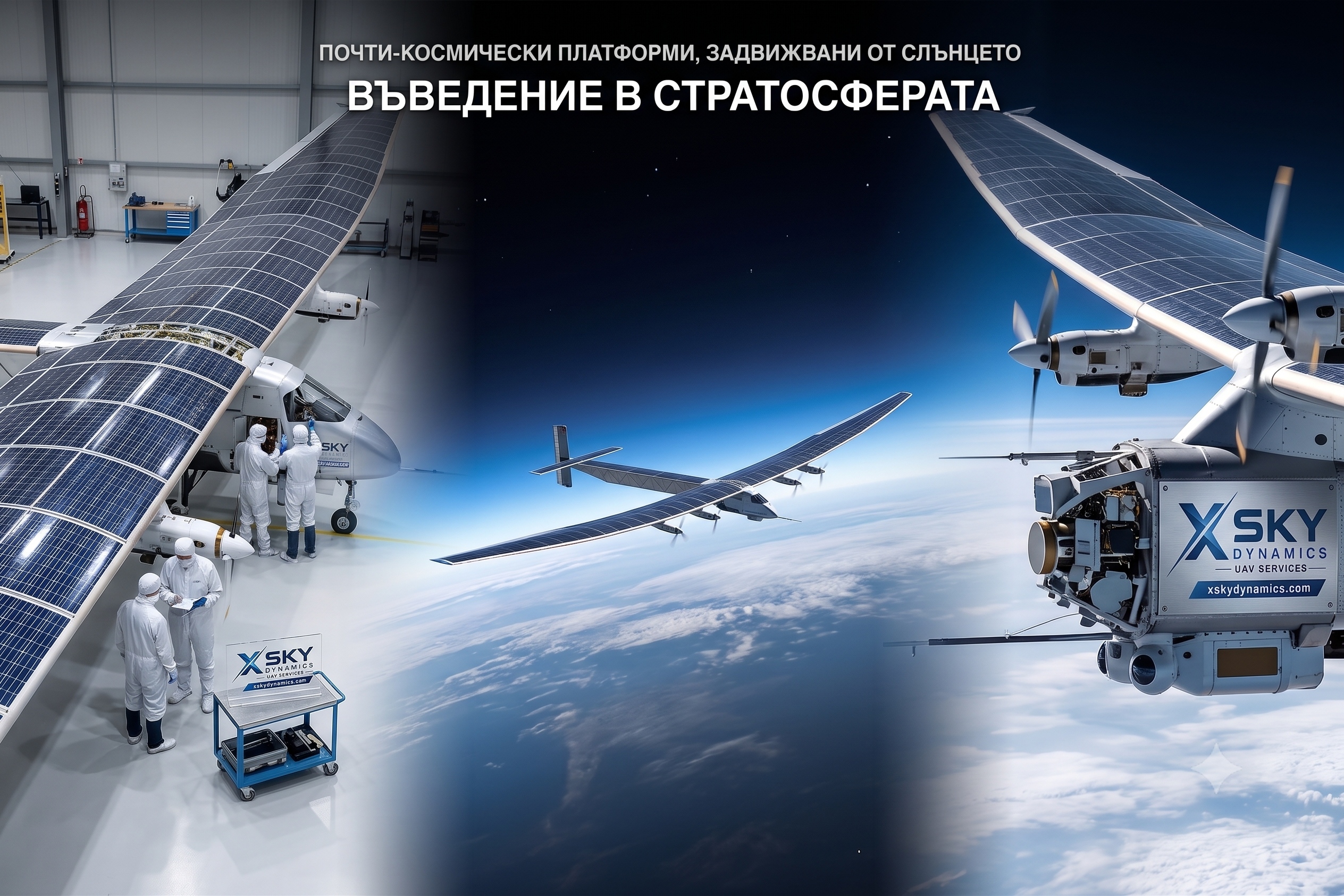
Our Solar HAPS concepts are engineered to maximize energy efficiency, minimize structural weight, and achieve exceptional flight endurance. The upper wing surface serves as a large-area photovoltaic array integrating high-efficiency solar cells. During daylight operations, the generated electrical energy is used to:
- Power the propulsion system
- Supply flight control and communication systems
- Operate mission payloads
- Recharge onboard battery systems
- Build the energy reserve required for overnight operations
After sunset, the platform transitions seamlessly to stored battery power, maintaining uninterrupted mission continuity. Every platform is engineered around a continuous energy management architecture balancing:
- Solar energy generation
- Propulsion power requirements
- Payload power consumption
- Battery state-of-charge
- Day and night operational cycles
- Atmospheric conditions
- Station-keeping requirements
- Emergency power reserves
Core engineering technologies may include:
- Ultra-lightweight composite airframes
- High-aspect-ratio wing architecture
- Distributed electric propulsion
- High-efficiency electric motors
- Optimized propeller systems
- High-voltage battery technology
- MPPT solar power management
- Autonomous energy management
- Redundant flight computers
- Continuous health monitoring
- Automated trajectory optimization
The exceptionally large wingspan provides outstanding aerodynamic efficiency while demanding extremely precise management of structural weight, aeroelastic behavior, atmospheric turbulence, and ground handling operations.
/ 03
Hybrid HALE Platforms
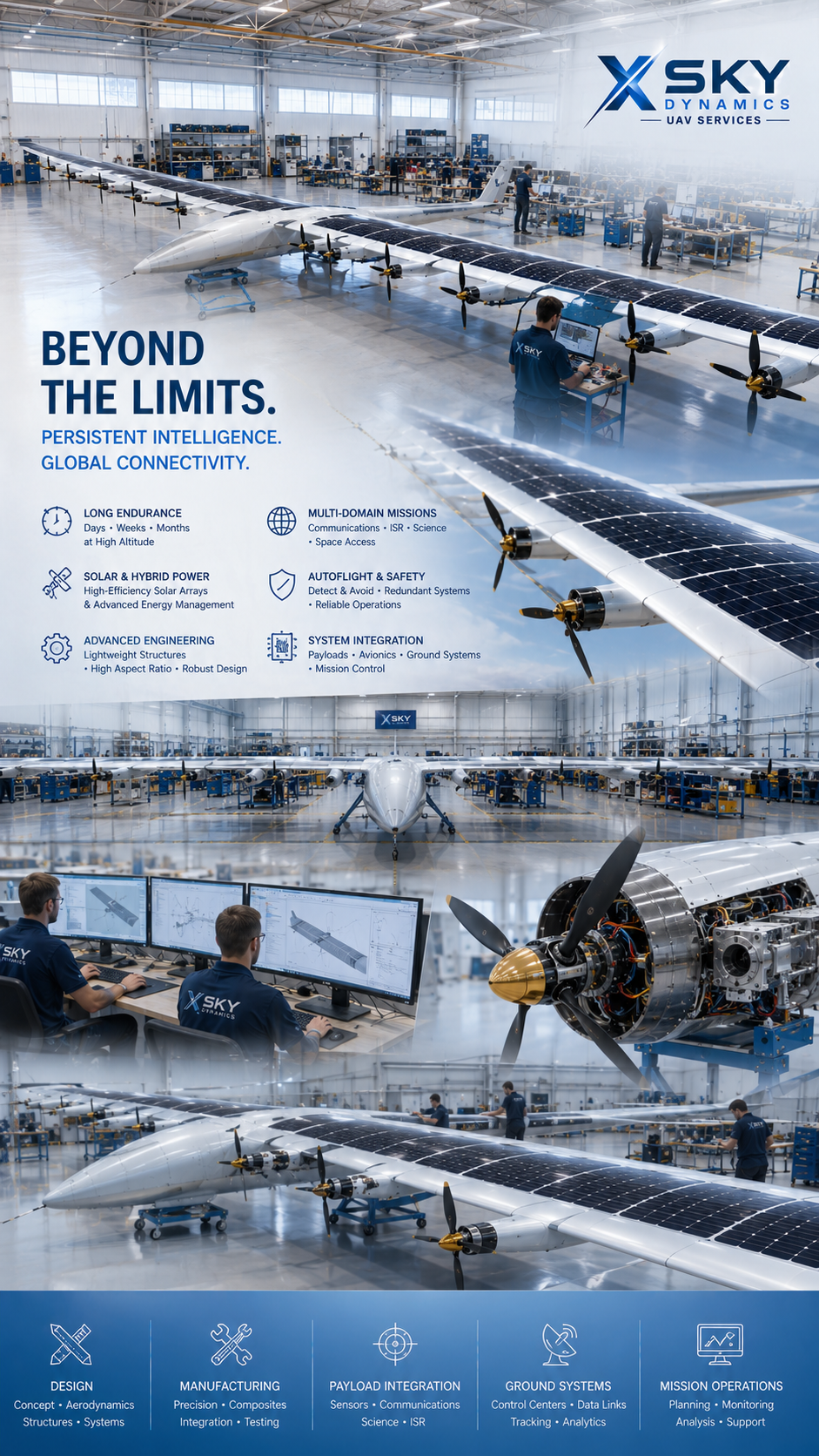
Fully solar-powered platforms provide unmatched endurance but are naturally constrained in payload capacity and available onboard power. For missions requiring heavier sensor suites, greater airspeed, faster climb performance, or increased operational flexibility, X-Sky Dynamics develops advanced Hybrid HALE platform concepts. The hybrid architecture may integrate:
- Solar arrays
- High-voltage battery systems
- Hydrogen fuel cells
- Electrical generators
- Internal combustion engines
- Turbo-generators
- Sustainable Aviation Fuels (SAF)
- Modular energy systems
Different energy sources can be utilized dynamically according to each mission phase. Additional power may be deployed during:
- Takeoff
- Initial climb
- Turbulence penetration
- High-wind operations
- Rapid repositioning
- Emergency maneuvering
- High-power payload operations
- Accelerated return-to-base procedures
Upon reaching operational altitude, the platform transitions into an optimized cruise mode where solar generation and battery storage become the primary energy sources. This hybrid philosophy delivers an optimal balance between:
- Mission endurance
- Payload capacity
- Available electrical power
- Climb performance
- Environmental resilience
- Operational flexibility
- Integration of heavier mission payloads
Autonomous Energy Management
/ 04
Energy architecture represents one of the most critical engineering elements within any solar or hybrid stratospheric platform. Our intelligent energy management systems continuously monitor and optimize:
- Solar power generation
- Battery health and capacity
- Cell temperature
- Propulsion power
- Payload energy consumption
- Communication system load
- Upcoming night-cycle duration
- Solar radiation forecasting
- Multi-layer wind conditions
- Safe return energy reserves
- Long-term component degradation
AI-driven mission management continuously adjusts:
- Operating altitude
- Airspeed
- Flight trajectory
- Propulsion settings
- Sensor activation schedules
- Communication power allocation
- Payload duty cycles
- Battery charging and discharge strategies
During persistent missions, flight management and energy management operate as a unified intelligent system. Whenever required, the platform can automatically reduce the power consumption of non-essential subsystems to preserve sufficient energy reserves for safe flight continuation and successful mission completion.
Intelligent Positioning and Station-Keeping
A stratospheric platform does not remain stationary in the air. It must continuously compensate for atmospheric currents and manage its flight path in order to remain within a predefined operational area. Our autonomous positioning systems may incorporate:
- Stratospheric wind forecasting
- Atmospheric layer analysis
- Dynamic altitude selection
- High-precision GNSS navigation
- Inertial navigation systems
- Autonomous route planning
- Energy reserve management
- Secure communication links
- Automated avoidance of restricted airspace
- Predefined lost-link procedures
/ 05
Rather than continuously opposing strong headwinds, the platform can adjust its altitude and use an atmospheric layer with more favorable wind conditions. This reduces energy consumption and extends mission endurance.
Payload and Mission Configuration
Each platform is developed around a specific mission profile and its required payload configuration. Potential payload systems may include:
- High-resolution electro-optical cameras
- Infrared imaging systems
- Multispectral and hyperspectral sensors
- SAR and other radar systems
- AIS and ADS-B receivers
- 4G and 5G communication modules
- SATCOM equipment
- Communication relay systems
- Laser communication terminals
- Meteorological and atmospheric sensors
- Electronic surveillance systems
- Early wildfire detection systems
- Maritime and border surveillance systems
- Navigation and PNT solutions
- Scientific and experimental equipment
The modular architecture enables payloads to be replaced, upgraded, or reconfigured after the platform returns to the ground. Hybrid platforms can accommodate heavier and more power-intensive systems, including radar payloads, multi-sensor mission suites, and high-power communication equipment.
HAPS Communication Systems
/ 06
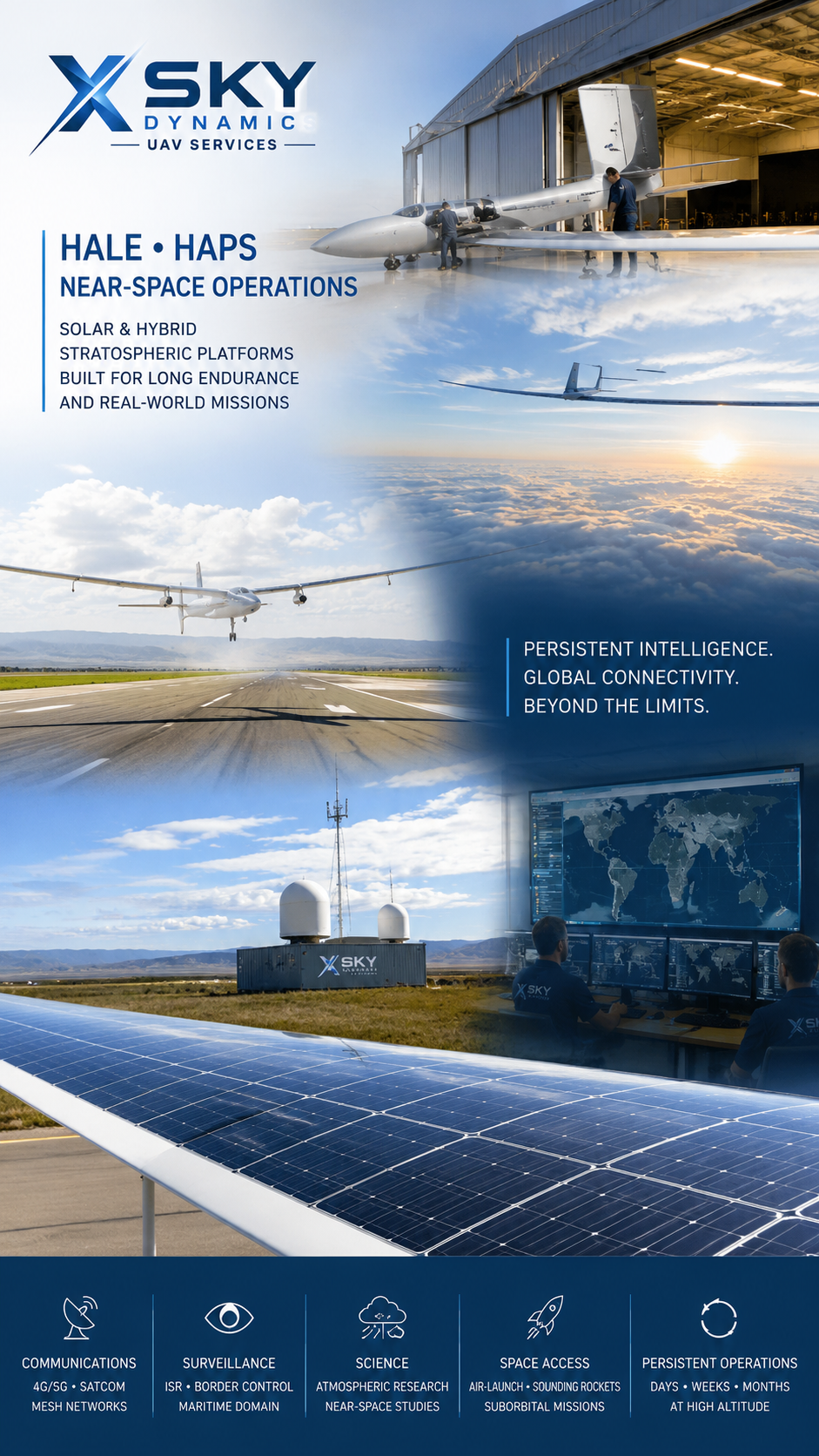
One of the primary areas of application is the development of high-altitude communication networks. The platform can operate as:
- An airborne base station
- A 4G or 5G communication node
- A high-altitude relay
- A backup telecommunications system
- An airborne mesh-network node
- An IoT gateway
- A link between terrestrial, airborne, and satellite systems
- Emergency communication infrastructure
- A communication node for maritime and offshore operations
These solutions can provide coverage for:
- Remote communities
- Mountainous regions
- Island territories
- Maritime areas
- Offshore facilities
- Large industrial sites
- Areas with damaged or unavailable terrestrial infrastructure
- Disaster and crisis zones
- Temporary operations and large-scale events
Compared with satellite systems, a stratospheric platform can offer lower latency, local repositioning capability, and easier modernization of the communication payload.
Persistent Surveillance and Monitoring
The stratospheric systems developed by X-Sky Dynamics can provide continuous or long-duration monitoring of a designated area. Potential applications include:
- Maritime surveillance
- Vessel traffic monitoring
- Port surveillance
- Border security
- Critical infrastructure monitoring
- Oil and gas pipeline monitoring
- Power transmission network surveillance
- Early wildfire detection
- Flood and disaster monitoring
- Coastal erosion and marine pollution monitoring
- Support for Search and Rescue operations
- Monitoring of large industrial zones
- ISR and security missions
/ 07
Persistent presence creates a continuous operational picture and enables the detection of changes that may remain unnoticed during periodic satellite or aircraft-based observation.
Scientific and Atmospheric Missions
Stratospheric platforms can be configured as high-altitude scientific laboratories. They can perform long-duration measurements of:
- Temperature
- Atmospheric pressure
- Humidity
- Ozone concentration
- Aerosols
- Solar radiation
- Gas concentrations
- Particulate matter
- Atmospheric currents
- The electromagnetic environment
- Cosmic radiation
- Upper-atmospheric processes
The ability to remain over a specific area or follow a predefined flight path creates new opportunities for climate, meteorological, atmospheric, and Near-Space research.
Integration with the Terrestrial and Space Segments
/ 08
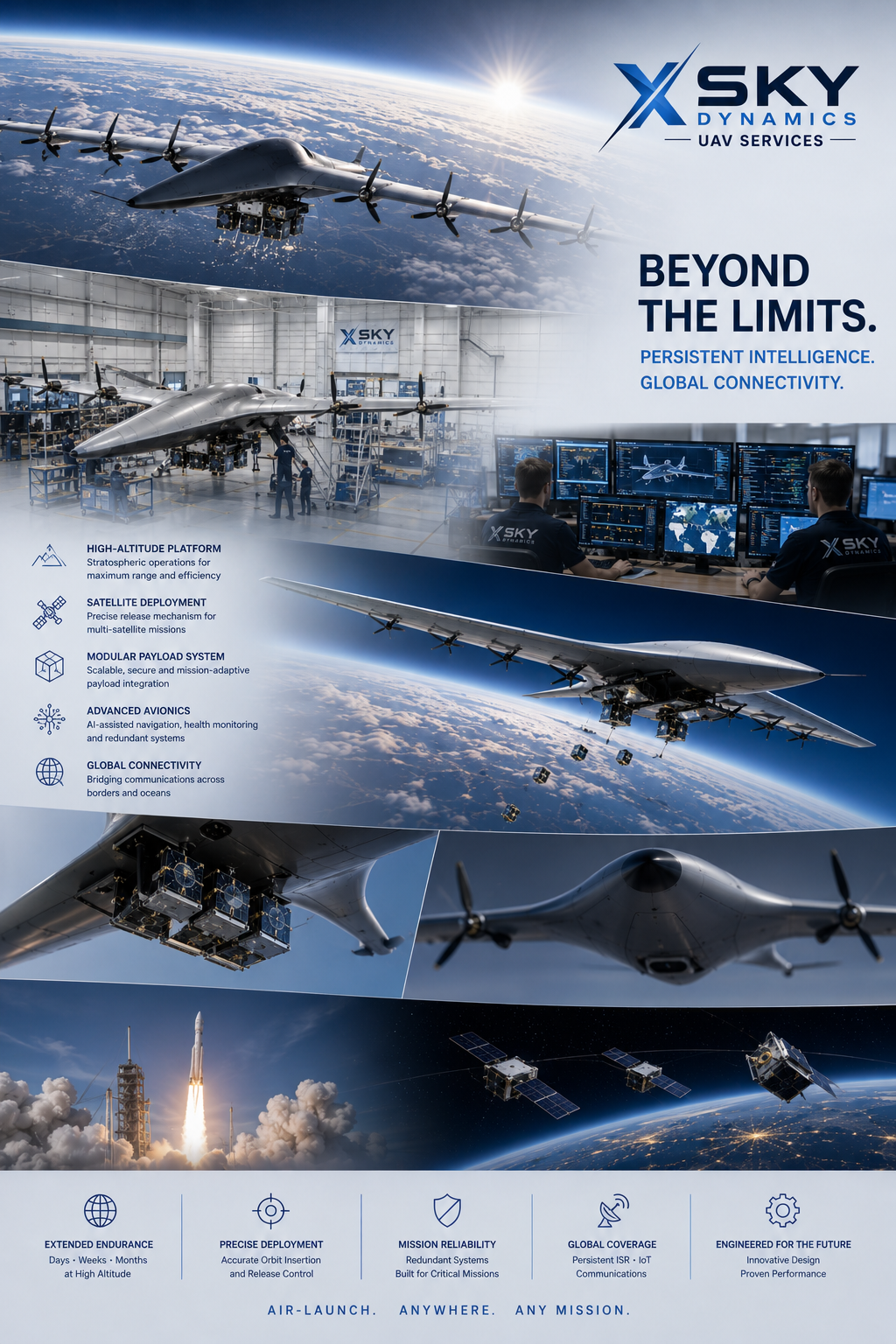
X-Sky Dynamics develops stratospheric systems as part of an integrated, multi-layer operational architecture. This architecture may bring together:
- Terrestrial communication networks
- Low-altitude unmanned systems
- Manned aviation
- HALE and HAPS platforms
- Low-Earth-orbit satellites
- Geostationary communication systems
- Ground-based command, control, and data centers
The stratospheric segment is not intended to replace satellites or terrestrial networks. It complements them by providing:
- Persistent localized coverage
- Lower communication latency
- Recoverability and repair capability
- Payload modernization and replacement
- Rapid deployment over crisis-affected areas
- High spatial resolution
- Reduced dependence on orbital overpass windows
- Flexible and phased network deployment
Stratospheric Carrier Platform
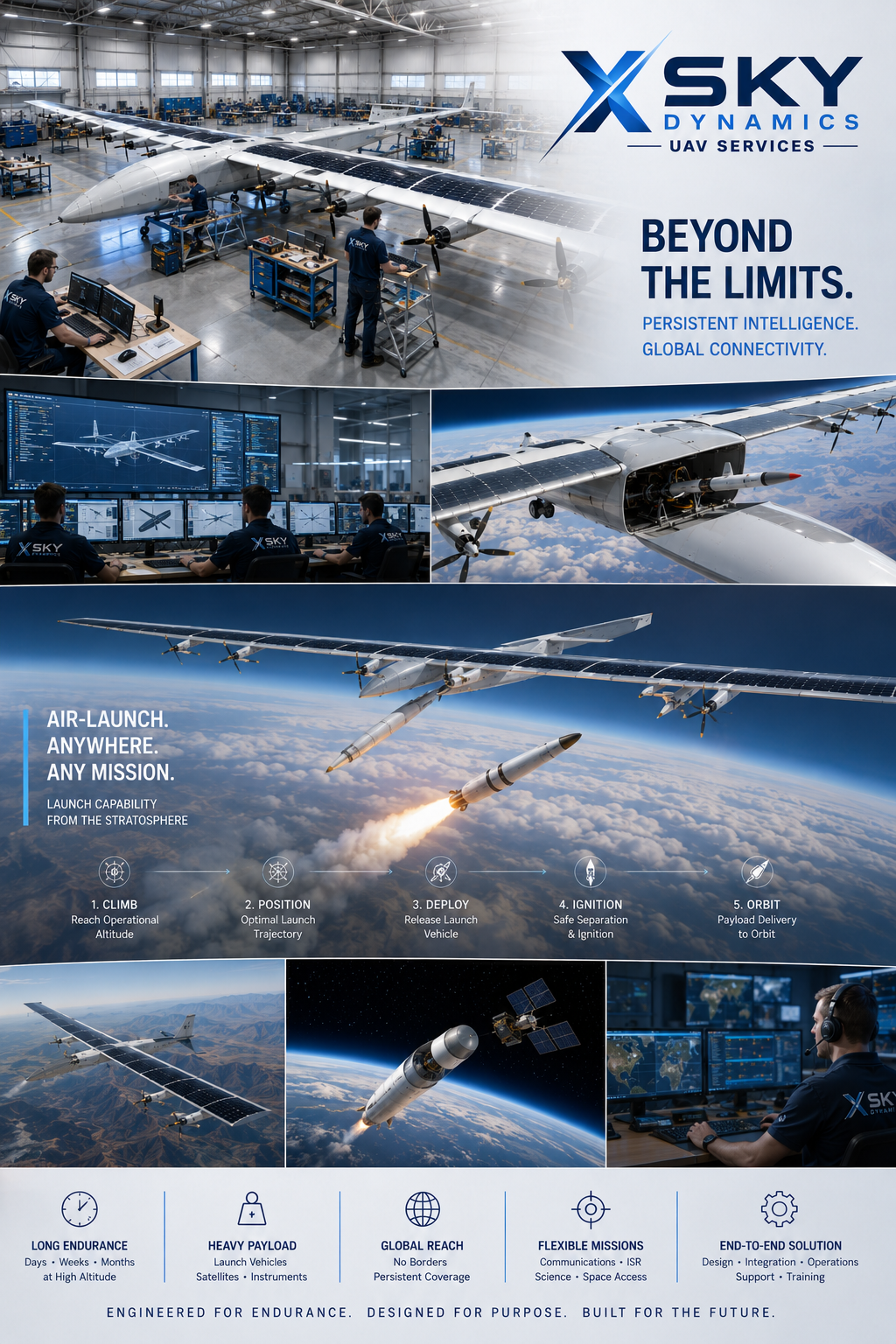
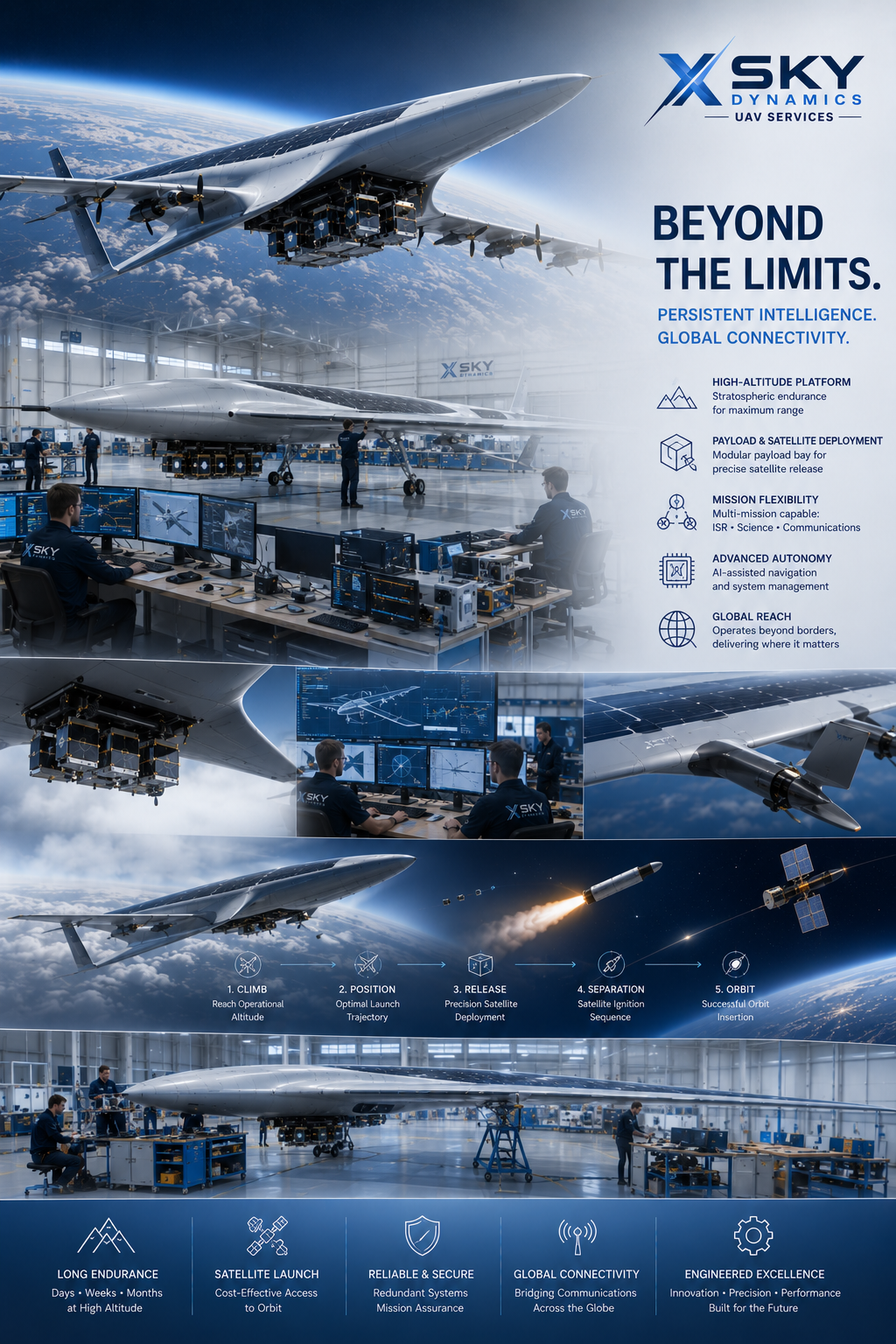
A separate area of our development activity is the creation of specialized high-altitude carrier platforms. These systems may be designed for the airborne release of:
- Scientific probes
- Atmospheric vehicles
- Experimental payloads
- Sounding rockets
- Suborbital systems
- Small hypersonic vehicles
- Space-component test articles
- Future small launch vehicles
- CubeSat and SmallSat systems
Unlike standard ultra-light Solar HAPS systems, a dedicated stratospheric carrier platform requires:
- Significantly higher payload capacity
- A reinforced structural architecture
- Hybrid propulsion
- High peak-power capability
- A specialized carriage and release system
- Center-of-gravity management
- Protection against vibration and dynamic loads
- Redundant flight control
- A secure command-and-communications architecture
- An integrated mission control system
/ 09
Air Launch of Small Rocket Systems
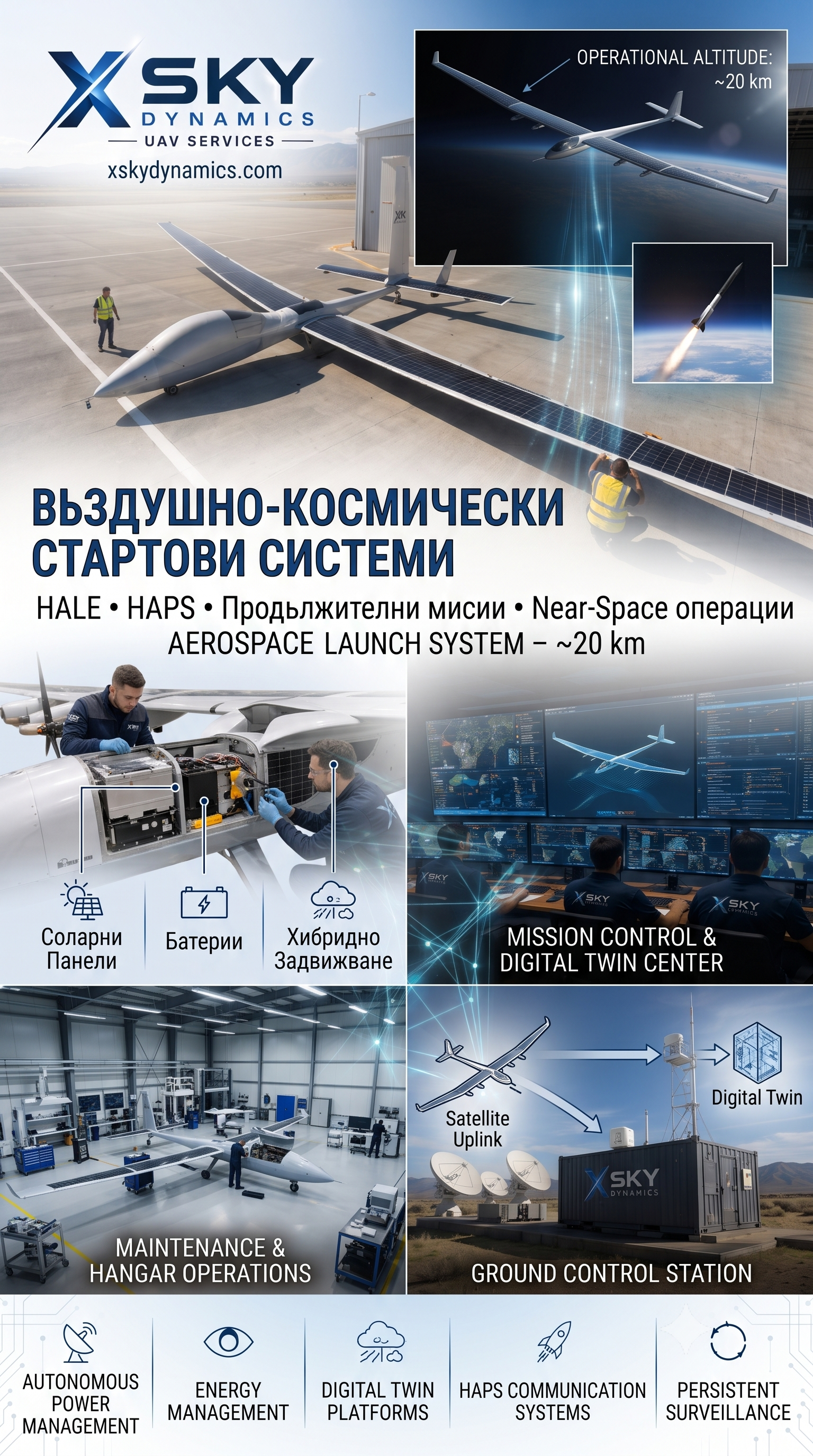
The use of a high-altitude carrier platform allows a small rocket system to be transported above a substantial portion of the denser atmospheric layers and released at an altitude of approximately 15 to 20 kilometers or higher, depending on the platform configuration and mission profile. Potential advantages include:
- Reduced aerodynamic drag
- Lower aerodynamic loads
- Reduced dynamic pressure
- Greater potential for launch-vehicle structural optimization
- A mobile launch point
- More flexible trajectory selection
- Reduced dependence on a permanent ground-based spaceport
- Repositioning in response to weather conditions
- Smaller ground safety zones
- More flexible mission planning
Initial release altitude alone does not eliminate the requirement for the launch vehicle to achieve the velocity necessary for orbital insertion. The principal advantage results from the combined effect of altitude, initial forward velocity, lower atmospheric density, reduced aerodynamic losses, and the mobility of the carrier platform. At an earlier stage of development, the same architecture can support suborbital, scientific, and experimental missions requiring lower payload capacity and lower total mission energy.
Digital Twin and Mission Management
A comprehensive Digital Twin can be developed for each platform, integrating real-time and historical data from the aircraft, mission payload, energy system, propulsion architecture, and atmospheric environment. The Digital Twin architecture may include:
- A three-dimensional model of the platform
- Structural and aerodynamic models
- Solar energy generation models
- Battery and propulsion-system models
- Atmospheric and meteorological models
- Stratospheric wind forecasting
- Flight-path simulation
- Communication coverage analysis
- Sensor coverage modelling
- Energy reserve assessment
- Predictive maintenance
- Risk analysis
- Airspace management
/ 10
The Digital Twin can be used to simulate:
- Day-and-night energy balance
- The impact of a new payload configuration
- Optimal operating altitude
- Station-keeping capability
- Communication coverage
- Individual subsystem failures
- The need to return for inspection or maintenance
- Remaining safe operational life
Ground Infrastructure and Operational Control Centers
Platform development also includes the complete ground infrastructure required for operation, servicing, control, and mission support. This may include:
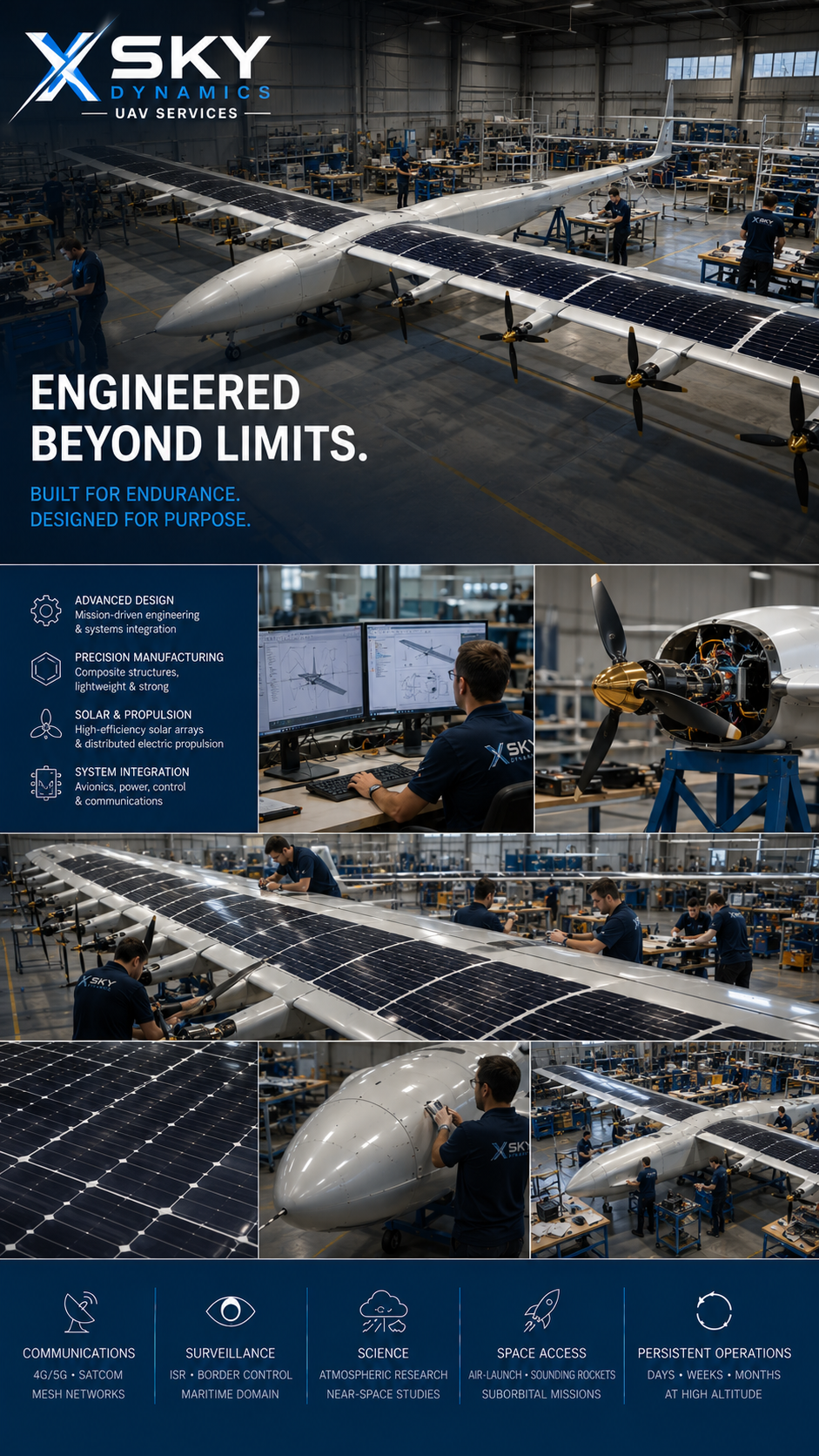
- A specialized hangar
- Assembly and integration facilities
- Support and transport systems for large-span wings
- Charging and energy infrastructure
- Battery diagnostics and balancing stations
- Payload integration areas
- A composite repair laboratory
- A meteorological center
- Ground communication stations
- GNSS and SATCOM terminals
- An operations and control center
- Redundant communication links
- Tracking stations
- Emergency systems and response teams
For ultra-lightweight platforms, ground handling, takeoff, and landing may represent some of the most demanding elements of the entire mission. For this reason, X-Sky Dynamics incorporates ground procedures, meteorological limitations, maintenance requirements, and operational support into the platform architecture from the earliest stages of design.
Safety and System Redundancy
/ 11
The system architecture is developed so that a single failure does not automatically result in the loss of the platform or create an unacceptable risk to other airspace users or people and property on the ground. Potential safety and redundancy measures include:
- Redundant flight computers
- Independent navigation systems
- Multiple communication channels
- Segmented battery modules
- Isolation of damaged battery cells
- Distributed propulsion
- Autonomous emergency navigation
- Geofencing
- Automated return-to-base capability
- Controlled descent procedures
- An independent Flight Termination System
- Satellite tracking
- Protection against spoofing and jamming
- Cybersecurity for command, control, and data links
- A backup control center
If the primary communication link is lost, the platform can automatically transfer to a redundant channel or execute a predefined holding, return, diversion, or controlled-descent procedure.
Airspace Integration
Before reaching its operational altitude, the platform must transit through airspace used by civil and military aviation. For this reason, system development and operational deployment include:
- Coordination with civil aviation authorities
- Cooperation with Air Navigation Service Providers
- Definition of climb and descent corridors
- Transponders and surveillance systems
- Detect and Avoid capabilities
- Lost-communication procedures
- Integration with Air Traffic Management
- Coordination with military airspace
- Air and ground risk assessment
- Emergency-route planning
- Management of persistent missions
- Preparation of operational and regulatory procedures
Each project is developed according to the specific country, airspace structure, operating altitude, payload configuration, and mission requirements.
/ 12
Primary Areas of Application
Communications and Connectivity
- SATCOM
- 4G and 5G coverage
- Emergency communication networks
- Connectivity for remote regions
- Maritime and offshore communications
- IoT networks
- Airborne mesh systems
- Intermediate connectivity between terrestrial and space-based
infrastructure
Surveillance and Security
/ 13
- Maritime and border surveillance
- Critical infrastructure monitoring
- Wildfire and natural-disaster detection
- Port and industrial-zone surveillance
- Search and Rescue
- ISR and early-warning missions
Scientific Missions
- Atmospheric and climate research
- Meteorological measurement
- Radiation-environment monitoring
- Near-Space experiments
- Testing of space-qualified components
Space Applications
- Release of scientific probes
- Sounding rocket deployment
- Suborbital missions
- Testing of hypersonic and space systems
- Future air-launch solutions for small satellites
/ 14
X-Sky Dynamics --- End-to-End Development and Integration
X-Sky Dynamics assumes the lead engineering role in the development of solar, hybrid, and specialized stratospheric platforms. Working with our technology and aerospace partners, we can deliver the complete system life cycle, including:
- Mission definition
- Concept development
- Selection of aerodynamic and structural architecture
- Energy analysis
- Propulsion-system development
- Payload integration
- Communication and navigation system design
- Autonomous control
- Digital Twin development
- Ground infrastructure engineering
- Operations-center development
- Ground and flight testing
- Regulatory preparation
- Development of operational procedures
- Personnel training
- Operational deployment
- Technical and operational support
We do not approach these systems as isolated aircraft. We develop an integrated architecture in which the flight platform, energy systems, communications, mission payload, ground segment, and operational management function as a single coordinated system.
Our Vision
The future of aviation will not be divided solely between aircraft and satellites. A persistent, intelligent, and multi-layered operational domain will emerge between them. Solar HAPS platforms will provide long-duration communication and surveillance capabilities. Hybrid HALE systems will carry heavier sensors and more powerful mission equipment. Stratospheric communication networks will connect terrestrial infrastructure, aviation, and the space segment. Specialized high-altitude carrier platforms can create new opportunities for scientific, suborbital, experimental, and future space operations. X-Sky Dynamics designs, develops, and integrates the systems that will establish this new operational layer between Earth and orbit.
[ RELATED VIDEOS ]
YouTube #1
YouTube #2
YouTube #3
YouTube #4
YouTube #5
YouTube #6
YouTube #7
YouTube #8
YouTube #9
YouTube #10
YouTube #11
YouTube #12
YouTube #13
YouTube #14
YouTube #15
YouTube #16
YouTube #17
YouTube #18
YouTube #19
YouTube #20
YouTube #21
YouTube #22
YouTube #23
YouTube #24
YouTube #25
YouTube #26
YouTube #27
YouTube #28
YouTube #29
YouTube #30
YouTube #31
YouTube #32
YouTube #33
YouTube #34
YouTube #35
YouTube #36
YouTube #37
YouTube #38
YouTube #39
YouTube #40
YouTube #41
YouTube #42
[ Get in Touch ]
X-Sky Dynamics
- ✉xskydynamics@gmail.com
- ✉xsky@xskydynamics.com
- ☎+359 87 6975862
 WhatsApp: +359 87 6975862
 Viber: +359 87 6975862
- 📍Sofia, bul. "Yanko Sakazov"

[ SERVICES ]
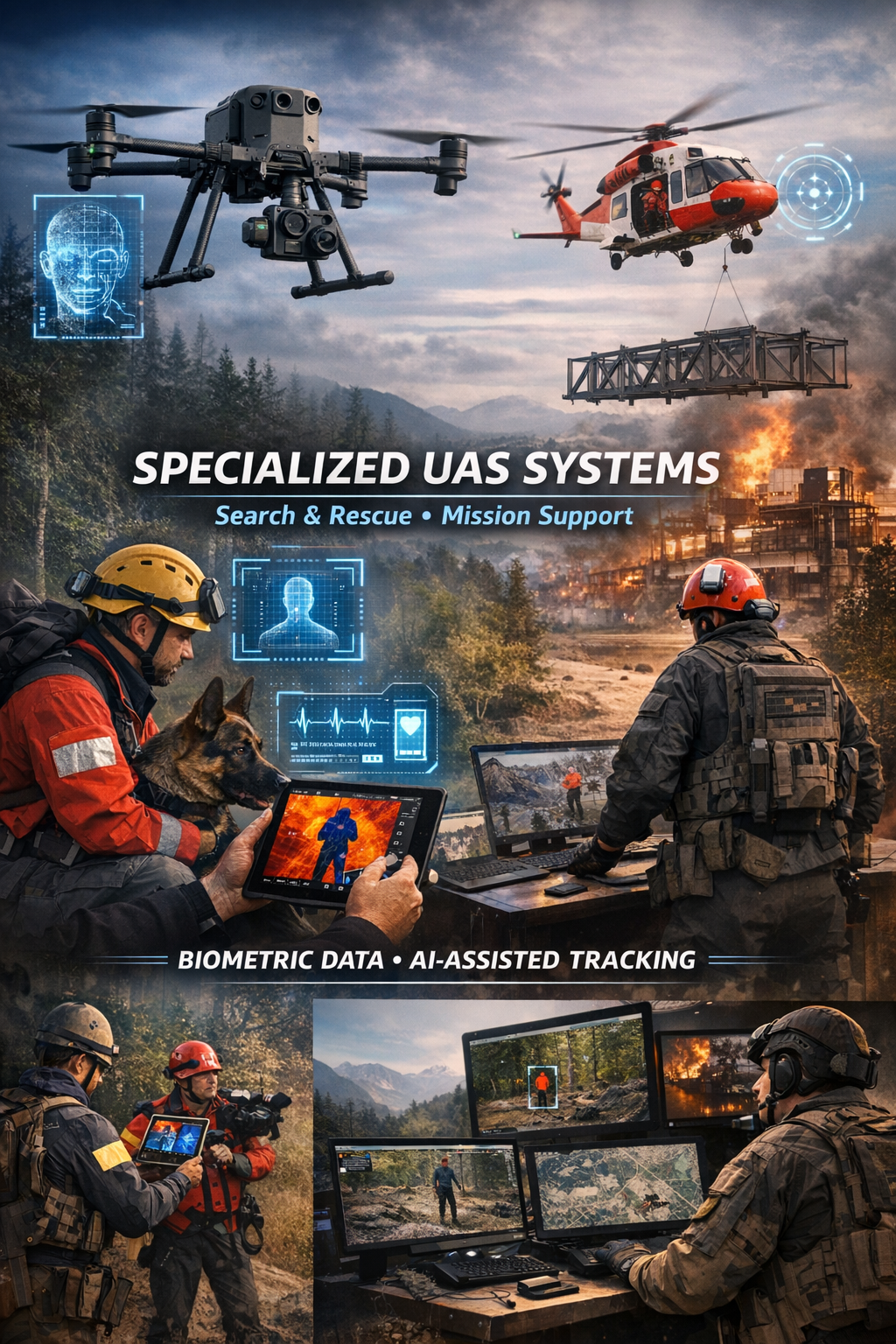
Specialized biometric UAS drone Systems for SAR
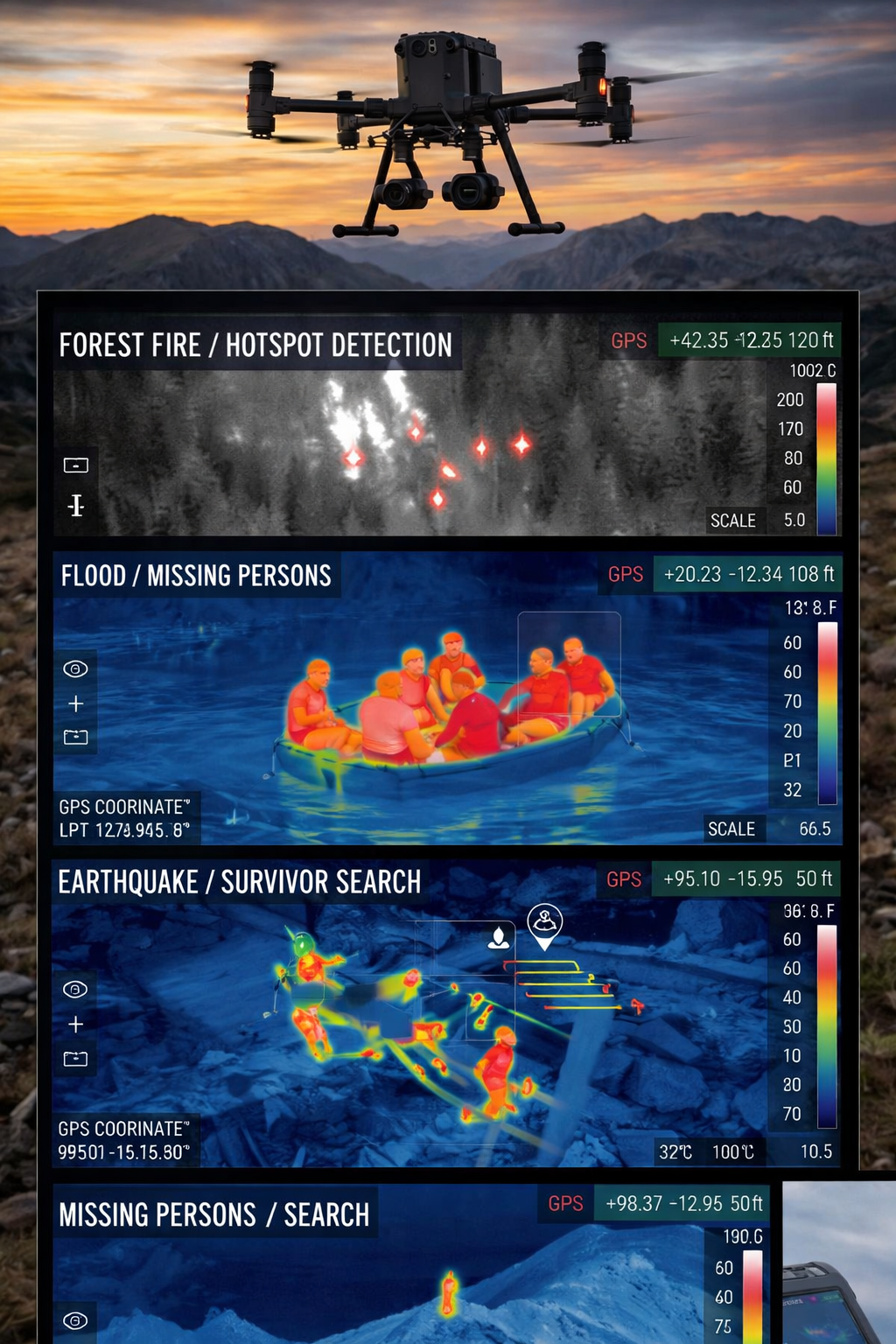
Search and Rescue via Drones
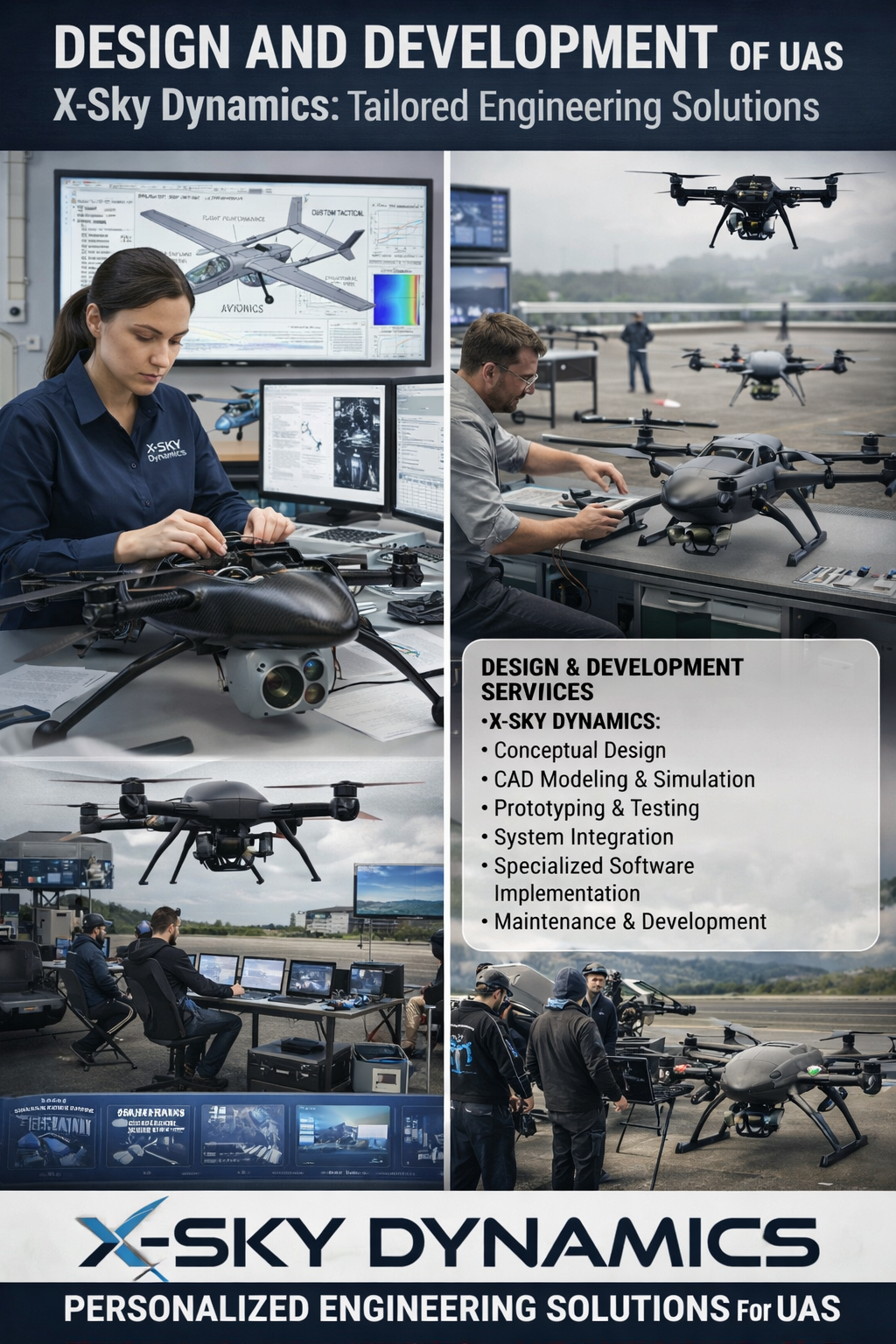
UAS Design, Engineering & Capabilities
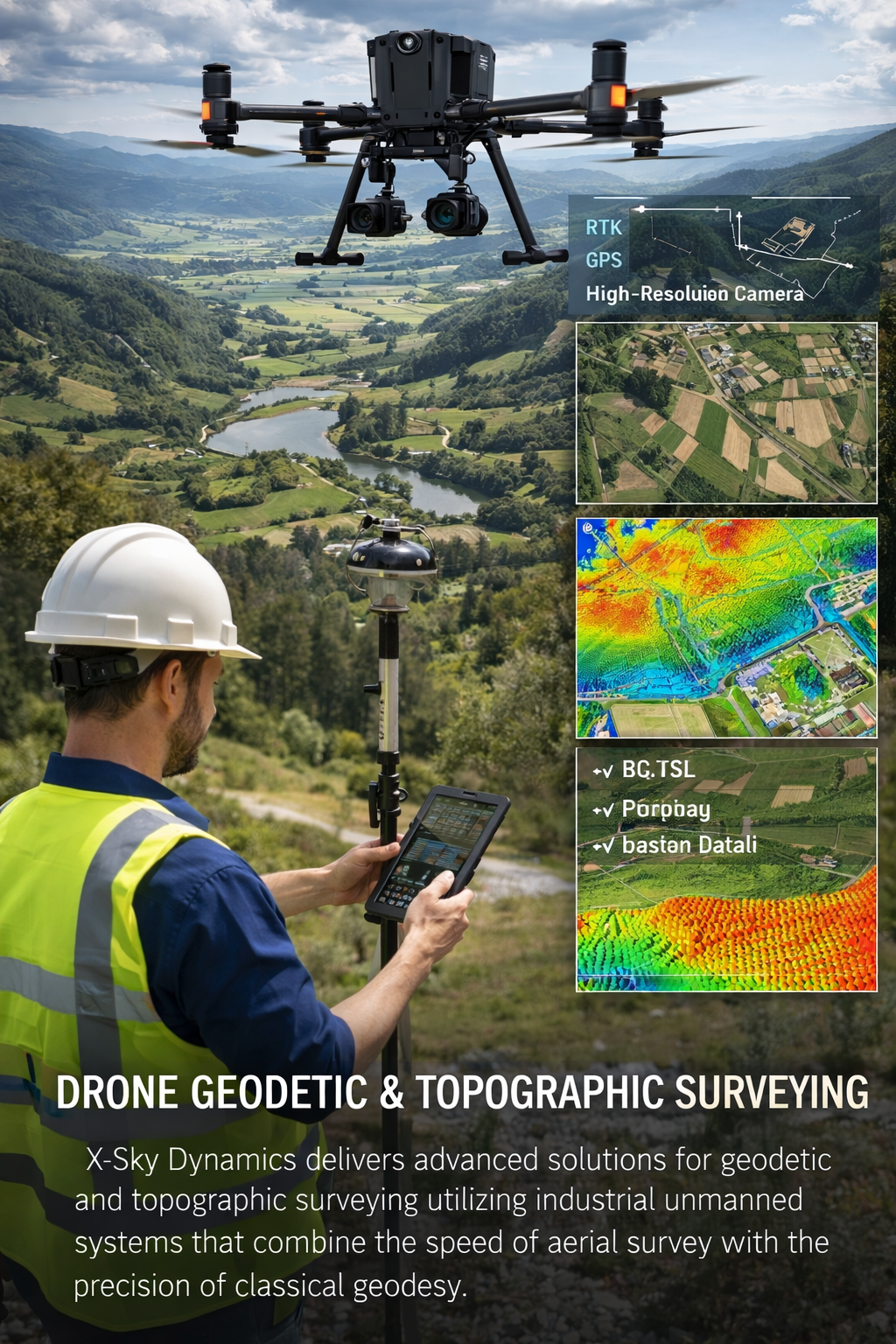
Geodetic, Topographic, Digital Twins 3D Surveying with UAV Systems
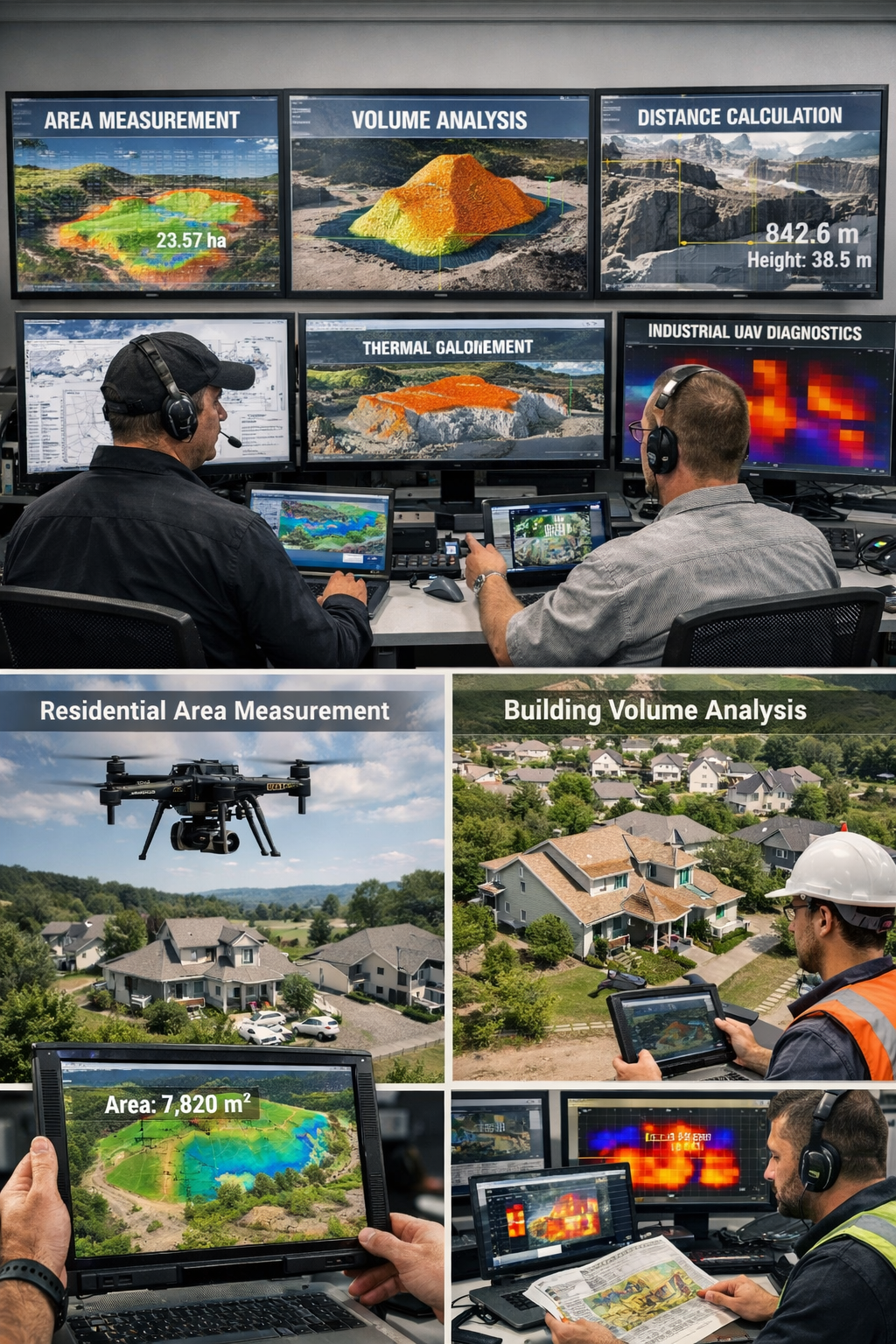
Measurement of Areas, Volumes, Distances with Drones
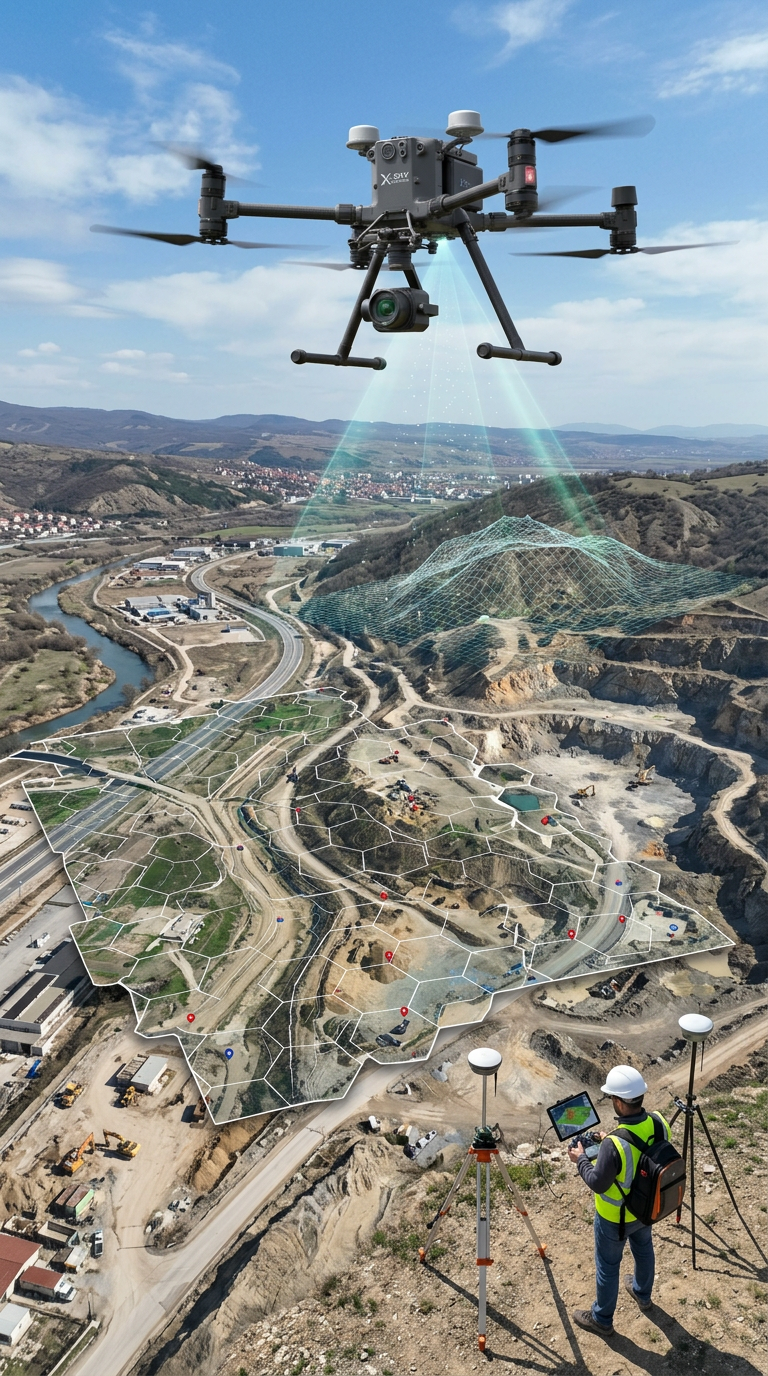
Mapping, Orthophoto, Geodetic UAV Systems, Digital Twins
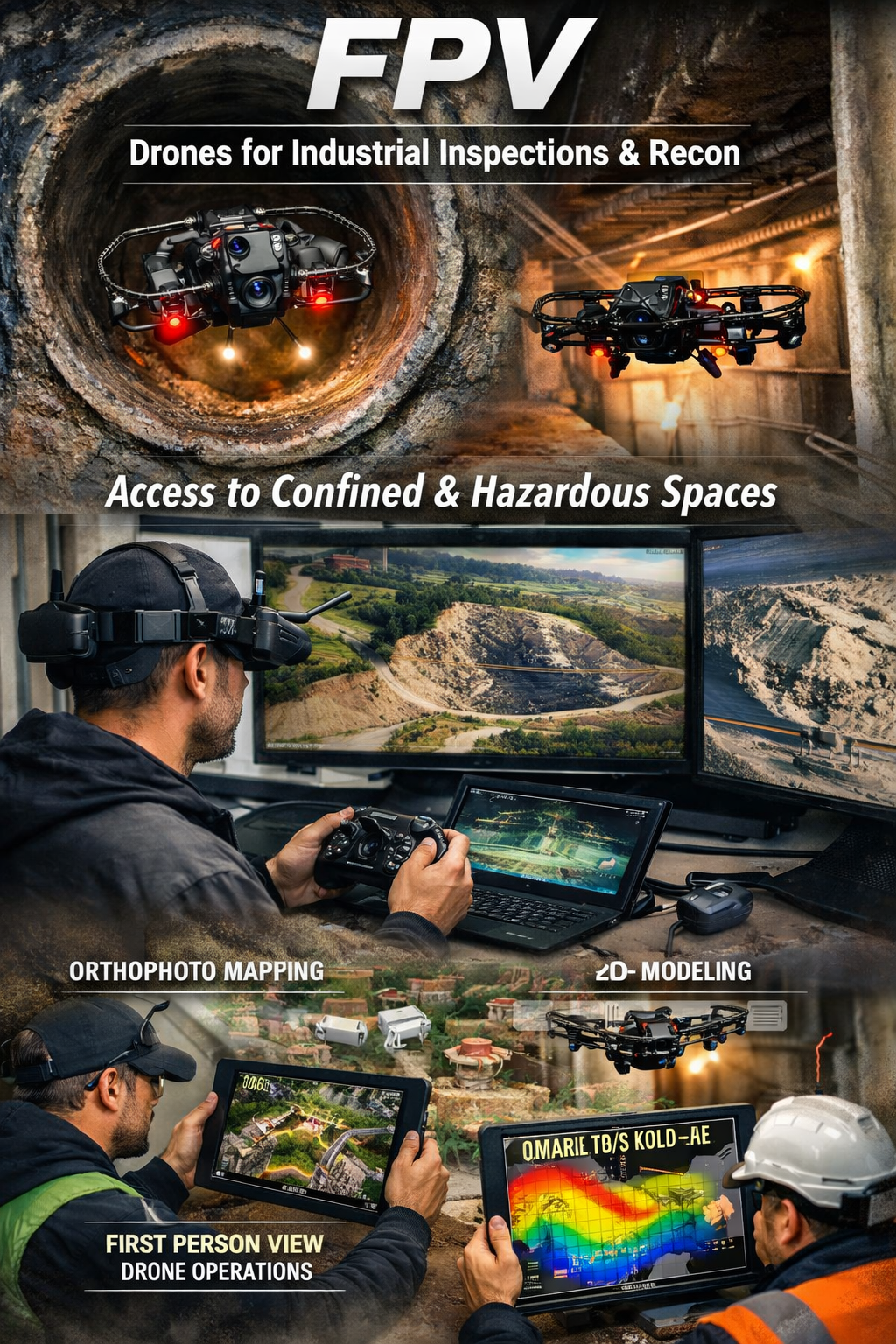
FPV Drone Inspections, Surveys
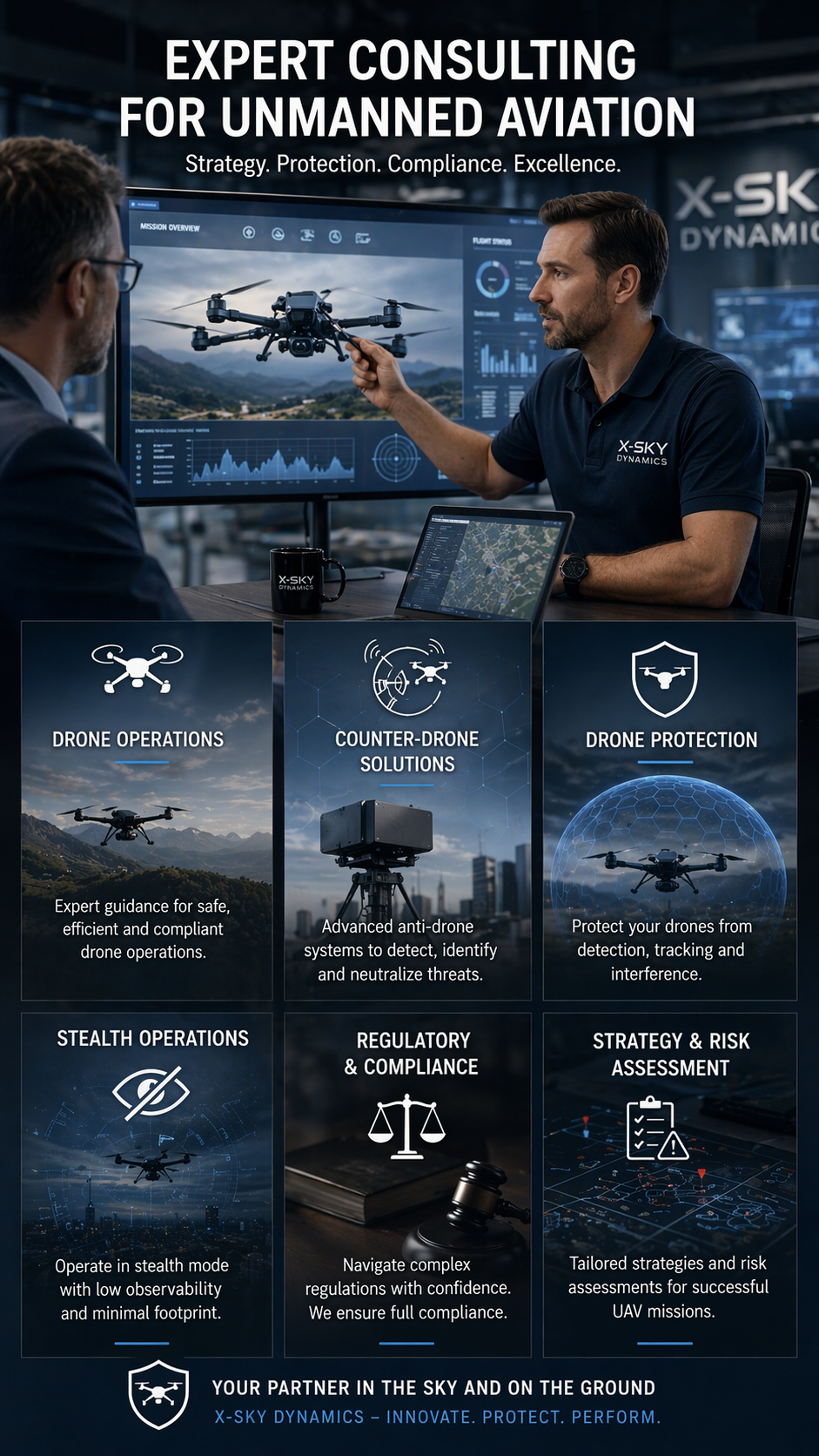
CONSULTING IN UNMANNED AVIATION DRONES, ANTI-DRONE SYSTEMS
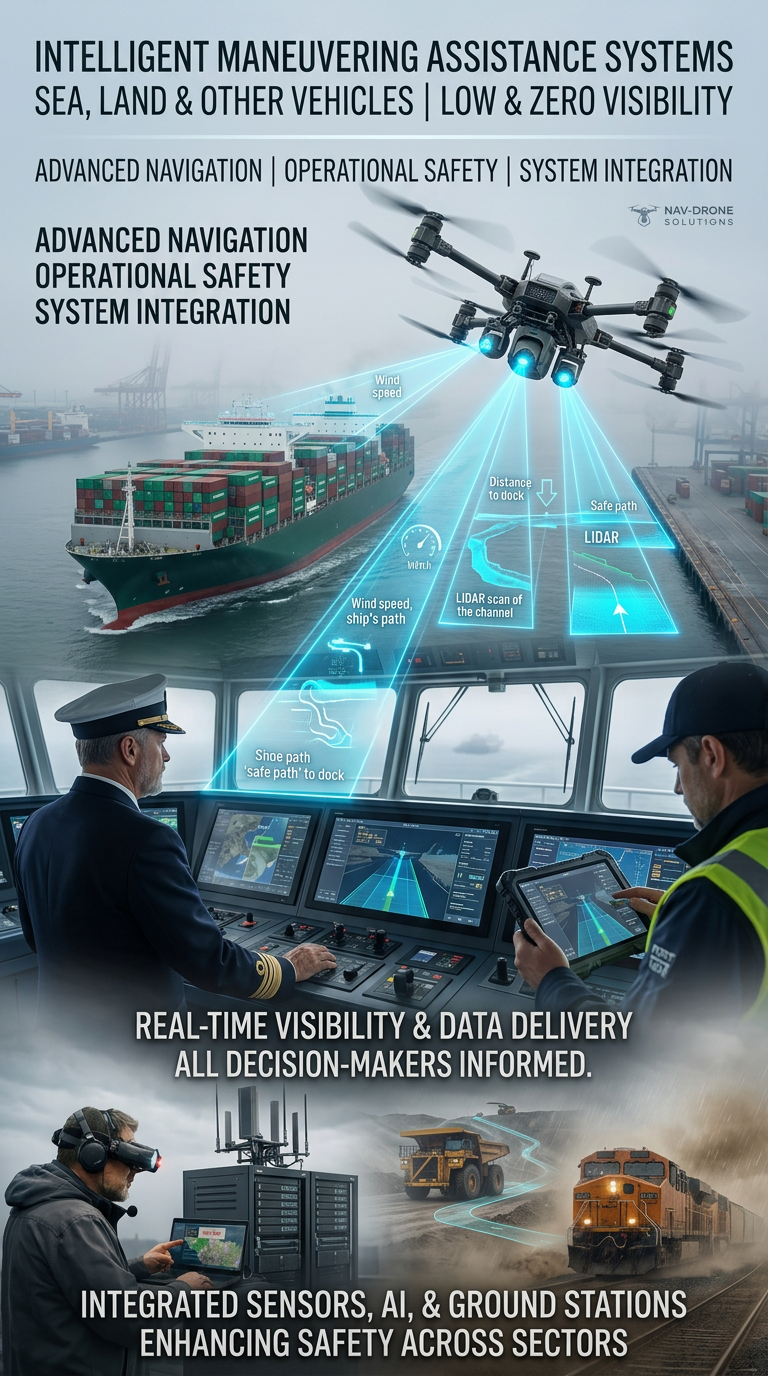
Systems for Assisting the Maneuvering in Low or Zero Visibility
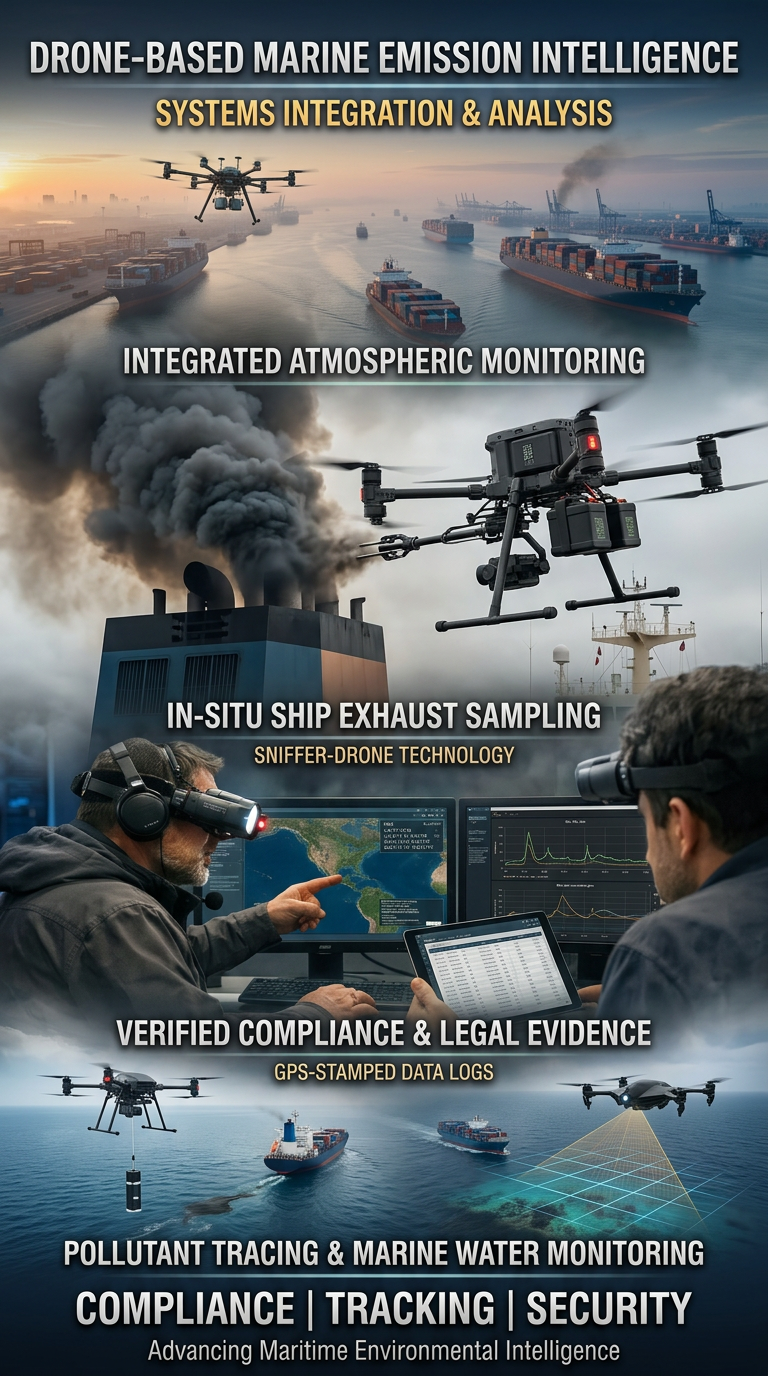
Drone Systems for Exhaust Gas Analysis
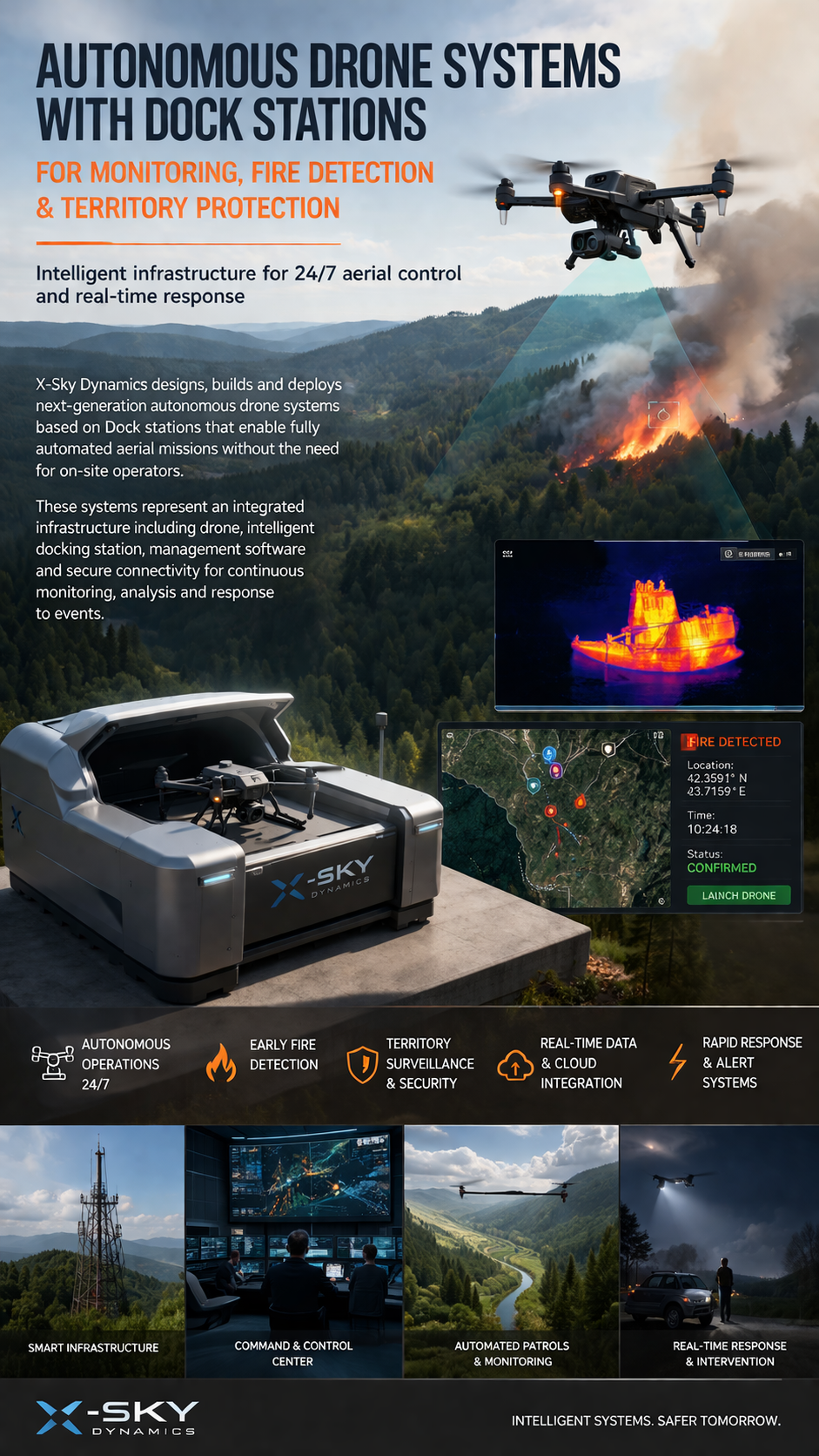
Drone Dock Stations for Monitoring, Early Fire Detection
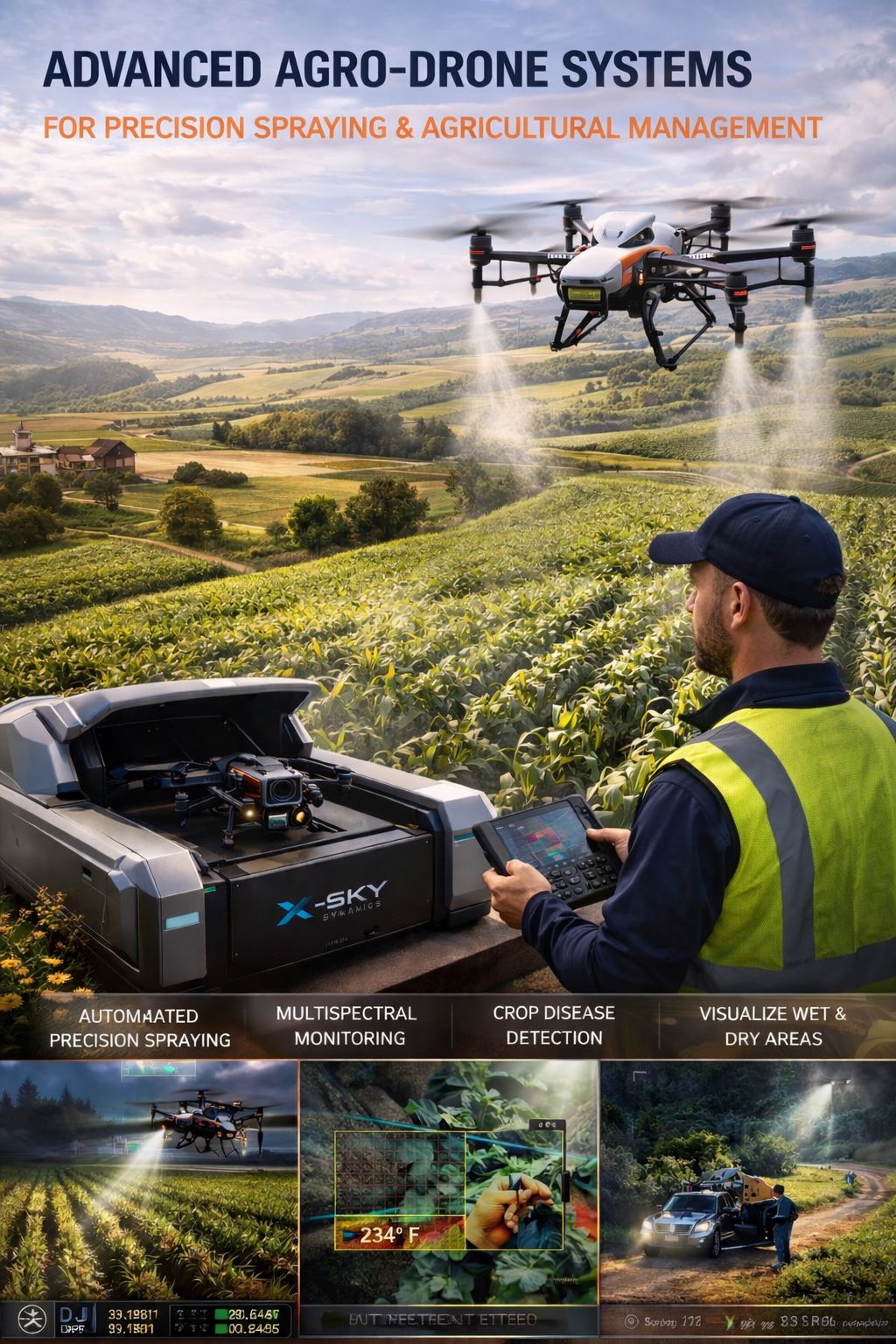
Agricultural Drone Systems for Precision Spraying, Spectral Monitoring
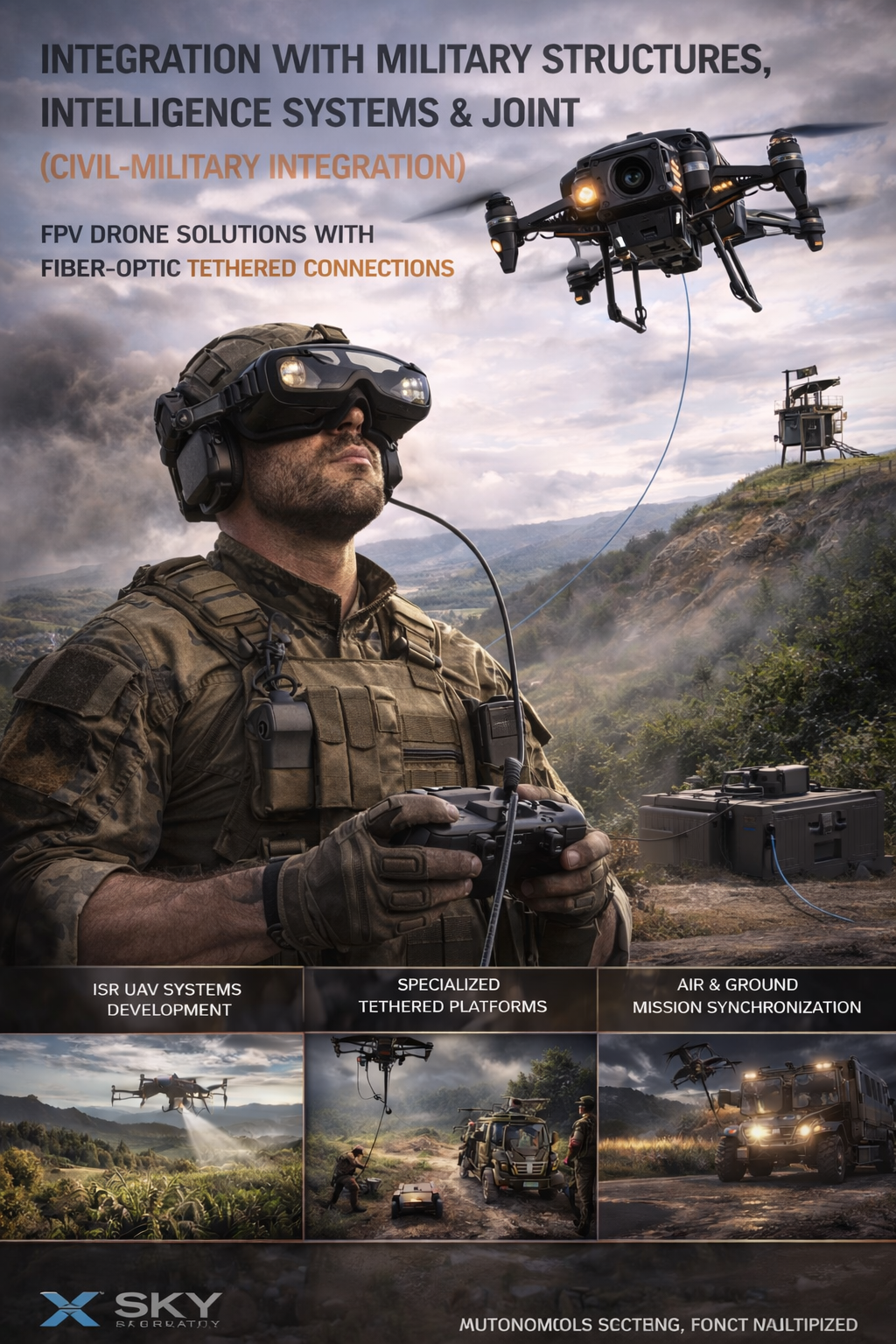
UAV – Drone Integration with Military
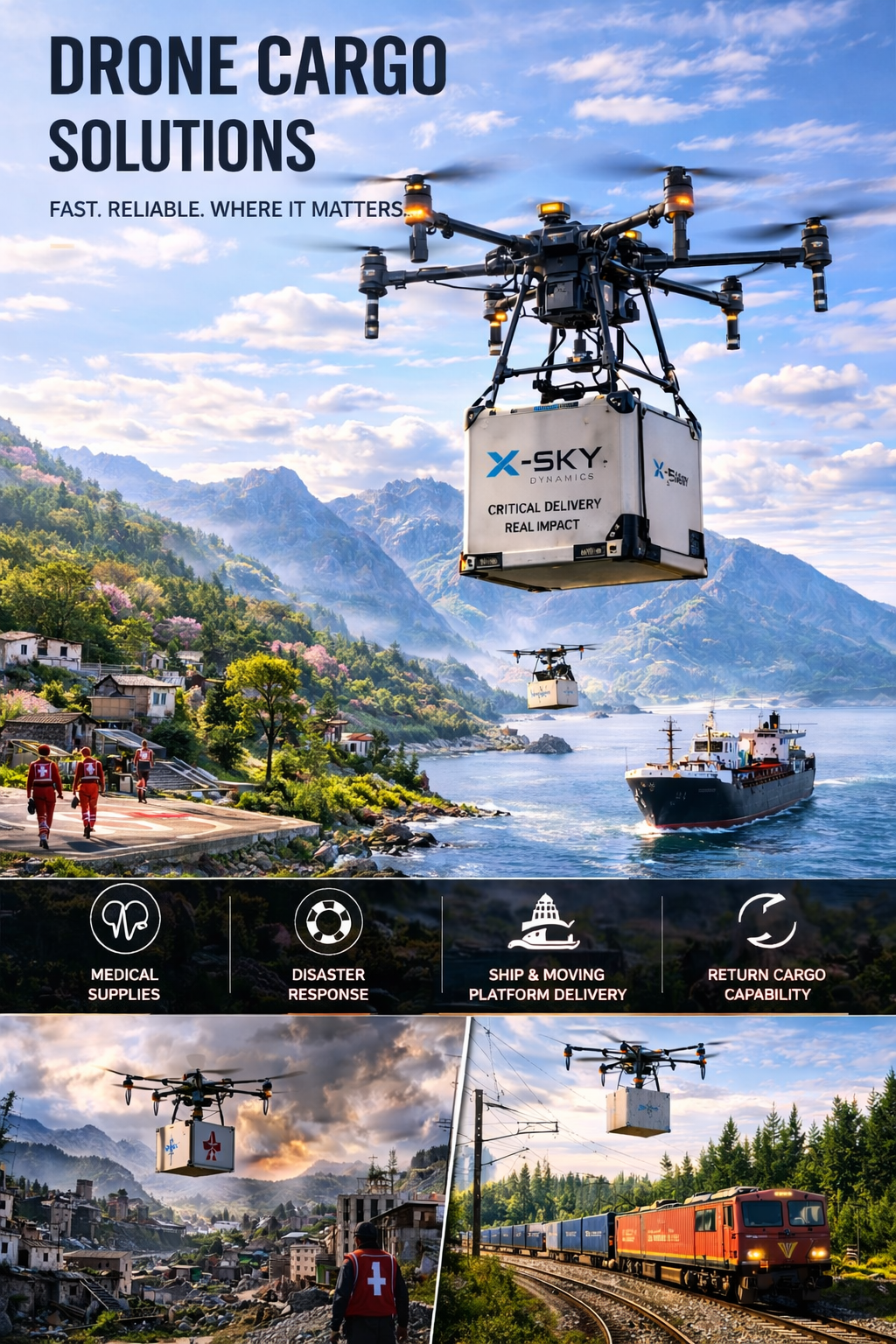
Cargo Transportation with Drones
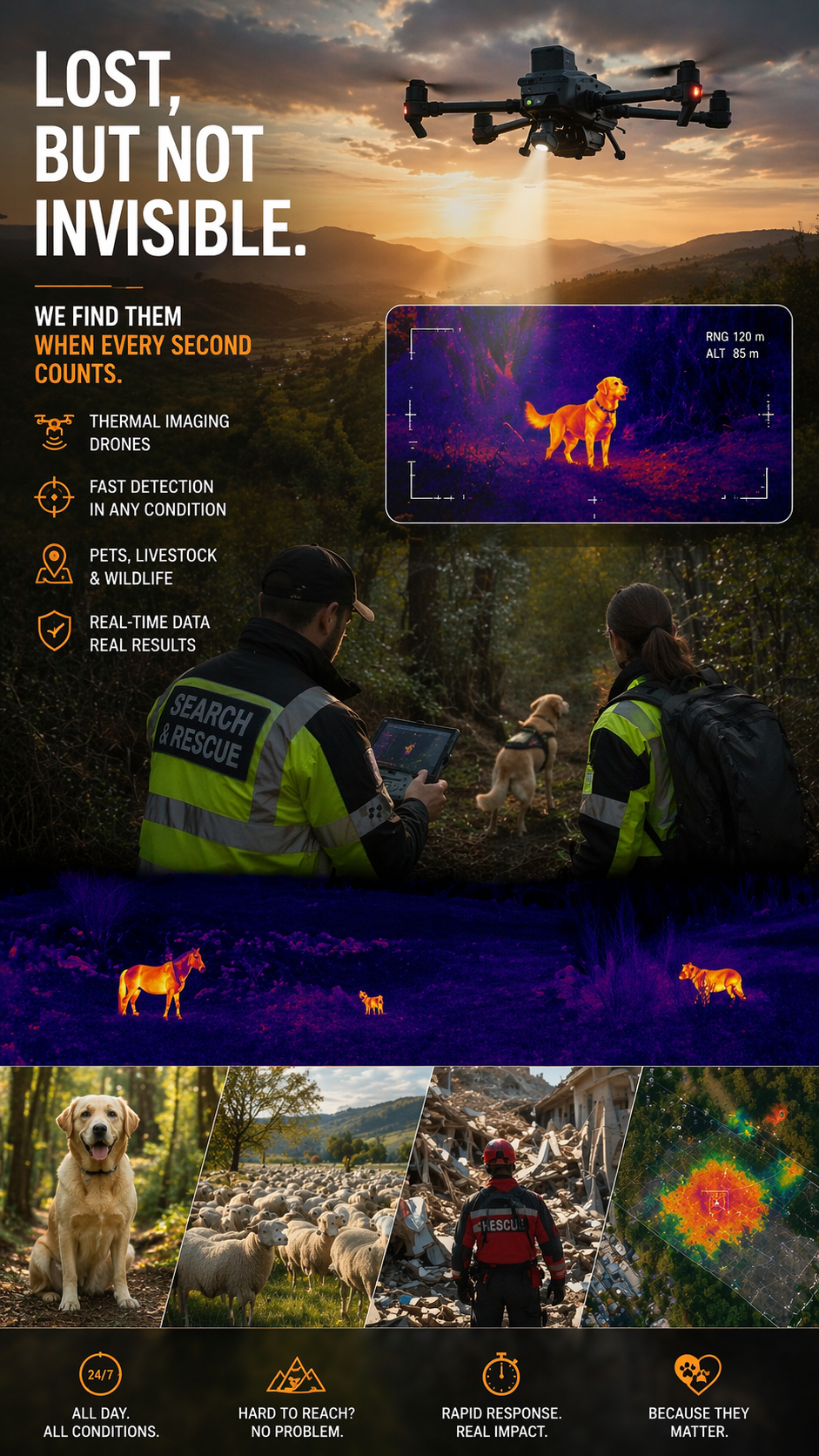
Search and Rescue of Pets and animals Using Drones
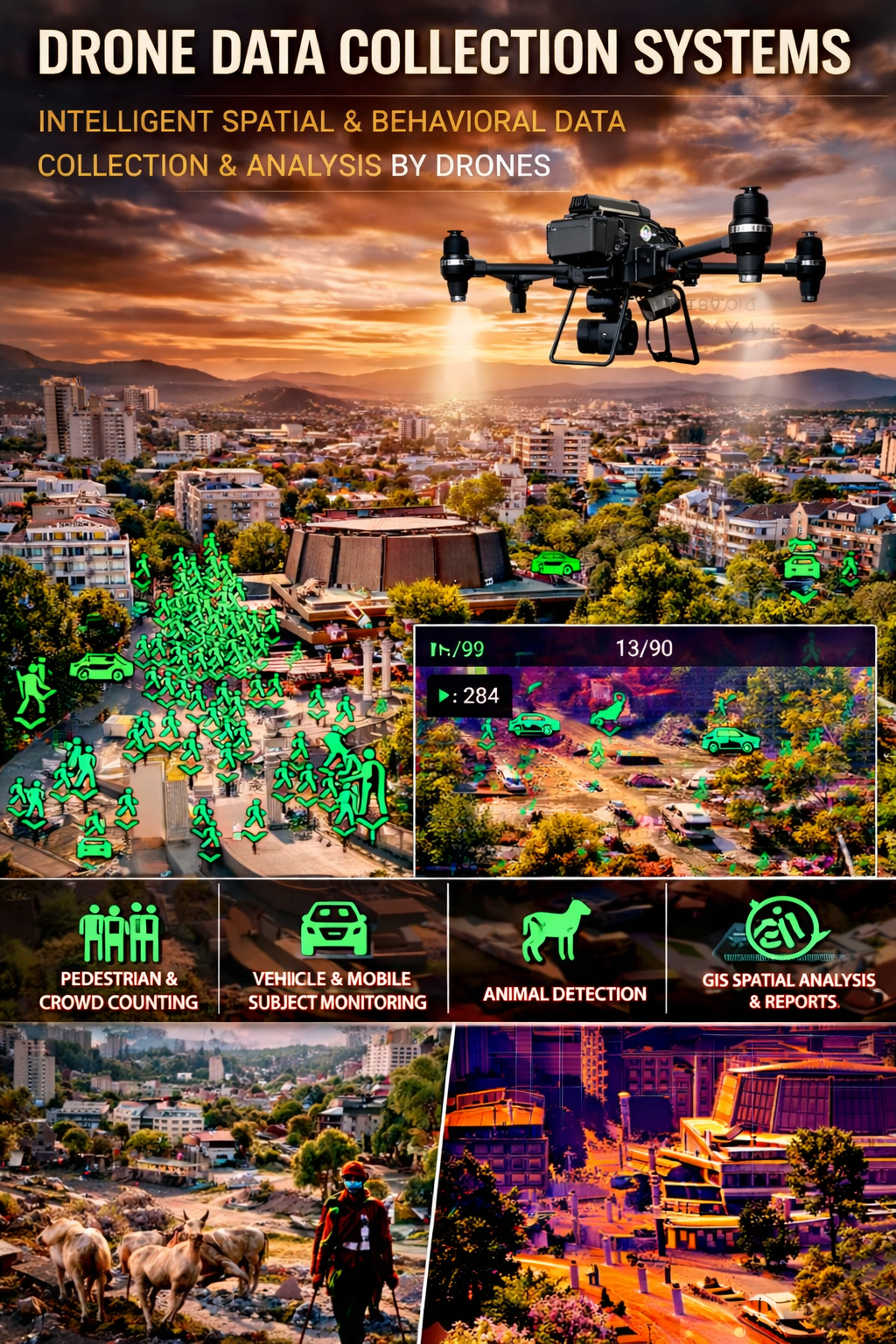
Drone Systems for Collecting Statistical Data
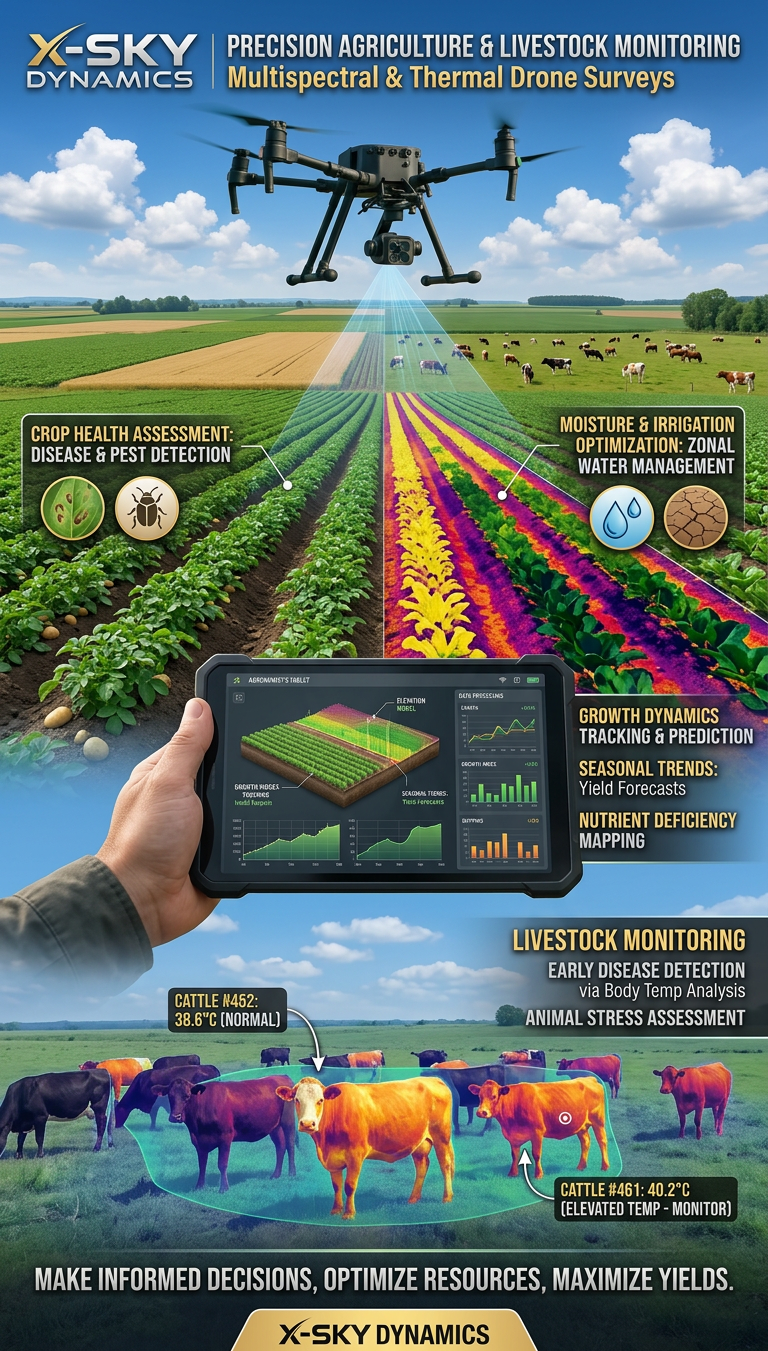
Multispectral and Thermal Drone Surveys for Agriculture
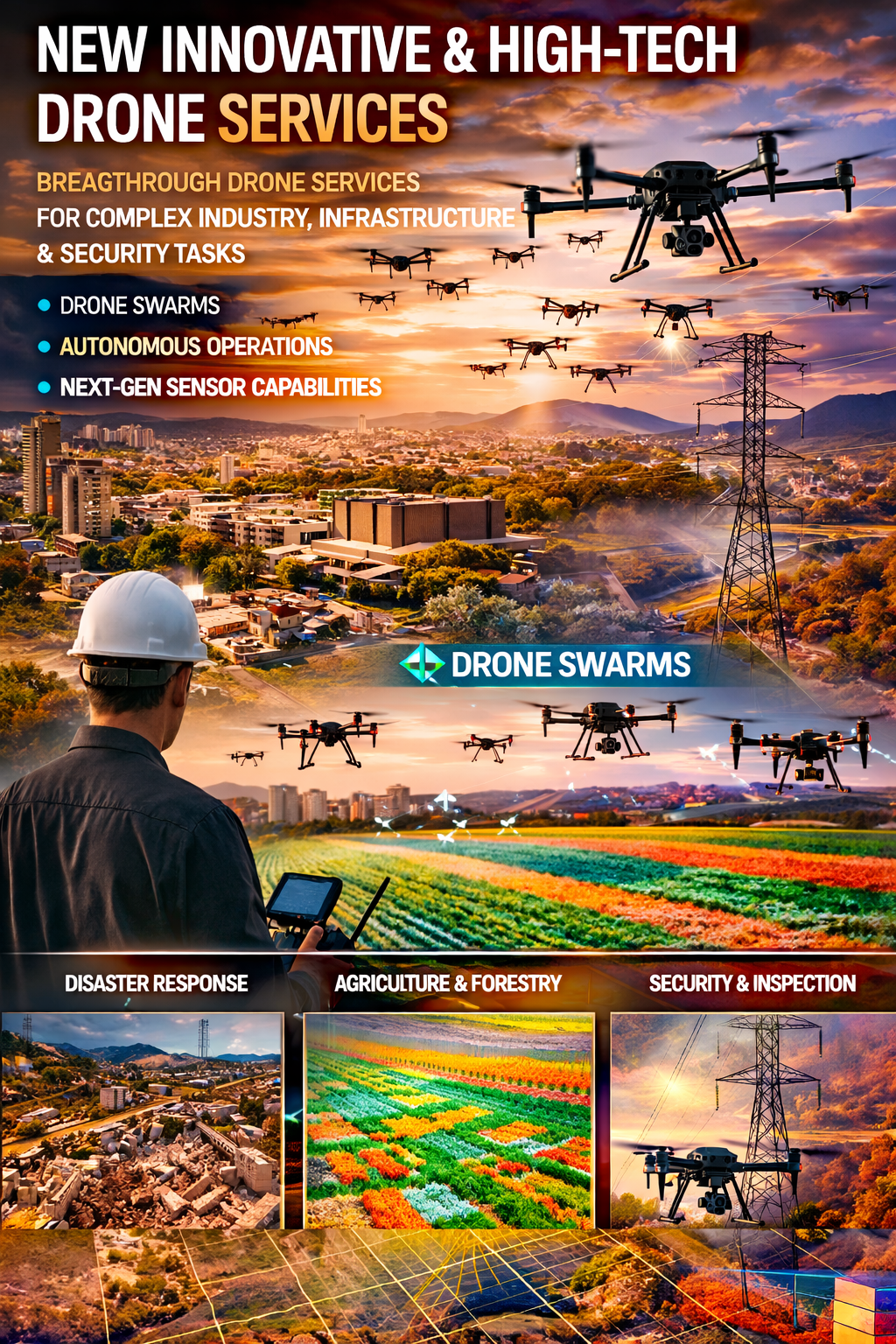
Innovative and High-Tech Drone Services
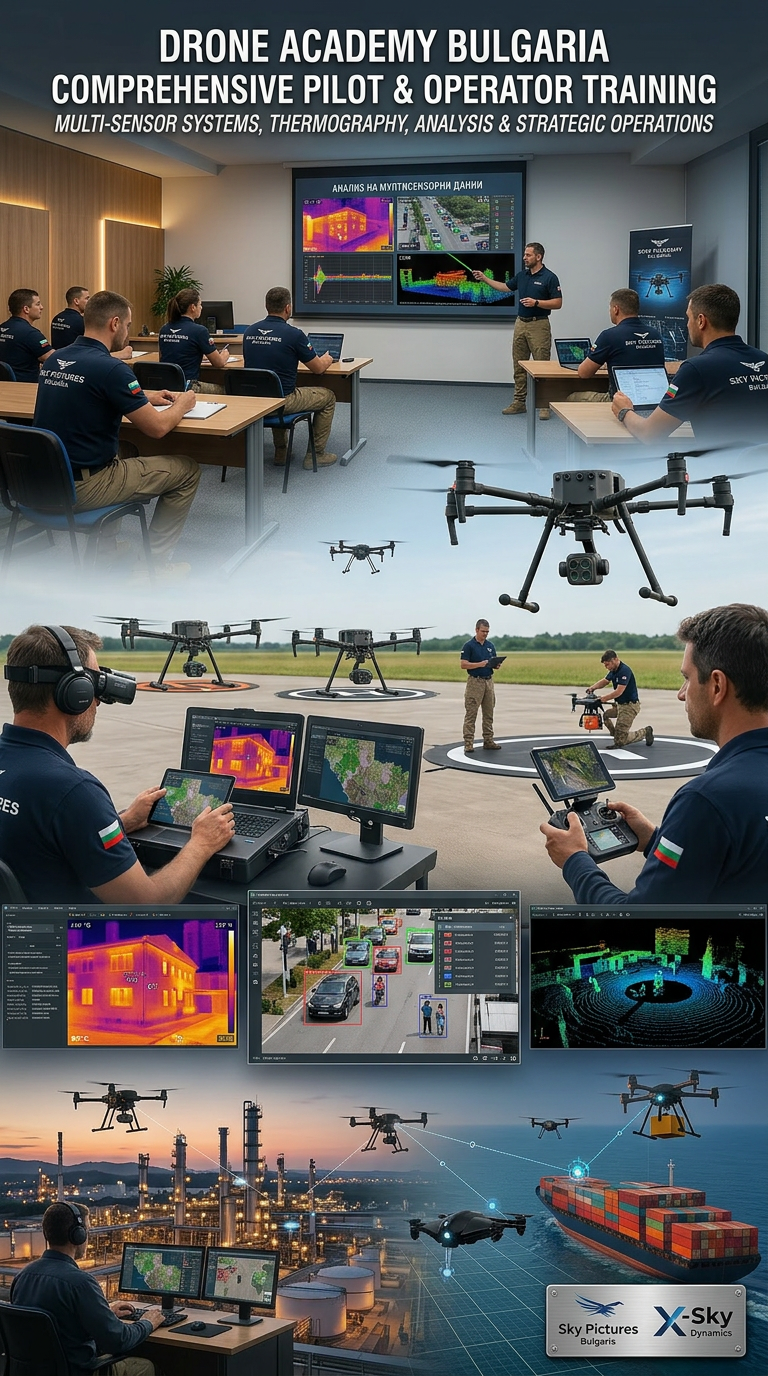
DRONE PILOTS AND OPERATORS TRAINING AND COURSES
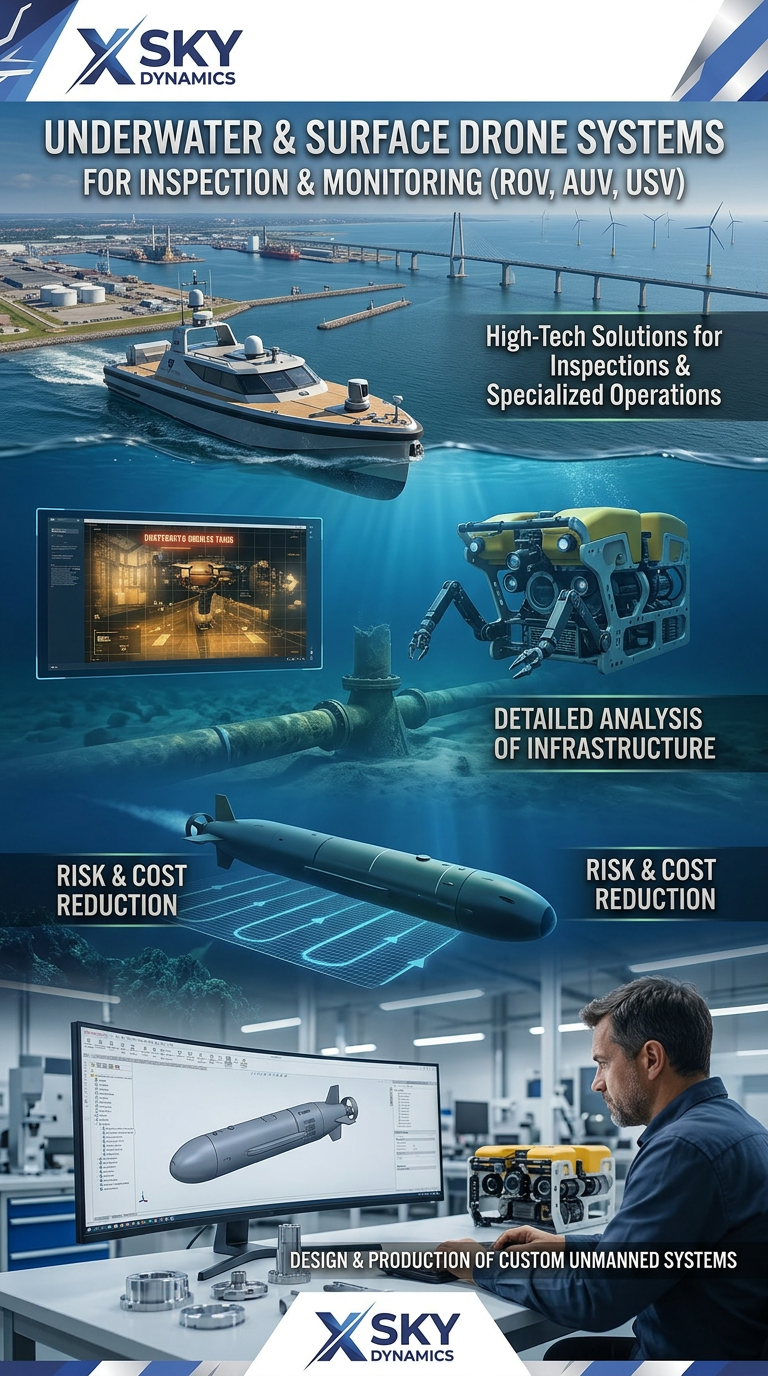
Underwater and Surface Drone Systems ROV, AUV, USV
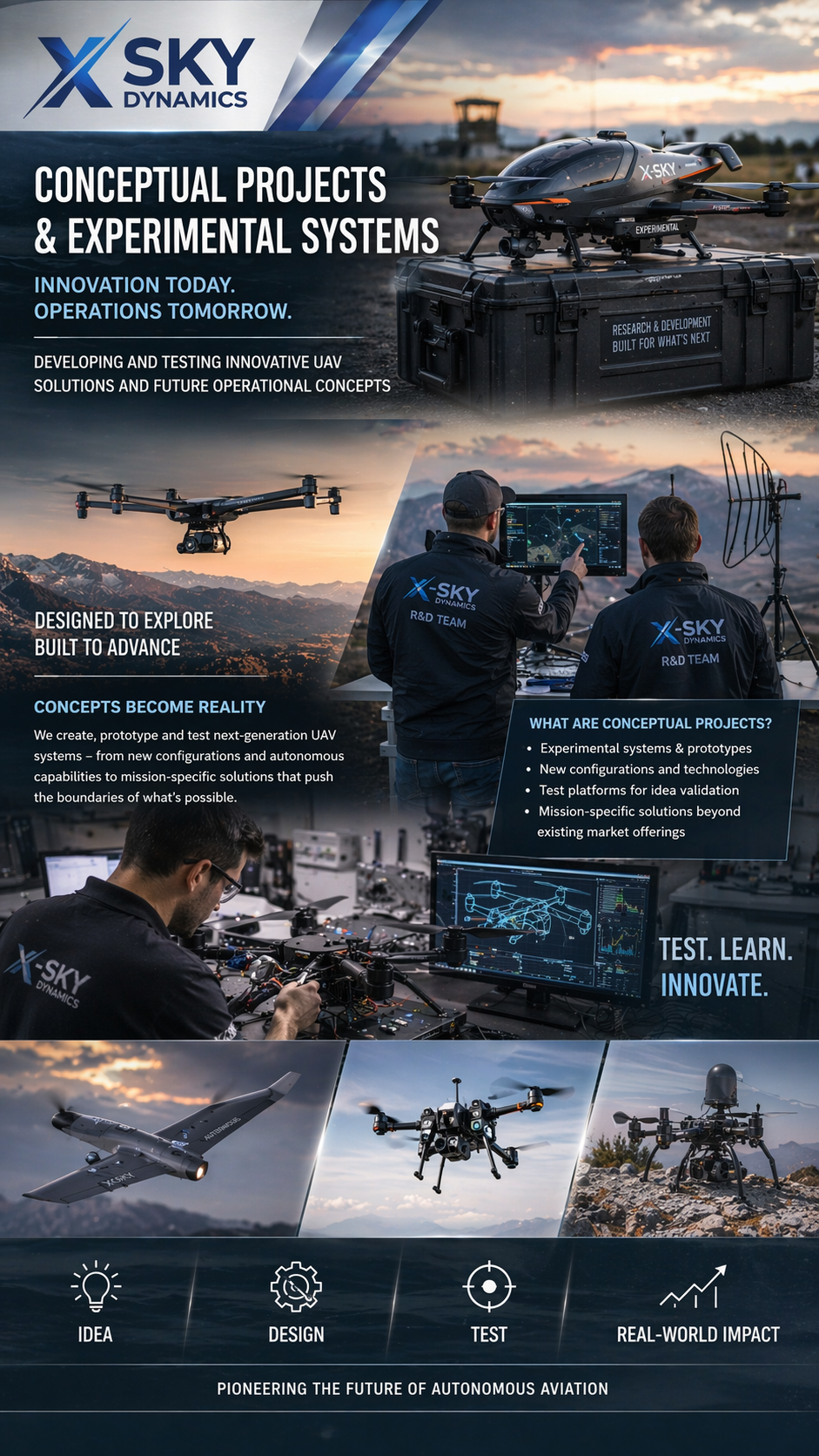
Concept Drone Projects & Experimental UAV
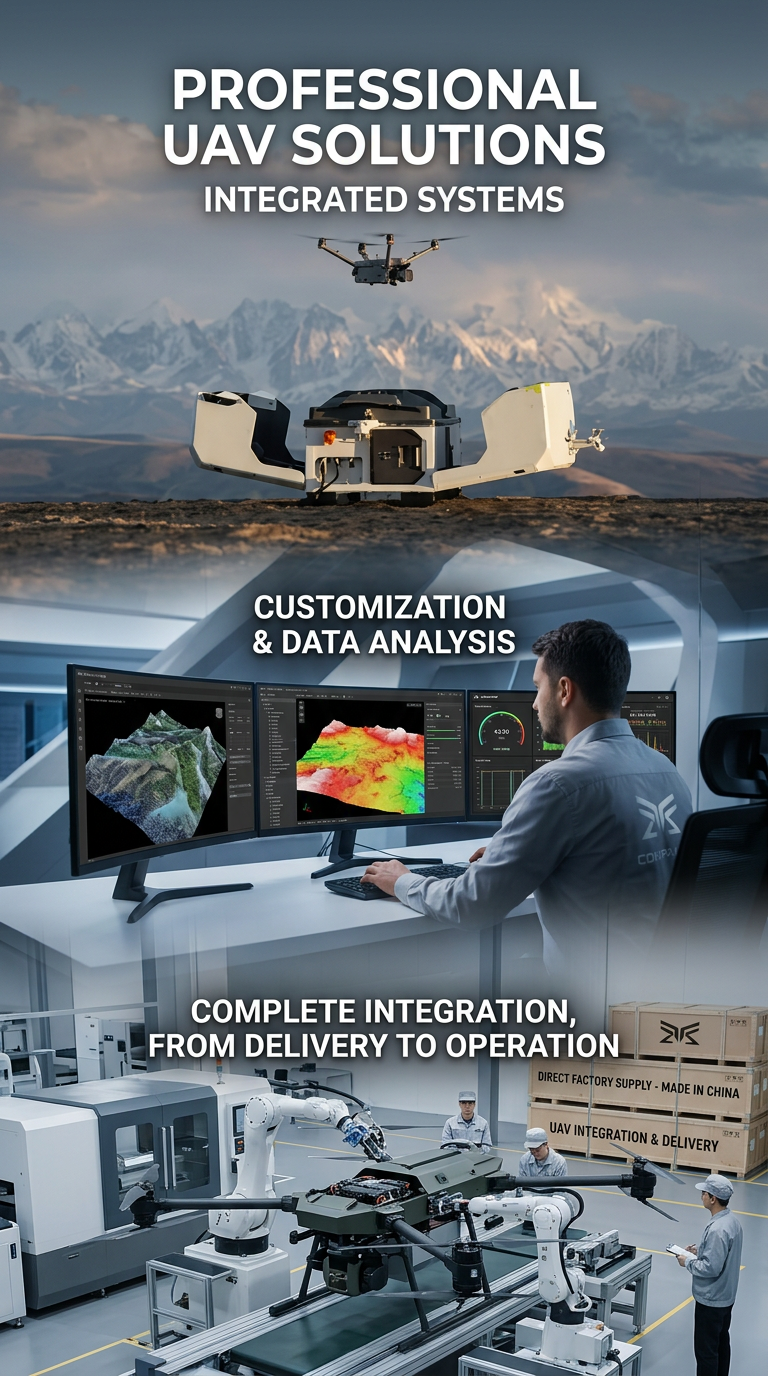
Autonomous Drone Systems with Dock Stations
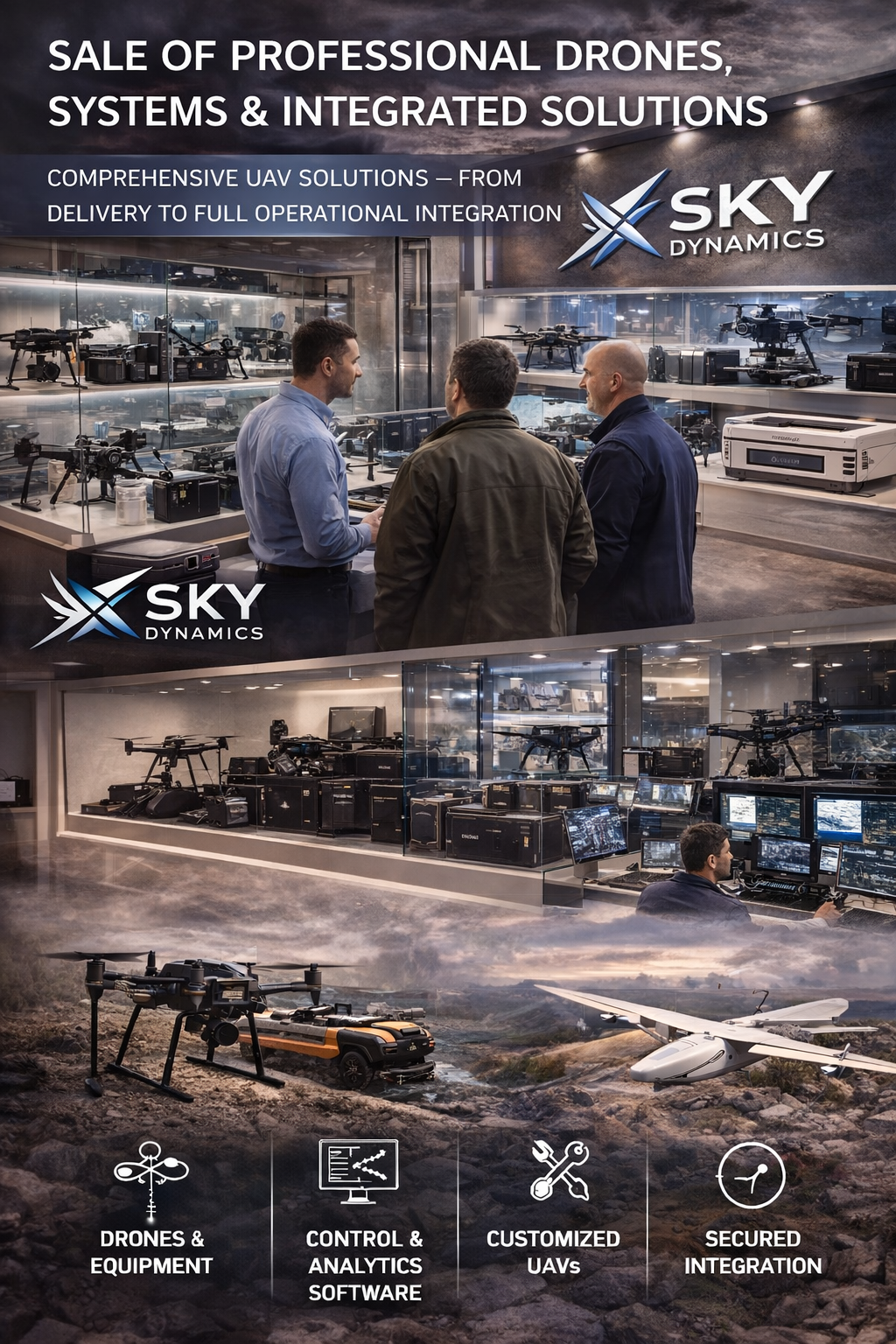
Sales of Professional Drone systems
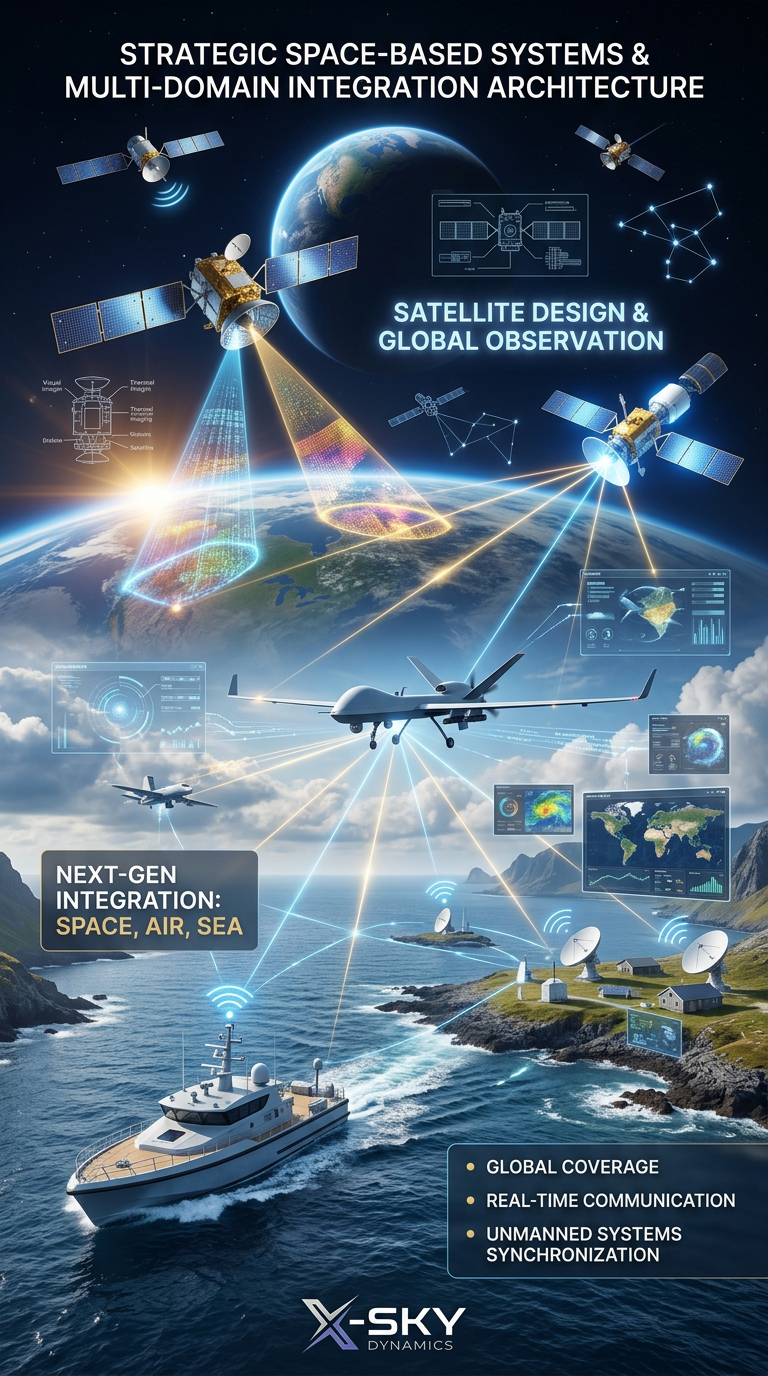
Satellite Imaging, Satellite Design and Integrated
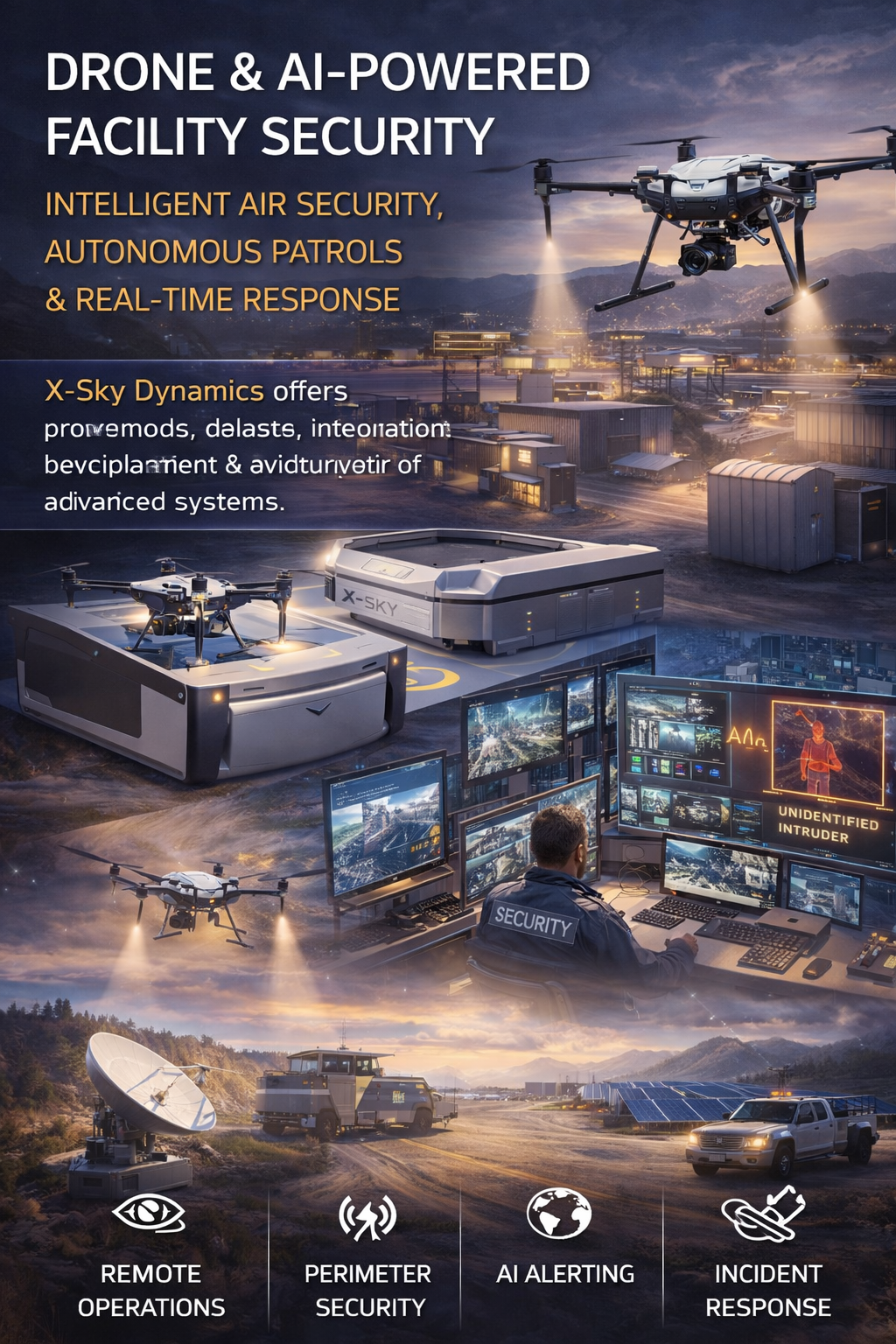
Security of Sites Through Drones AI Systems
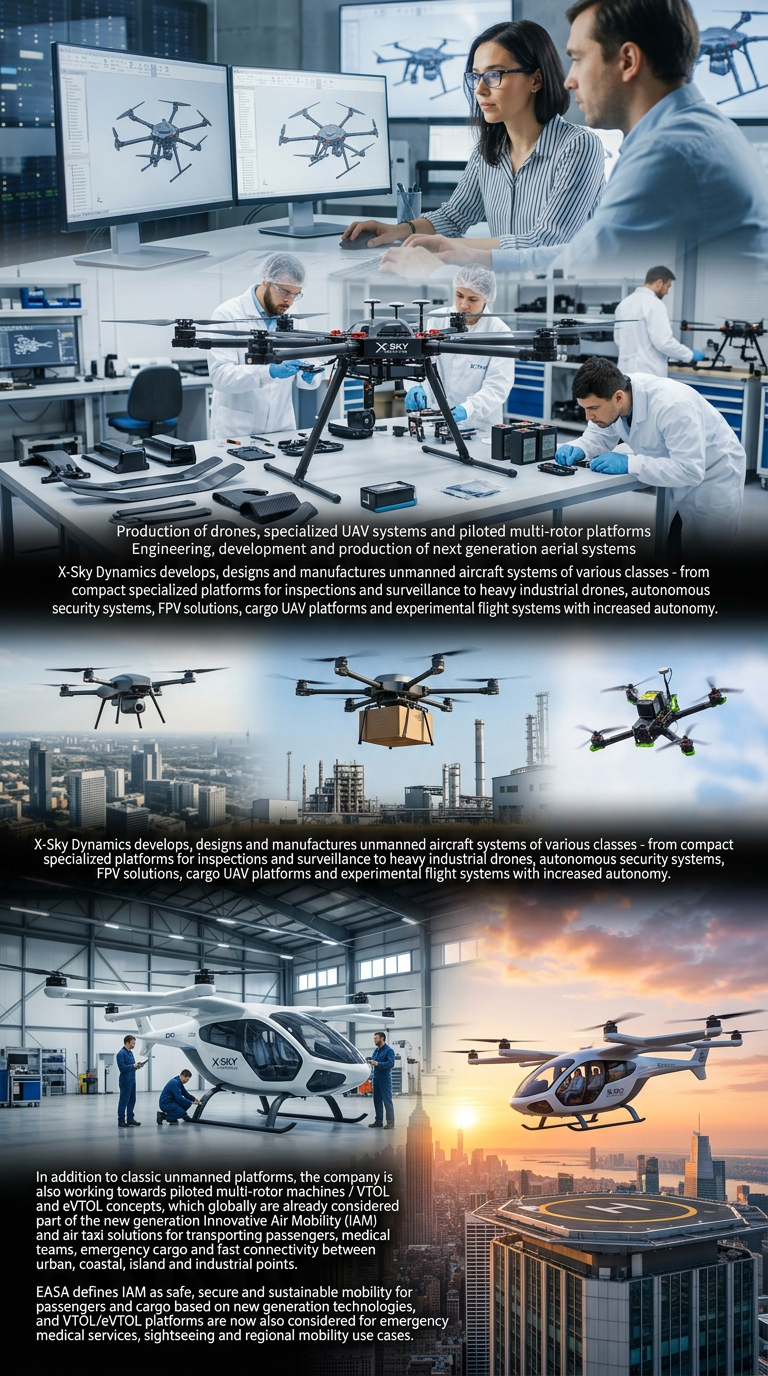
Drone eVTOL, Manufacturing and Manned Multirotor Platforms
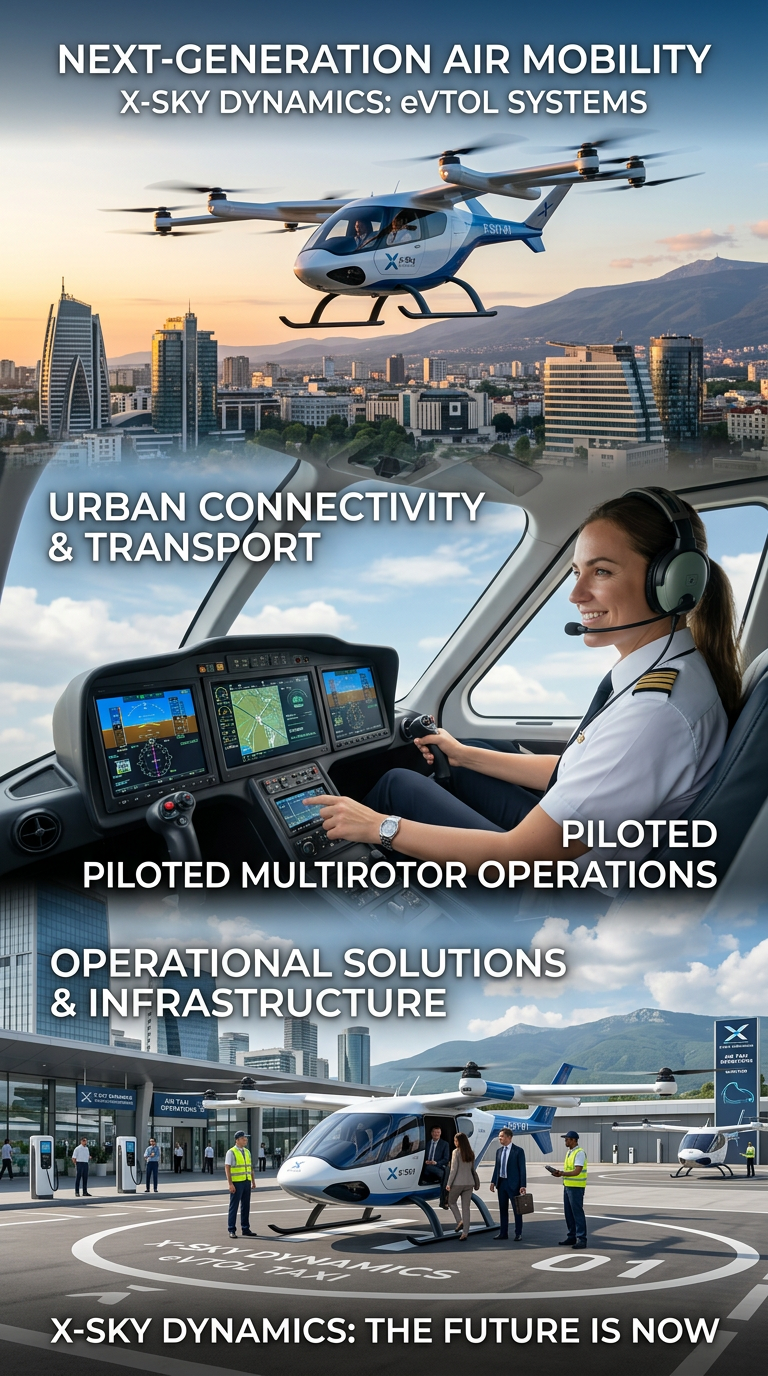
Air Taxis and eVTOL Systems
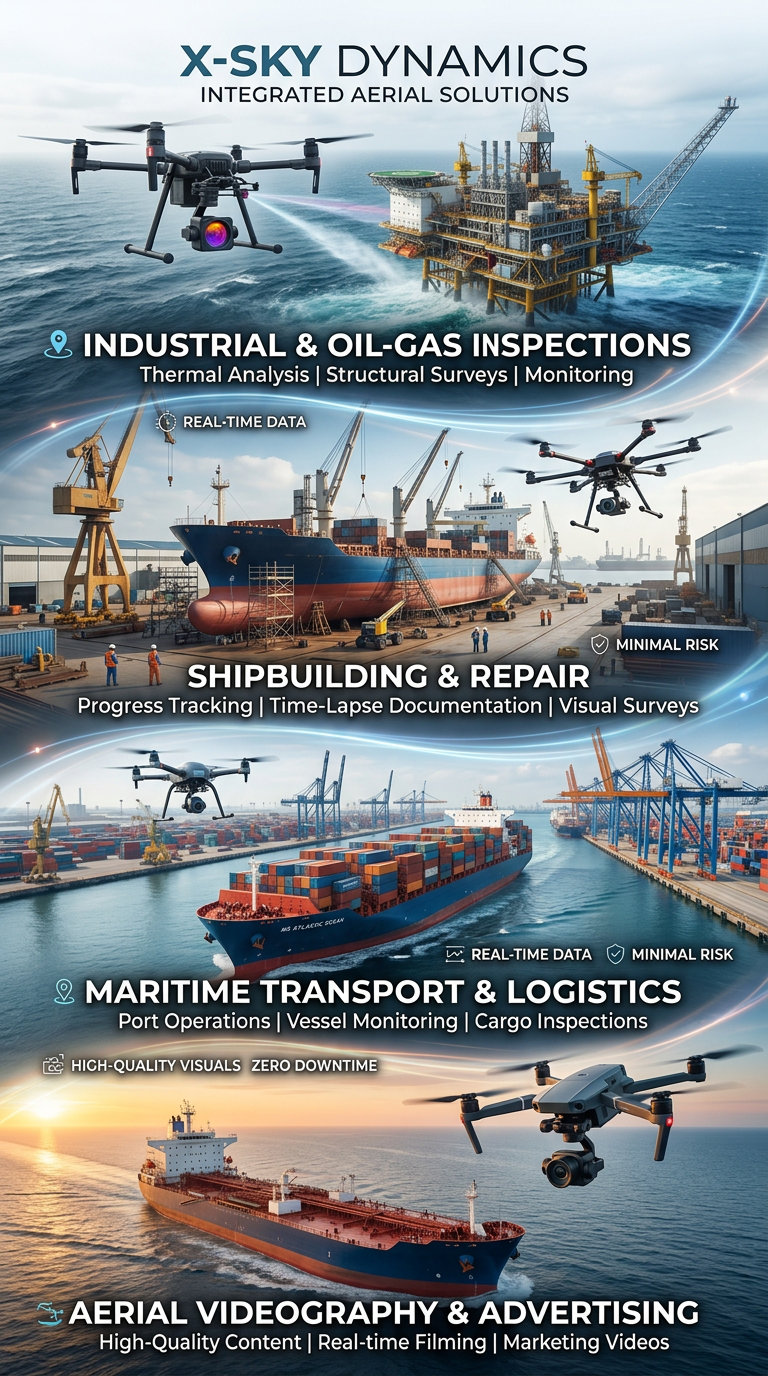
Drone and Video Services in Maritime Transport
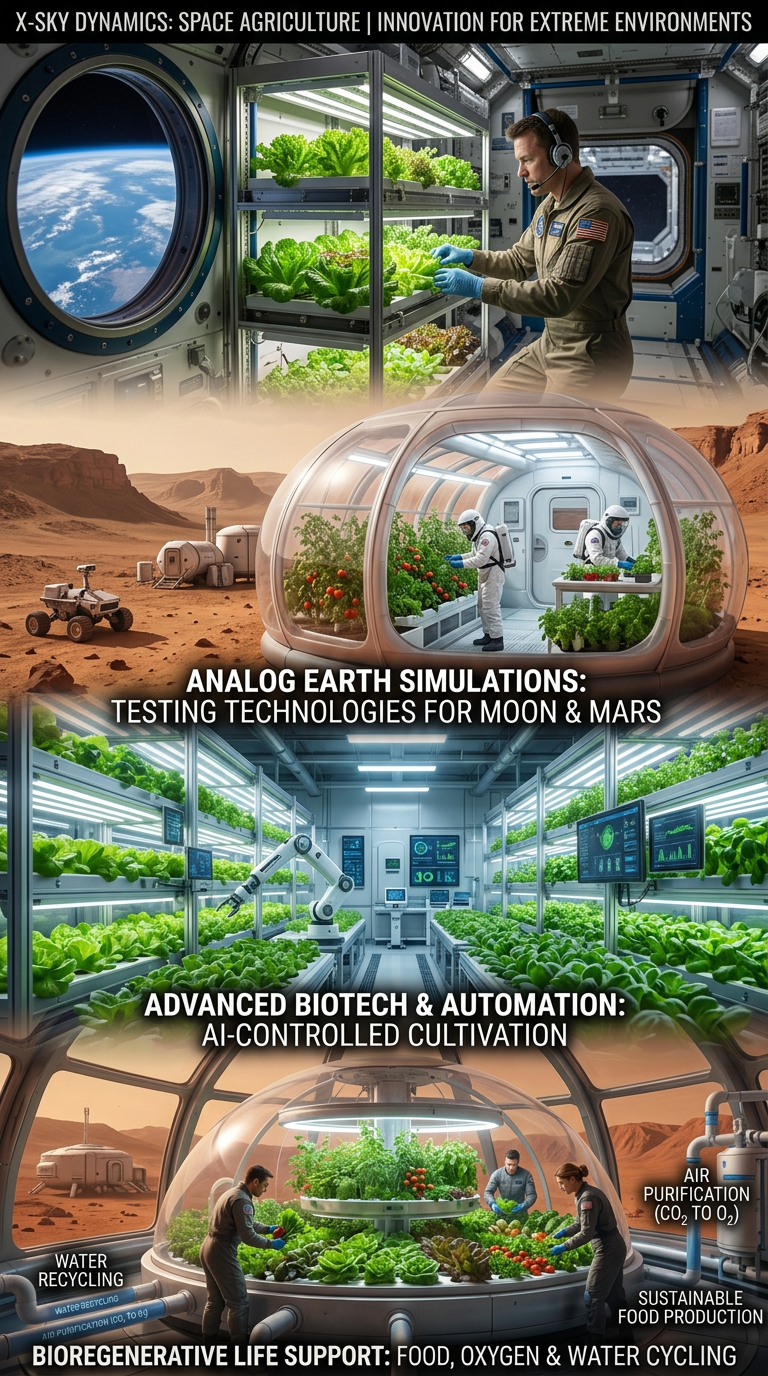
Space Agriculture, Agri-Systems for Extreme Environments
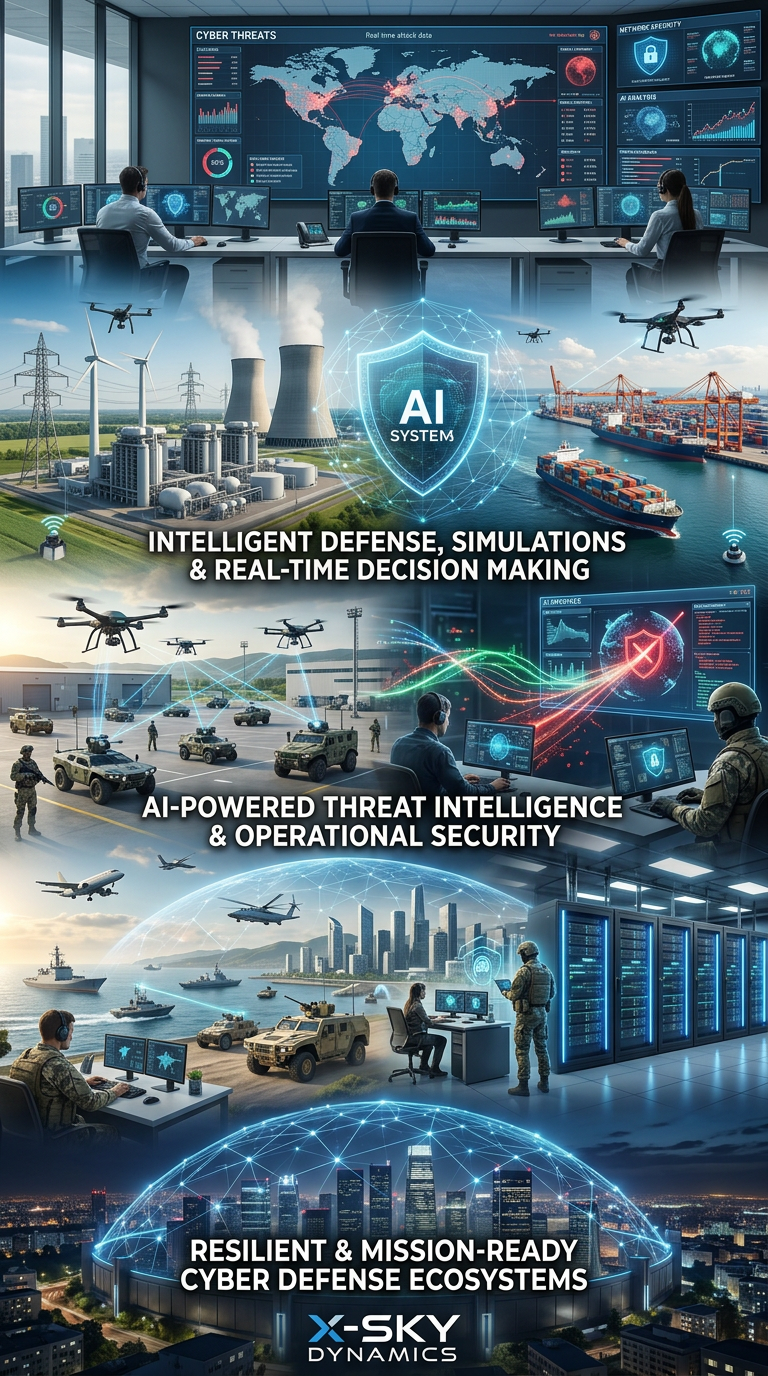
Cybersecurity, Cyber Defence and Protection of Critical Infrastructure
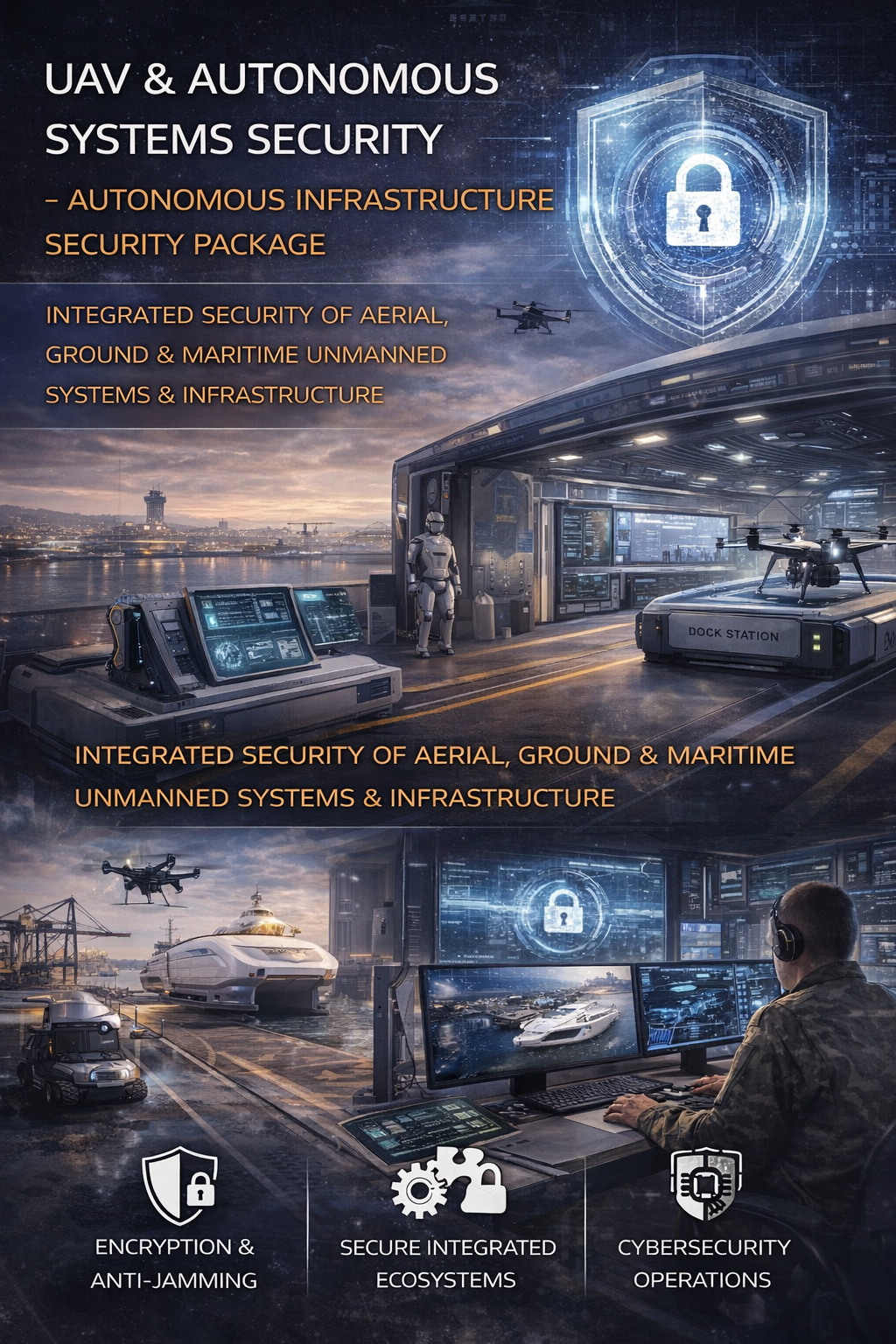
Cybersecurity and Protection of UAV and Autonomous Systems
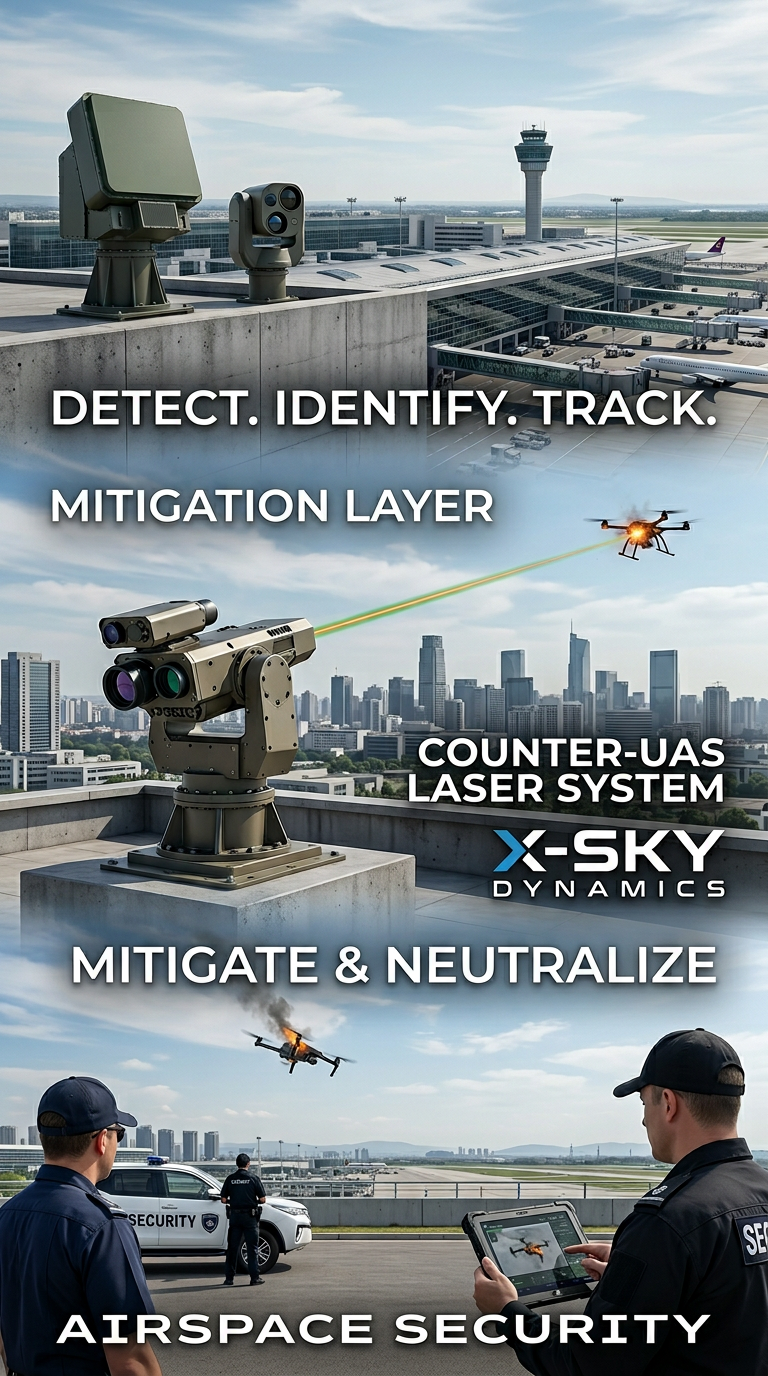
Counter-UAS, Laser and Kinetic Systems
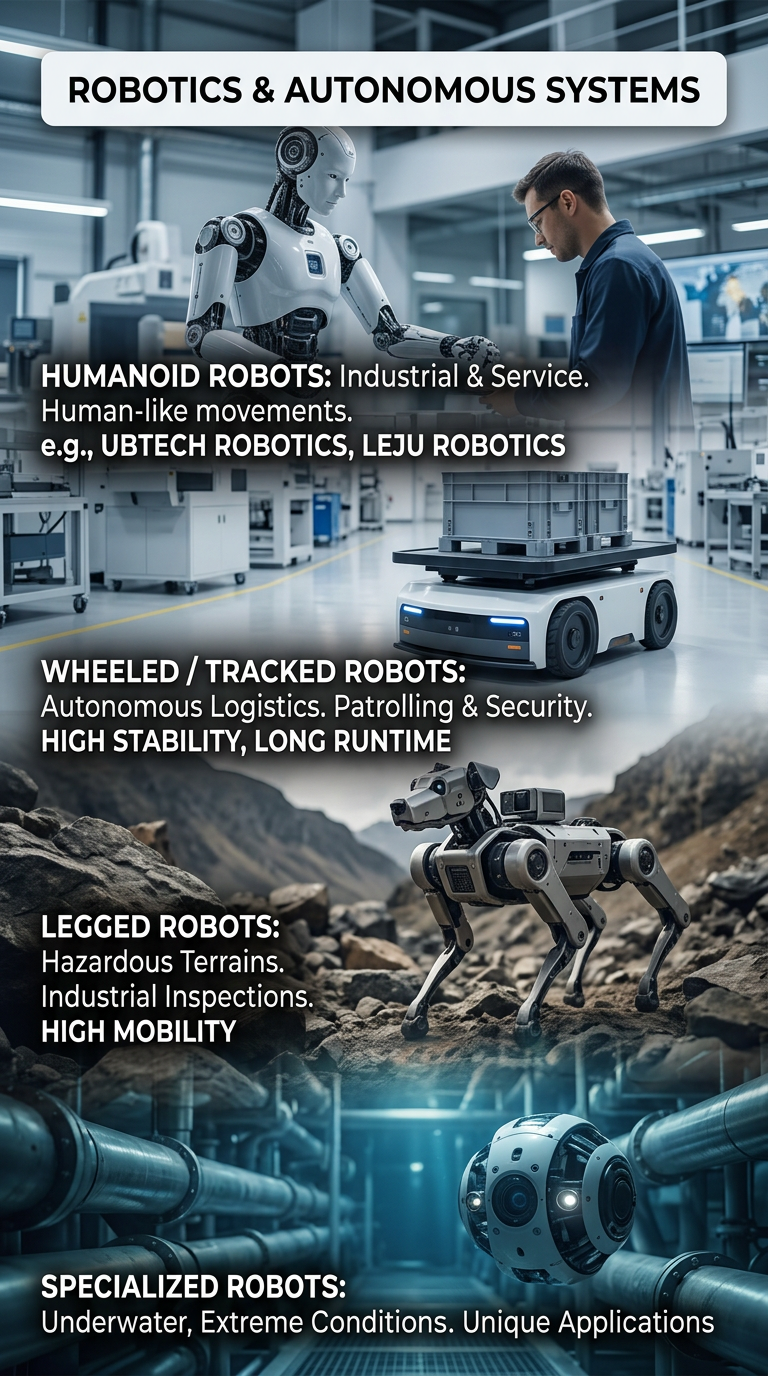
Robots and Autonomous Systems
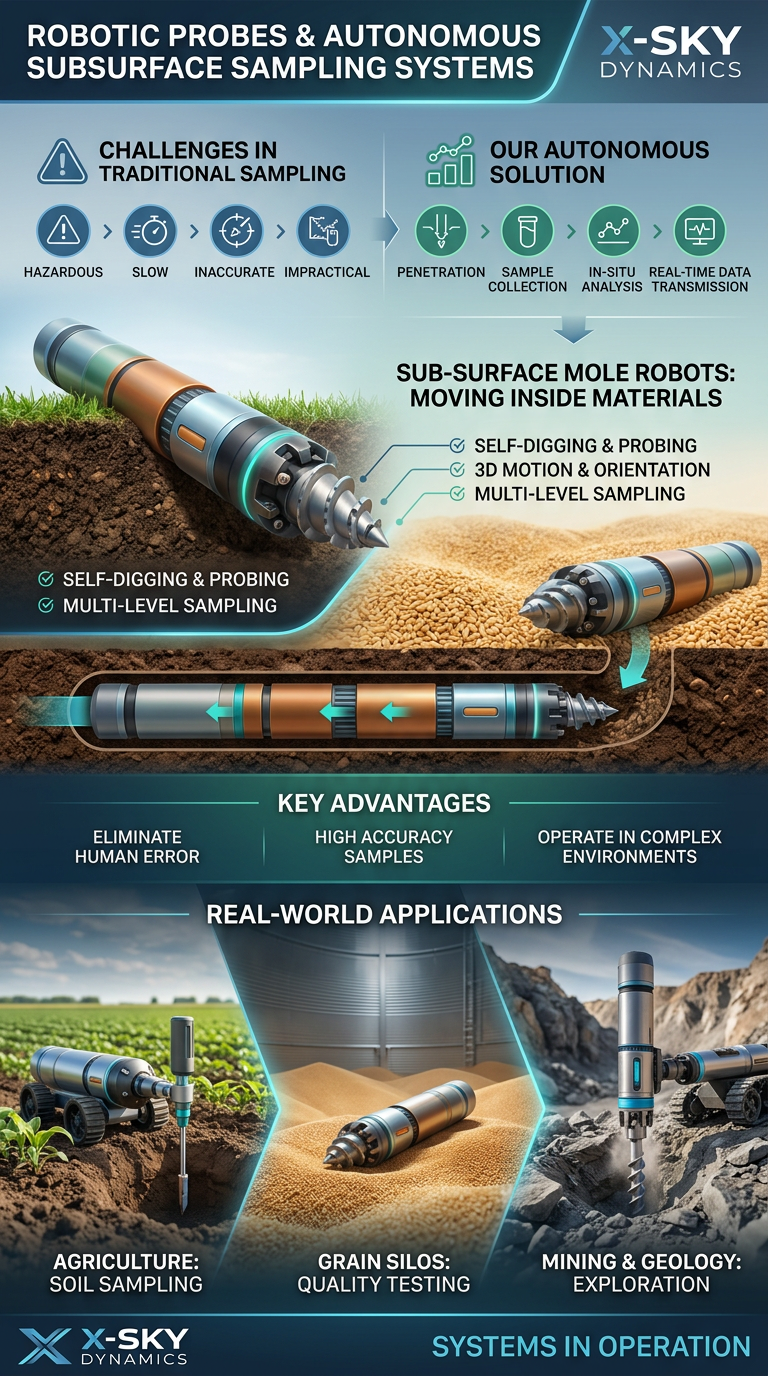
Robotic Probing Systems and Subsurface Technologies
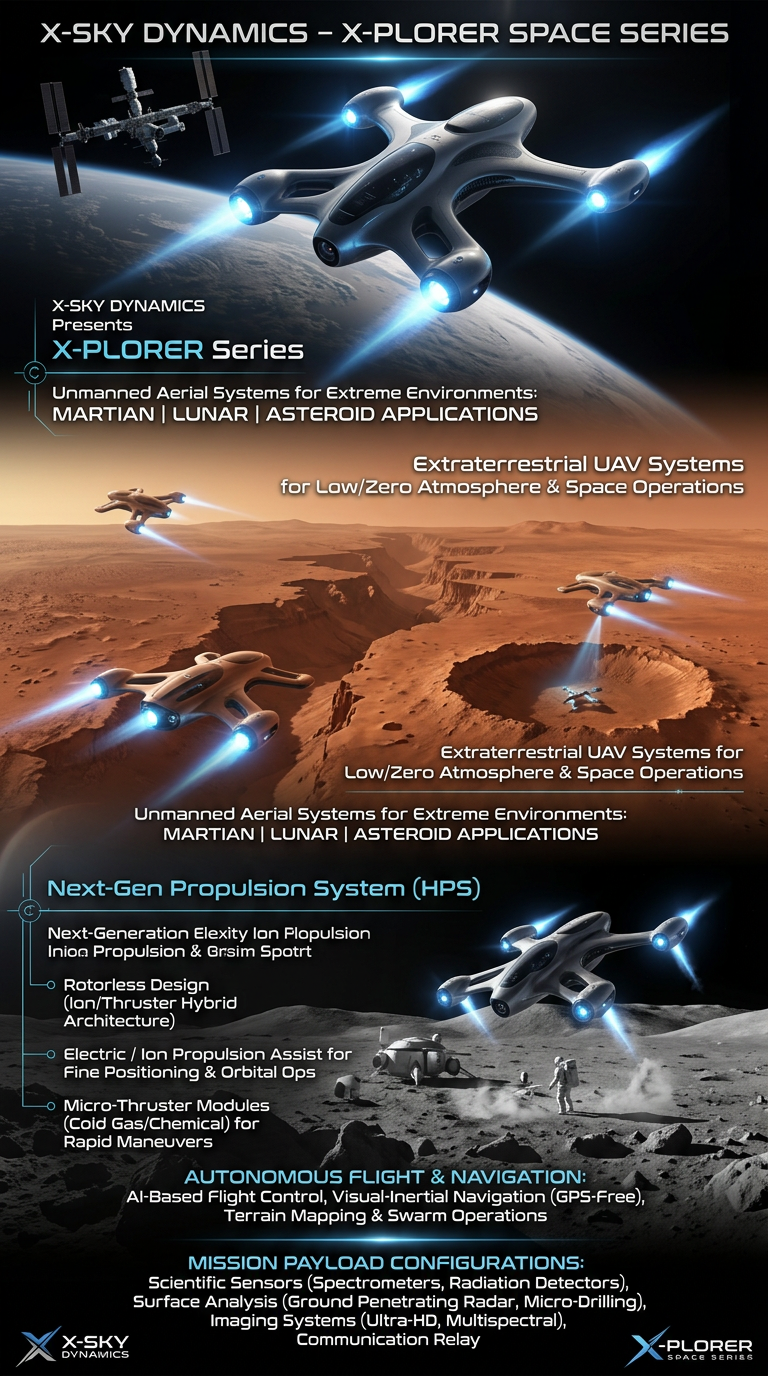
Space Drone systems SPACE X-PLORER SERIES

RAIGNV – Industrial UAV Systems, Automated Drone Stations
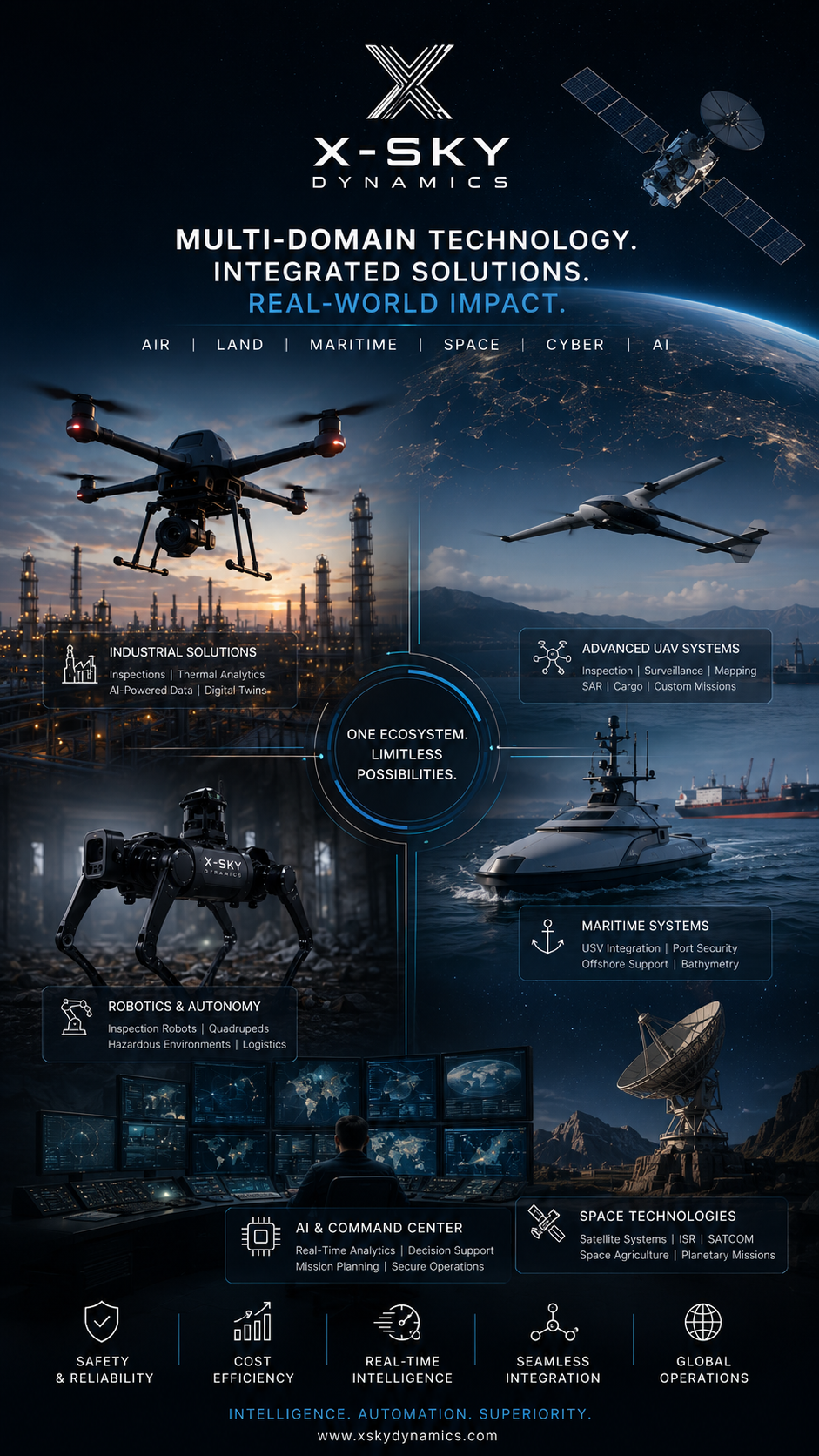
Current and Future Investors in X-SKY Dynamics and Company Partners

China ↔ EU Marketing
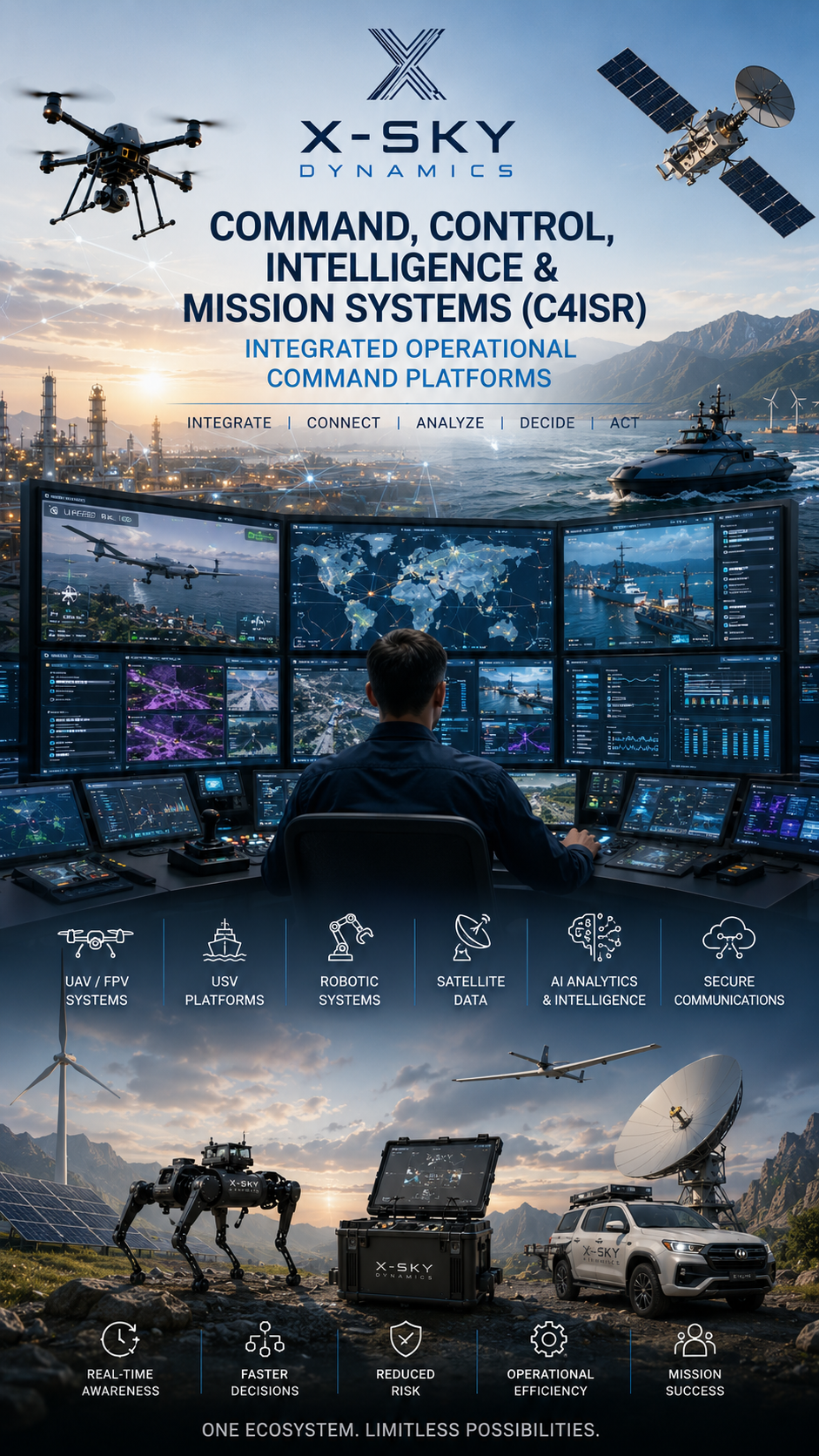
Next-Generation Systems for Real-Time Operational Management (C4ISR)
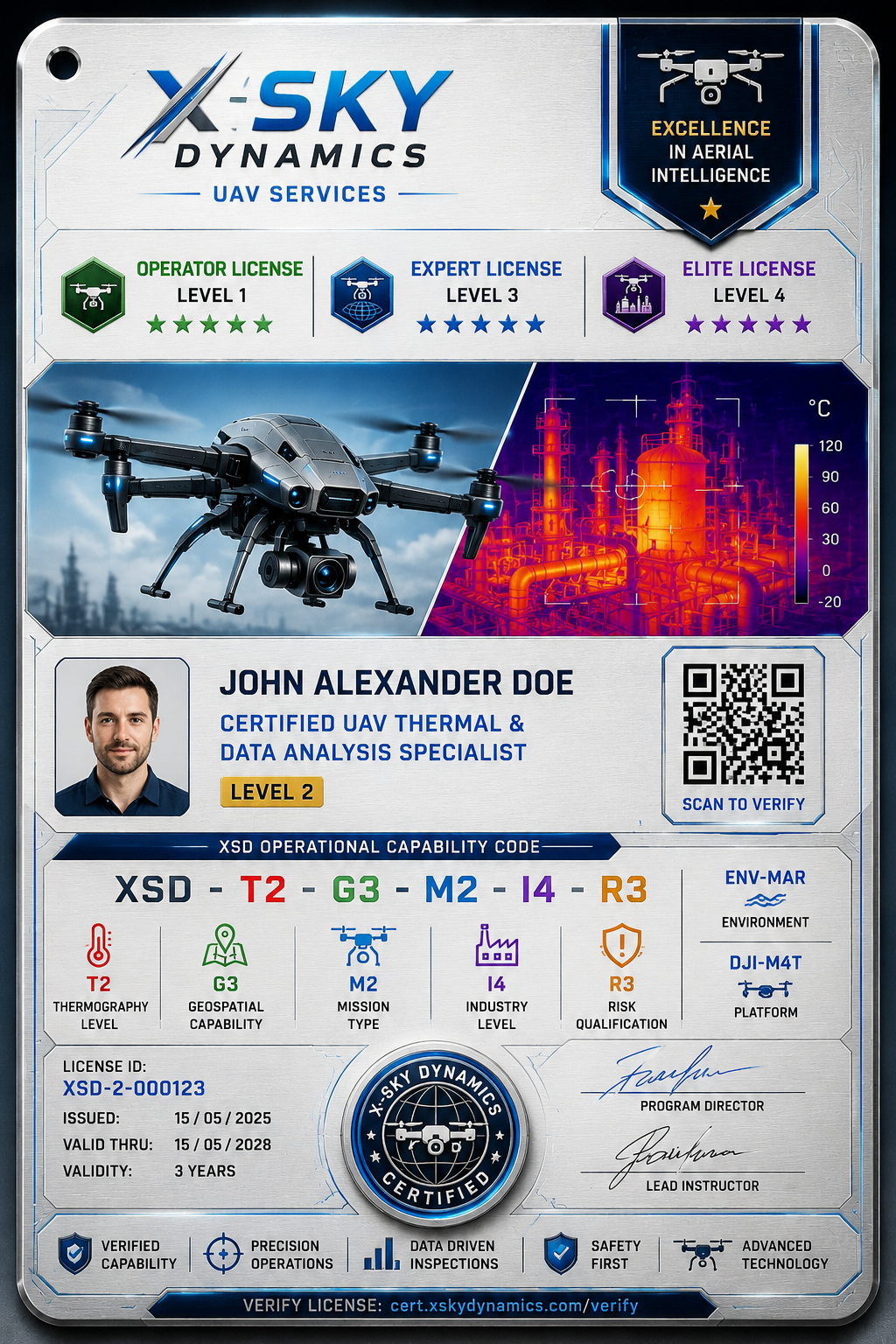
Professional Thermography Training, Qualification & Certification Framework for UAV-drone operators
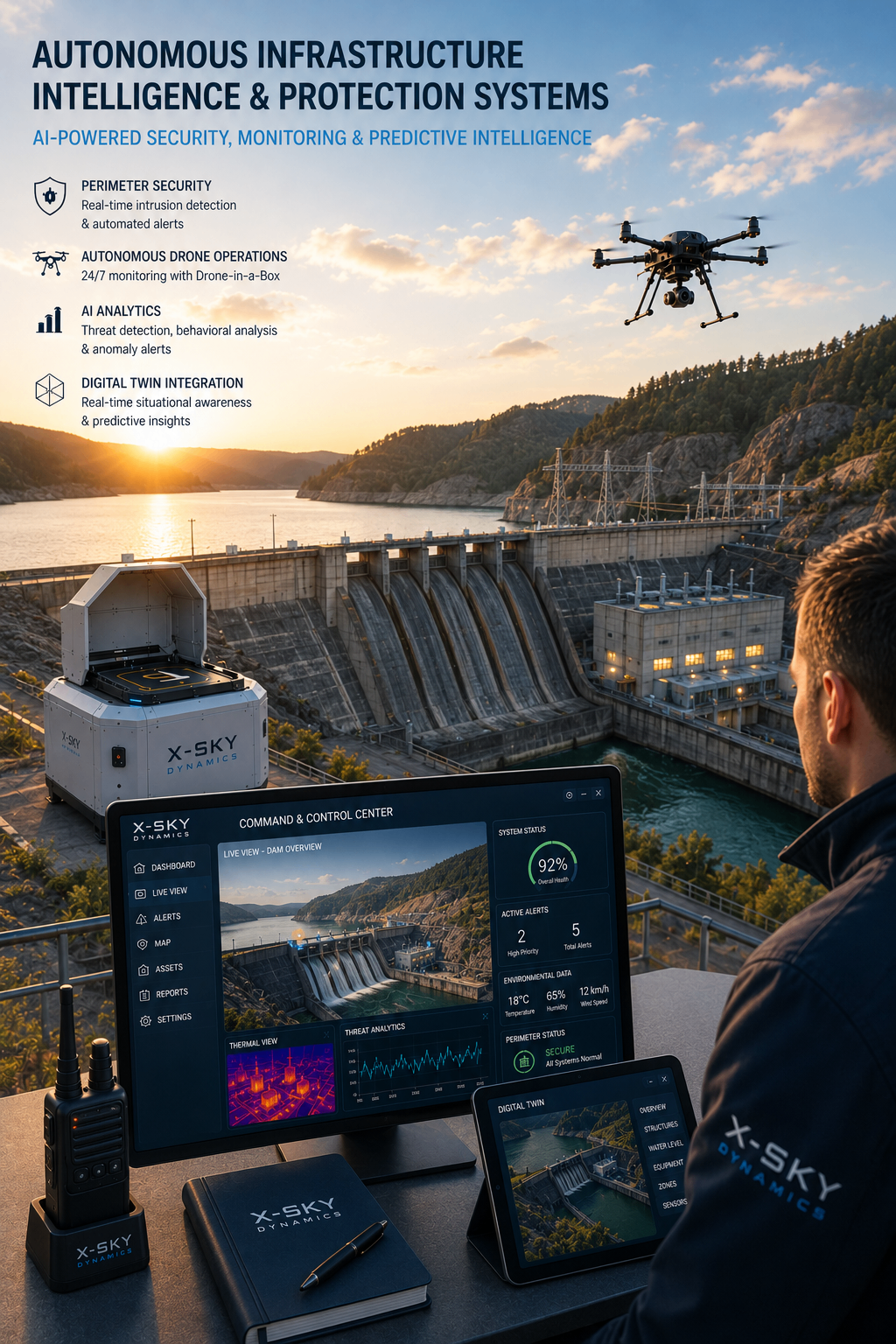
Monitoring, Defense & Predictive Infrastructure Platforms
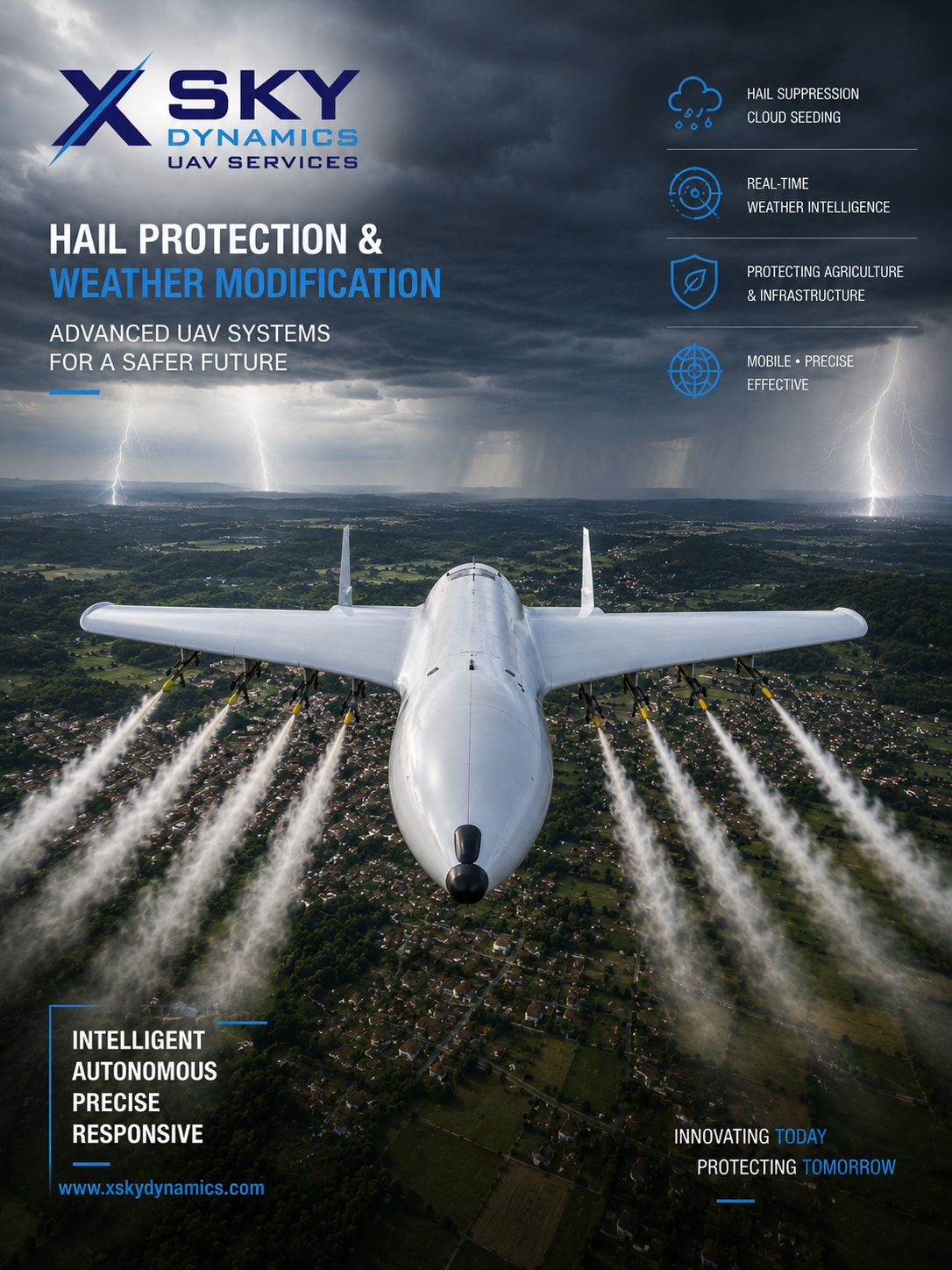
UAV Systems for Hail Suppression, Weather Modification

eVTOL Intelligent Ultra-Light Electric Aircrafts ANTG
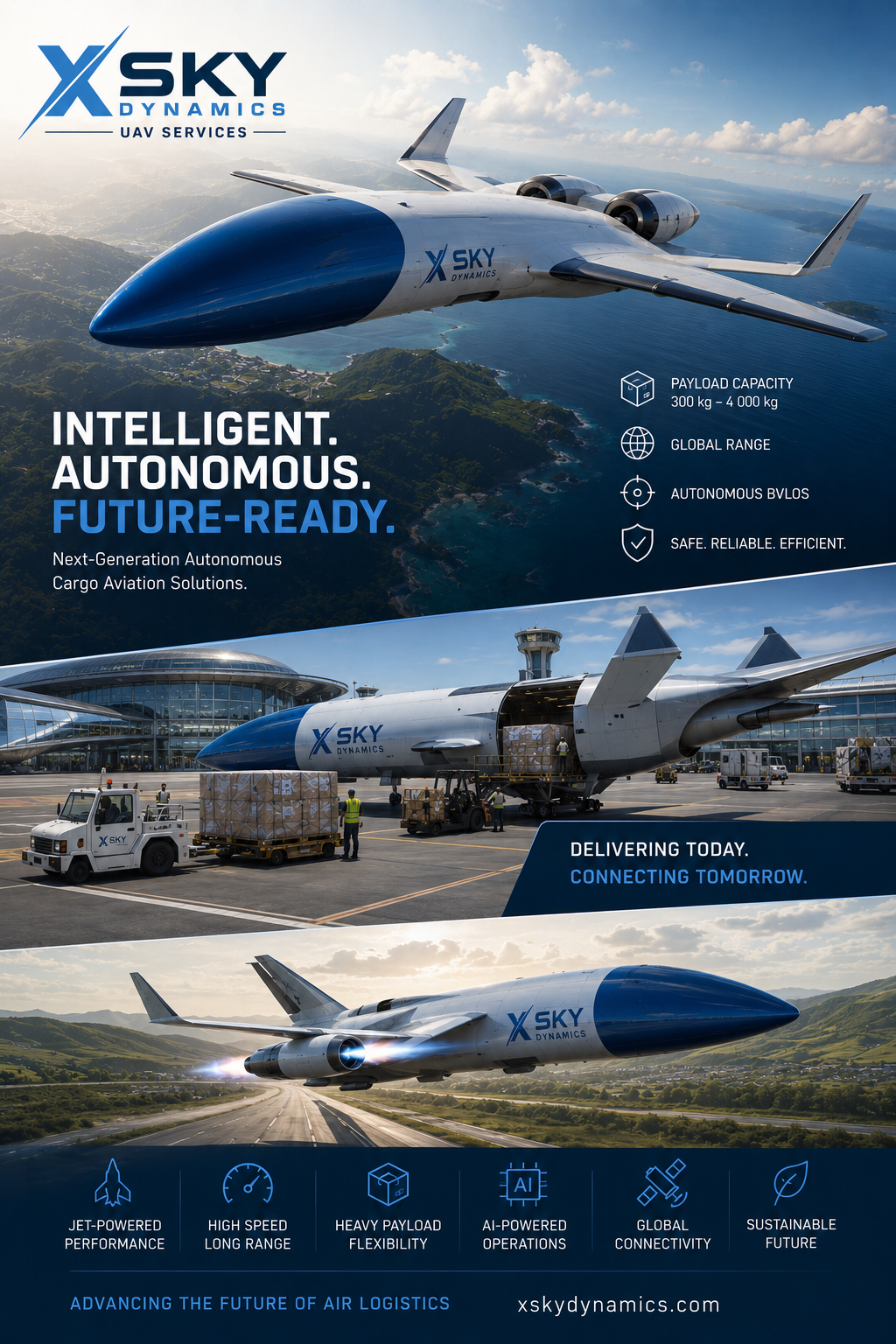
Cargo Air Mobility Systems - Cargo UAV Aircraft
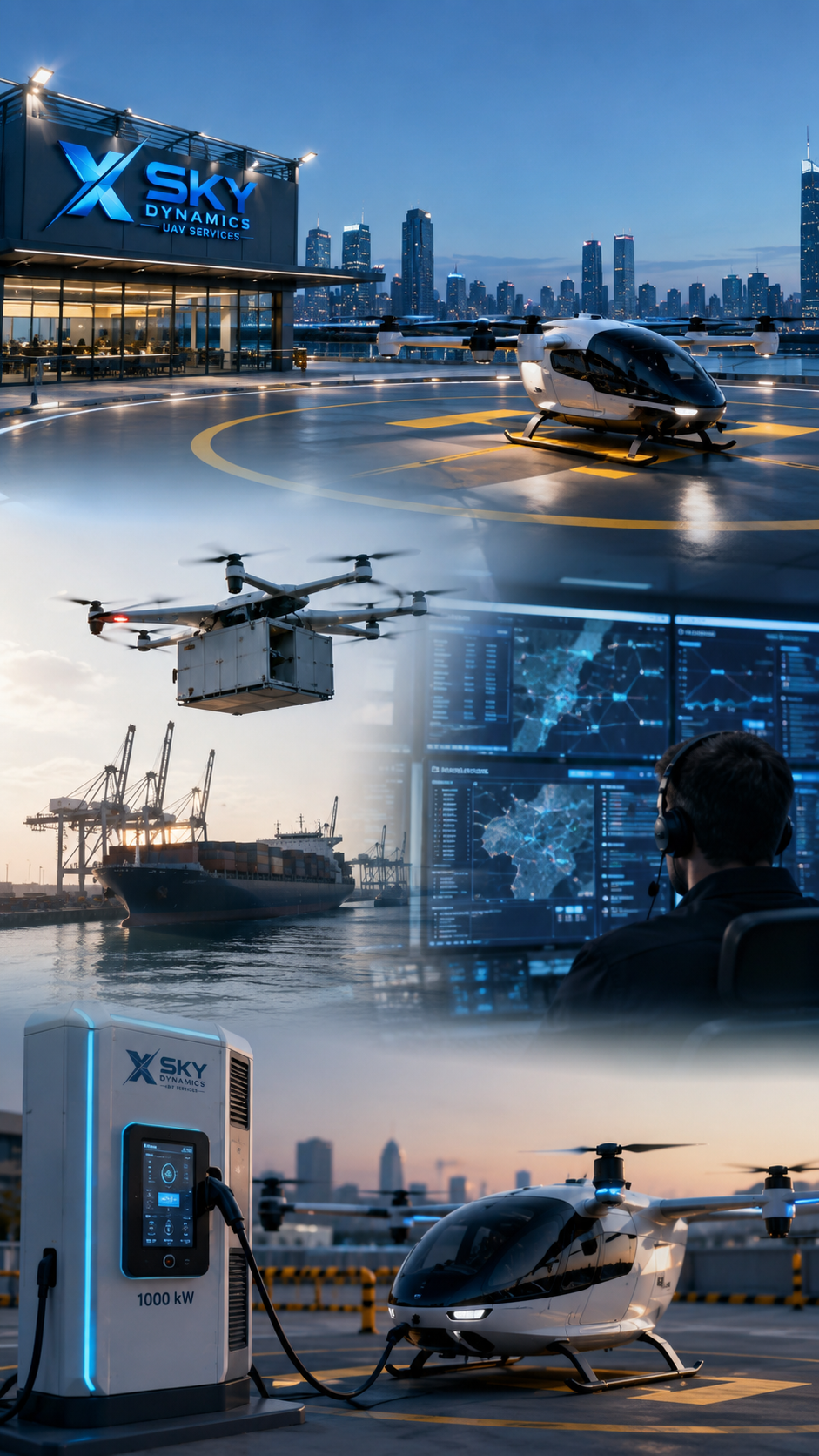
eVTOL Vertiports Infrastructure & Advanced Air Mobility
Solar & Hybrid Stratospheric Unmanned Platforms
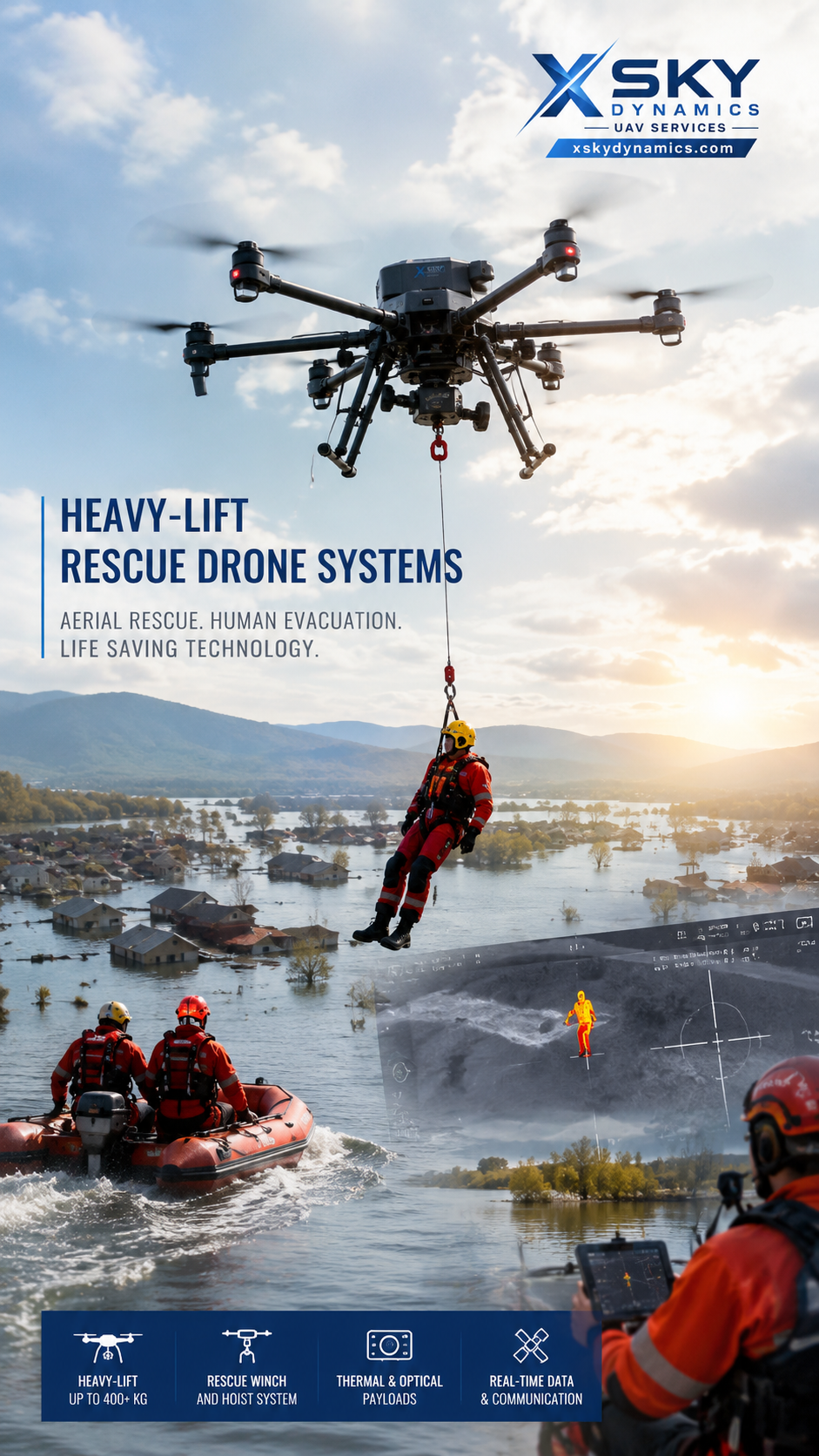
Heavy-Lift Rescue Drones
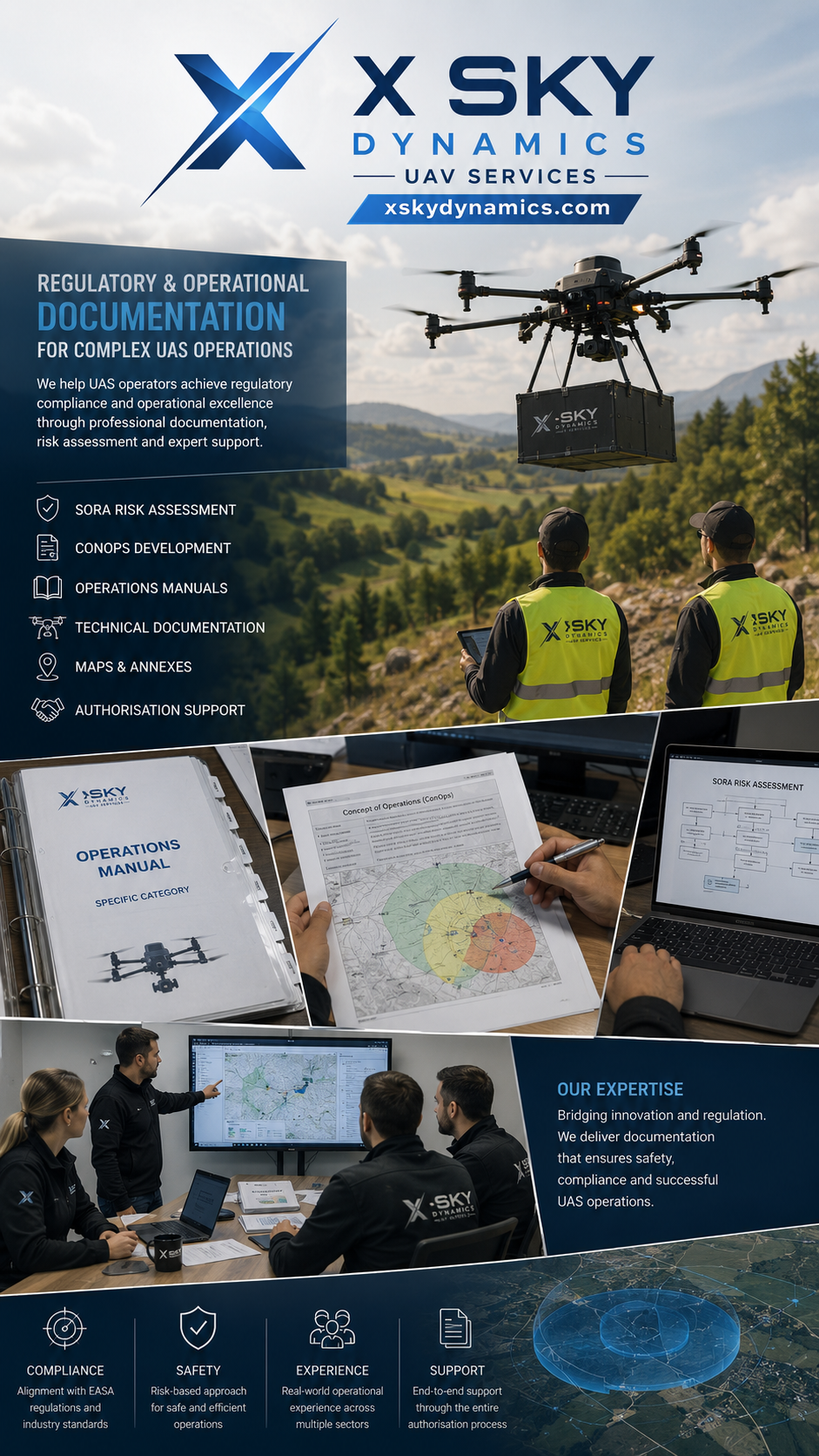
Specific Category & SORA Documentation

Remote Video Production