



 WeCom / WeChat Business
[ SERVICES / FIREFIGHTING DRONES & AERIAL FIRE SUPPRESSION ]
/ SERVICE #53
Firefighting Drones and Unmanned Systems for Active Fire Suppression
X-Sky Dynamics
Supply, integration and development of heavy-lift unmanned solutions for early intervention, fire containment and support for firefighting operations.
X-Sky Dynamics develops active firefighting solutions using unmanned aircraft systems, from heavy-lift multirotors to uncrewed helicopters, fixed-wing platforms and vertical take-off and landing aircraft.
Our approach combines early detection, situational assessment and aerial delivery of an appropriate extinguishing agent. The aim is timely intervention at an emerging fire, containment of its spread and support for ground crews and crewed firefighting aviation.
Solutions are configured according to the asset being protected, the terrain, the nature of the fire hazard and the available infrastructure. Our scope includes platform selection and supply, integration of firefighting equipment, control systems, training and technical servicing.
From Early Detection to Active Intervention
Firefighting drones can be connected to early-warning systems, thermal surveillance, fixed cameras, automated drone stations and command centers. Satellite information and other external sources can supplement the overall operational picture.
When an alert is received, the system supports fire localization, visual and thermal confirmation and assessment of the response required. Depending on the configuration and authorized operating mode, preparation and dispatch of a firefighting platform can be initiated.
This approach is particularly suitable for early intervention when a fire remains limited and ground equipment needs more time to reach it. The integration of early detection with autonomous aerial fire suppression is already being developed and demonstrated by specialized companies in the sector.
Heavy Lift Multirotors
Heavy-lift multirotors in the DJI FlyCart class and other professional cargo platforms provide a foundation for integrating specialized firefighting equipment. The specific application depends on payload, flight performance and compatibility between the aircraft and the selected module.
Possible configurations include:
- Onboard tanks with controlled liquid release.
- Suspended containers for transporting and delivering water or a suitable agent.
- Directed spray systems.
- Specialized modules for localized treatment of fire outbreaks.
- Cargo systems for delivering firefighting equipment to ground crews.
Vertical take-off and hovering enable work around specific areas and assets. These platforms can support initial response, treatment of residual hotspots and operations in difficult-to-access areas.
Specialized firefighting attachments for heavy-lift platforms are already available, including systems based on DJI FlyCart 100. Firefighting capability depends on the complete integration, rather than solely on the drone's lifting capacity.
Firefighting with Ground Supplied Systems
For certain applications, drones can deliver water or another compatible agent through a hose connected to a ground pump, fire engine or fixed installation.
With a suitable configuration, the aircraft can also receive external electrical power. Operating duration then depends on the capabilities of the complete system, while the volume of liquid delivered is no longer limited solely by the onboard tank.
These solutions are applicable to high-rise facades, industrial facilities, warehouse complexes and other assets where aerial access to a particular area offers a practical advantage.
Integration takes account of operating height, hose mass and behavior, pumping-system capabilities, wind and the characteristics of the building or facility.
Uncrewed Helicopters
Uncrewed helicopters and optionally piloted platforms extend the ability to carry larger quantities of extinguishing agent and perform successive operating cycles.
They can be equipped with suspended firefighting buckets or specialized tanks. They are suitable for applications requiring vertical take-off, hovering and access to terrain with limited ground infrastructure.
Sikorsky and Rain have already conducted live trials of autonomous helicopter fire suppression. Demonstrations include fire detection, water collection and delivery, as well as coordinated operations with a crewed airborne command helicopter.
Fixed Wing Platforms and VTOL Solutions
Fixed-wing unmanned aircraft can offer advantages for missions requiring greater range, longer flight duration and coverage of widely separated areas.
Vertical take-off and landing platforms, or VTOL aircraft, combine operation from a compact site with the efficiency of wing-borne flight. Depending on the project, electric, hybrid and other propulsion configurations can be considered.
This area includes both specialized developments and conceptual models at different levels of technological readiness. Each project assesses suitability for firefighting, the infrastructure required and the prospects for testing and subsequent implementation. Manufacturers are already presenting fixed-wing and VTOL developments intended to transport and deliver firefighting agents.
Water and Specialized Firefighting Agents
Selection of the extinguishing medium is an essential part of the solution. In addition to water, the following may be considered:
- Foaming agents for suitable applications.
- Wetting additives that improve water penetration.
- Gels and other water-retaining formulations.
- Fire retardants to limit spread.
- Other specialized agents compatible with the equipment and the specific fire risk.
Different agents serve different purposes. Some support immediate suppression and cooling, while others are used to pretreat threatened areas. Selection considers the permitted aerial application method, environmental effects and compatibility with materials and equipment.
Electrical installations, flammable liquids, metals, battery systems and other specific hazards require a separate approach. No single extinguishing agent is a universal solution for every fire type.
Autonomous and Operator Controlled Operation
Depending on the platform selected, the system can operate with a remote pilot, through automated functions under human supervision, or autonomously within the scope of authorized tasks.
Automation can cover alert receipt, mission preparation, flight, surveillance, execution of an assigned firefighting task and return for servicing.
Integrated solutions can provide management of successive operating cycles, including agent replenishment, battery replacement or charging, technical inspection and preparation for the next task. The degree of automation is defined for the specific system.
Human supervision and the ability to intervene remain important elements of the operating organization, particularly as conditions change and other aerial and ground resources participate.
Command Center and Assessment of Results
The command center brings together information from firefighting platforms, reconnaissance drones and early-detection systems.
RGB and thermal imagery support assessment of fire development, the condition of treated areas and the presence of residual hotspots. Geographic information, weather data and equipment status supplement the operational picture.
Software tools and AI functions can support image analysis, change detection and preparation of information for the incident commander. Recording completed tasks enables subsequent analysis, accountability and improvements to operational organization.
Space Segment and Satellite Support for Firefighting Operations
The service can be combined with the satellite information and analytics services of the X-Sky Dynamics space segment. Integrating data from multiple satellite sources, aerial platforms and ground systems creates a common operational picture that supports early detection, situational assessment, planning and coordination of firefighting operations.
Satellite information supports identification of the fire’s location and extent, detection of thermal anomalies and tracking of changes between observations. Combined with weather data, terrain, vegetation cover and field observations, it can support analysis of likely directions of spread and of settlements, facilities and infrastructure at risk. It is particularly valuable in remote or inaccessible areas that a drone cannot reach or where it is temporarily unable to collect information.
The space segment also supports assessment of local water sources, including reservoirs, lakes, rivers, other water bodies and available water-supply infrastructure. Satellite observations can show their location, surface area and changes over time. Where depth, water-level, capacity or operator measurement data are available, these can be combined to estimate available water volumes. Suitability for water collection is established with reference to access, obstacles, aircraft characteristics and on-site verification.
Landscape and infrastructure analysis covers terrain, vegetation, roads, access routes, facilities and potentially threatened areas. It supports selection of suitable locations for the command center, takeoff and landing sites, water collection and replenishment points, and ground-team deployment. Information from the space segment thus contributes directly to operational preparation and management.
Processed data, maps, coordinates and alerts can be provided to the command center, compatible drone management systems and authorized partners and emergency services. Integrated web-based and mobile applications allow participants to access the common operational picture from a workstation, tablet or phone, with role-based permissions. This enables shared updates and more coordinated allocation of tasks among aerial and ground teams.
When connected to telemetry and mission management systems, the platform can display current drone locations, assigned operating areas, task status and the water collection points in use. This information is also available to participants who do not operate the aircraft, helping them direct their own teams and coordinate their actions. Tracking relies on drone data and communication links integrated with the satellite analytics layers.
The currency and detail of satellite information depend on the source, acquisition time, resolution, cloud cover for the relevant sensors, and processing and delivery times. The operational picture accounts for the time of the latest update. Satellite analyses, current telemetry and field confirmations are used together to support informed decisions by the incident commander.
Coordination with Crewed Aviation
Unmanned firefighting systems can complement crewed helicopters and aircraft through early intervention, localized treatment, surveillance and equipment delivery.
Joint operations are organized through unified command, airspace coordination, communication and clear allocation of tasks. Depending on conditions, different platforms may operate sequentially or in coordinated separate areas.
Integration is intended to ensure that unmanned systems support the overall operation and provide useful information and additional resources. Coordination of crewed and uncrewed flights is also a fundamental element of official approaches to using UAS in wildfire operations.
Applications and Factors Affecting Effectiveness
Solutions can be developed for forests and agricultural areas, industrial sites, warehouse and logistics complexes, high-rise buildings, ports and other critical infrastructure. Specialized unmanned platforms designed for high-rise firefighting already exist.
Effectiveness depends on fire size and stage, combustible materials, weather, terrain, payload and the agent selected. Travel time, access to a water source or replenishment base and the number of operating cycles possible are also significant.
Timely intervention can have a substantial effect on small fires. During a developed fire, the unmanned system contributes according to its capabilities within the overall firefighting organization.
Custom Development and Production with Partners
When available platforms do not meet a particular task, X-Sky Dynamics can undertake studies and development of a specialized concept in collaboration with technology and manufacturing partners.
The scope can include adaptation of an existing platform, development of a firefighting module, sensor and control integration, and creation of a prototype specialized unmanned system.
Following assessment of technical and economic feasibility, work can proceed to prototyping, testing and preparation for production. Development is linked to defined project stages, acceptance criteria and the necessary authorizations.
General Conditions for Technical Characteristics and Applications
The capabilities described relate to different platforms, configurations and stages of technological readiness. Specific characteristics and permitted extinguishing agents are defined in the technical specification. Individual performance figures may have been achieved under laboratory or controlled test conditions. Operation is subject to applicable law, the necessary authorizations and the organization of the firefighting operation.
IMPORTANT Preliminary Consulting Stage for This Service
Due to the high degree of technical complexity and the need for an individual approach, the provision of further information or consulting, as well as delivery of this service, begins only after a preliminary consulting agreement has been concluded.
The solutions offered by X-Sky Dynamics are not standard products, but individually engineered systems tailored to each customer's specific operational, technical and regulatory requirements.
The consulting stage includes technical studies, analysis of the task, risk assessment, concept development, selection of suitable technologies, definition of the system architecture and preparation of a technical specification for subsequent implementation, among other activities.
The resulting technical concept is an independent engineering deliverable and may be used both for implementation by X-Sky Dynamics and for integration of systems and equipment from other manufacturers where this serves the customer's interests.
On completion of this stage, a comprehensive technical concept is prepared as the basis for the design, supply, integration and implementation of the system. In this way, the final solution is ensured to be as effective, reliable and optimized as possible for the project's budget, objectives and specific requirements.
Firefighting drones and aerial fire suppression gallery
[ RELATED VIDEOS ]
YouTube #1
YouTube #2
YouTube #3
YouTube #4
YouTube #5
YouTube #6
YouTube #7
YouTube #8
YouTube #9
YouTube #10
YouTube #11
YouTube #12
YouTube #13
YouTube #14
YouTube #15
YouTube #16
YouTube #17
YouTube #18
YouTube #19
YouTube #20
YouTube #21
YouTube #22
YouTube #23
YouTube #24
YouTube #25
YouTube #26
YouTube #27
YouTube #28
YouTube #29
YouTube #30
YouTube #31
YouTube #32
YouTube #33
YouTube #34
YouTube #35
YouTube #36
YouTube #37
YouTube #38
YouTube #39
YouTube #40
YouTube #41
YouTube #42
[ Get in Touch ]
X-Sky Dynamics
- ✉xskydynamics@gmail.com
- ✉xsky@xskydynamics.com
- ☎+359 87 6975862
 WhatsApp: +359 87 6975862
 Viber: +359 87 6975862
- 📍Sofia, bul. "Yanko Sakazov"

[ SERVICES ]
Measurement of Areas, Volumes, Distances with Drones
Mapping, Orthophoto, Geodetic UAV Systems, Digital Twins
Geodetic, Topographic, Digital Twins 3D Surveying with UAV Systems
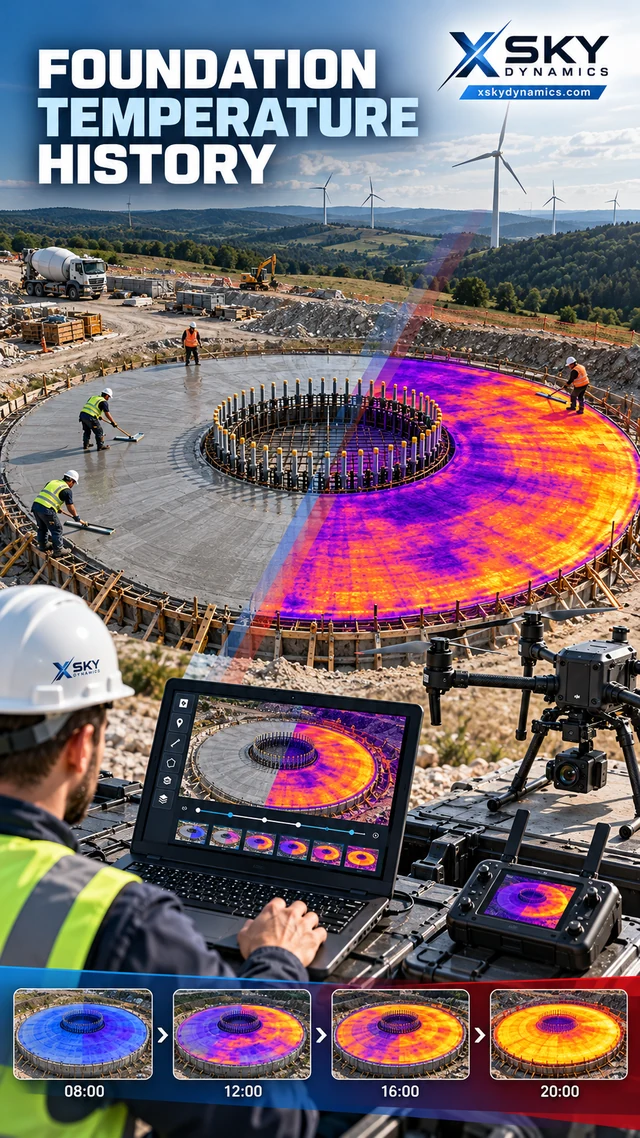
Orthophoto and Thermal Time Lapse

FPV Drone Inspections, Surveys

Search and Rescue of Pets and animals Using Drones
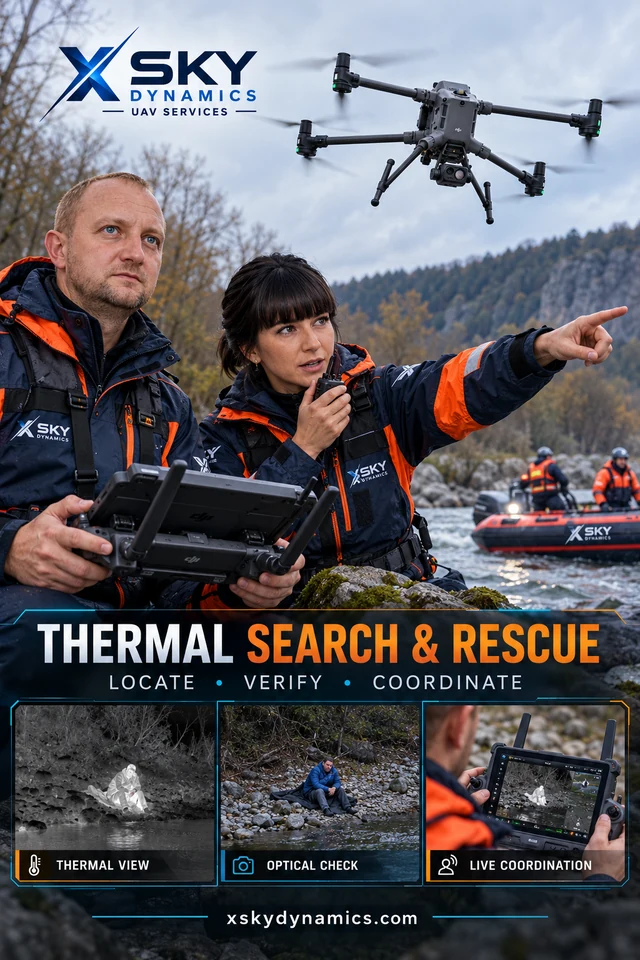
Search and Rescue via Drones
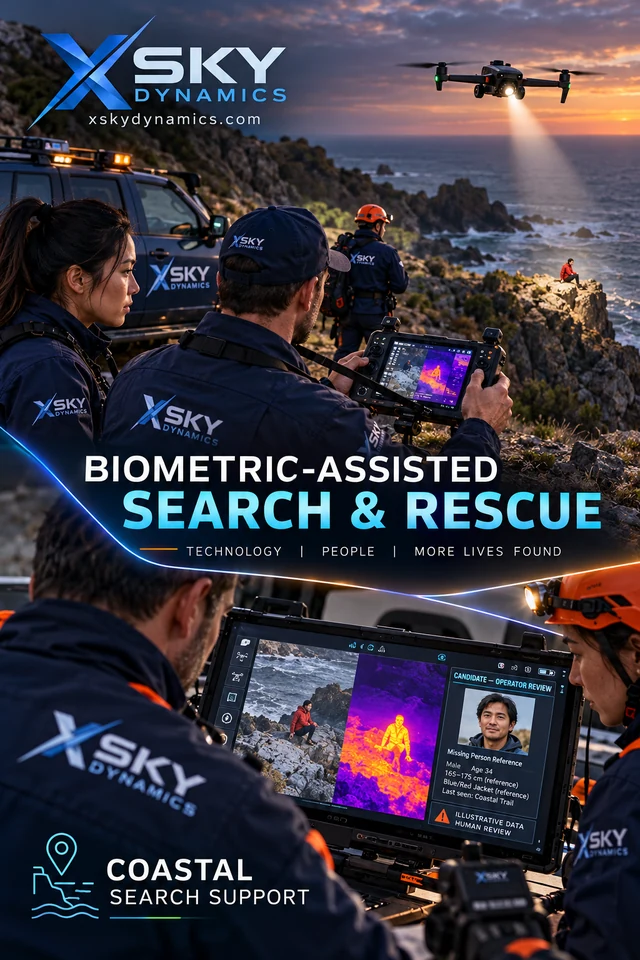
Specialized biometric UAS drone Systems for SAR
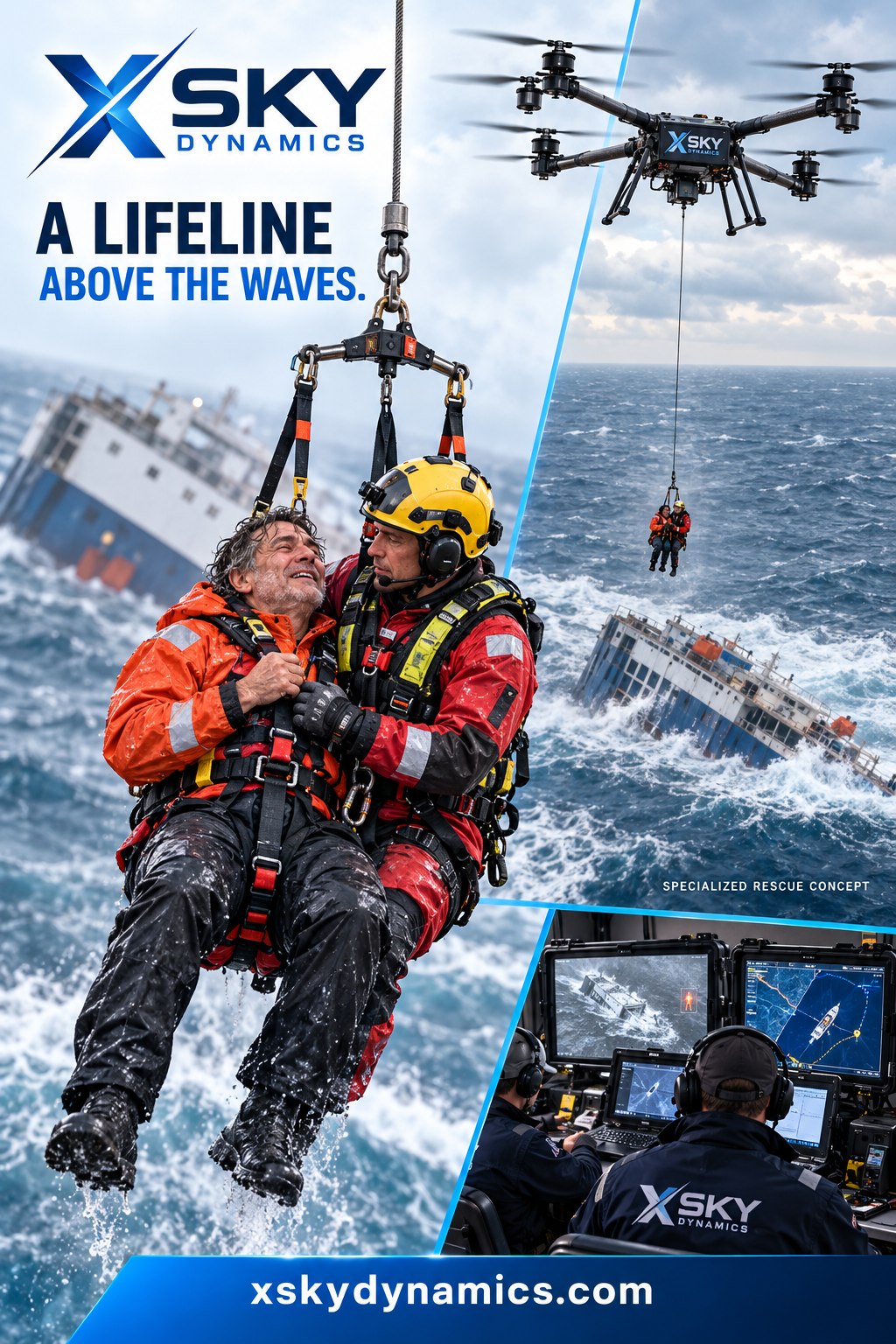
Heavy-Lift Rescue Drones
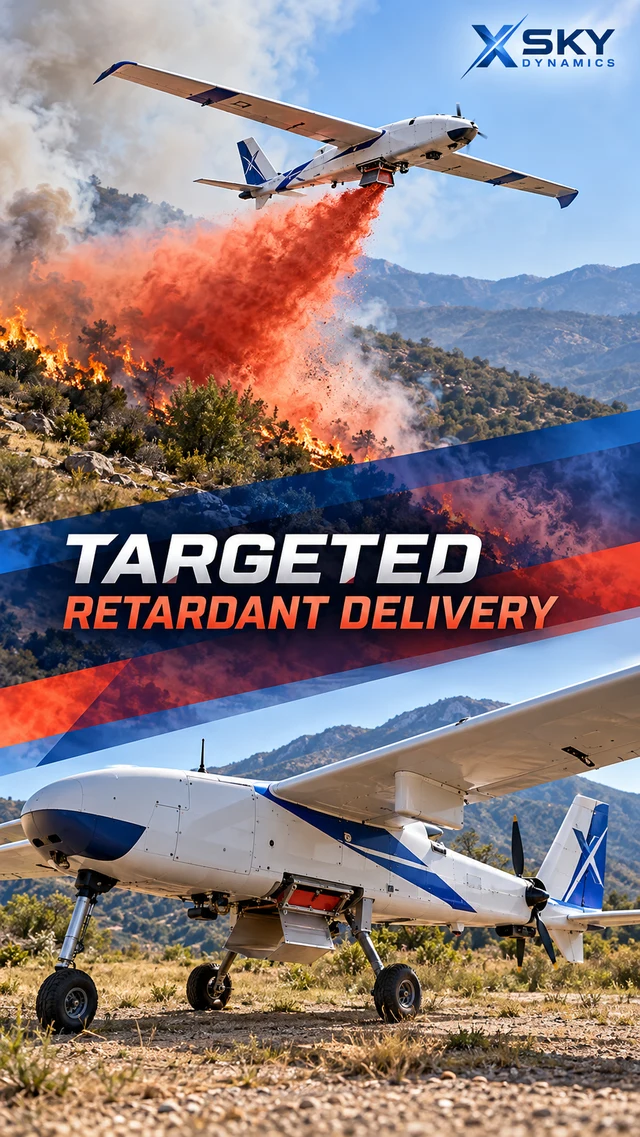
Firefighting Drones & Aerial Fire Suppression
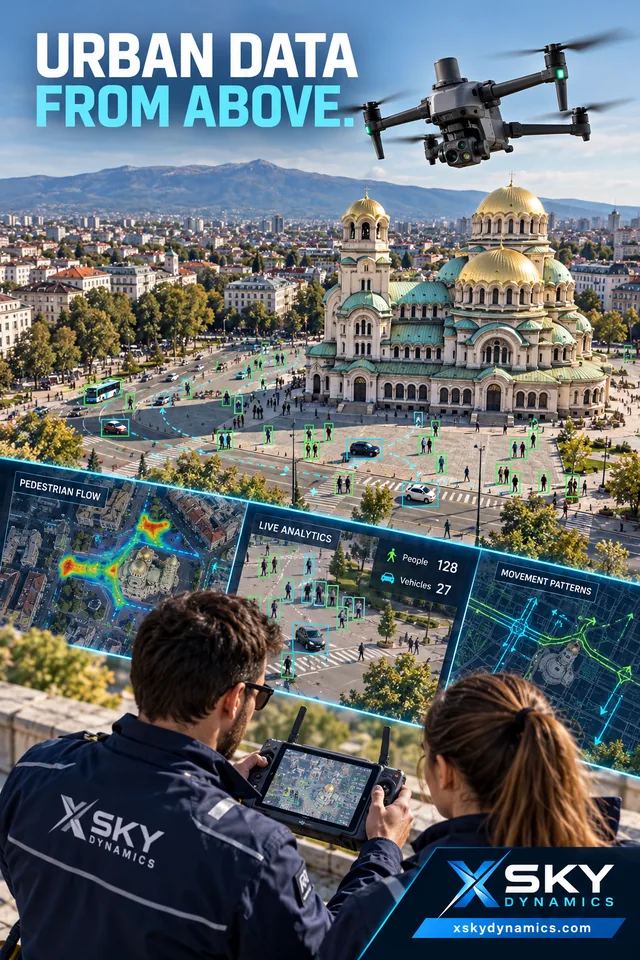
Drone Systems for Collecting Statistical Data
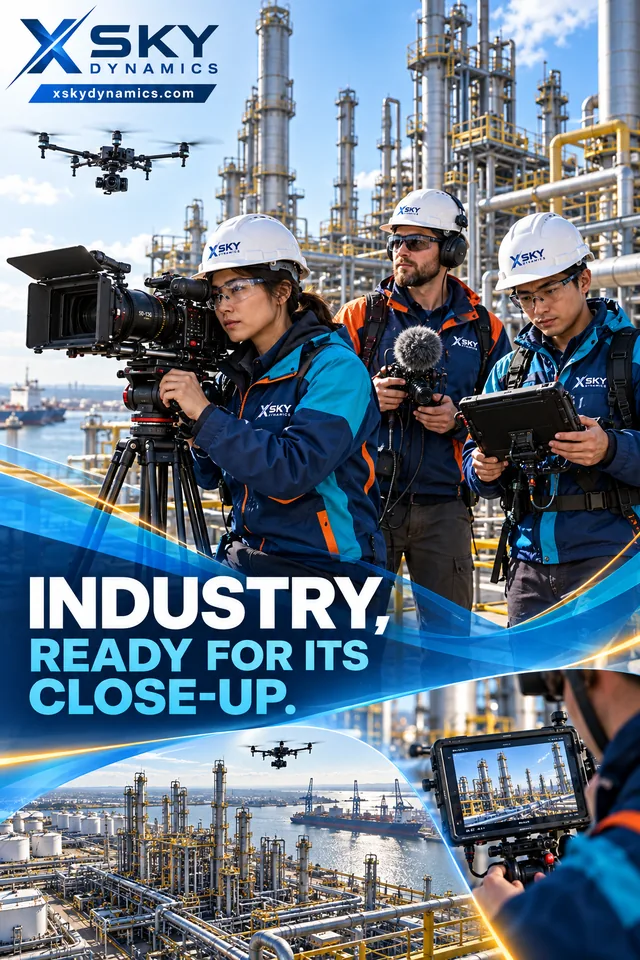
Drone and Video Services in Maritime Transport
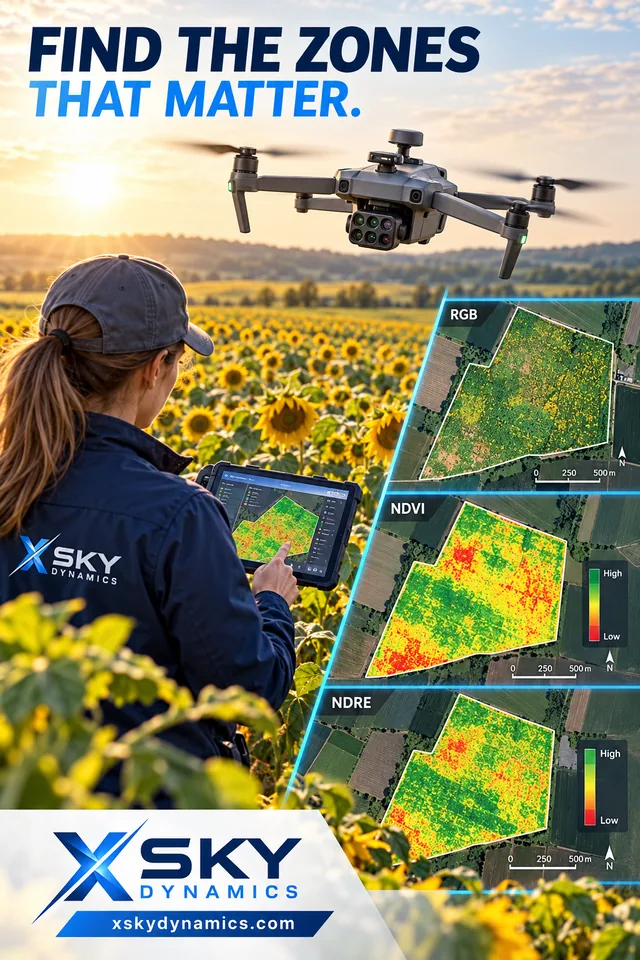
Multispectral and Thermal Drone Surveys for Agriculture
Agricultural Drone Systems for Precision Spraying, Spectral Monitoring
UAV Systems for Hail Suppression, Weather Modification
Drone Systems for Exhaust Gas Analysis
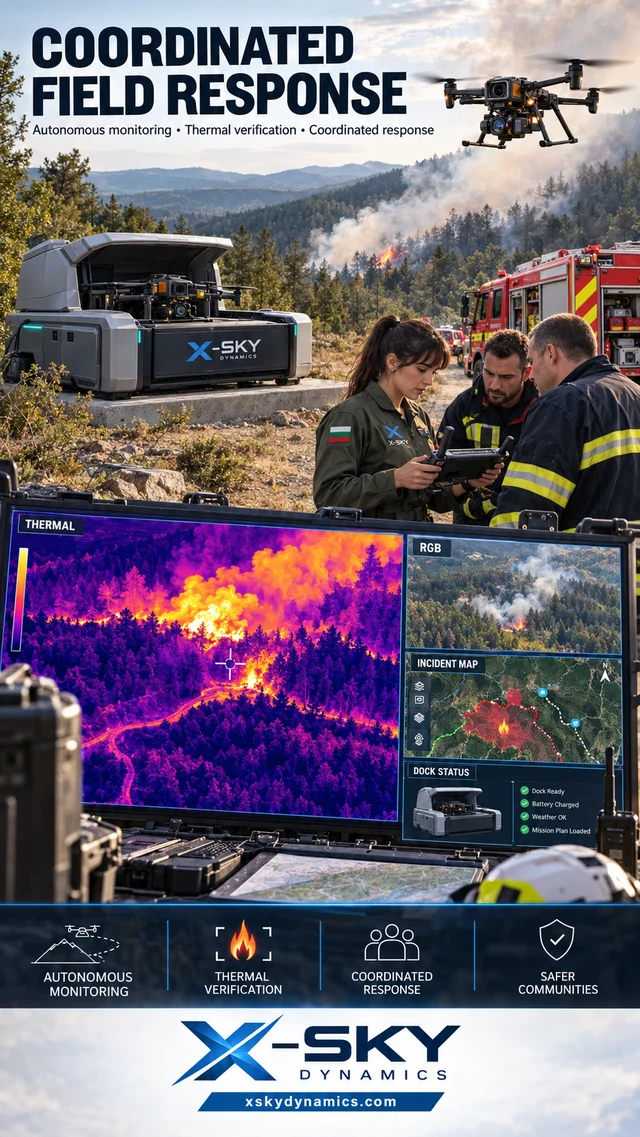
Drone Dock Stations for Monitoring, Early Fire Detection
Autonomous Drone Systems with Dock Stations
RAIGNV – Industrial UAV Systems, Automated Drone Stations
Security of Sites Through Drones AI Systems
Monitoring, Defense & Predictive Infrastructure Platforms
Underwater and Surface Drone Systems ROV, AUV, USV
Systems for Assisting the Maneuvering in Low or Zero Visibility
DRONE PILOTS AND OPERATORS TRAINING AND COURSES

Professional Thermography Training, Qualification & Certification Framework for UAV-drone operators
Specific Category & SORA Documentation
CONSULTING IN UNMANNED AVIATION DRONES, ANTI-DRONE SYSTEMS
Sales of Professional Drone systems
Cargo Transportation with Drones
Cargo Air Mobility Systems - Cargo UAV Aircraft
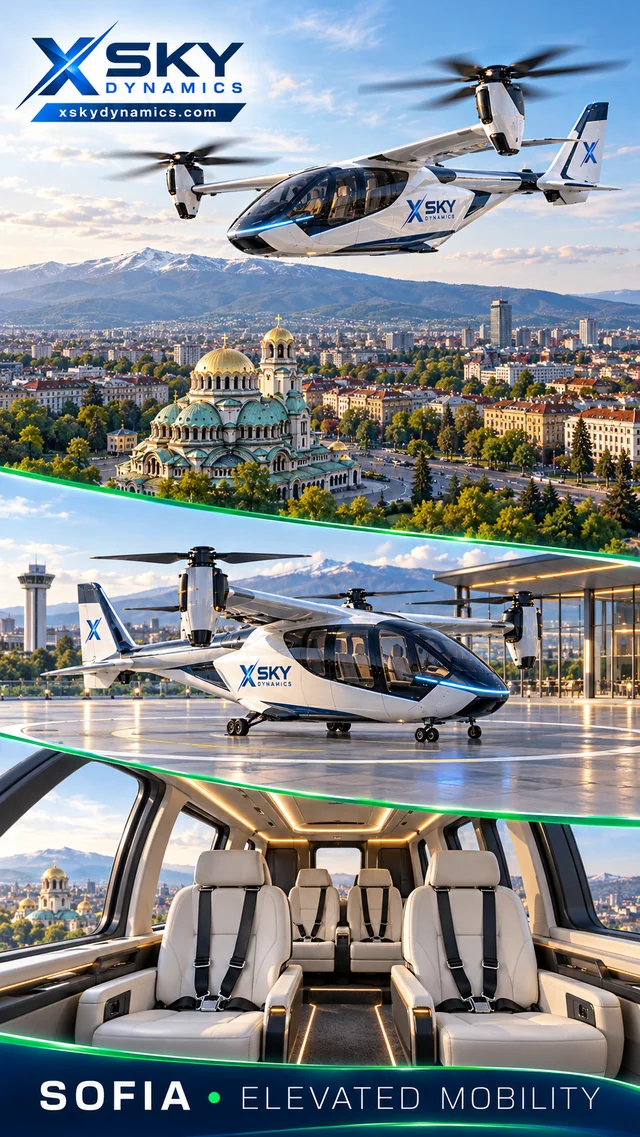
Air Taxis and eVTOL Systems
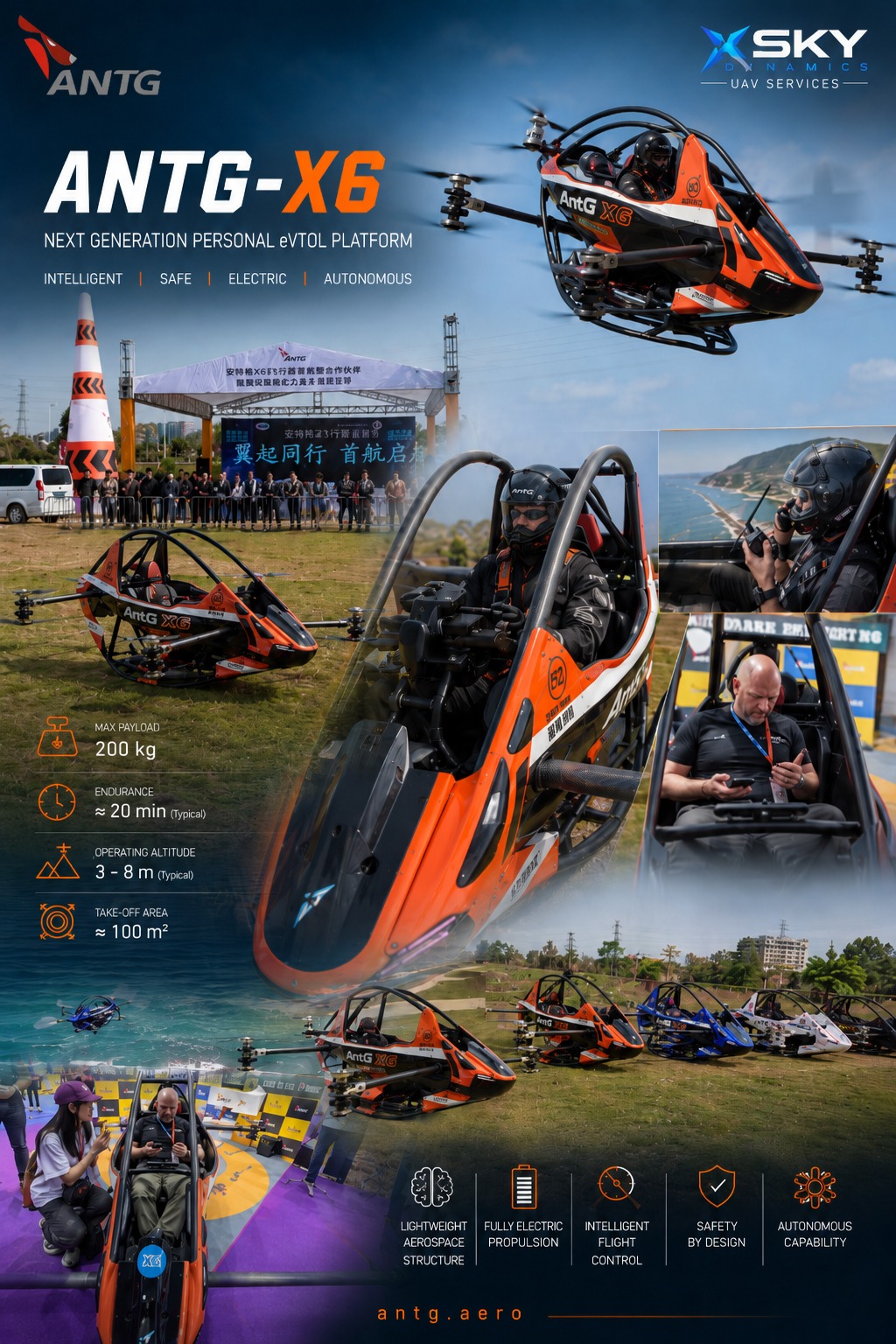
eVTOL Intelligent Ultra-Light Electric Aircrafts ANTG
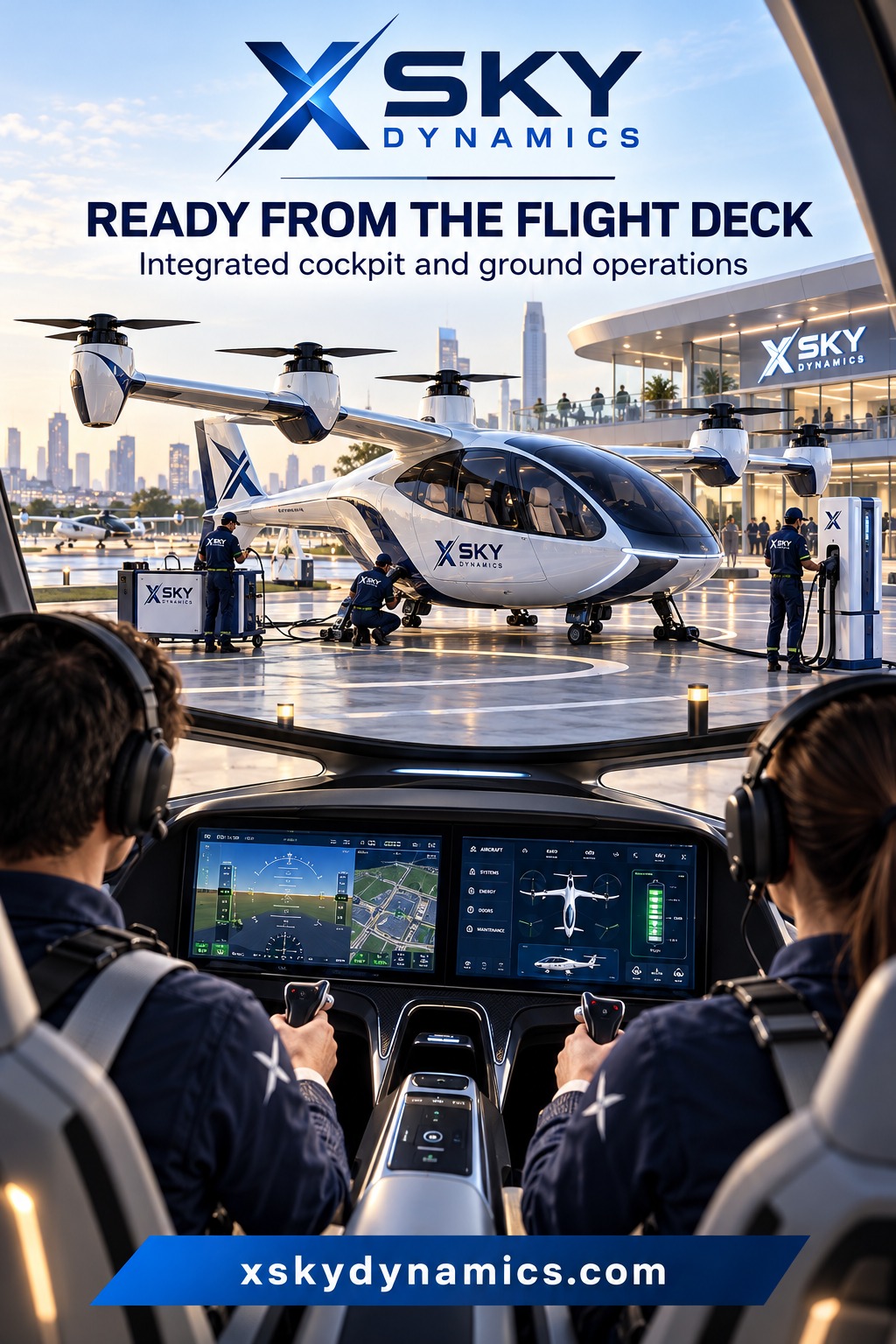
eVTOL Vertiports Infrastructure & Advanced Air Mobility
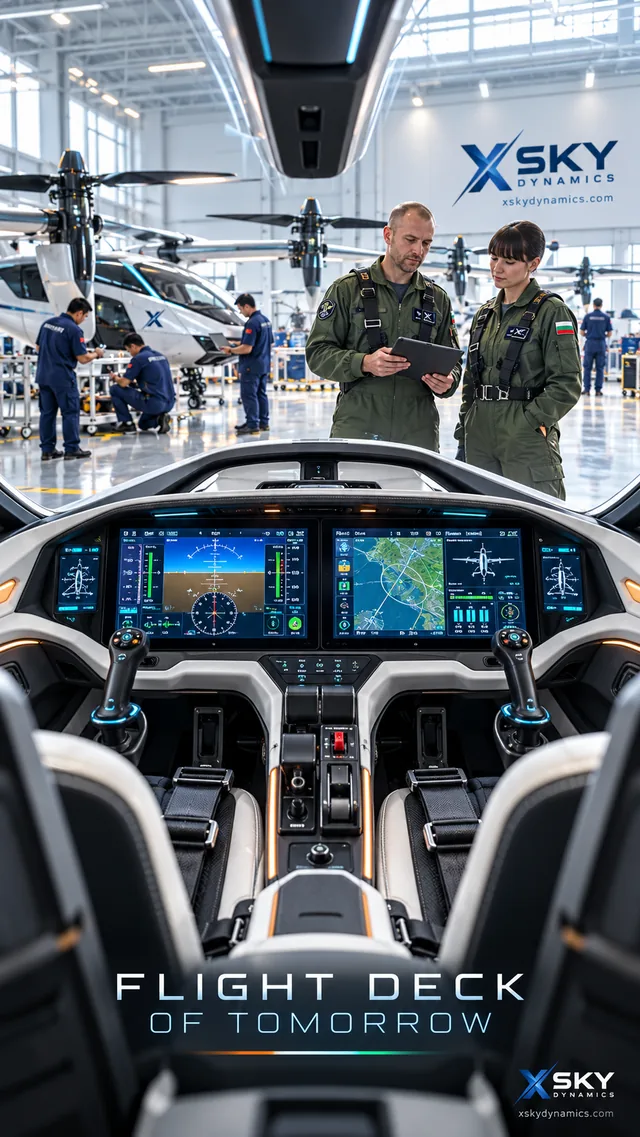
Drone eVTOL, Manufacturing and Manned Multirotor Platforms
UAS Design, Engineering & Capabilities
Innovative and High-Tech Drone Services
Concept Drone Projects & Experimental UAV
Robots and Autonomous Systems
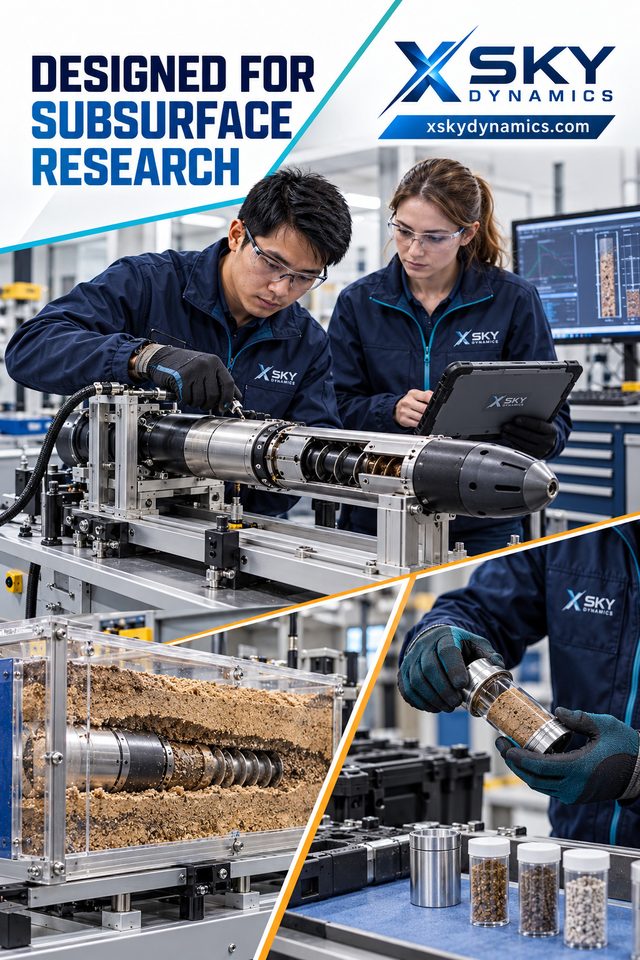
Robotic Probing Systems and Subsurface Technologies
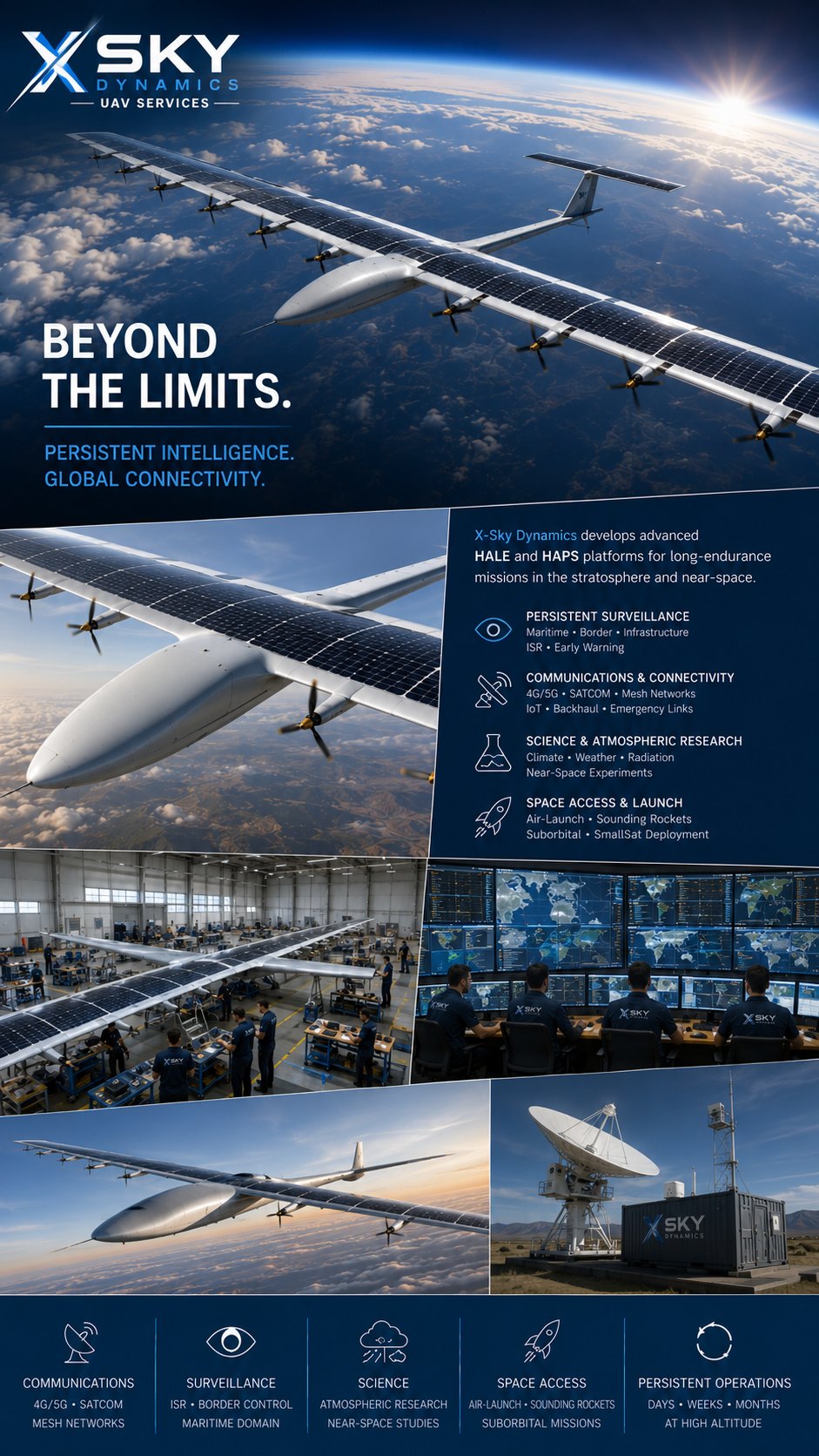
Solar & Hybrid Stratospheric Unmanned Platforms
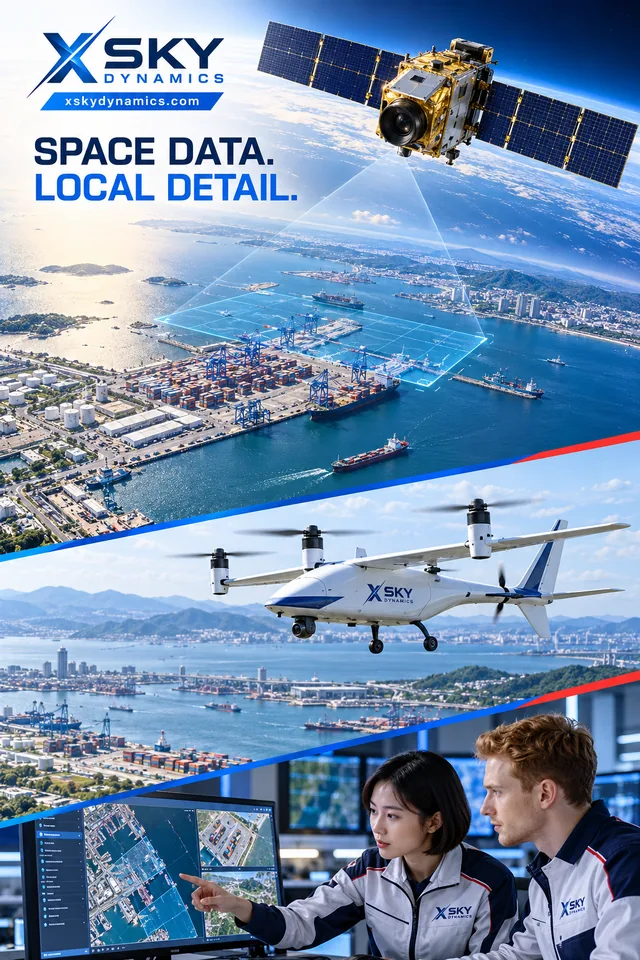
Satellite Imaging, Satellite Design and Integrated
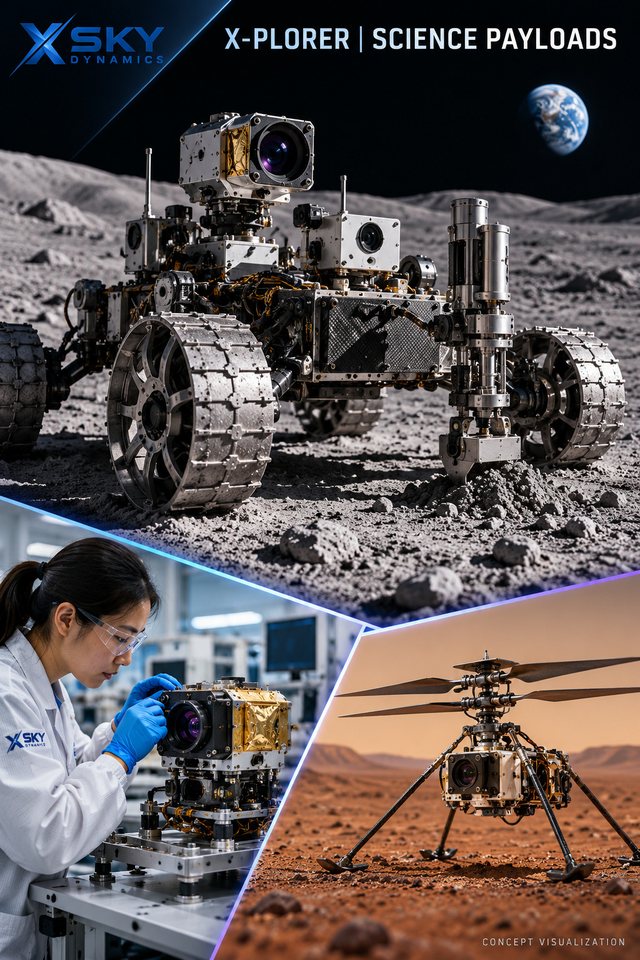
Space Drone systems SPACE X-PLORER SERIES

Space Agriculture, Agri-Systems for Extreme Environments
Cybersecurity and Protection of UAV and Autonomous Systems
Cybersecurity, Cyber Defence and Protection of Critical Infrastructure
Counter-UAS, Laser and Kinetic Systems
Maritime Counter-Drone Systems & Ship Protection
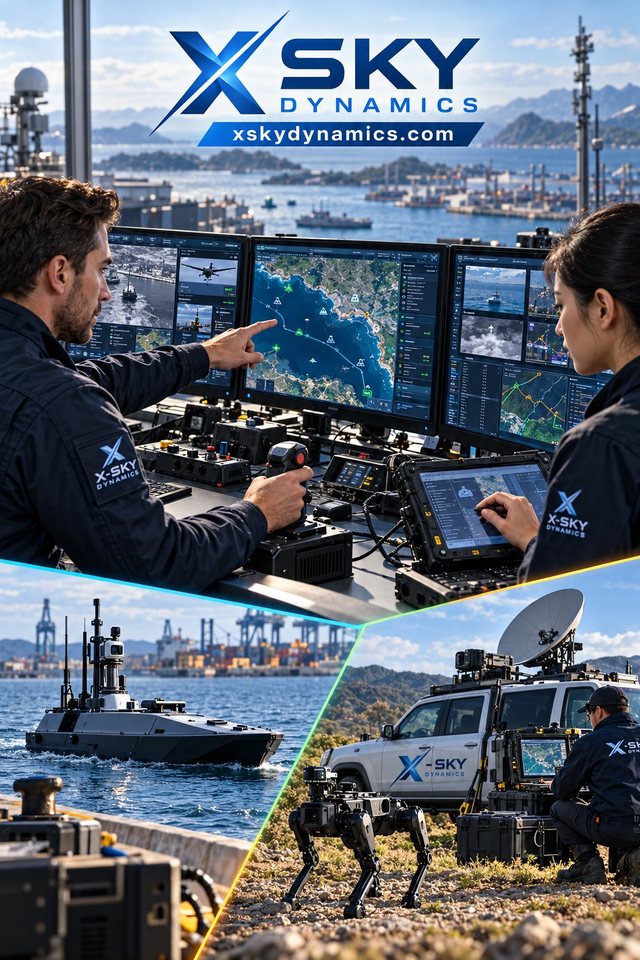
Next-Generation Systems for Real-Time Operational Management (C4ISR)
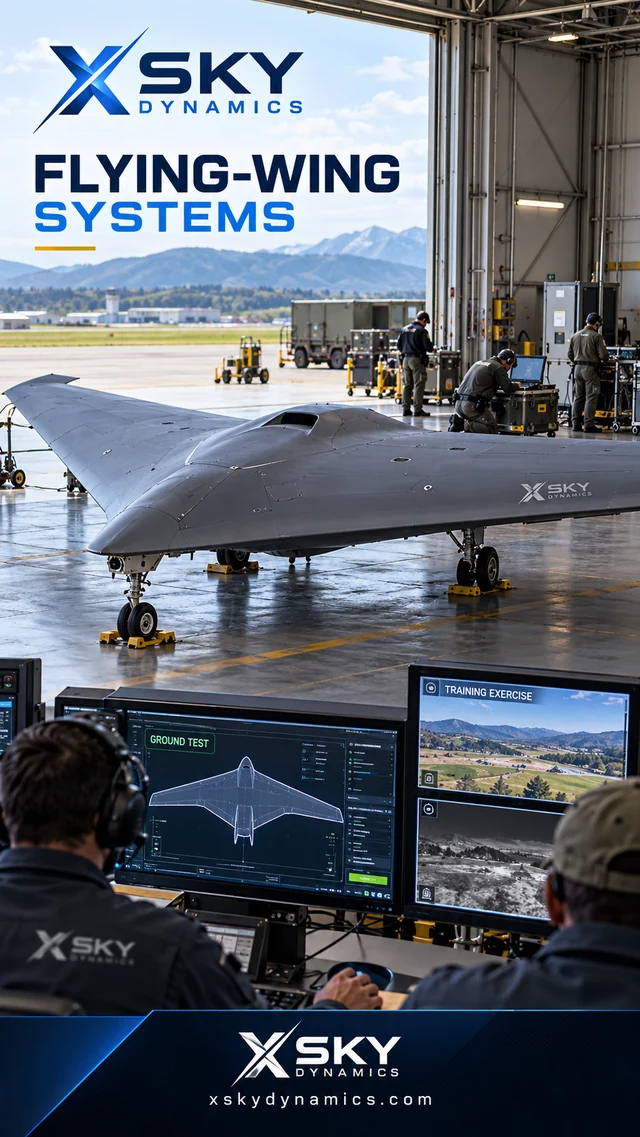
UAV – Drone Integration with Military

Remote Video Production

International Trade Facilitation

China ↔ EU Marketing