


[ SERVICES / ROBOTIC PROBING SYSTEMS AND SUBSURFACE TECHNOLOGIES ]
/ SERVICE #35
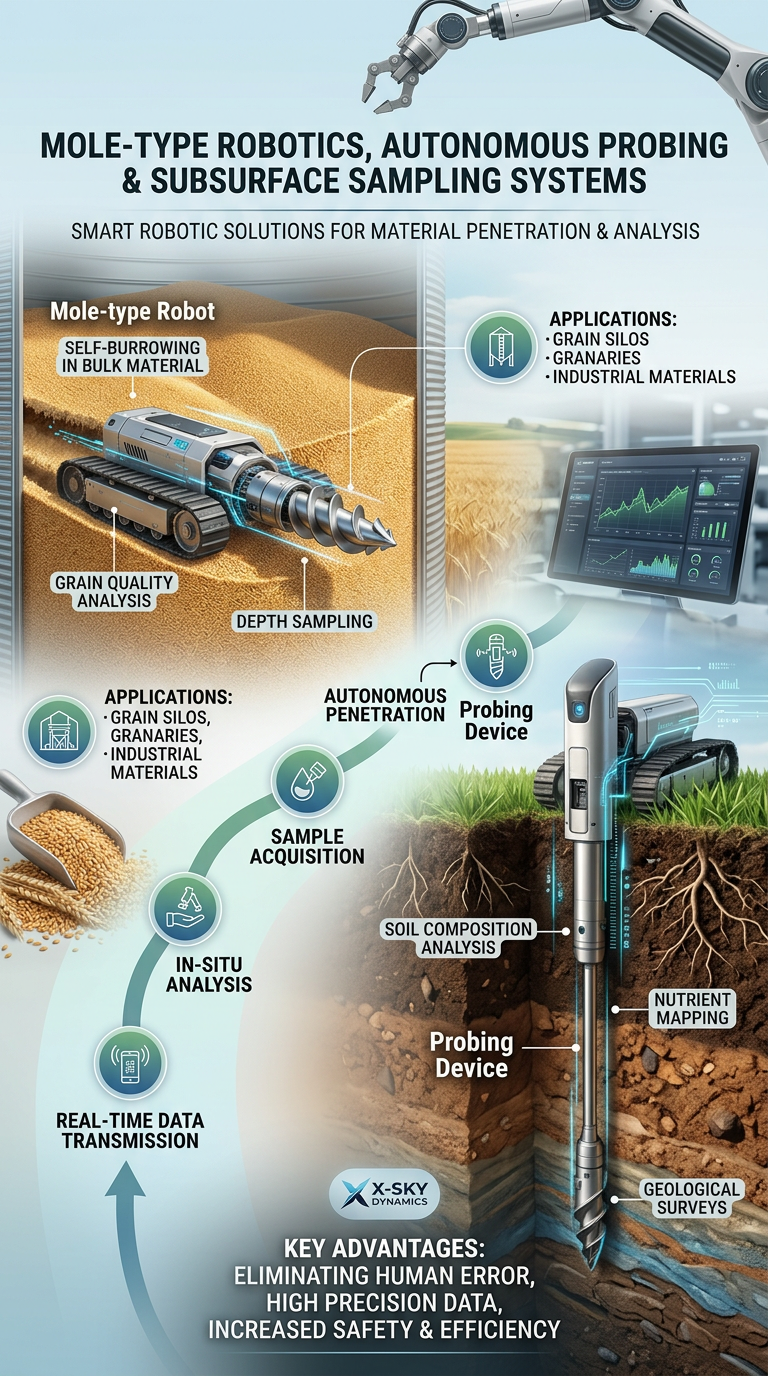
Robotic Probing Systems and Autonomous Subsurface Technologies (Mole-Type Robotics, Autonomous Sampling and Deep Material Analysis)
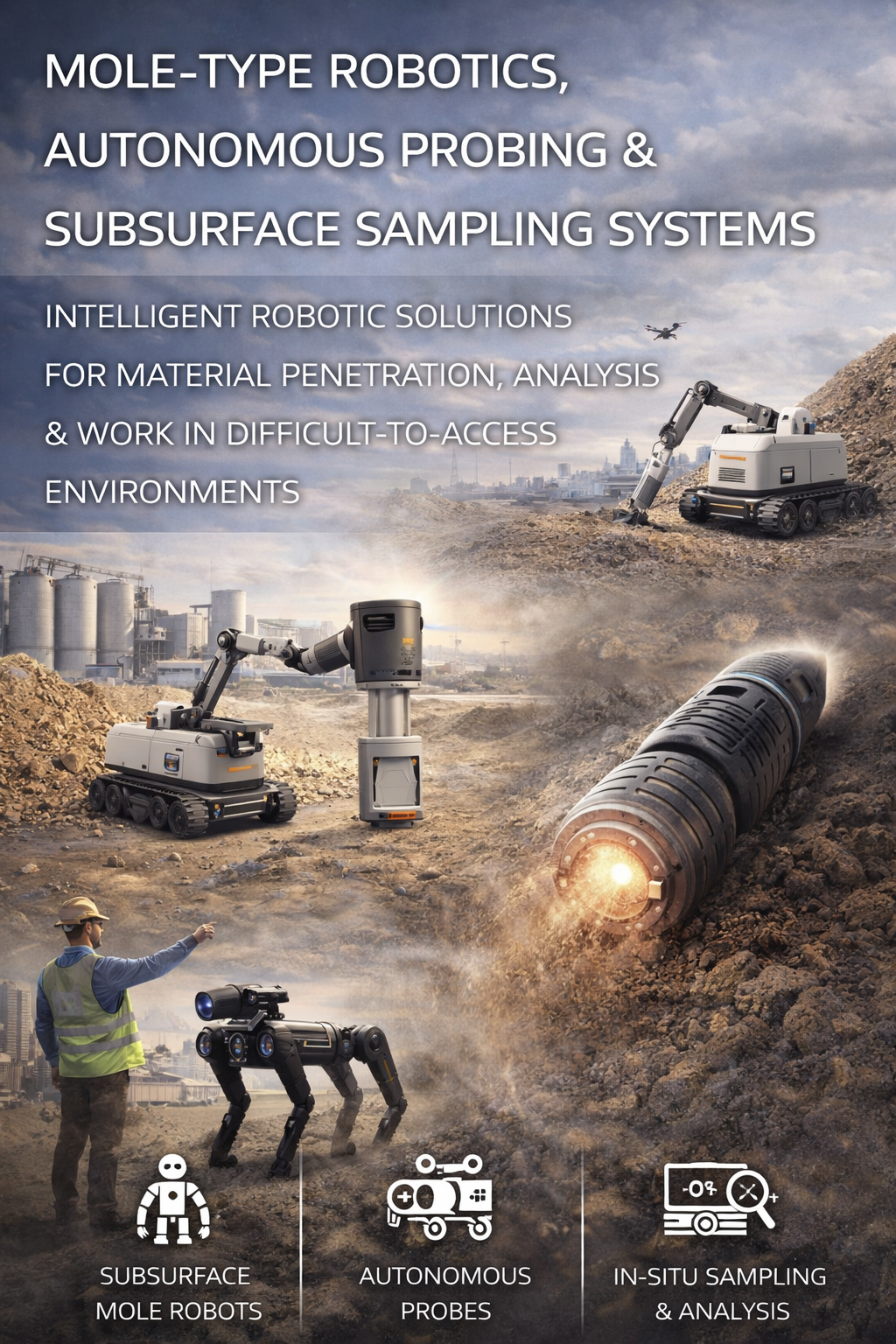
Robotic Probing Systems and Autonomous Subsurface Technologies Mole-Type Robotics, Autonomous Sampling and Deep Material Analysis Systems robots, autonomous probes, mobile sampling platforms and subsurface exploration systems designed for penetration, sampling and analysis across a wide range of environments—grain masses, soils, bulk materials, industrial substances, liquids and complex layered structures Intelligent robotic solutions for material penetration, sampling and analysis in complex and hard-to-access environments
/ 01
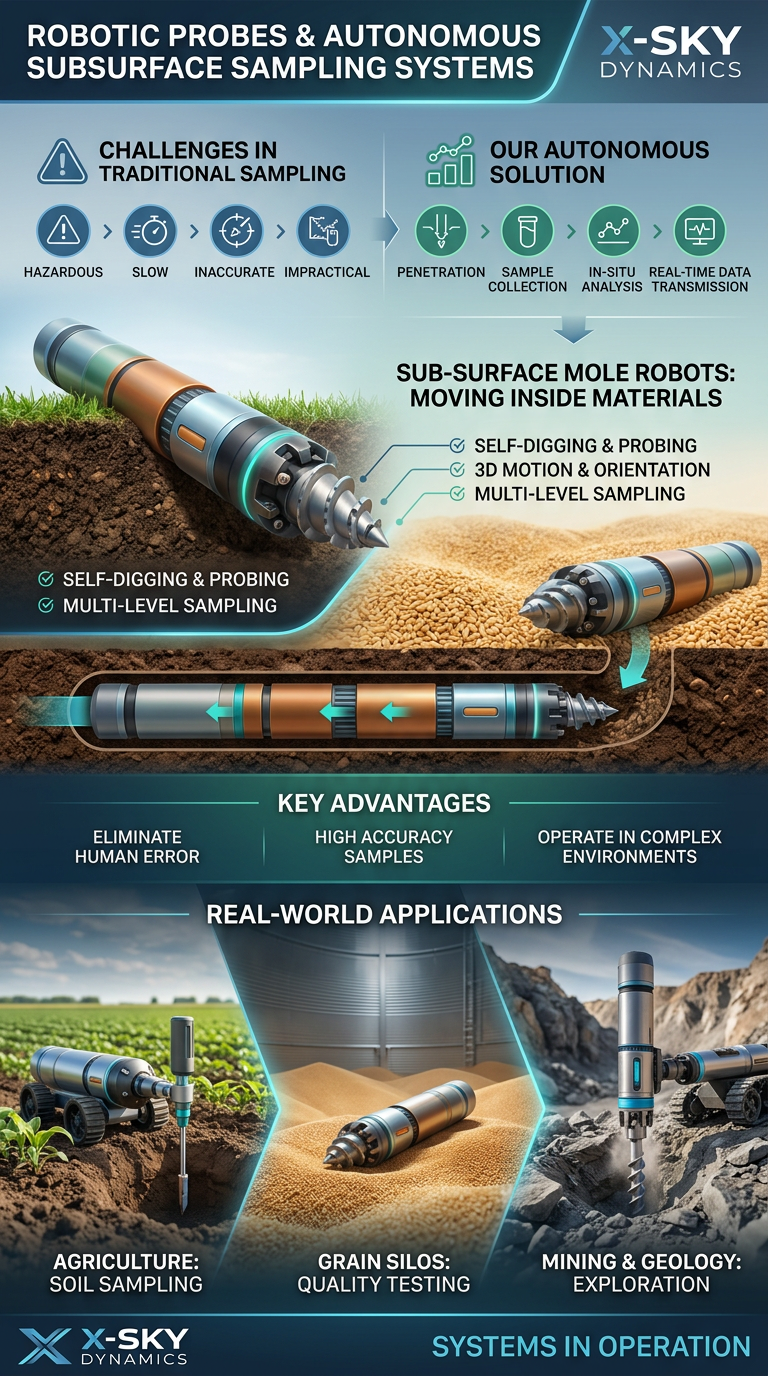
- dangerous
- time-consuming
- inefficient
- or practically impossible
Core concept:
autonomous penetration → sample extraction → analysis → real-time data transmission
What These Systems Represent
Robotic probing systems are autonomous or remotely controlled devices capable of:
That echnologies already exist and was integrated across multiple industries, including autonomous soil sampling robots that operate without human intervention and analyze data directly on-site by X-Sky Dynamics.
- moving within bulk or solid materials
- penetrating to controlled depths
- extracting samples
- performing in-situ analysis
- transmitting real-time data
Key advantage:
elimination of human error and significantly improved sampling accuracy
Main System Types
1. Subsurface Mole-Type Robots
Robots capable of moving within materials such as soil, grain, sand and bulk substances.
Capabilities:
- autonomous penetration and movement
- 3D navigation within material
- stabilization and orientation underground
- multi-depth sampling
Applications:
- grain silos and storage facilities
- agricultural environments
- mining operations
- geological exploration
2. Robotic Probing Systems
Mechanical or rotary probe systems (auger, drill-based platforms)
Capabilities:
- controlled depth penetration
- core sample extraction
- real-time parameter measurement
Modern systems feature:
- adaptive pressure and depth control
- automatic adjustment to material density and structure
3. Mobile Sampling Platforms (UGV-based Systems)
Autonomous ground robots equipped with integrated probing and analysis systems.
Capabilities:
These systems can perform full sampling and analysis cycles in real time without human intervention.
- autonomous navigation
- scheduled sampling missions
- in-situ chemical and physical analysis (pH, NPK, composition)
- cloud-based data transmission
4. Sampling Systems for Liquids and Bulk Materials
Designed for:
- grain storage
- sand and aggregates
- chemicals
- liquids
- petroleum products
Capabilities:
- multi-layer penetration
- sampling at different depths
- composition analysis
5. Integrated Sampling & Analysis Systems (Mobile Labs)
Advanced systems combining:
- sampling mechanisms
- onboard laboratory modules
- real-time analytics
These robots can:
- collect samples
- analyze them internally
- transmit results instantly
Operational Workflow
A typical system operates as follows:
1. Target area identification (manual or AI-based)
2. Robotic deployment and penetration
3. Sample extraction
4. In-situ or remote analysis
5. Data transmission
6. Automated reporting
Fully automated end-to-end operation is possible
Key Applications
Agriculture and Grain Storage
- grain quality analysis in silos
- moisture and contamination detection
- early detection of spoilage or mold
- storage condition monitoring
Robot penetrates directly into grain → collects samples → analyzes data
Industrial Bulk Materials
- coal
- ores
- chemicals
- construction materials
Environmental Monitoring
- contaminated soil analysis
- toxic environments
- waste management sites
Energy and Oil & Gas
- tank sediment analysis
- composition monitoring
- subsurface inspections
Space and Planetary Applications
- Mars and Moon sampling systems
- robotic subsurface probes
- autonomous planetary missions
Core Technologies
AI and Autonomy
- optimal sampling point selection
- adaptive penetration control
- real-time data interpretation
Advanced systems use AI to identify high-value sampling locations automatically
Communication Systems
- real-time data transmission
- cloud-based platforms
- integration with command centers
Multi-System Integration
Drone + Robot + Satellite Ecosystem
- drones → aerial scanning and mapping
- robots → subsurface sampling and analysis
- satellites → large-scale monitoring
What X-Sky Dynamics Provides
A full lifecycle approach:
Design and Engineering
- environmental analysis
- system architecture design
- mission-specific customization
Manufacturing and Integration
- robotic probes
- autonomous platforms
- custom-built systems
Software and AI
- data analysis systems
- automation frameworks
- real-time decision support
Training
- operators
- engineers
- institutional teams
Support
- maintenance
- upgrades
- optimization
Key Advantages
- access to hard-to-reach environments
- automation of complex processes
- higher data accuracy
- faster operational response
- reduced human risk
- cost optimization
Global Trends
- rapid adoption of autonomous sampling systems
- integration with AI and cloud technologies
- shift toward real-time data analysis
- development of multi-domain robotics ecosystems
Robotics is evolving from data collection toward:
real-time intelligent decision-making systems
Conclusion
Robotic probing and subsurface systems represent the next step in:
- industrial automation
- agricultural analytics
- environmental monitoring
- space exploration
X-Sky Dynamics develops:
intelligent systems for penetration, analysis and environmental understanding
By combining:
the company creates a new class of solutions:
- robotics
- autonomy
- advanced sensing technologies
Autonomous Subsurface Intelligence Systems
/ 02
/ 03
- dangerous
- time-consuming
- inefficient
- or practically impossible
Core concept:
autonomous penetration → sample extraction → analysis → real-time data transmission
What These Systems Represent
Key advantage:
elimination of human error and significantly improved sampling accuracy
Main System Types
1. Subsurface Mole-Type Robots
Robots capable of moving within materials such as soil, grain, sand and bulk substances.
Applications:
- grain silos and storage facilities
- agricultural environments
- mining operations
- geological exploration
Mechanical or rotary probe systems (auger, drill-based platforms)
Modern systems feature:
- adaptive pressure and depth control
- automatic adjustment to material density and structure
3. Mobile Sampling Platforms (UGV-based Systems)
Autonomous ground robots equipped with integrated probing and analysis systems.
4. Sampling Systems for Liquids and Bulk Materials
Designed for:
- grain storage
- sand and aggregates
- chemicals
- liquids
- petroleum products
5. Integrated Sampling & Analysis Systems (Mobile Labs)
These robots can:
- collect samples
- analyze them internally
- transmit results instantly
A typical system operates as follows:
2. Robotic deployment and penetration
4. In-situ or remote analysis
/ 02
6. Automated reporting
Key Applications
Robot penetrates directly into grain → collects samples → analyzes data
Industrial Bulk Materials
- coal
- ores
- chemicals
- construction materials
Energy and Oil & Gas
- tank sediment analysis
- composition monitoring
- subsurface inspections
Core Technologies
AI and Autonomy
- optimal sampling point selection
- adaptive penetration control
- real-time data interpretation
Multi-System Integration
Drone + Robot + Satellite Ecosystem
- drones → aerial scanning and mapping
- robots → subsurface sampling and analysis
- satellites → large-scale monitoring
Manufacturing and Integration
- robotic probes
- autonomous platforms
- custom-built systems
Training
- operators
- engineers
- institutional teams
Support
- maintenance
- upgrades
- optimization
Global Trends
- rapid adoption of autonomous sampling systems
- integration with AI and cloud technologies
- shift toward real-time data analysis
- development of multi-domain robotics ecosystems
Conclusion
X-Sky Dynamics develops:
intelligent systems for penetration, analysis and environmental understanding
By combining:
the company creates a new class of solutions:
- robotics
- autonomy
- advanced sensing technologies
/ 01
Robotic probing systems are autonomous or remotely controlled devices capable of:
That echnologies already exist and was integrated across multiple industries, including autonomous soil sampling robots that operate without human intervention and analyze data directly on-site by X-Sky Dynamics.
- moving within bulk or solid materials
- penetrating to controlled depths
- extracting samples
- performing in-situ analysis
- transmitting real-time data
Capabilities:
- autonomous penetration and movement
- 3D navigation within material
- stabilization and orientation underground
- multi-depth sampling
2. Robotic Probing Systems
Capabilities:
- controlled depth penetration
- core sample extraction
- real-time parameter measurement
Capabilities:
These systems can perform full sampling and analysis cycles in real time without human intervention.
- autonomous navigation
- scheduled sampling missions
- in-situ chemical and physical analysis (pH, NPK, composition)
- cloud-based data transmission
Capabilities:
- multi-layer penetration
- sampling at different depths
- composition analysis
Advanced systems combining:
- sampling mechanisms
- onboard laboratory modules
- real-time analytics
Operational Workflow
1. Target area identification (manual or AI-based)
3. Sample extraction
5. Data transmission
Fully automated end-to-end operation is possible
Agriculture and Grain Storage
- grain quality analysis in silos
- moisture and contamination detection
- early detection of spoilage or mold
- storage condition monitoring
/ 03
Environmental Monitoring
- contaminated soil analysis
- toxic environments
- waste management sites
Space and Planetary Applications
- Mars and Moon sampling systems
- robotic subsurface probes
- autonomous planetary missions
Advanced systems use AI to identify high-value sampling locations automatically
Communication Systems
- real-time data transmission
- cloud-based platforms
- integration with command centers
What X-Sky Dynamics Provides
A full lifecycle approach:
Design and Engineering
- environmental analysis
- system architecture design
- mission-specific customization
Software and AI
- data analysis systems
- automation frameworks
- real-time decision support
Key Advantages
- access to hard-to-reach environments
- automation of complex processes
- higher data accuracy
- faster operational response
- reduced human risk
- cost optimization
Robotics is evolving from data collection toward:
real-time intelligent decision-making systems
Robotic probing and subsurface systems represent the next step in:
- industrial automation
- agricultural analytics
- environmental monitoring
- space exploration
Autonomous Subsurface Intelligence Systems
[ Get in Touch ]
X-Sky Dynamics
- ✉xskydynamics@gmail.com
- ✉xsky@xskydynamics.com
- ☎+359 87 6975862
 WhatsApp: +359 87 6975862
 Viber: +359 87 6975862
- 📍Sofia, bul. "Yanko Sakazov"

[ SERVICES ]
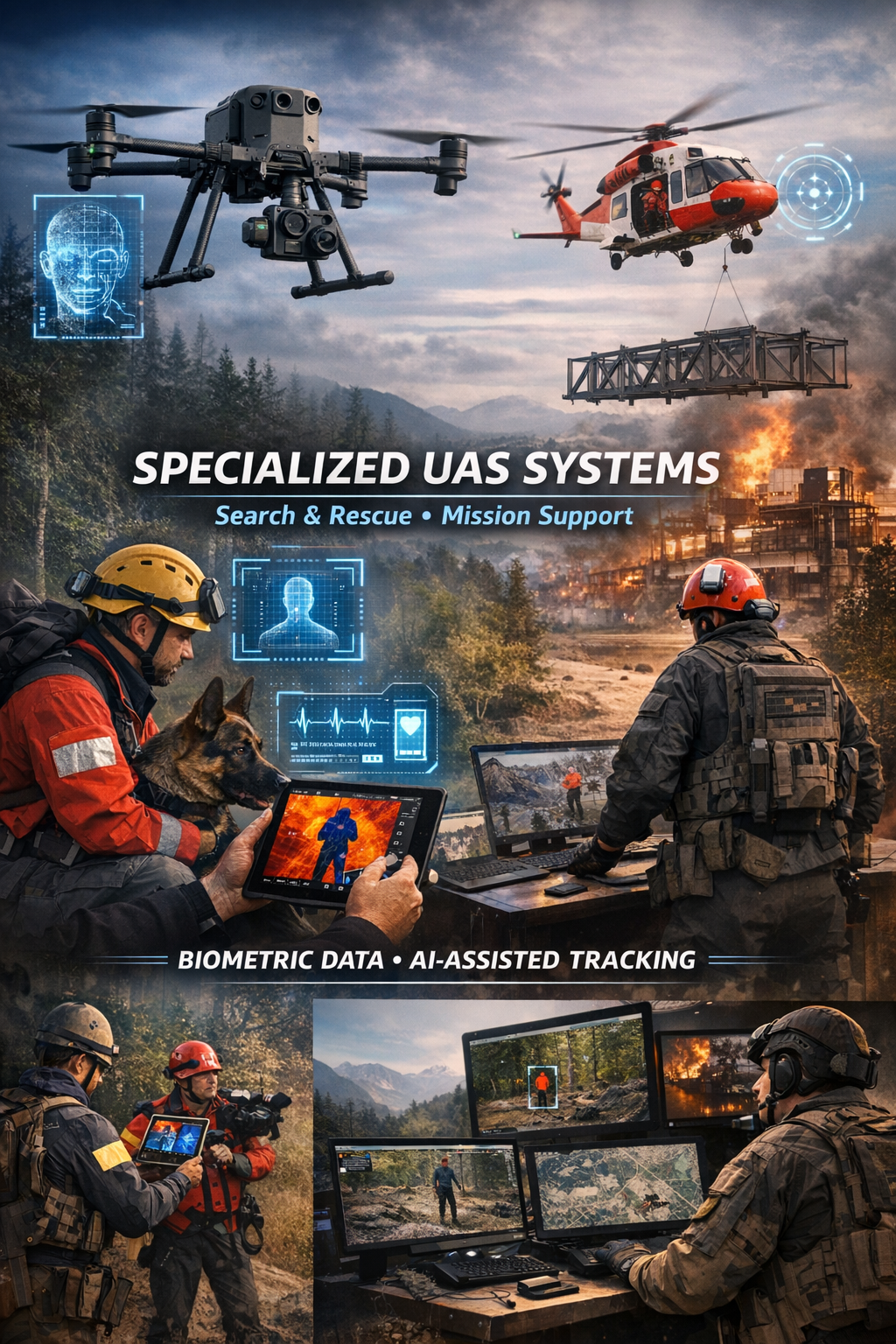
Specialized biometric UAS drone Systems for SAR
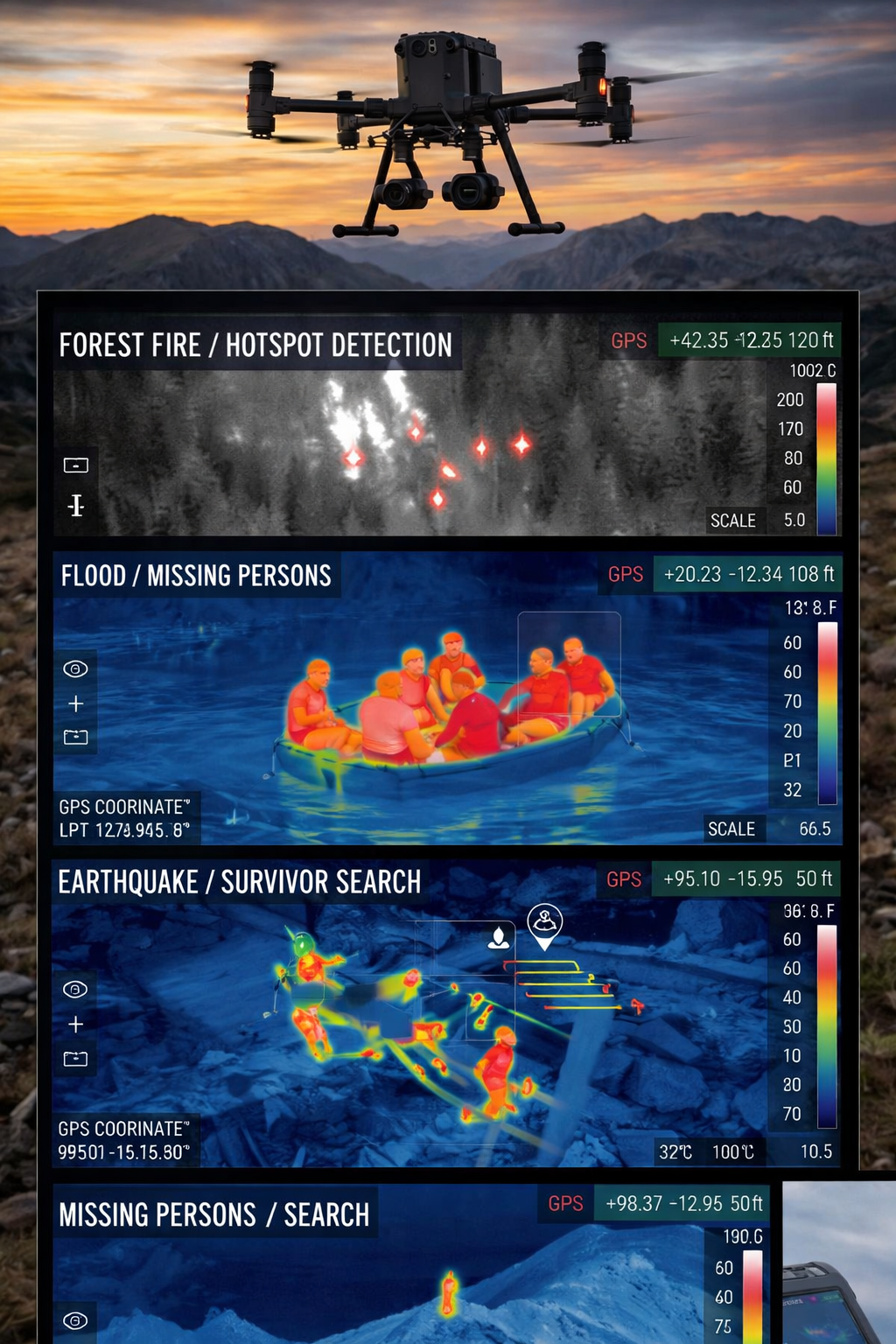
Search and Rescue via Drones
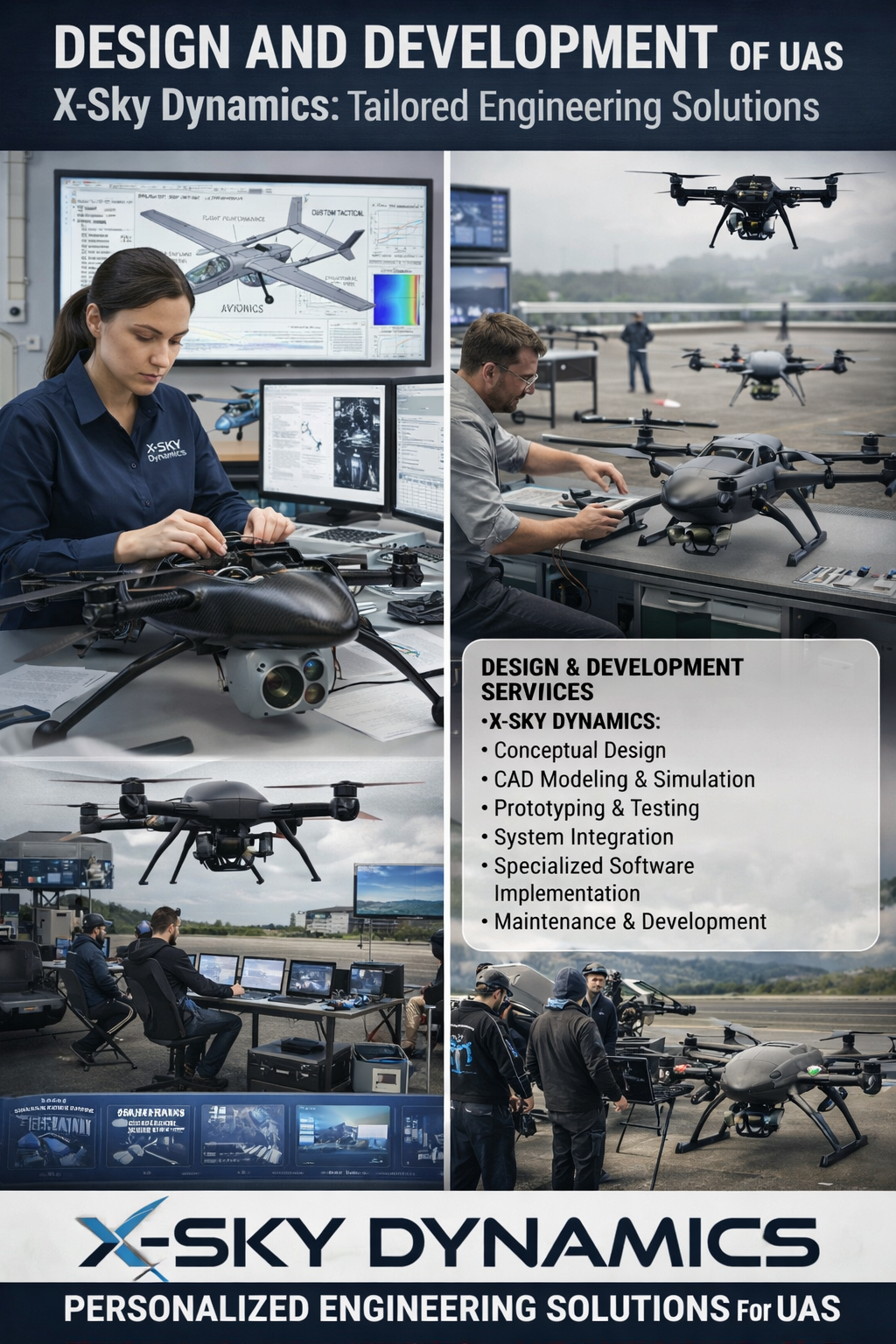
UAS Design, Engineering & Capabilities
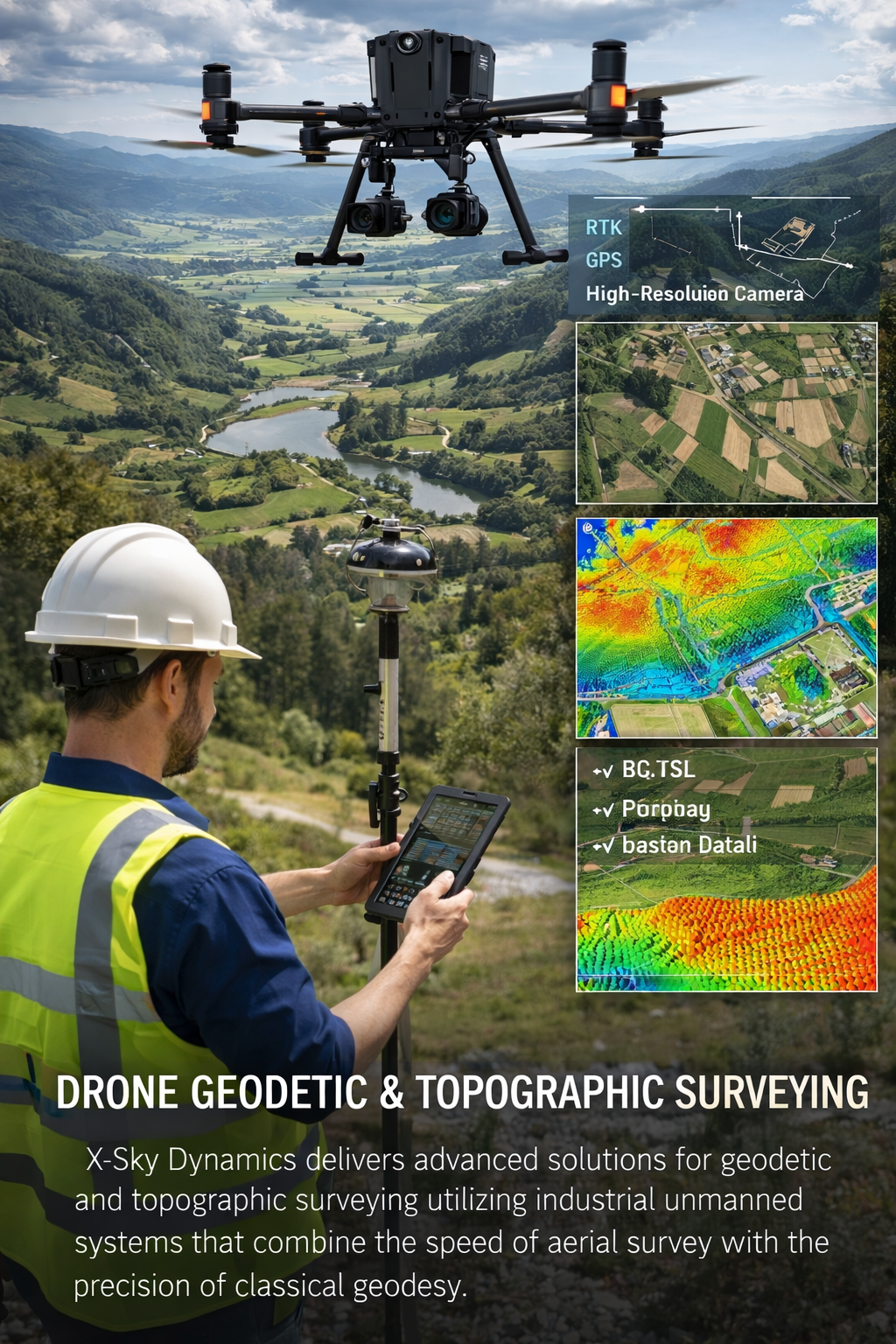
Geodetic and Topographic Surveying with UAV Systems
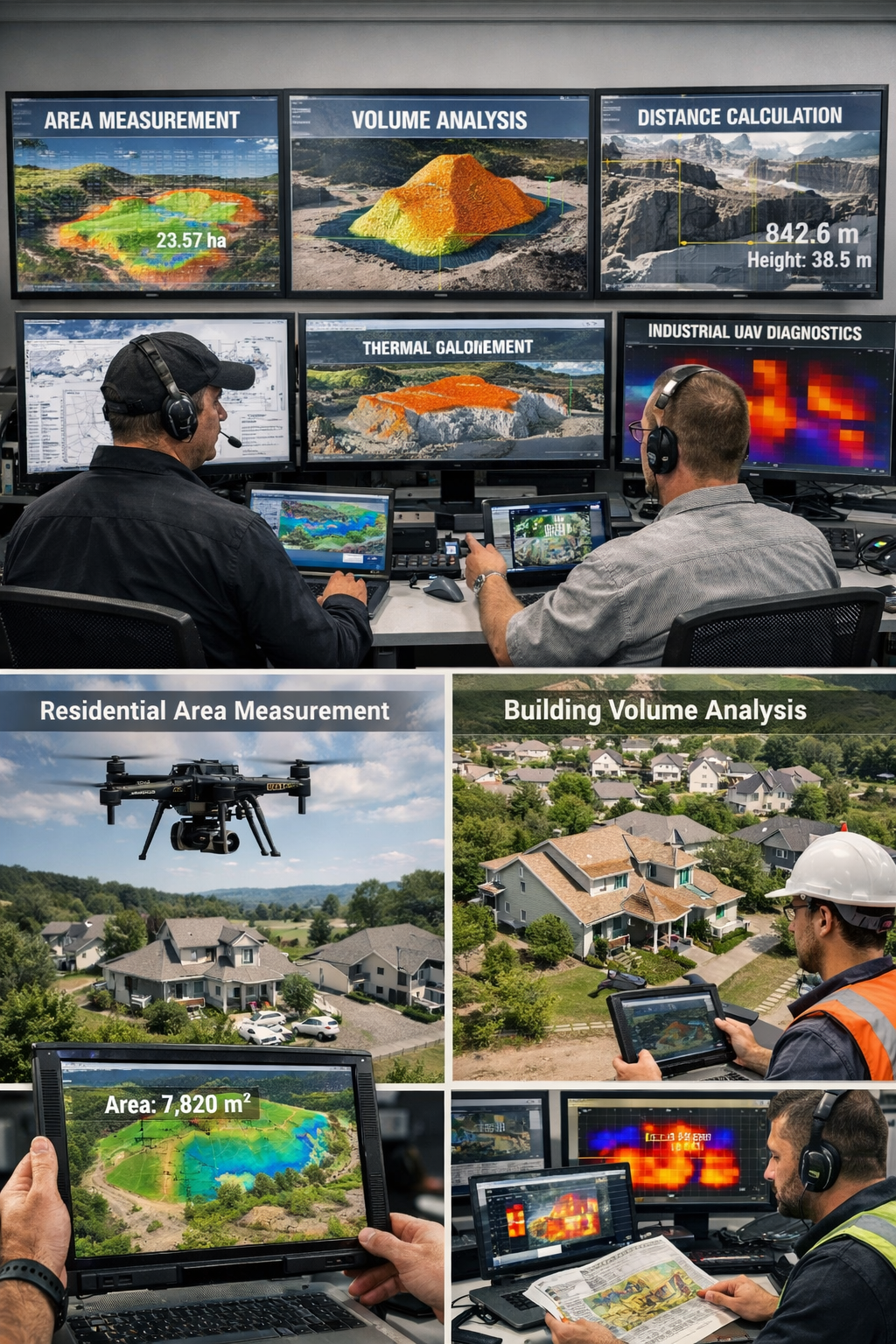
Measurement of Areas, Volumes, Distances with Drones
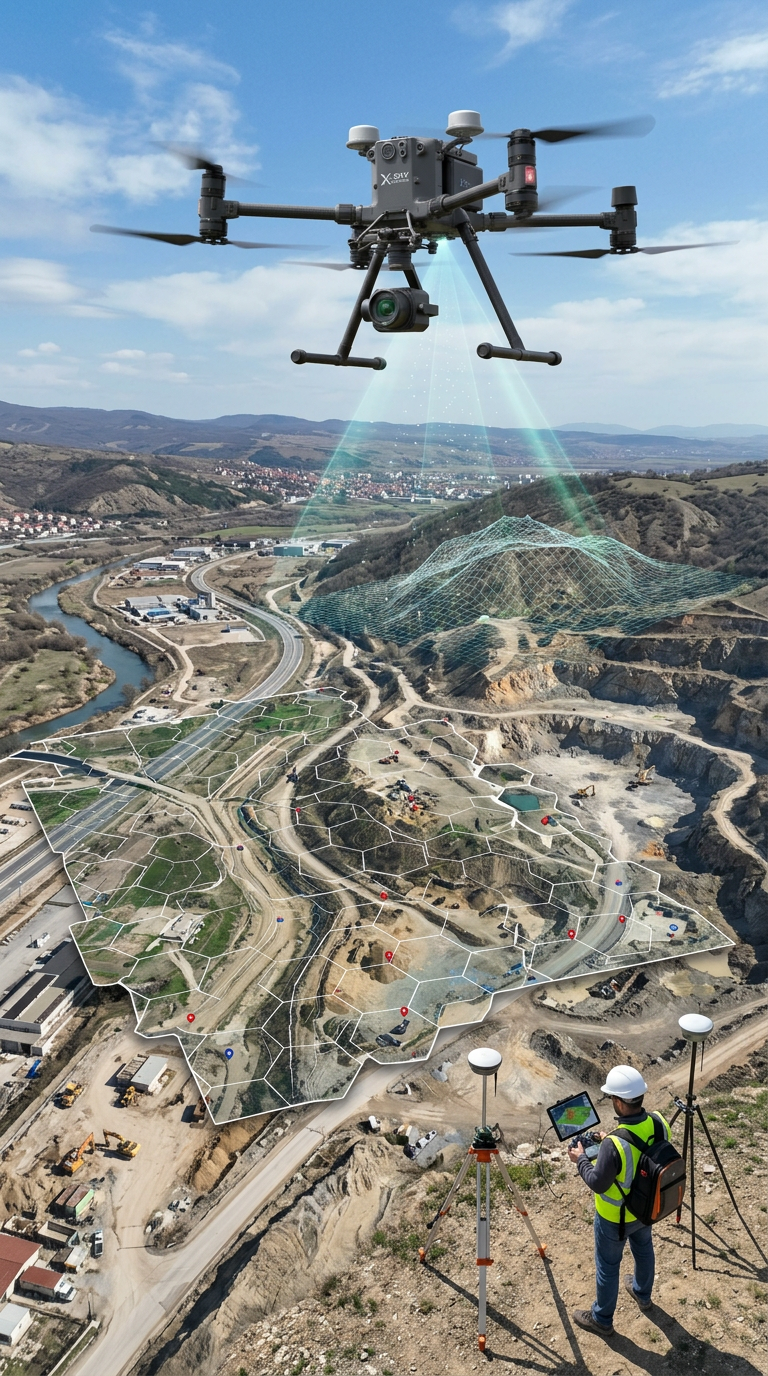
Mapping, Orthophoto, Geodetic UAV Systems
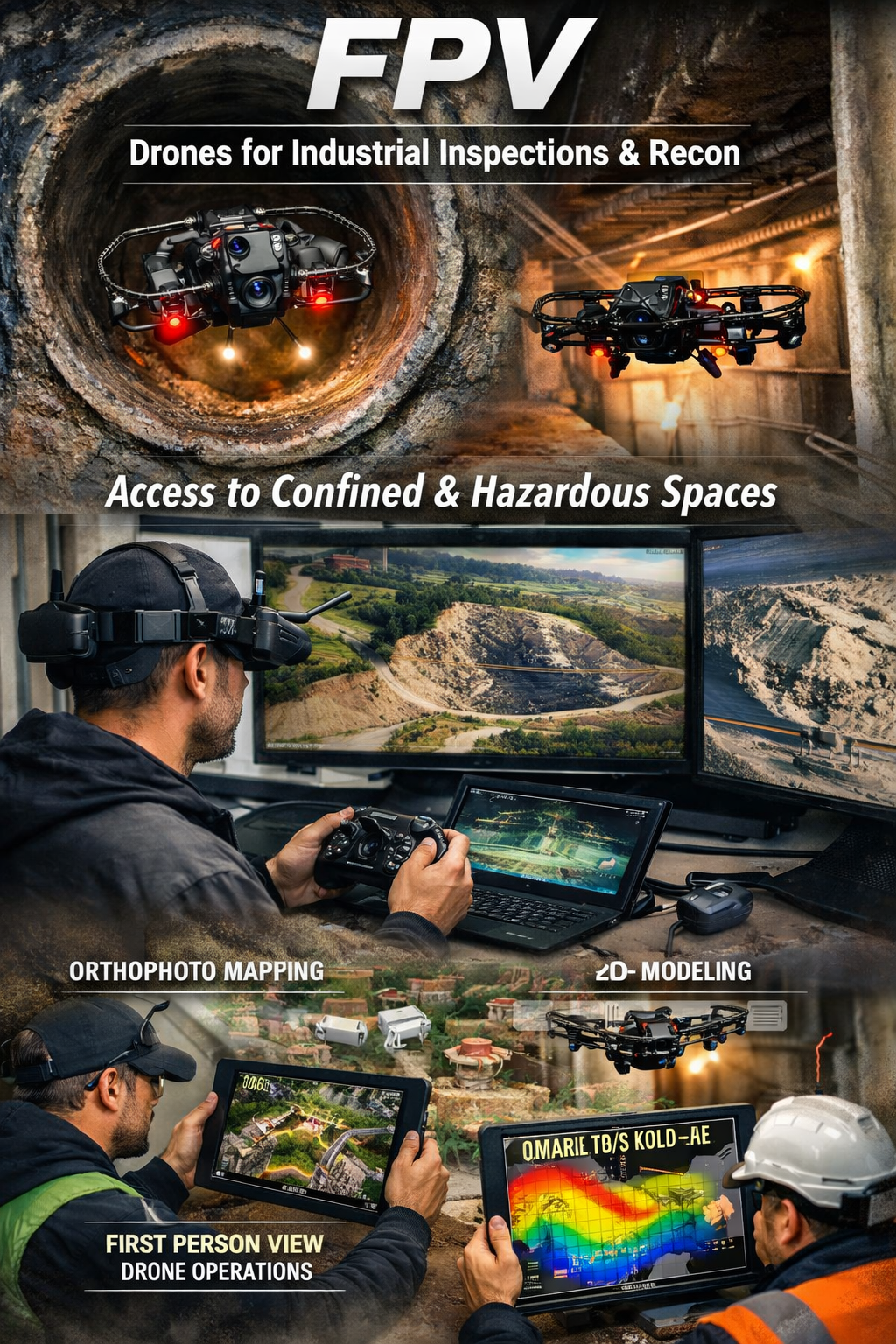
FPV Drone Inspections, Surveys
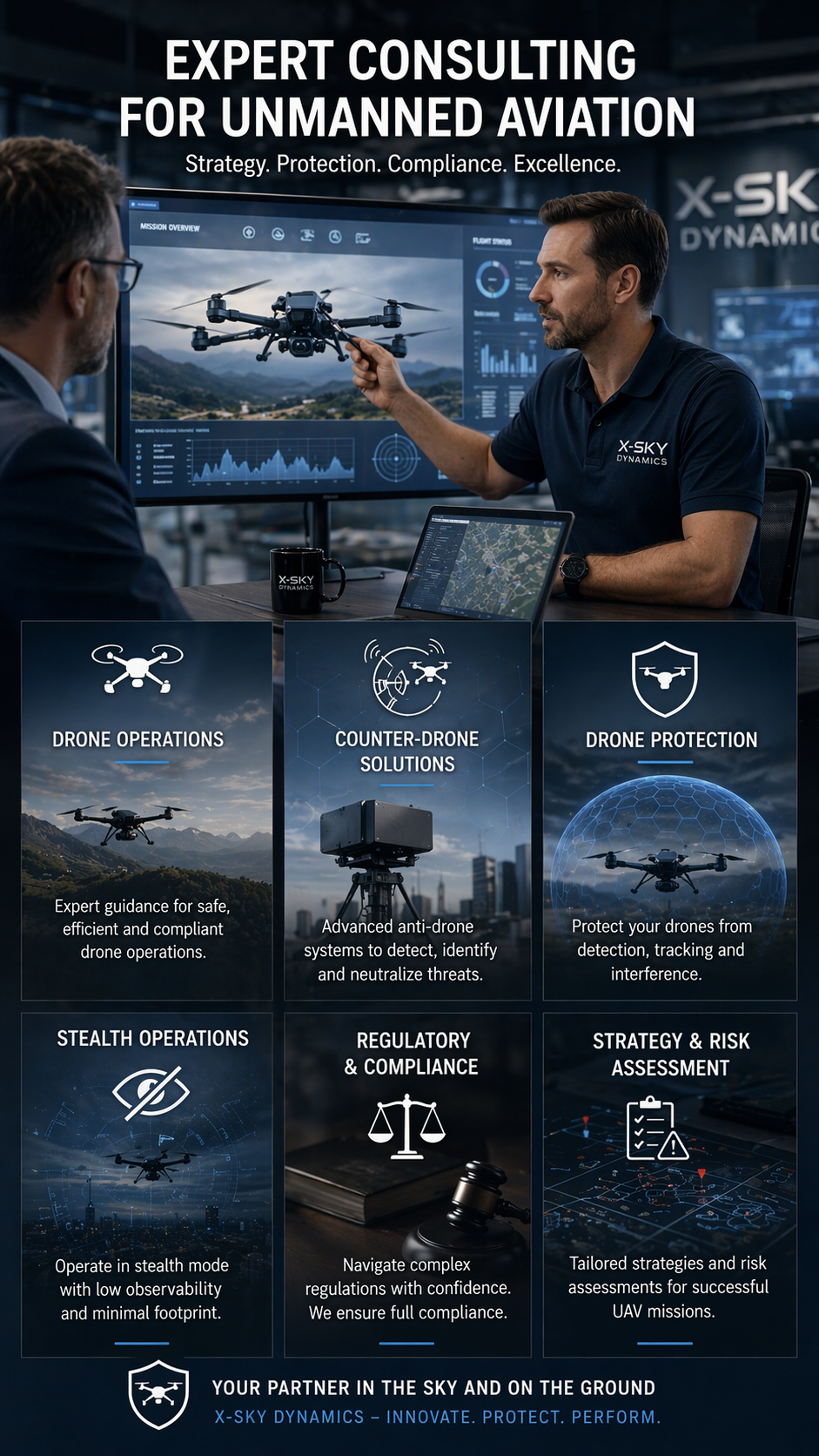
CONSULTING IN UNMANNED AVIATION (DRONES), ANTI-DRONE SYSTEMS
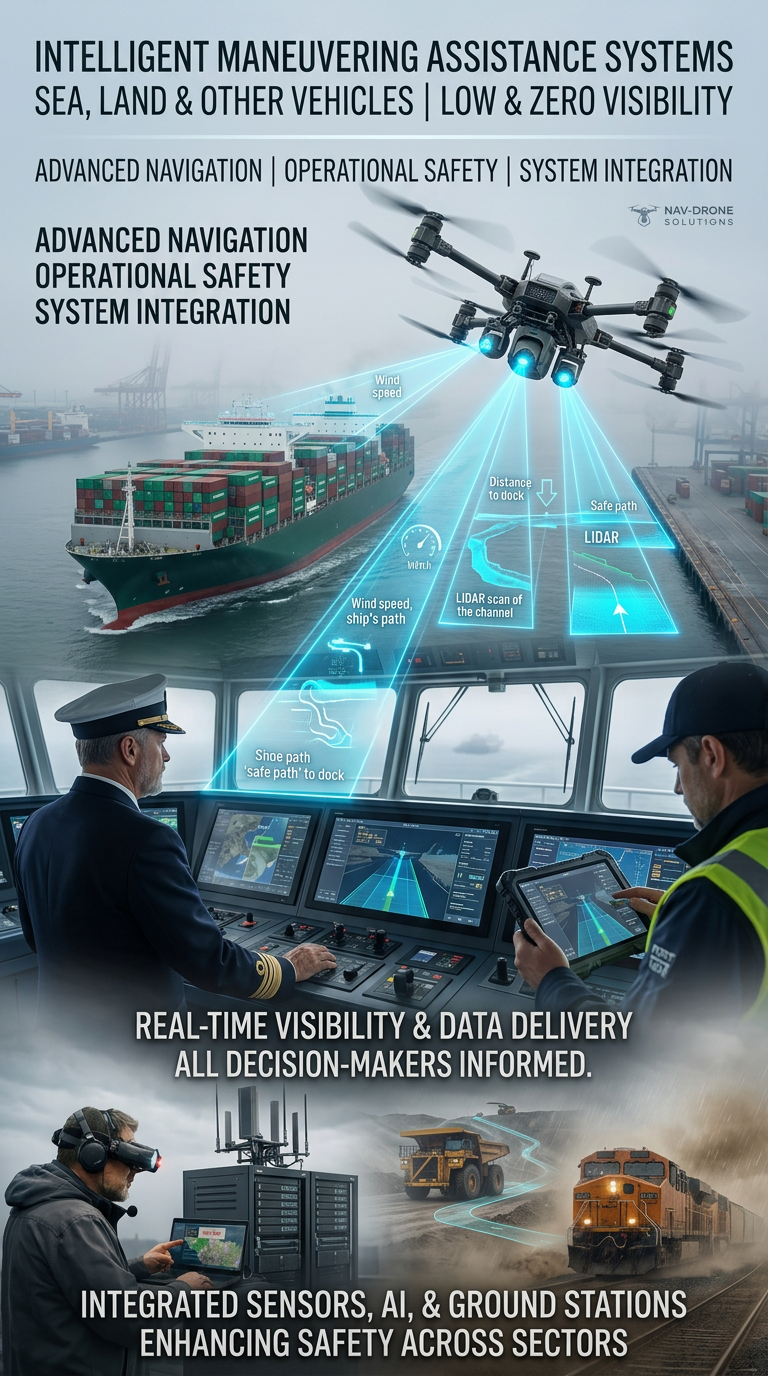
Systems for Assisting the Maneuvering in Low or Zero Visibility
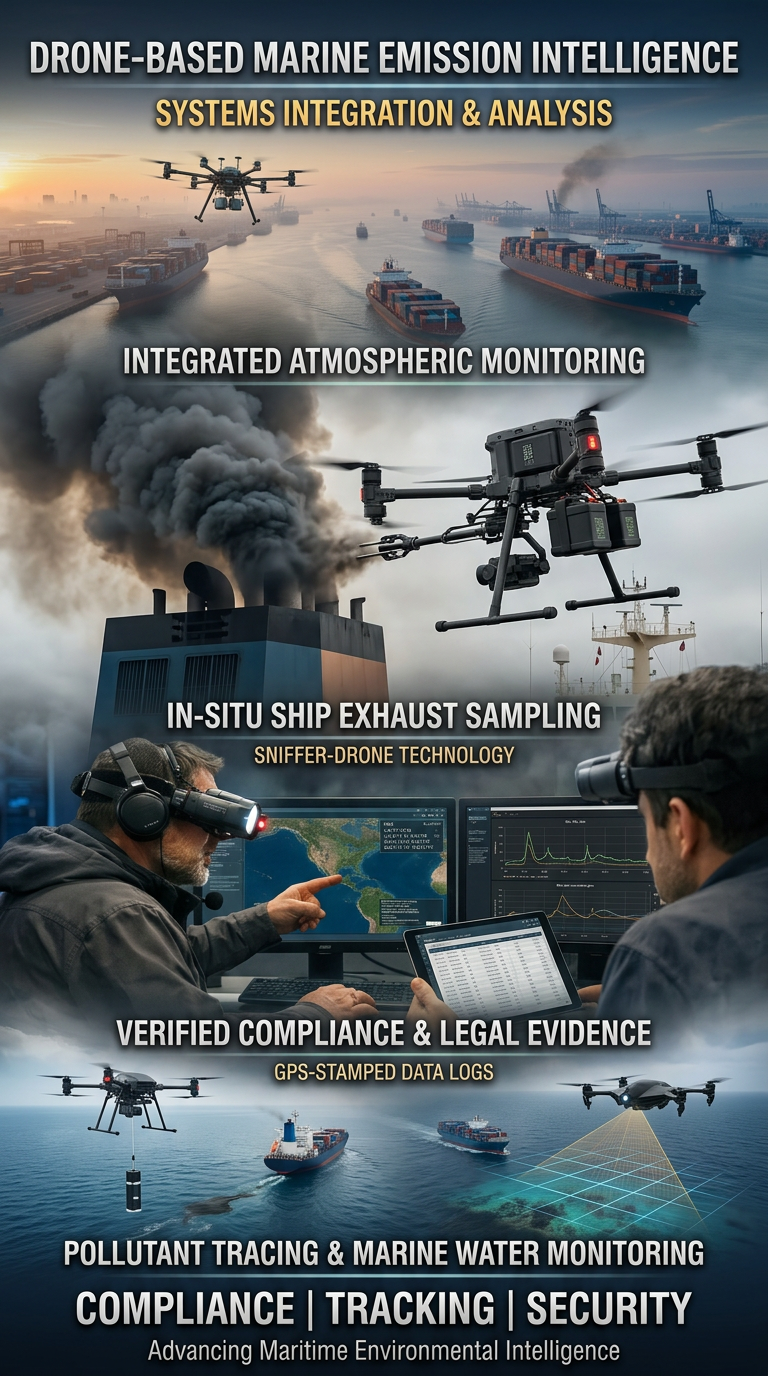
Drone Systems for Exhaust Gas Analysis
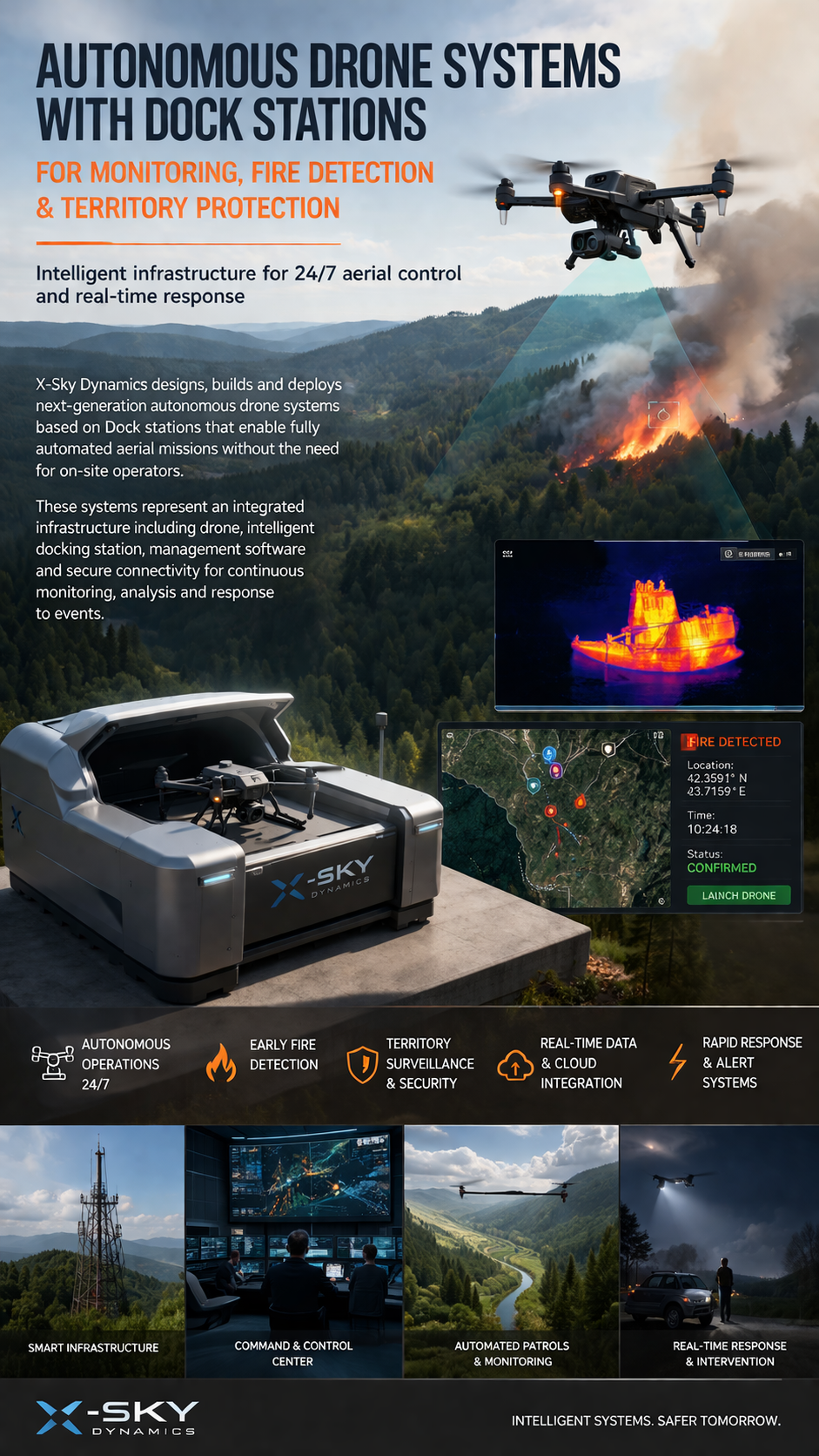
Dock Stations for Monitoring, Early Fire Detection
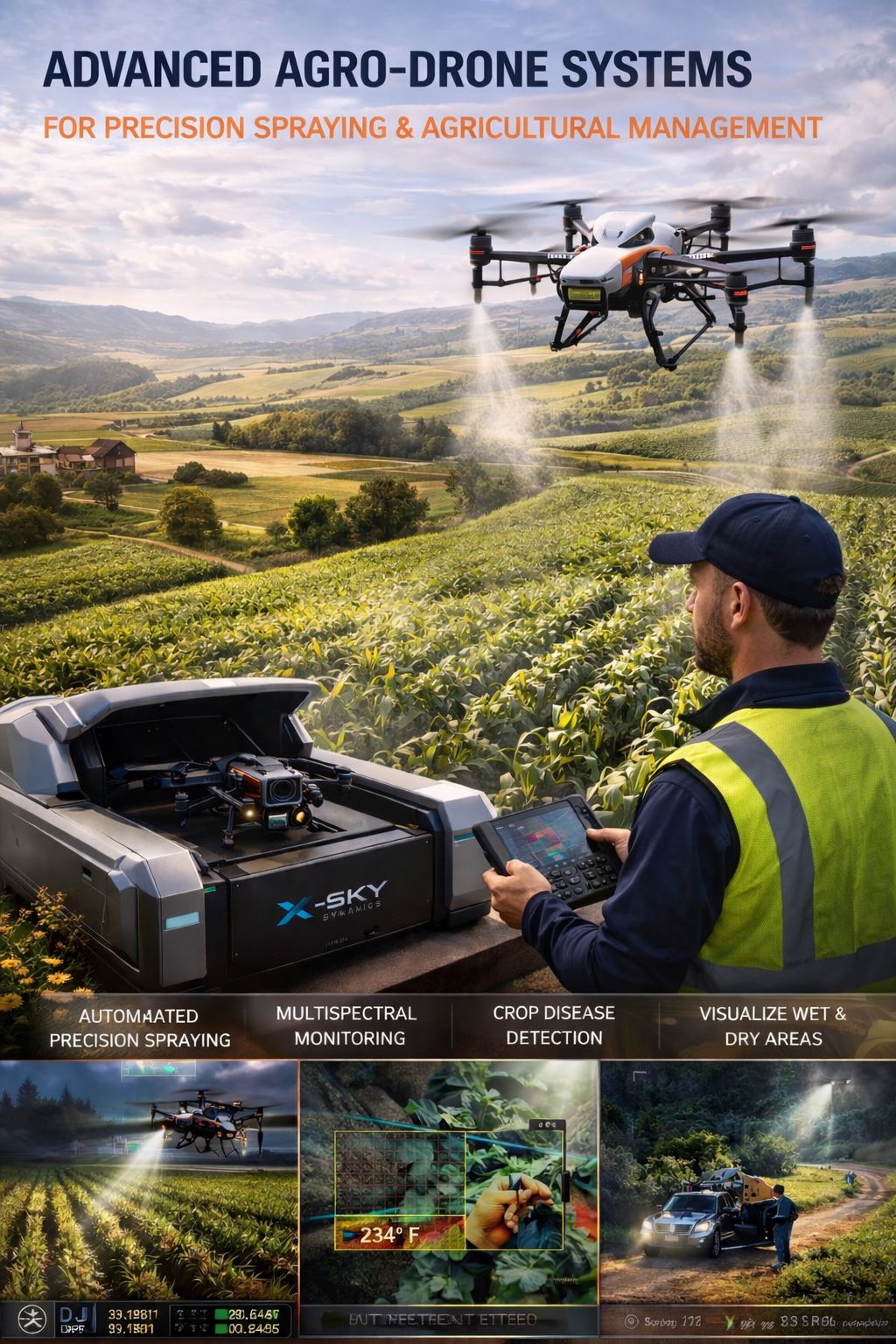
Agricultural Drone Systems for Precision Spraying, Spectral Monitoring
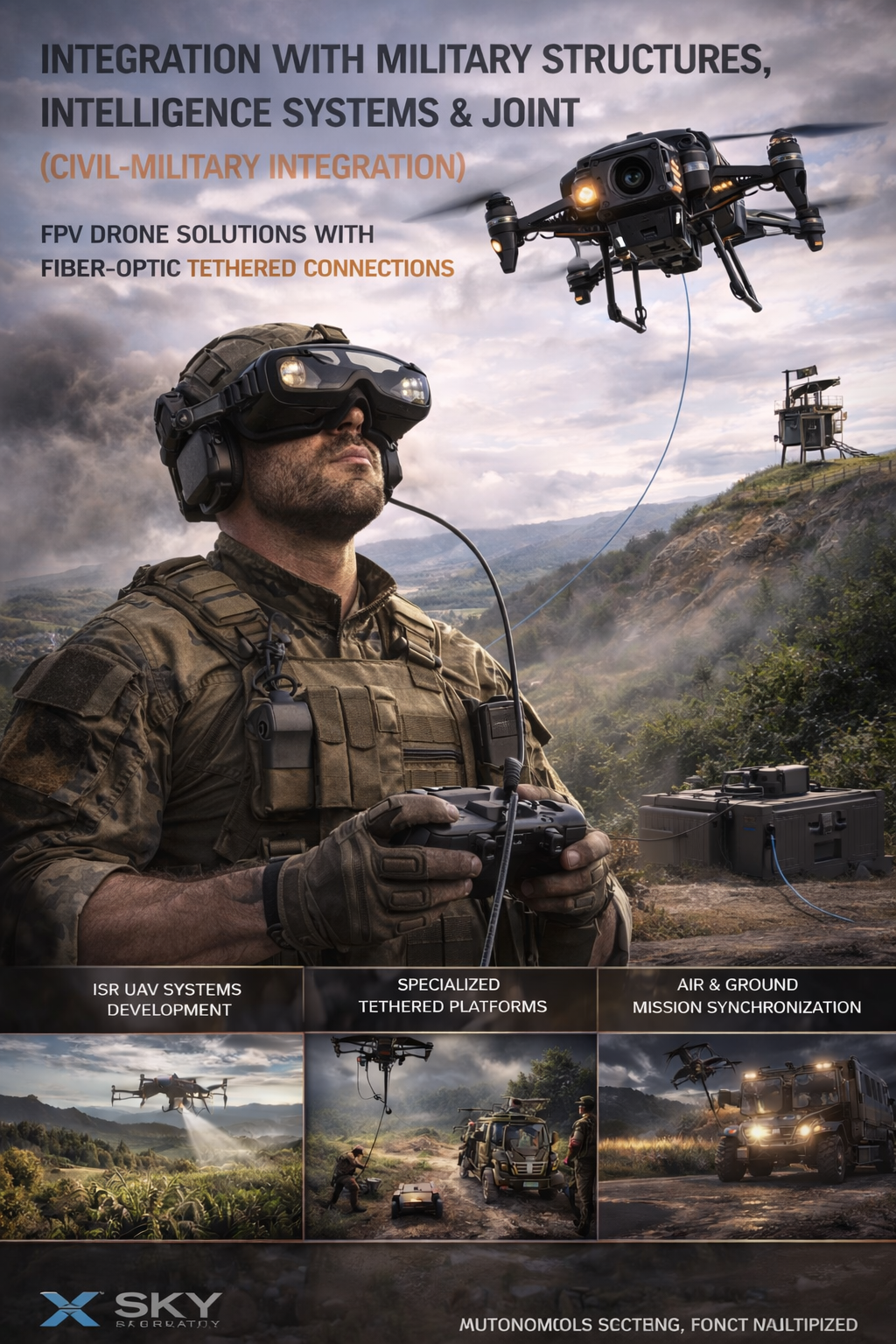
UAV – Drone Integration with Military
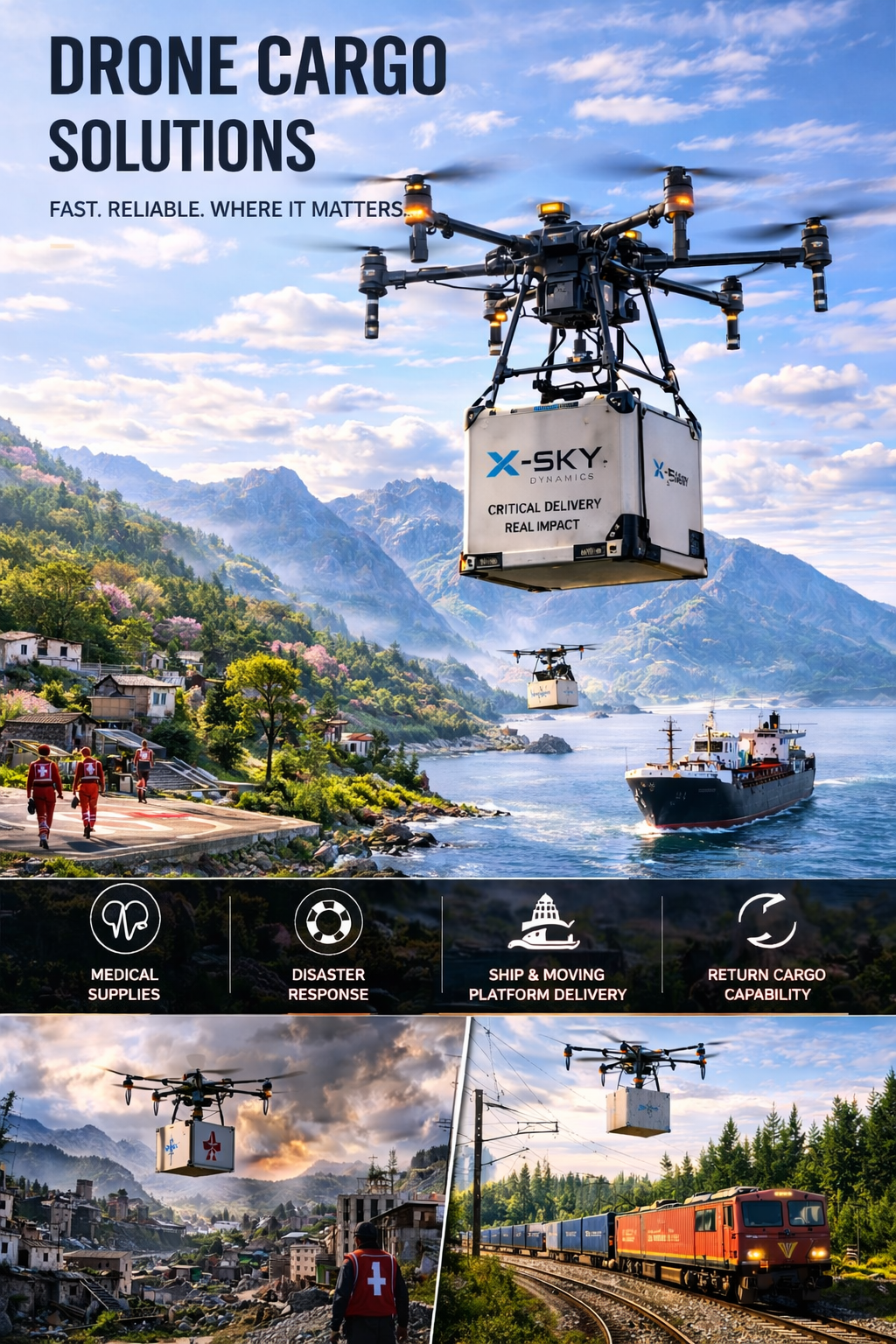
Cargo Transportation with Drones
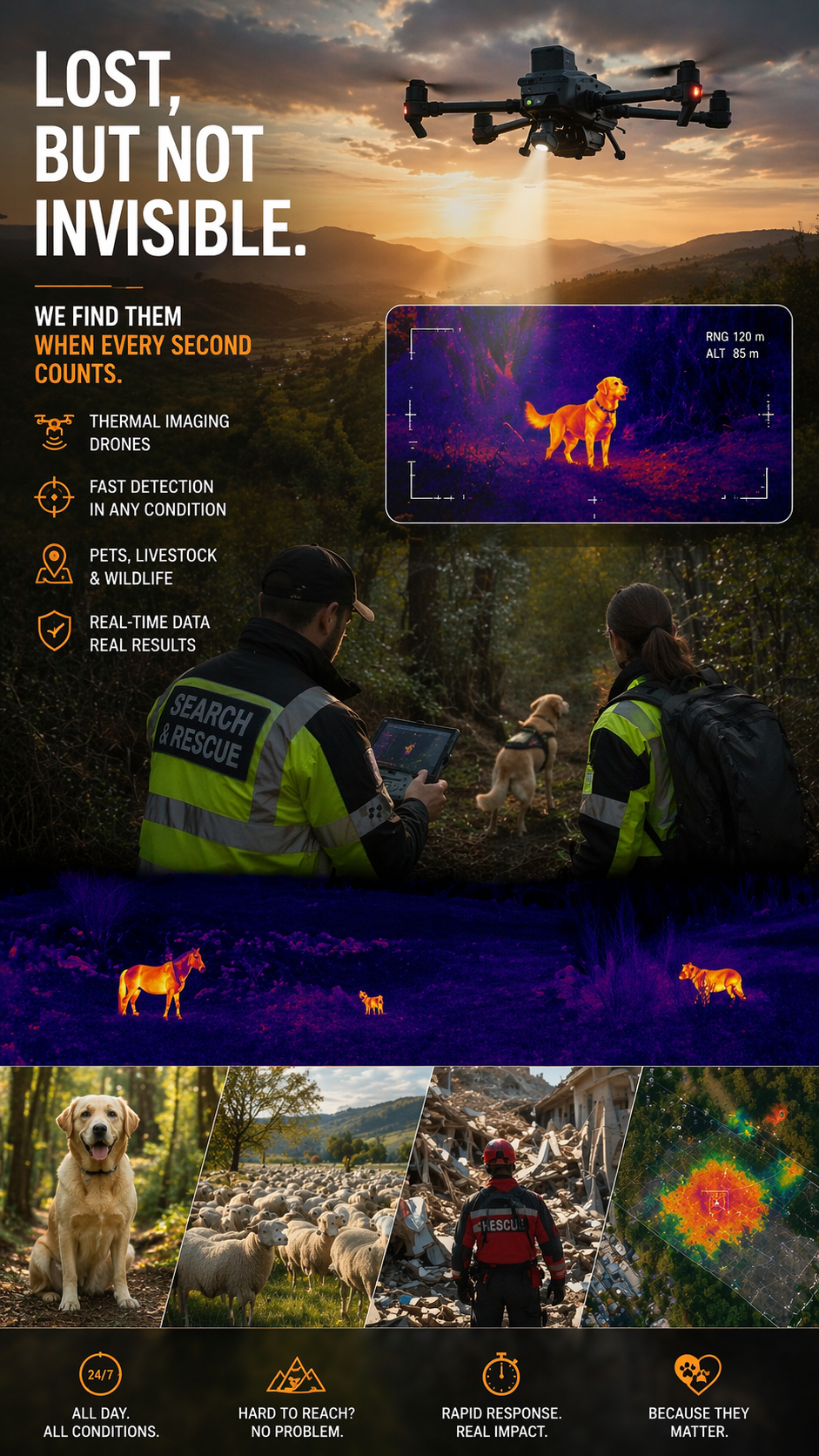
Search and Rescue of Pets and animals Using Drones
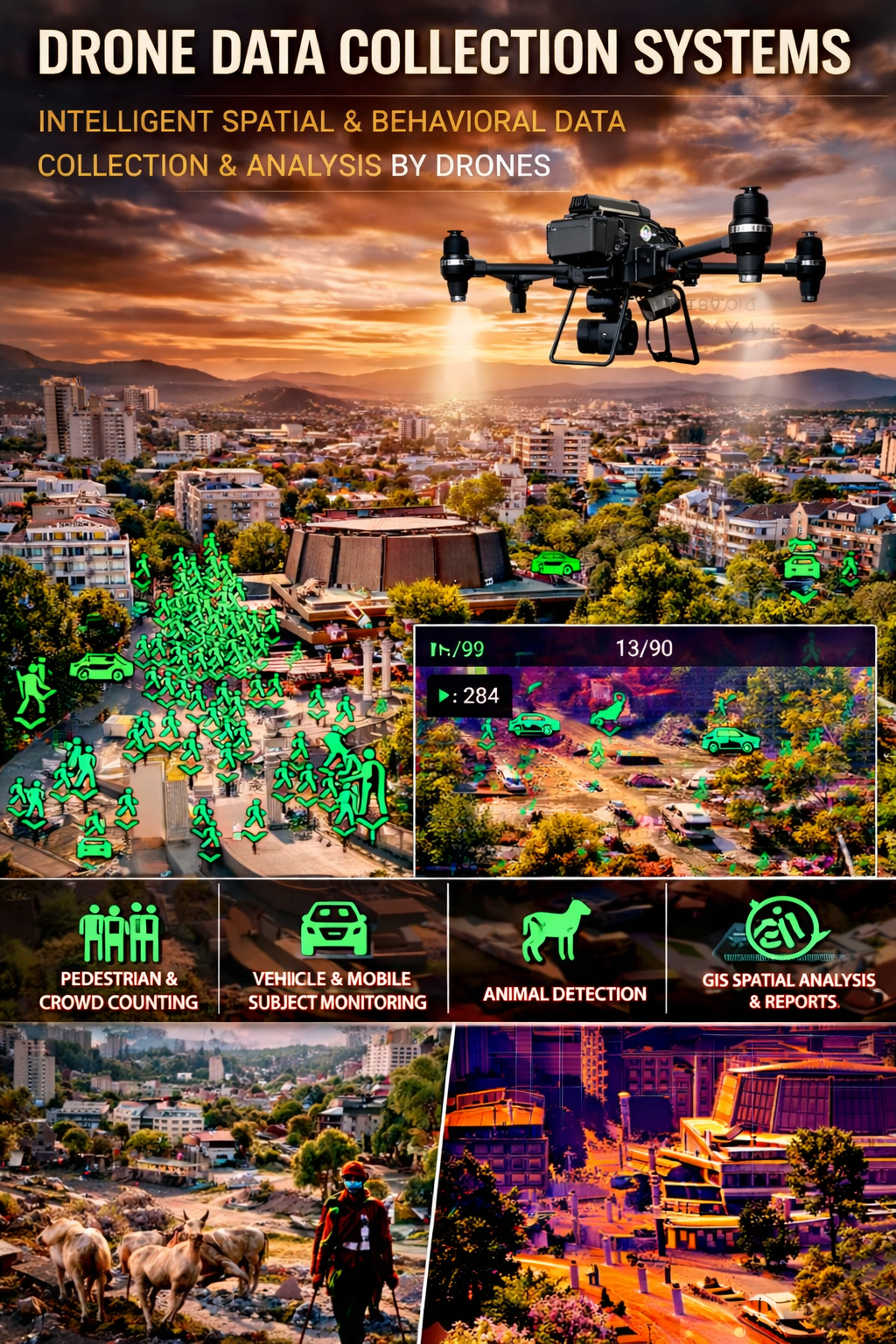
Drone Systems for Collecting Statistical Data
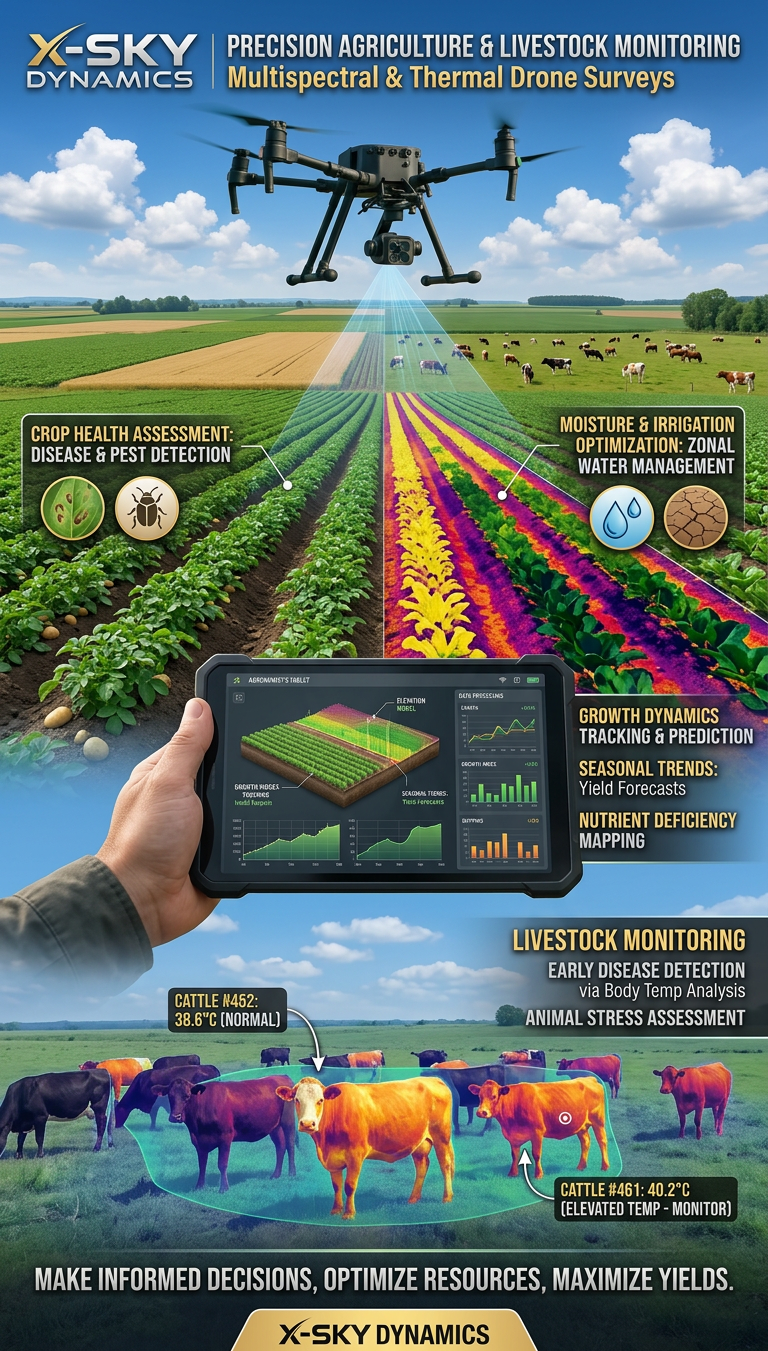
Multispectral and Thermal Drone Surveys for Agriculture
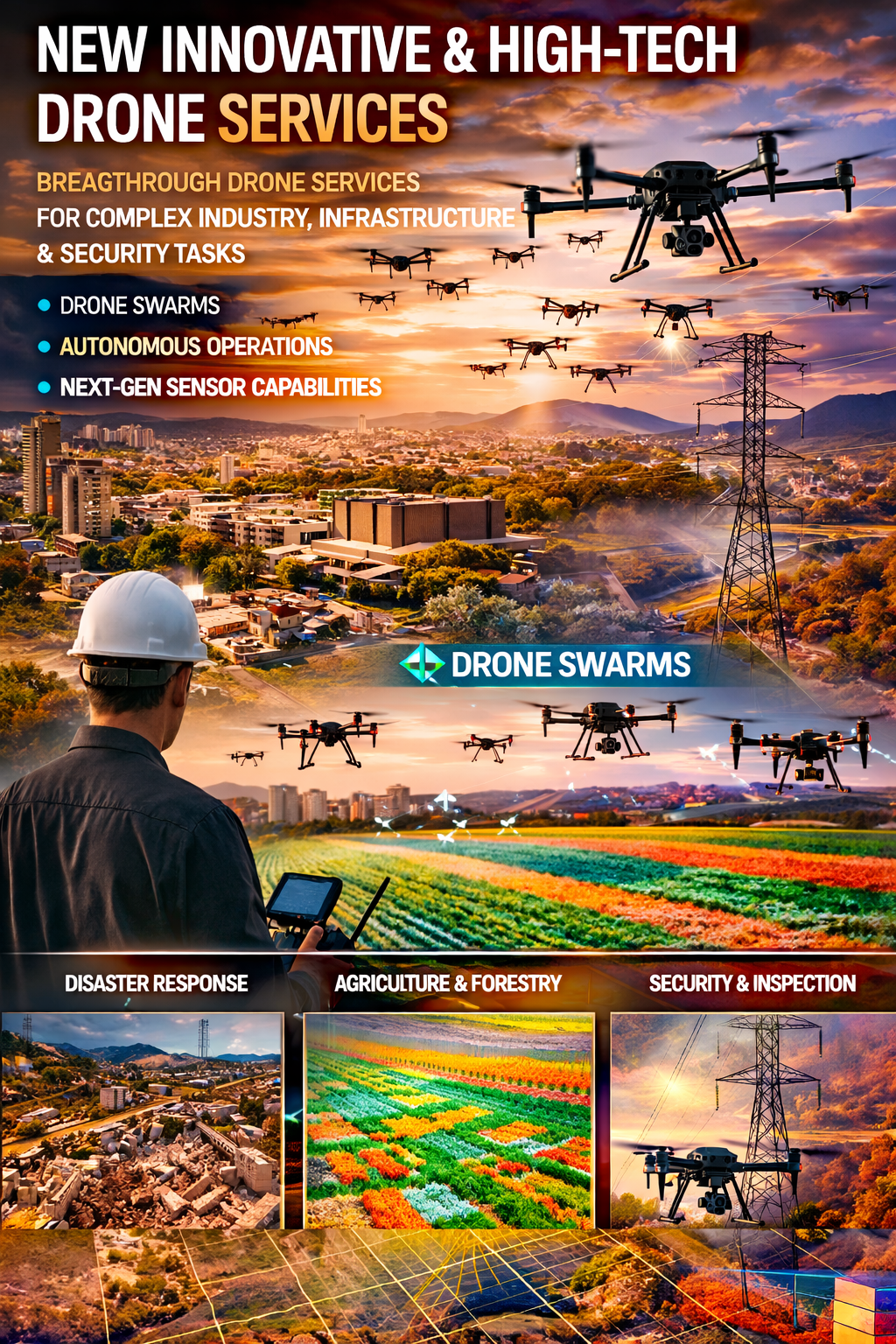
Innovative and High-Tech Drone Services
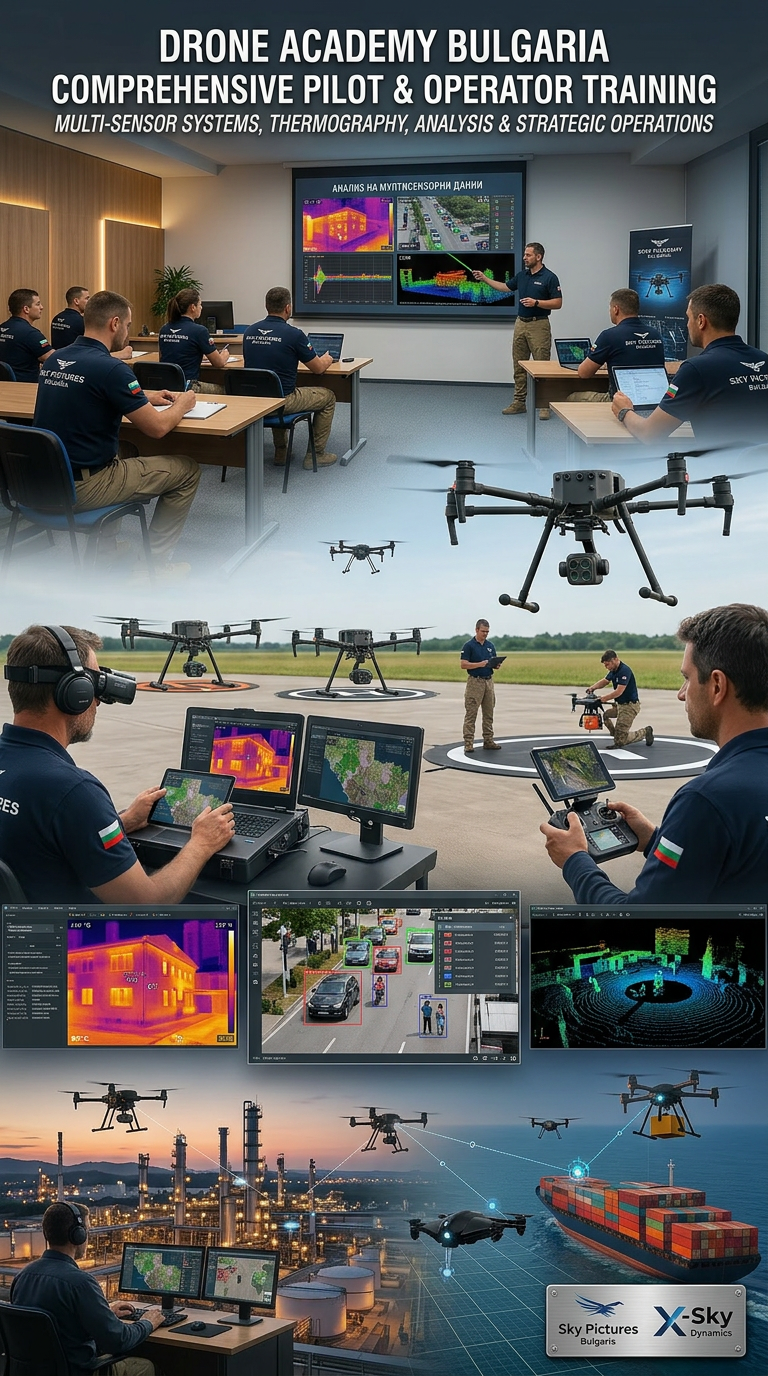
DRONE PILOTS AND OPERATORS TRAINING AND COURSES
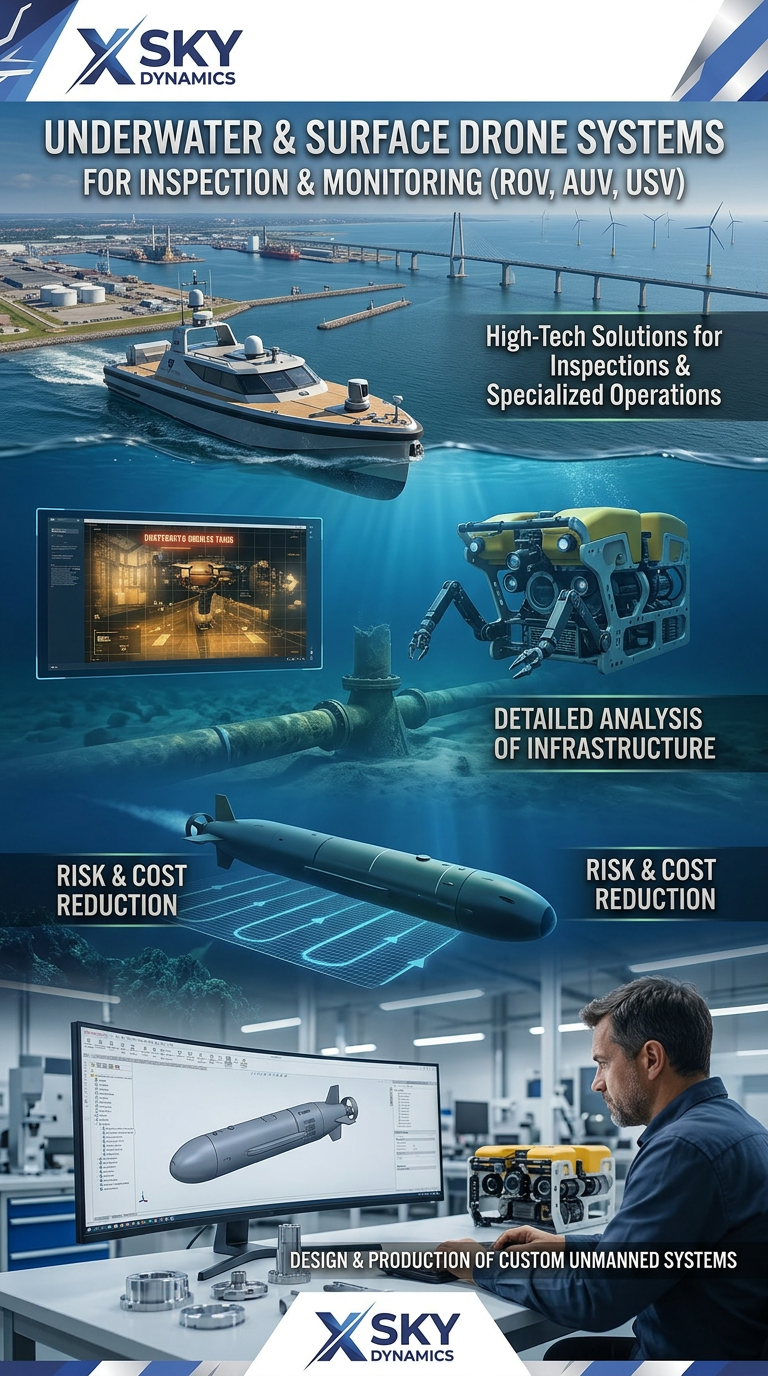
Underwater and Surface Drone Systems ROV, AUV, USV
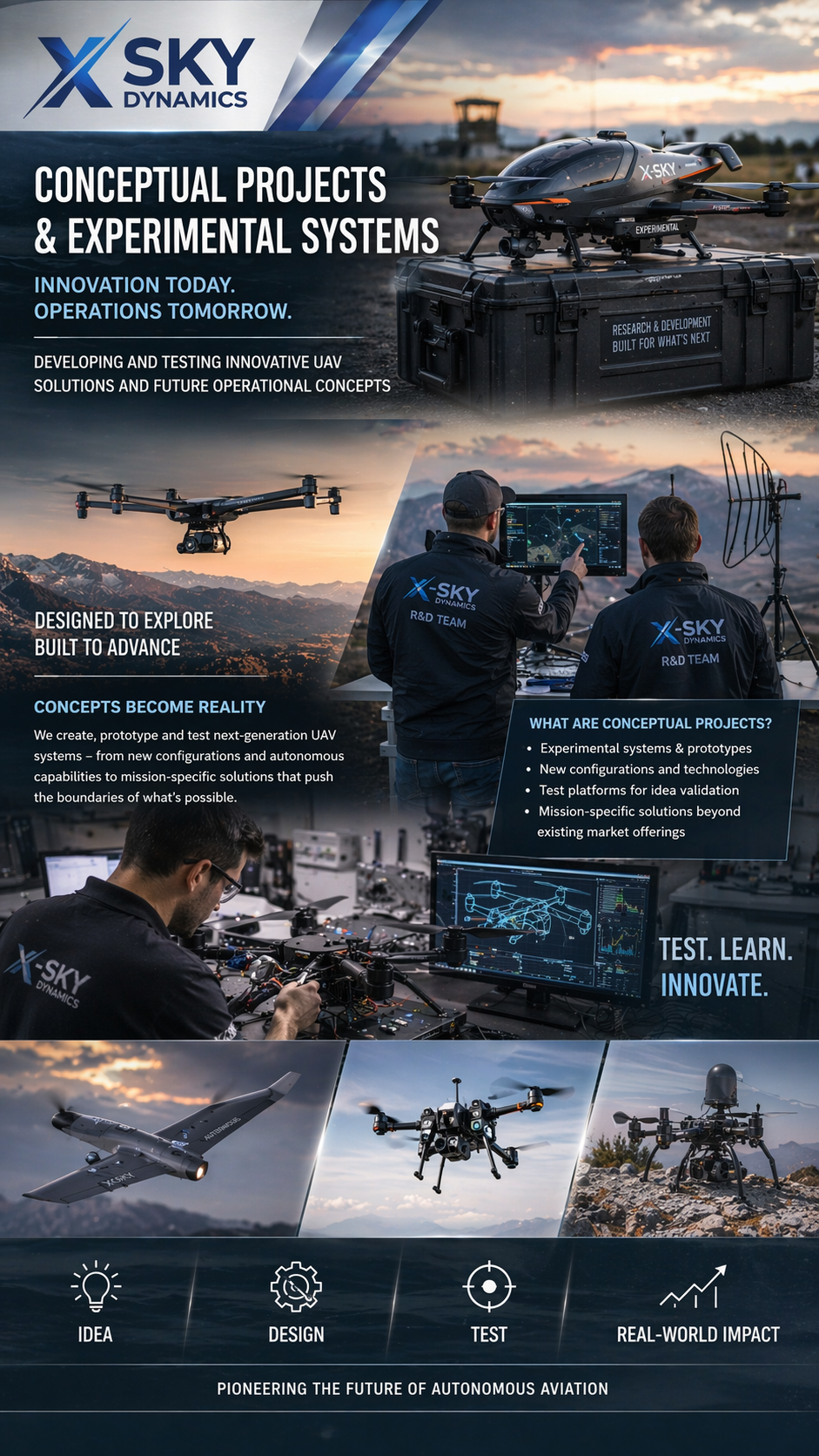
Concept Projects & Experimental UAV
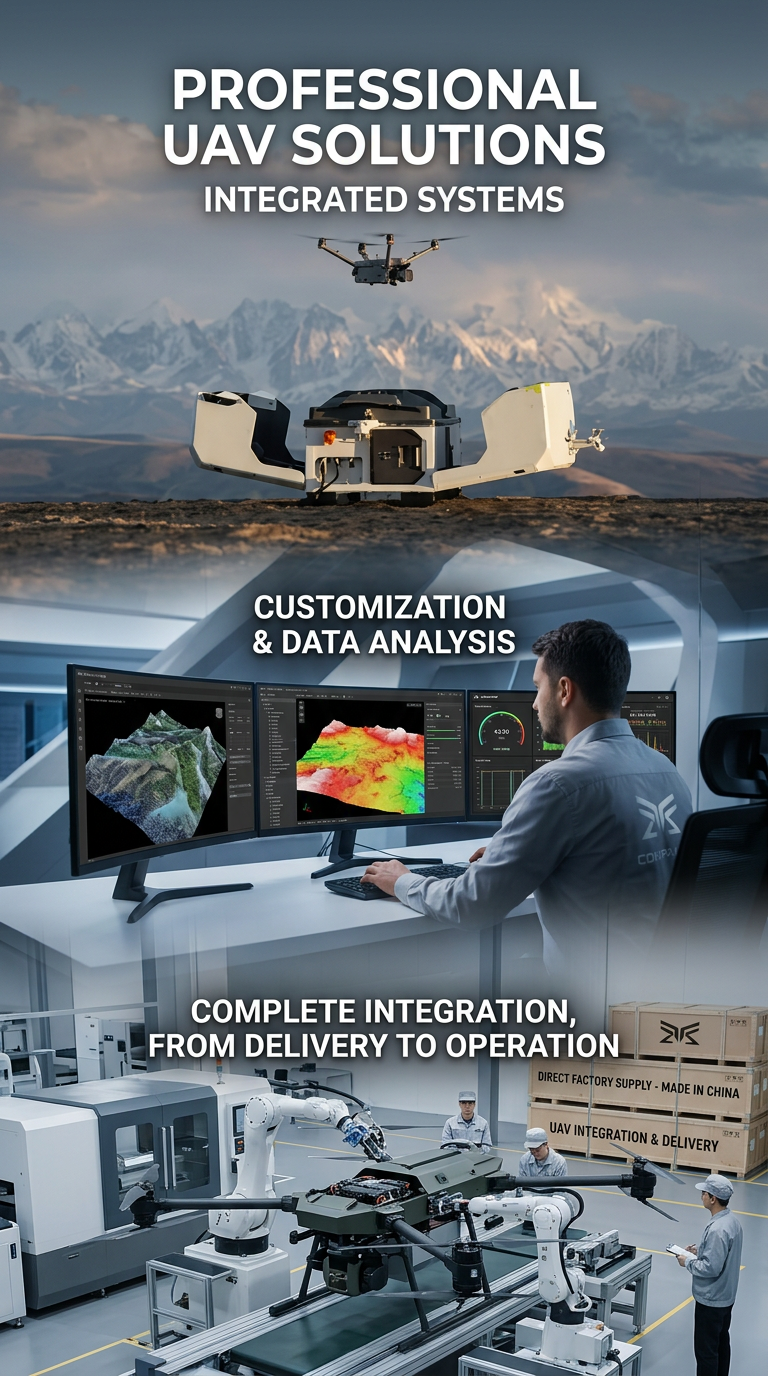
Autonomous Drone Systems with Dock Stations
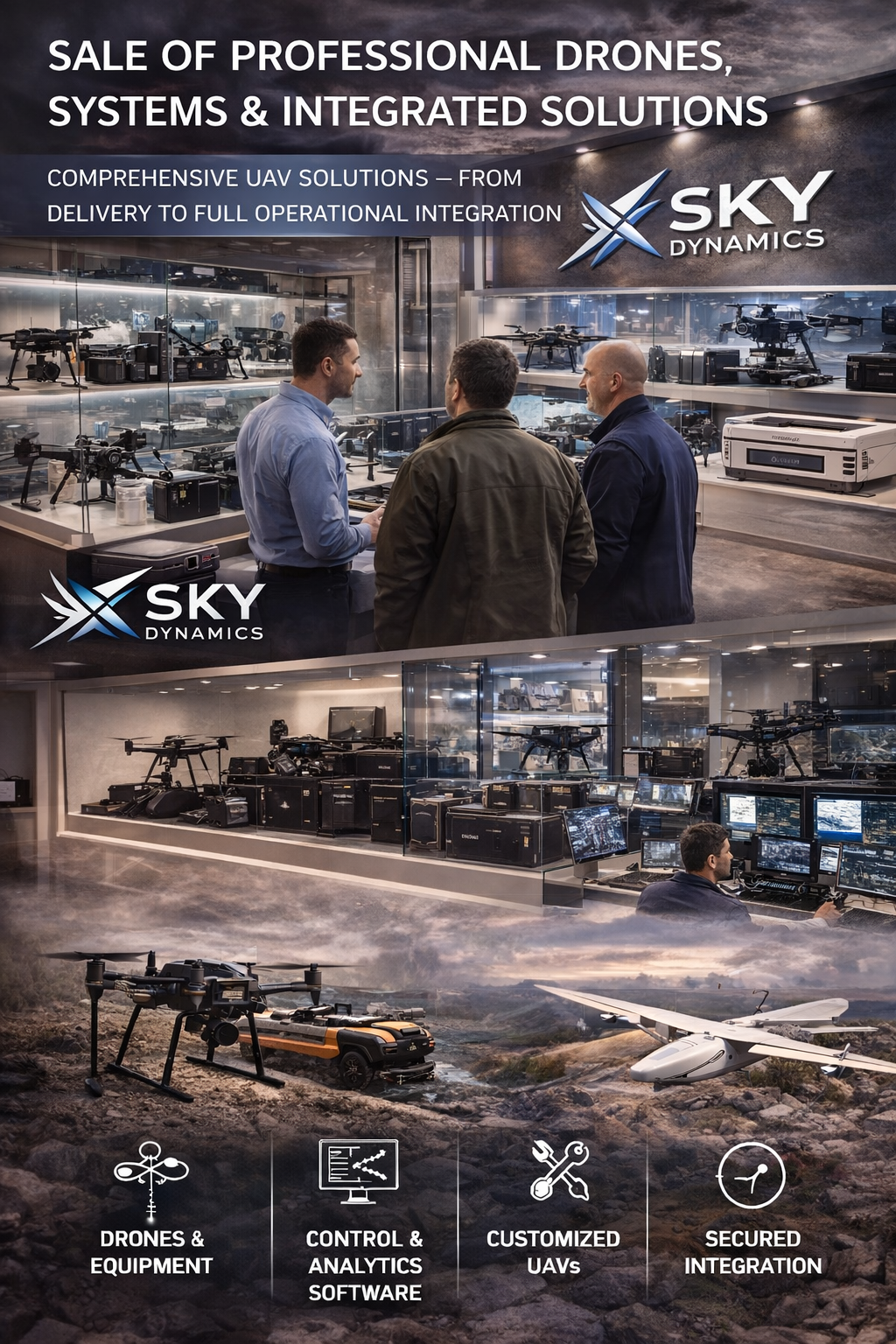
Sales of Professional Drones
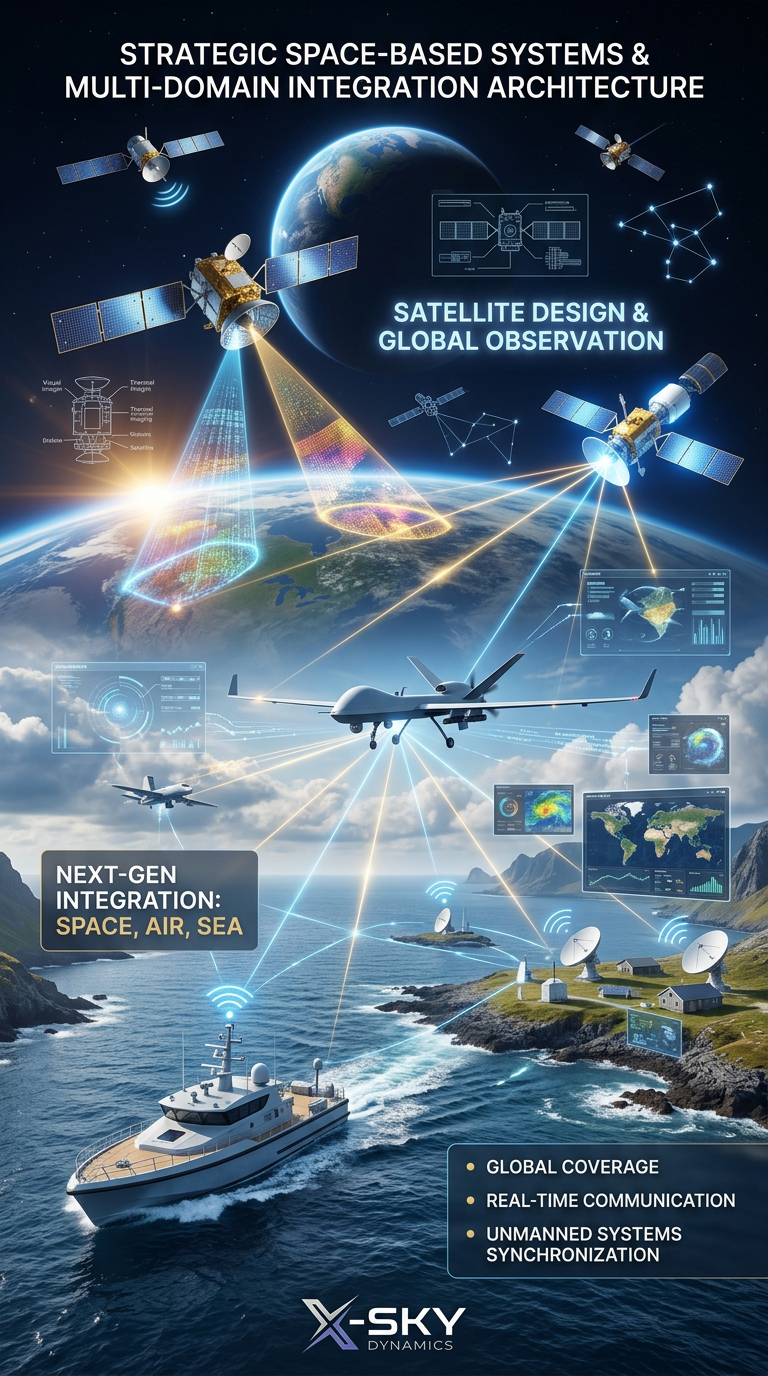
Satellite Imaging, Satellite Design and Integrated
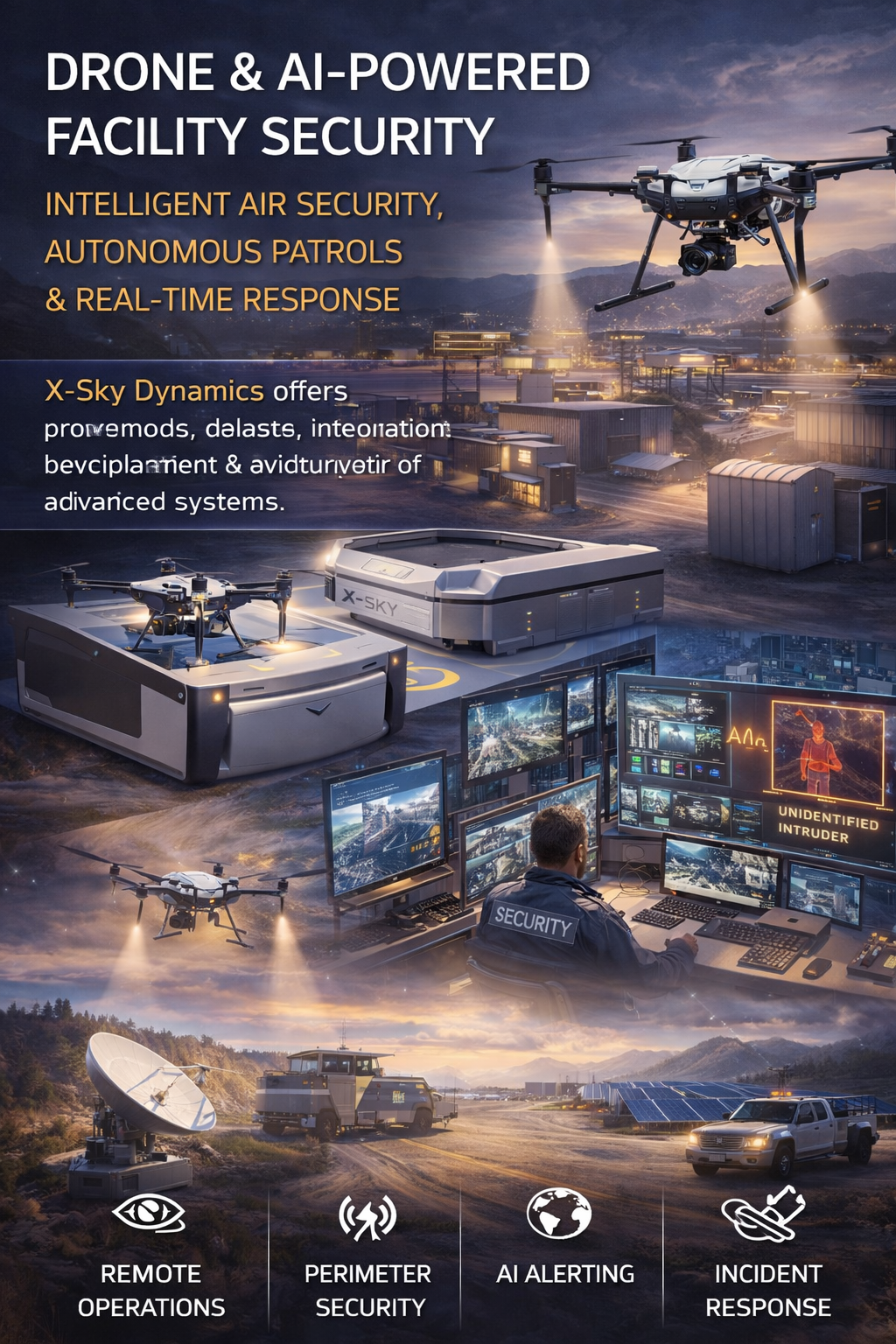
Security of Sites Through Drones AI Systems
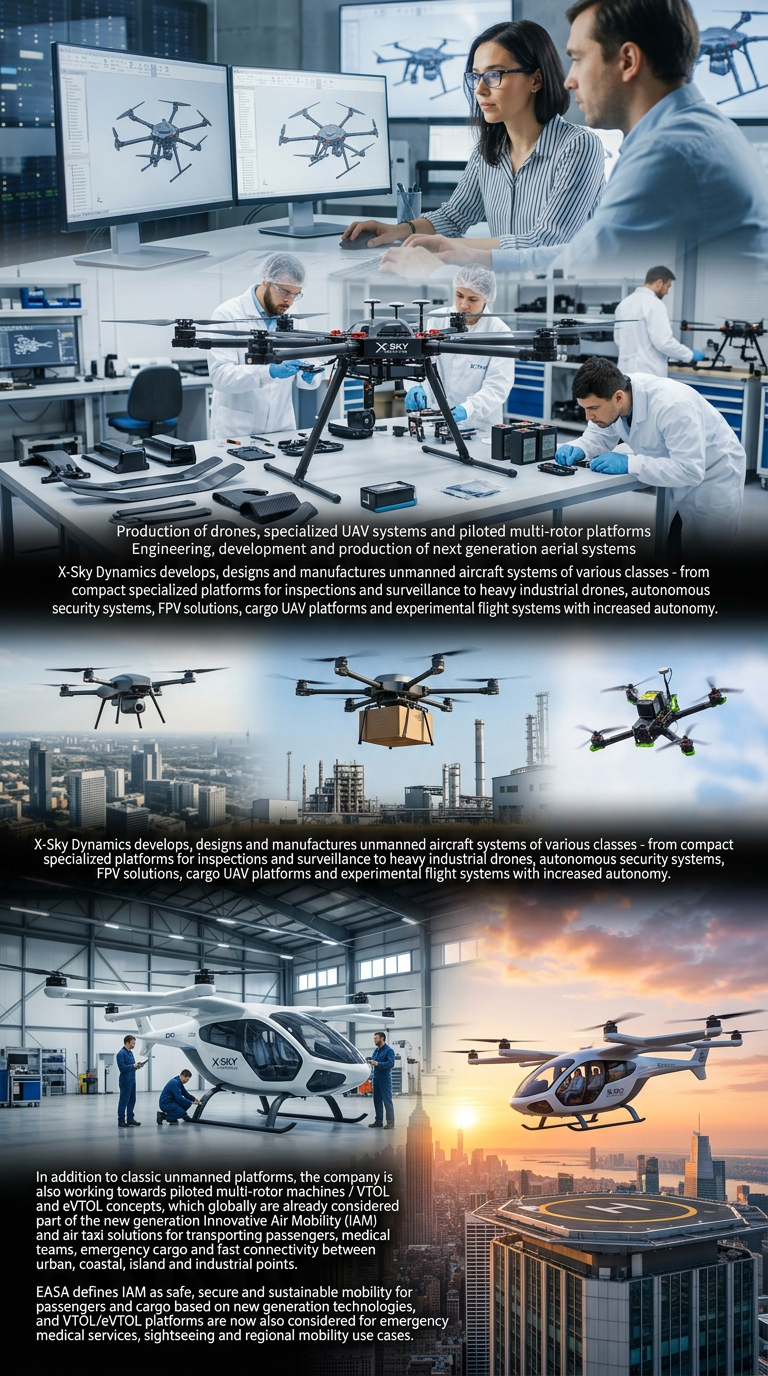
Drone Manufacturing and Manned Multirotor Platforms
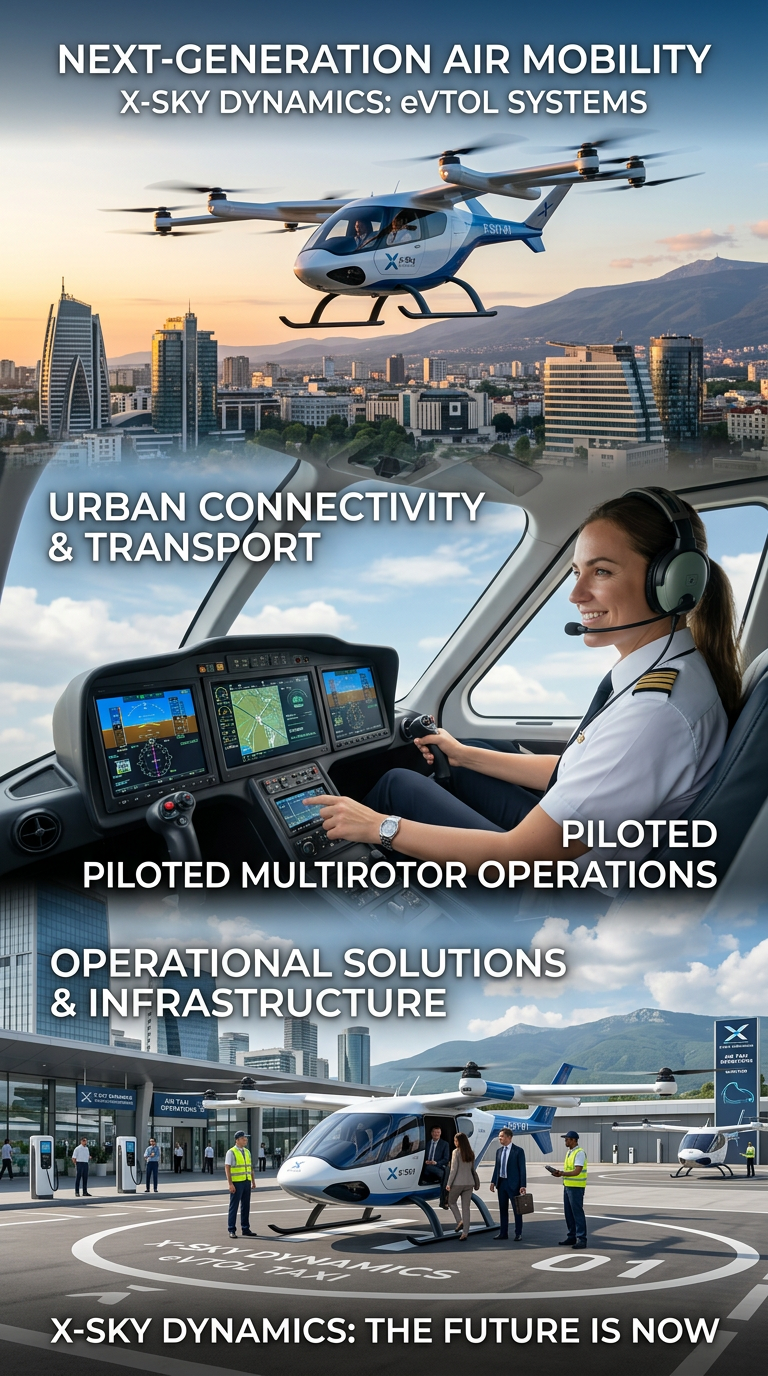
Air Taxis and eVTOL Systems
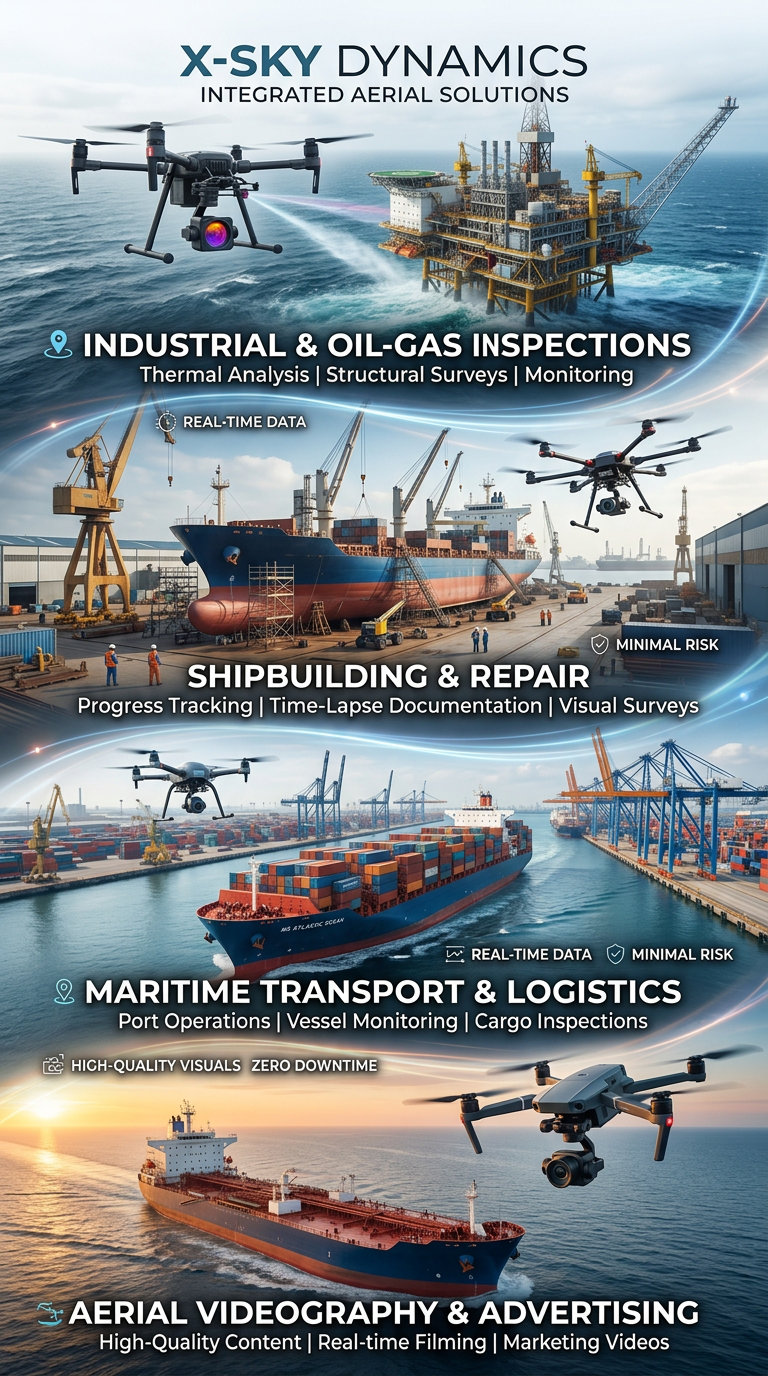
Drone and Video Services in Maritime Transport
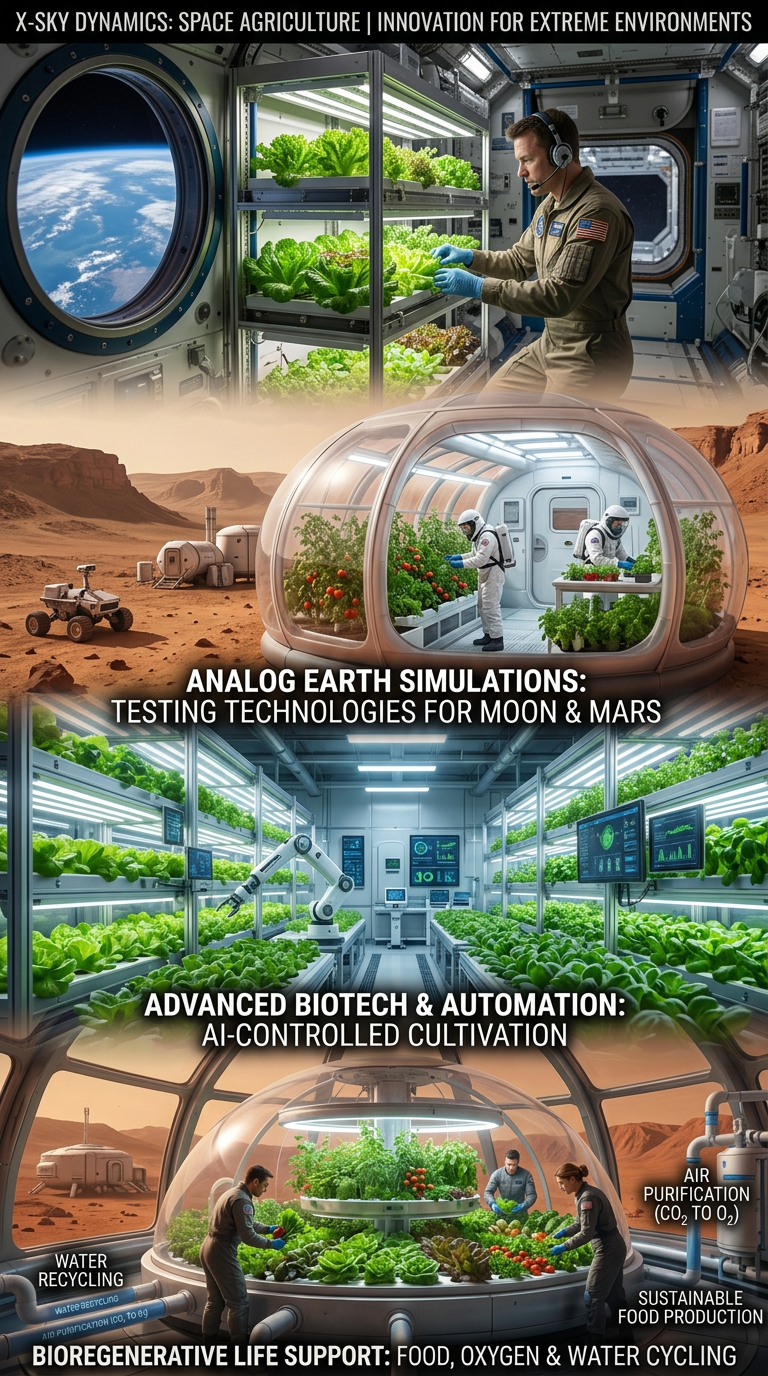
Space Agriculture, Agri-Systems for Extreme Environments
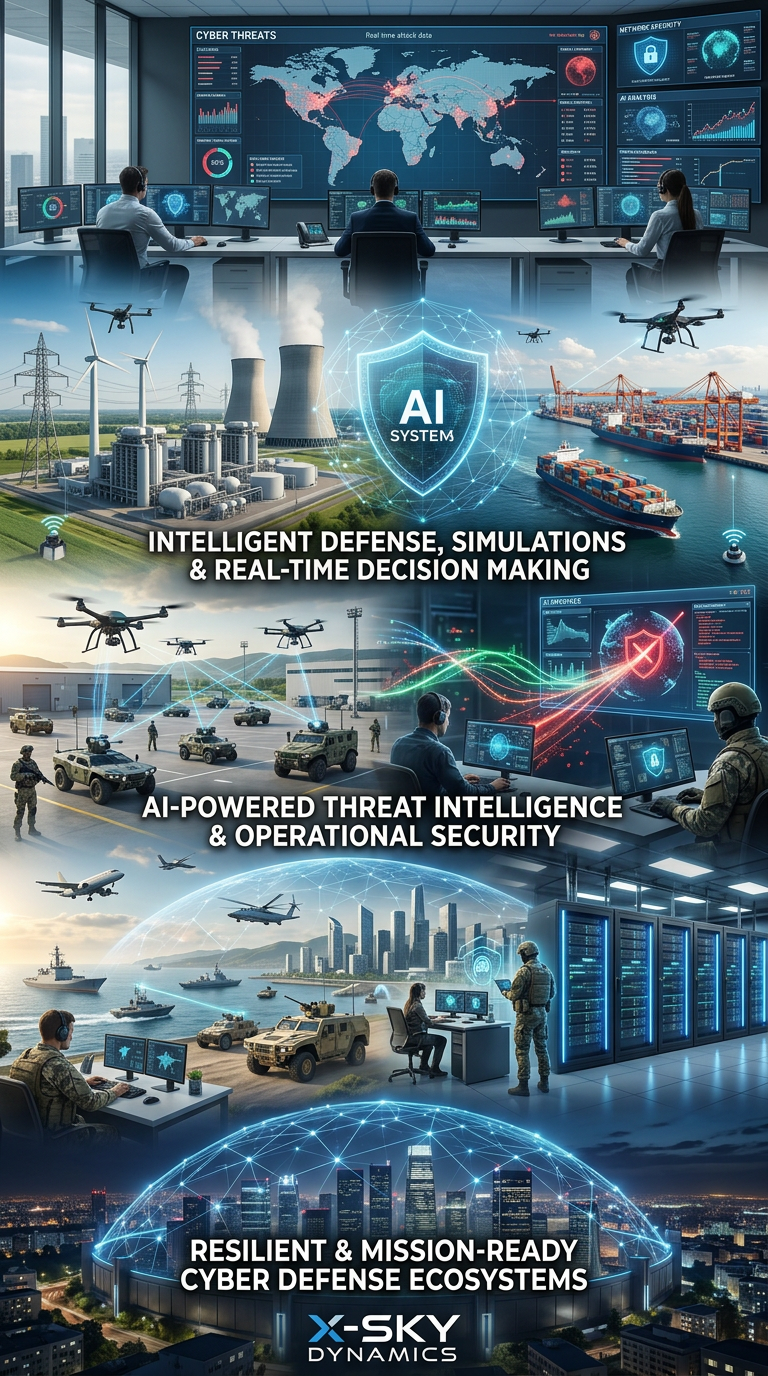
Cybersecurity, Cyber Defence and Protection of Critical Infrastructure
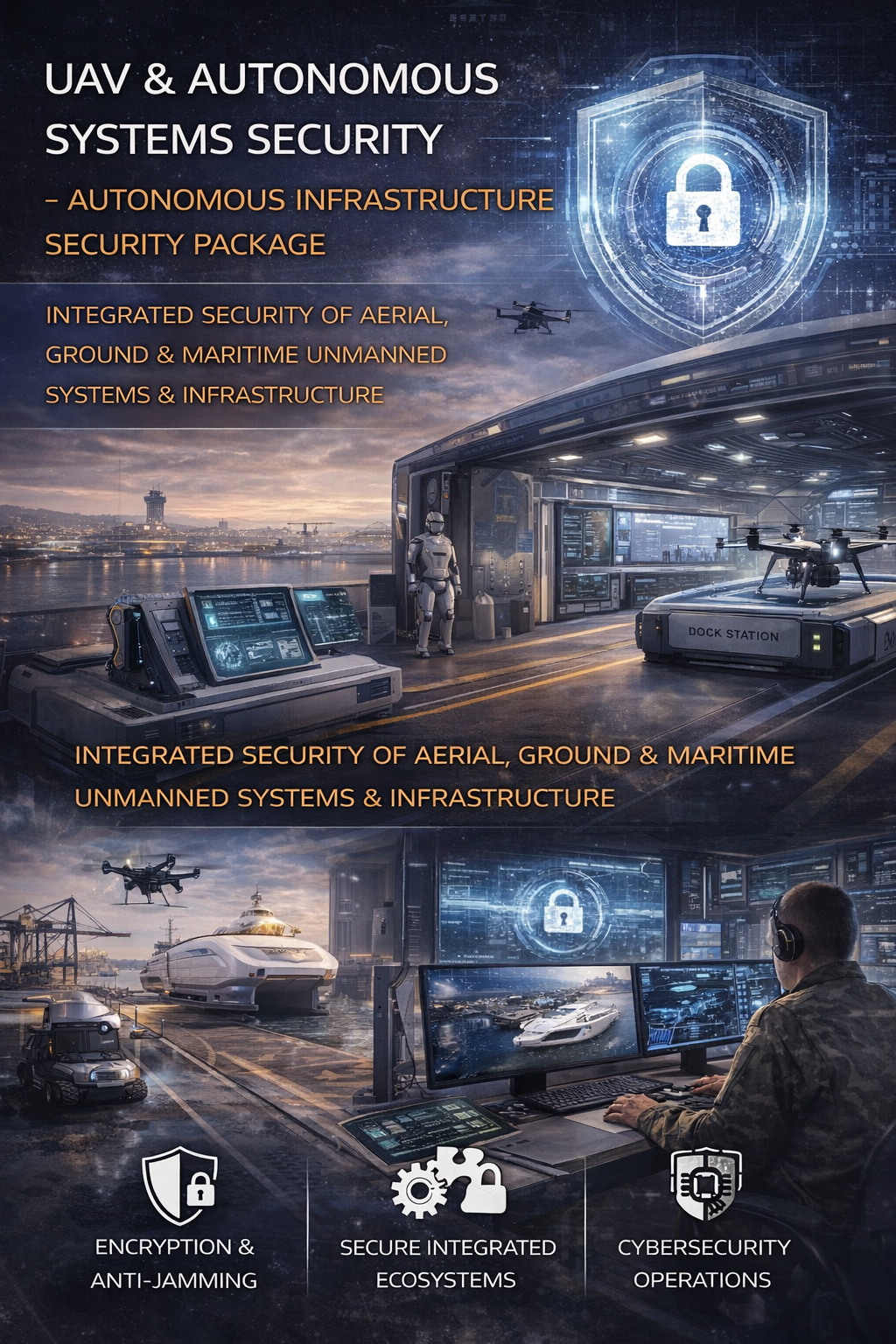
Cybersecurity and Protection of UAV and Autonomous Systems
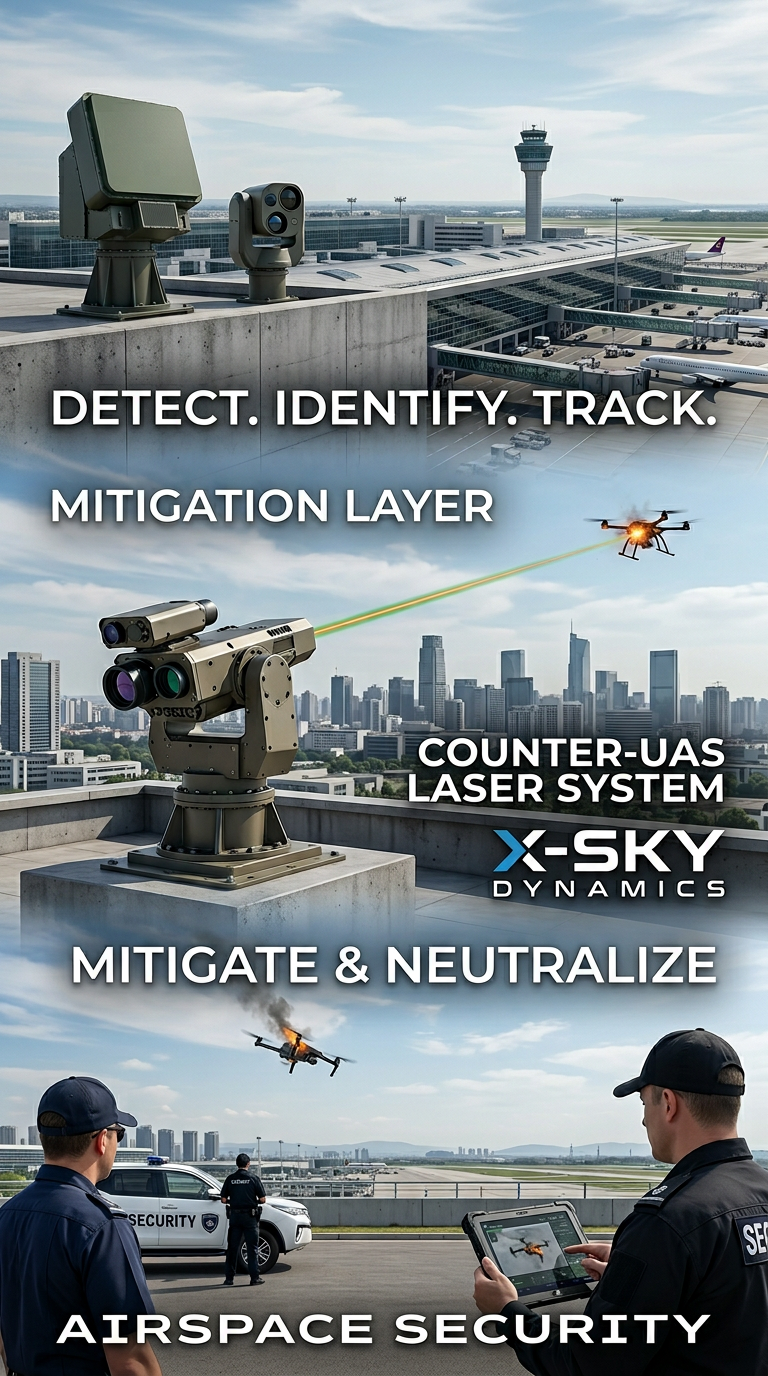
Counter-UAS, Laser and Kinetic Systems
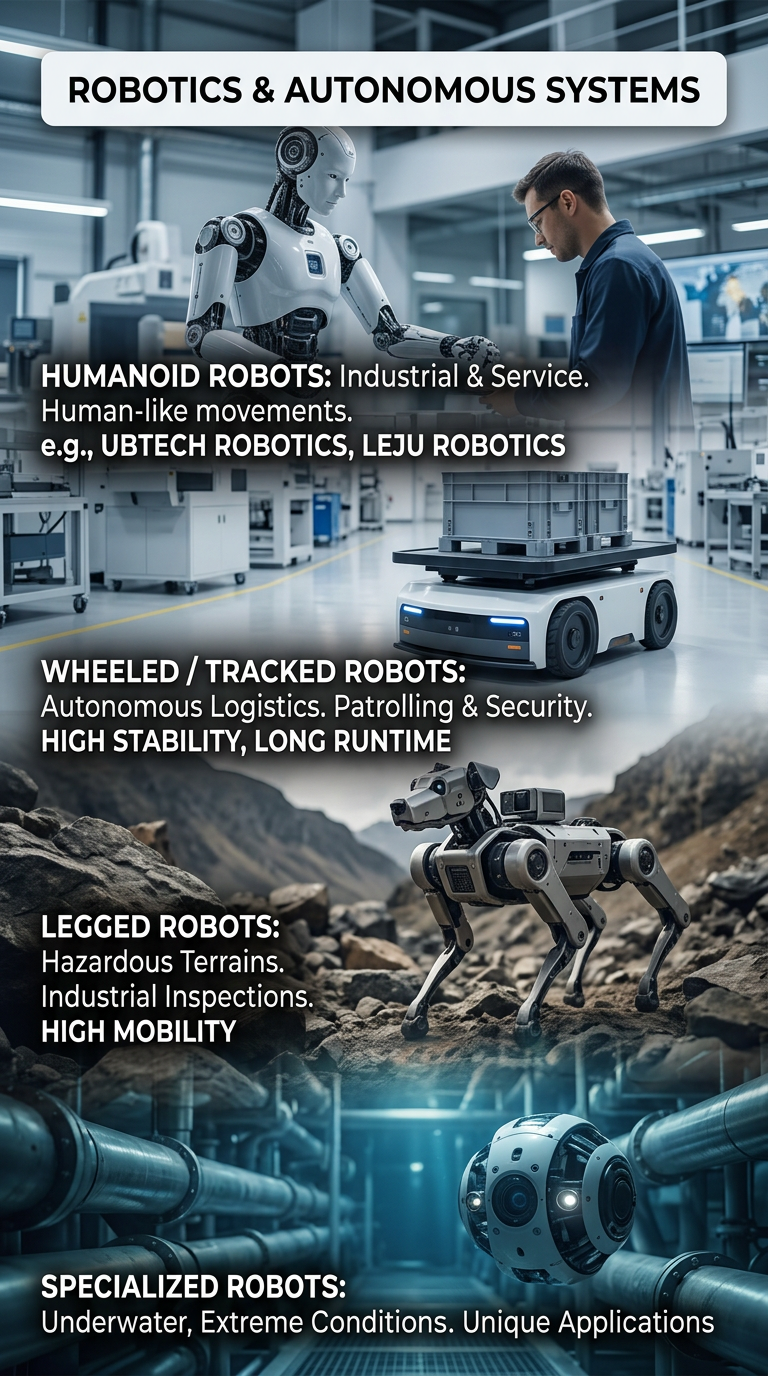
Robots and Autonomous Systems
Robotic Probing Systems and Subsurface Technologies
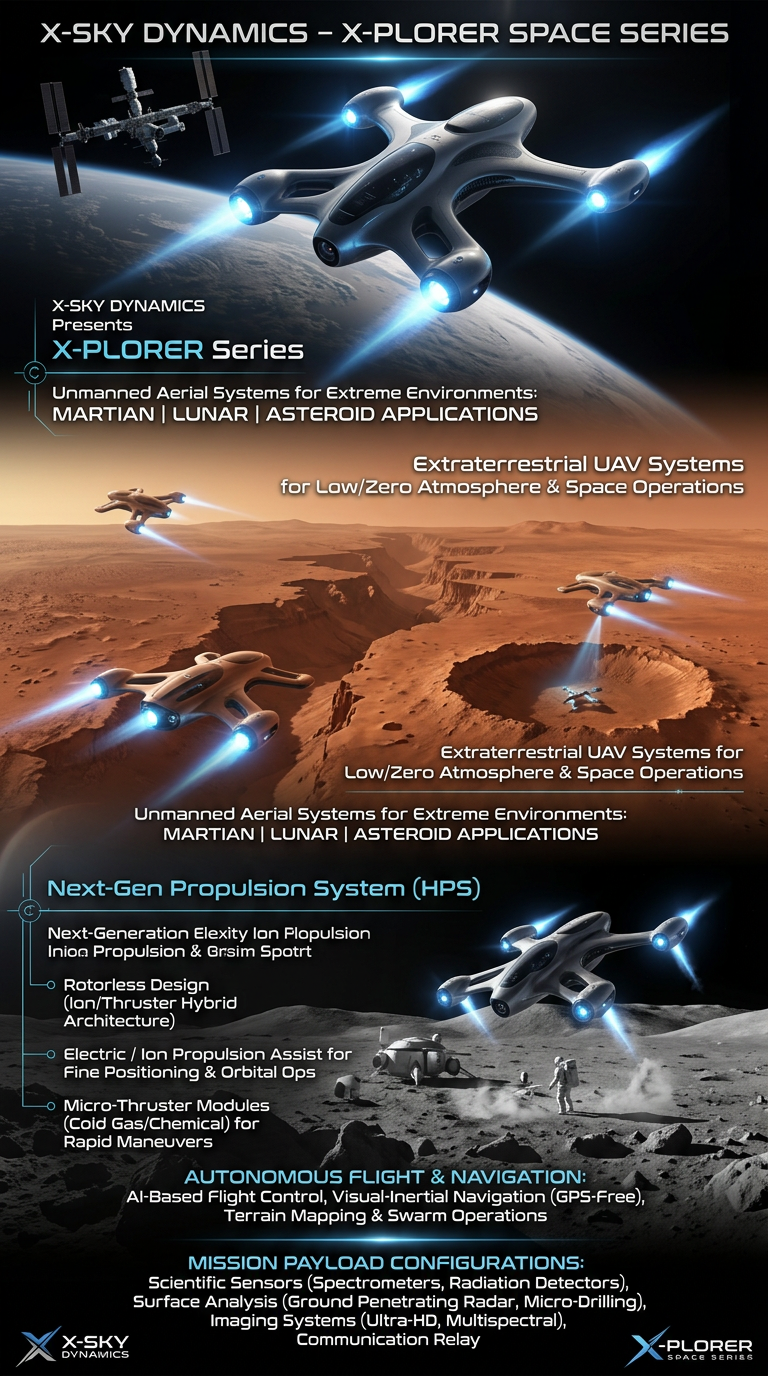
Space Drone systems SPACE X-PLORER SERIES

RAIGNV Partnership
Investors & Partners